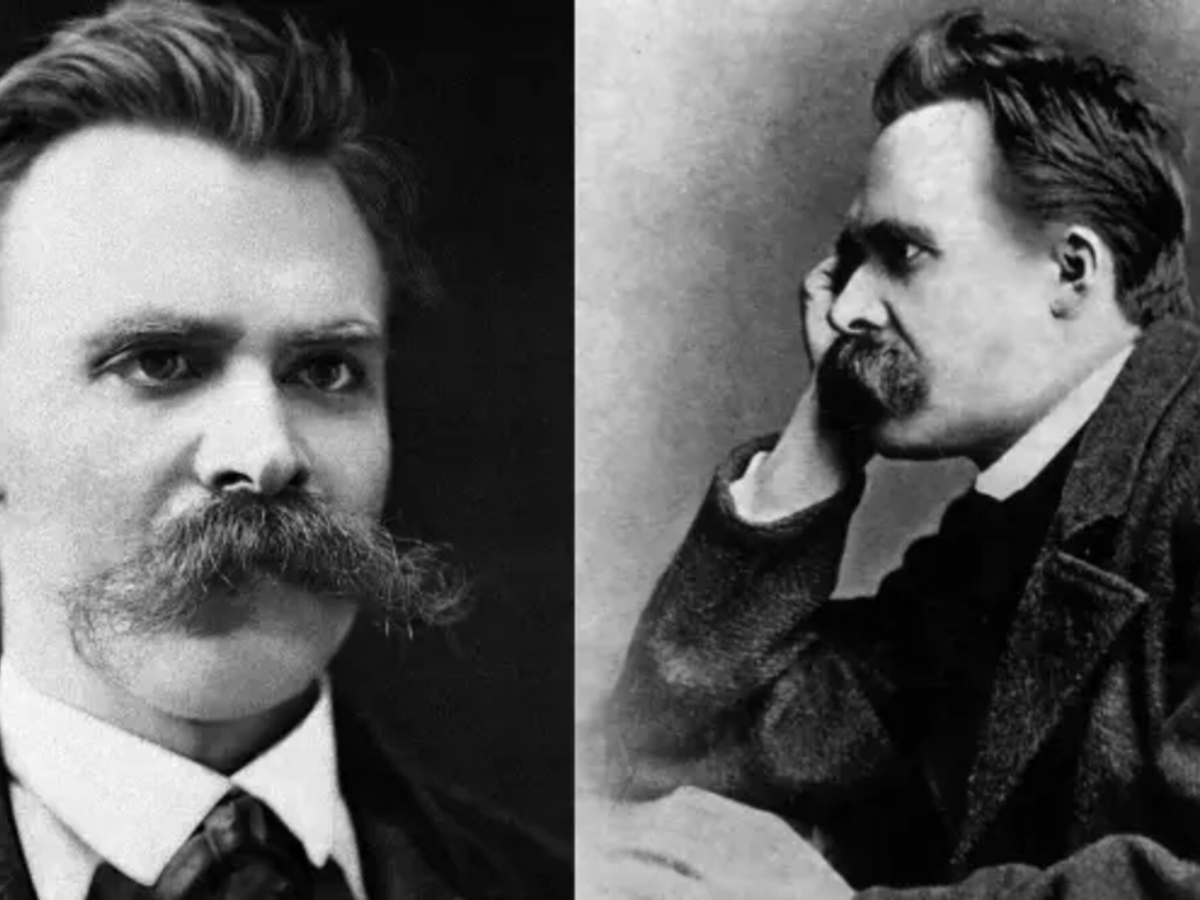
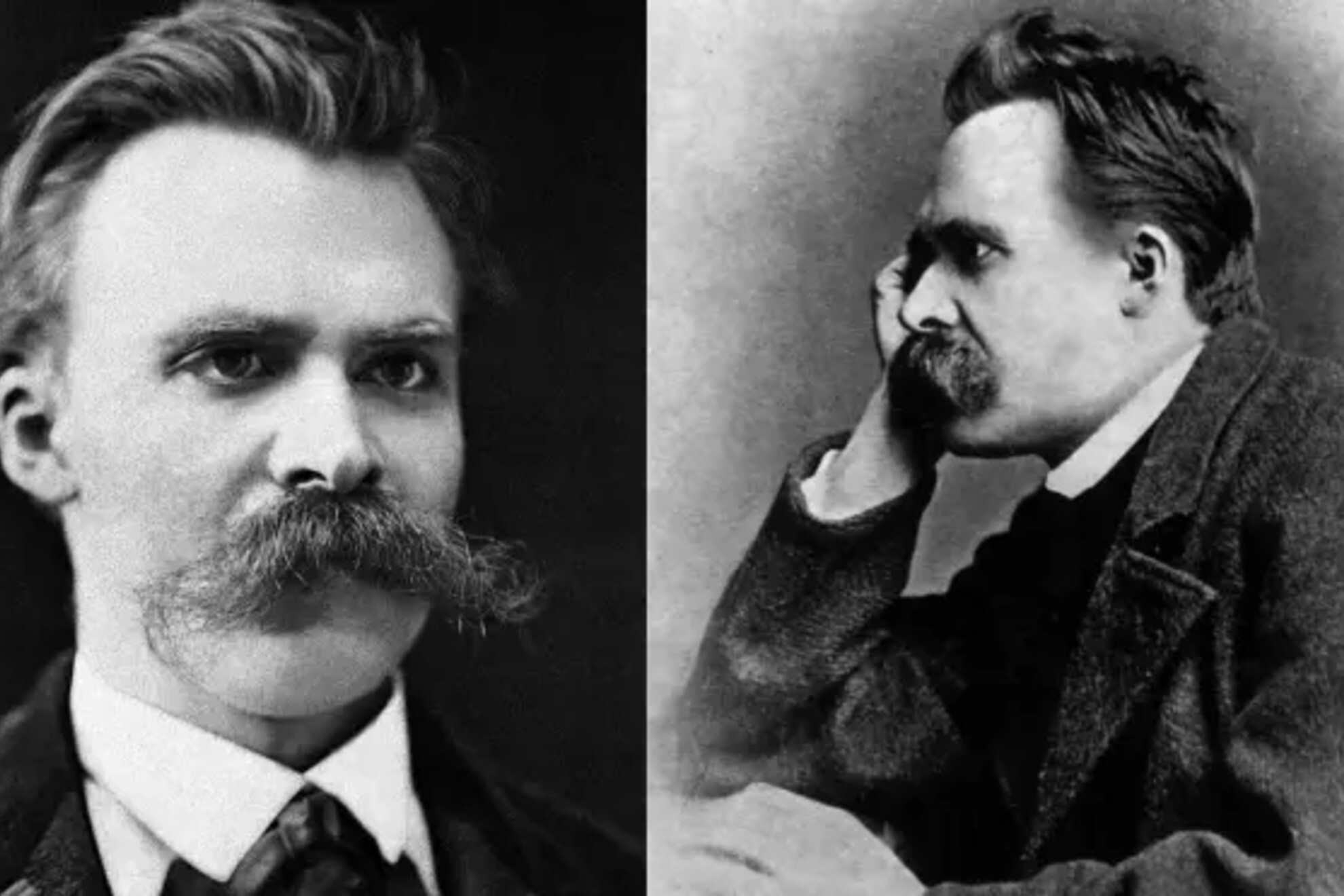
Friedrich Nietzsch, philosopher and writer: "I know of no better life purpose than to perish in attempting the great and impossible"
A powerful Nietzsche quotation about pursuing ambitious goals has endured
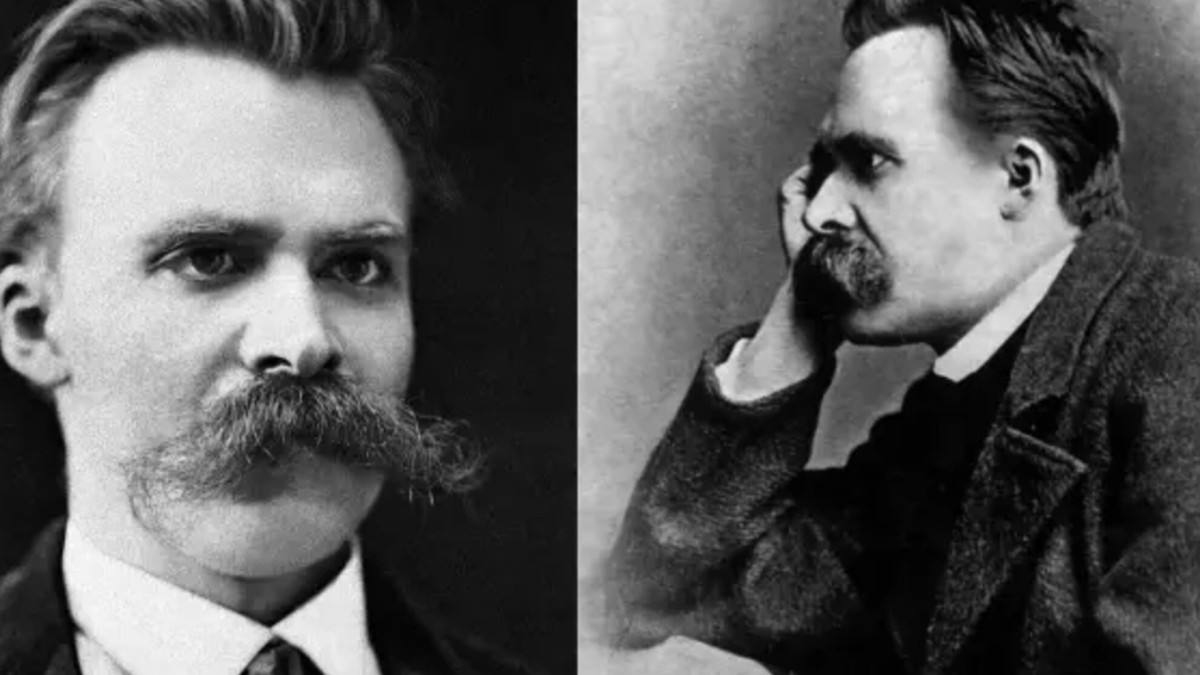
F riedrich Nietzsche remains one of the most widely discussed philosophers of the modern era, and few ideas associated with his work are as striking as his call to pursue ambitions that appear almost impossible.
The quotation, commonly attributed to Nietzsche , reads: “I know of no better life purpose than to perish in attempting the great and impossible.”
It is worth noting that the wording comes from an unpublished note from 1873 rather than one of Nietzsche's major published books.
A version of the passage appears in material associated with his Untimely Meditations, while modern quotation collections such as Goodreads attribute the shorter formulation directly to Nietzsche .
That distinction matters because Nietzsche's surviving notebooks contain material that was never presented by the philosopher as a finished work.
The quotation nevertheless reflects themes that became central to his thinking: purpose, self-creation, ambition and the challenge of living deliberately rather than simply accepting inherited values.
Nietzsche was born in 1844 in Röcken, near Leipzig, and initially pursued classical philology before becoming one of the most influential and controversial philosophers of the 19th century.
He was appointed to a chair in classical philology at the University of Basel when he was only 24, and his intellectual interests eventually expanded far beyond the discipline.
His philosophical project frequently challenged conventional assumptions about morality, religion, culture and the meaning of a worthwhile life.
Rather than offering a simple formula for happiness, Nietzsche explored how people might create values and purposes for themselves.
What Nietzsche meant by pursuing the "great and impossible"
The quotation's language can initially sound like an endorsement of failure or destruction. Its broader context, however, points toward something different: Nietzsche was emphasizing the importance of setting an elevated purpose rather than drifting without a meaningful goal.
In the longer passage, Nietzsche asks the individual to consider why they exist and, if they cannot immediately provide an answer, to establish an "exalted and noble" aim.
The point is not necessarily that a person should literally seek death, but that a life can be organized around a goal so demanding that pursuing it becomes meaningful in itself.
The phrase animae magnae prodigus, which appears alongside the passage, has been translated in scholarly discussions as suggesting someone who is prodigal or lavish with a great soul.
The surrounding material therefore reinforces the idea of committing oneself wholeheartedly to an ambitious purpose.
That interpretation fits with Nietzsche's broader emphasis on life-affirmation. The Stanford Encyclopedia of Philosophy describes affirmation as an important element of his philosophy and notes that Nietzsche sought to challenge values he believed restricted human potential while developing alternative values that could support a more expansive approach to life.
The philosopher's emphasis on creating and pursuing demanding goals also helps explain why the quotation continues to circulate outside academic philosophy.
It can be read as an argument against measuring a meaningful life only through easy victories. A goal can matter because of the person it requires someone to become, not simply because it is eventually achieved.
Another quotation supplied alongside the Nietzsche material points toward a related idea of concentration: “The successful warrior is the average man, with laser-like focus.”
However, that line is attributed to Bruce Lee rather than Nietzsche . Goodreads identifies Bruce Lee as the quoted author, although the site also cautions that its community-added quotations are not independently verified.
The two quotations therefore should not be treated as statements from the same philosopher. They can, however, be considered alongside one another as expressions of a broader cultural fascination with determination and concentrated effort.
Nietzsche's words remain especially provocative because they reject the assumption that purpose must come from certainty about the final result. Instead, the passage places emphasis on choosing something sufficiently ambitious to demand commitment.
More than 150 years after Nietzsche wrote the underlying note, that idea continues to resonate. His formulation asks a fundamental question about purpose: if a person is going to devote their life to something, should the goal be merely achievable, or should it be ambitious enough to transform the person pursuing it?
For Nietzsche, the answer was unmistakably in favor of the latter.