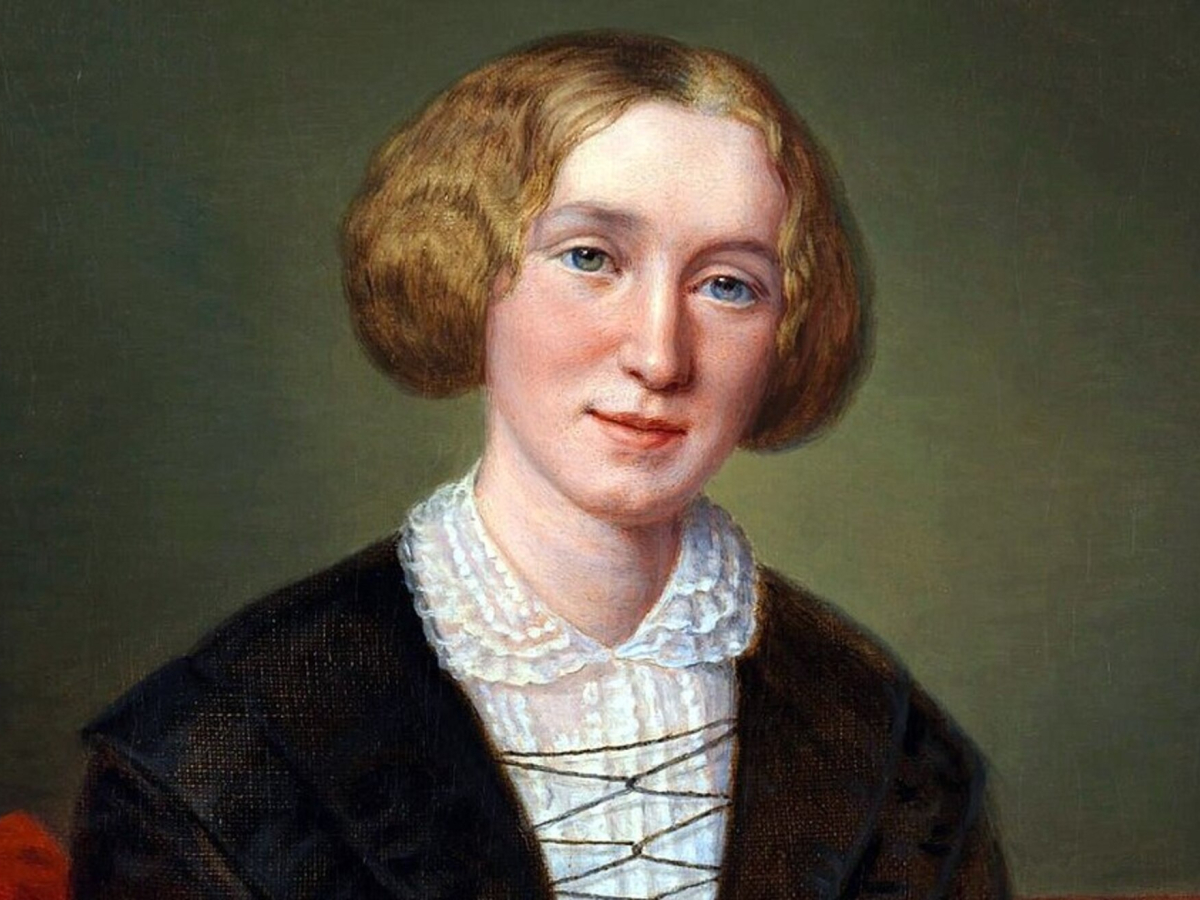
George Eliot, writer: "It is never too late to be what you might have been"
George Eliot and the mystery of an enduring quote
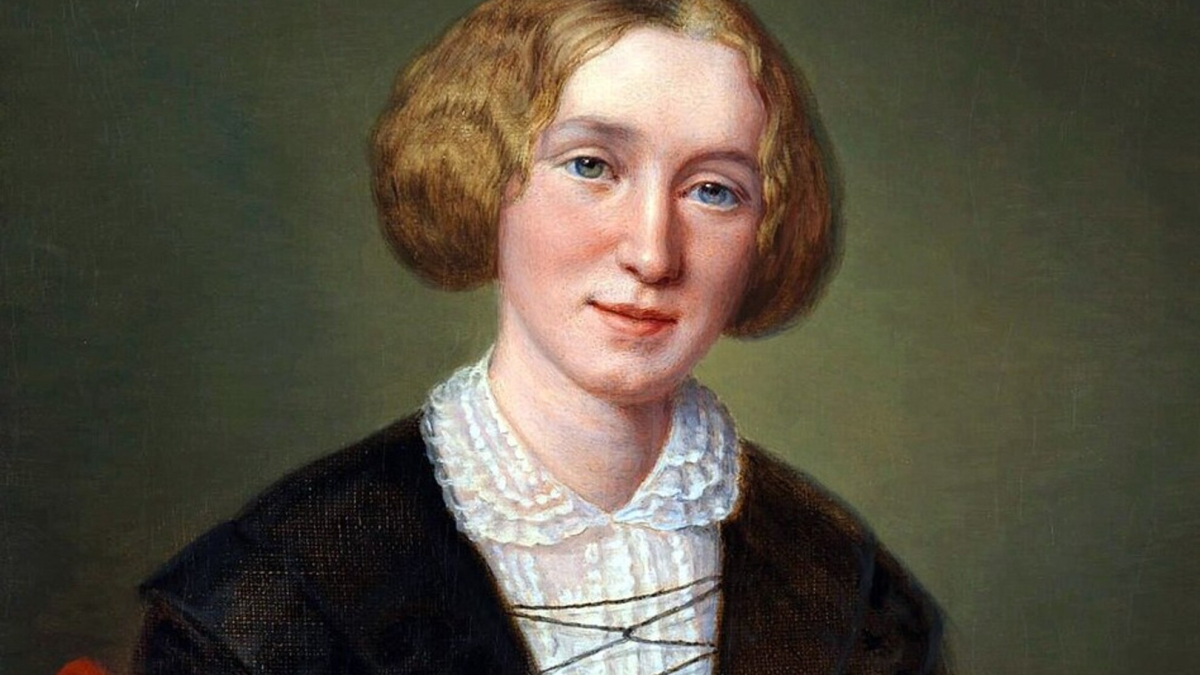
The words “It is never too late to be what you might have been” are among the most recognizable quotations associated with George Eliot .
Yet there’s an important problem with the attribution: researchers haven’t found the sentence in Eliot’s novels, letters, or other known writings.
Quote Investigator traces the earliest known appearance of the wording to an 1881 issue of Literary News, where it was submitted by a reader as part of a collection of supposed “gems” from Eliot . The quotation was printed without a source, and there’s no evidence that Eliot actually wrote or said it.
That mystery is interesting because the sentiment fits Eliot’s reputation as a writer concerned with moral choices and experience.
Born Mary Ann Evans in Warwickshire in 1819, she later moved to London, worked at the Westminster Review and became an intellectual before turning to fiction. She adopted the name George Eliot when her first novel, Adam Bede, appeared in 1859.
Her novels rejected romantic conventions and focused on ordinary people, relationships and difficult social realities. Works including The Mill on the Floss, Silas Marner and Middlemarch established her as a novelist of the Victorian era.
The novelist behind the famous words
Middlemarch, published in installments during 1871 and 1872, is an example of Eliot’s interest in ambition and unrealized potential. Its physician, Tertius Lydgate, is portrayed as an educated reformer determined to modernize medical practice.
Eliot’s own life involved choices that challenged Victorian expectations. Her long partnership with philosopher and critic George Henry Lewes defied social rules, while her career demonstrated how far she could move beyond the world in which she was raised. After Lewes died in 1878, she married John Cross in 1880, but died that year at age 61.
The famous quotation, then, may not belong to George Eliot . Quote Investigator suggests it may have evolved from Adelaide Anne Procter’s 1859 poem “A Legend of Provence,” which includes the line, “We always may be what we might have been.”
Even if the wording isn’t Eliot’s , the words reflect a question that runs through her fiction over how much of a life is shaped by choices and circumstances.