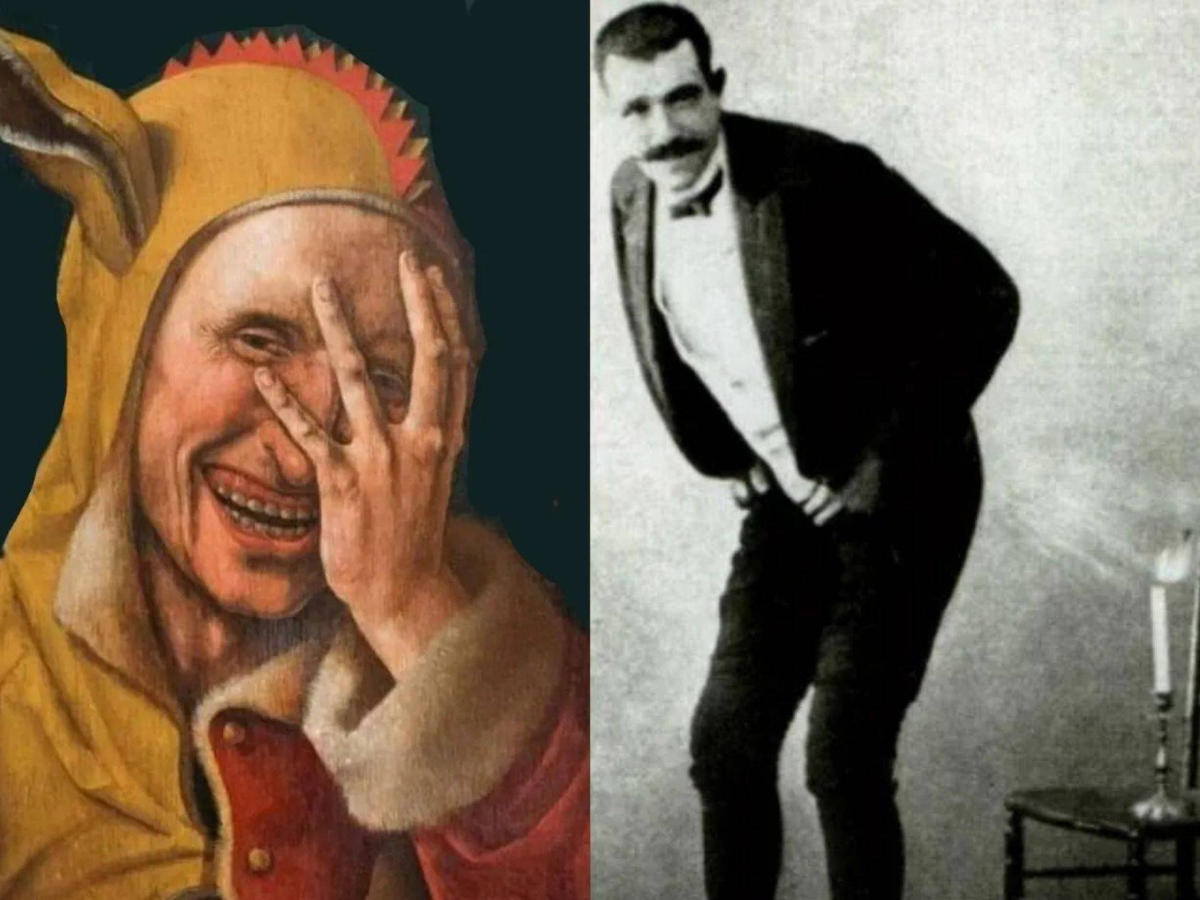
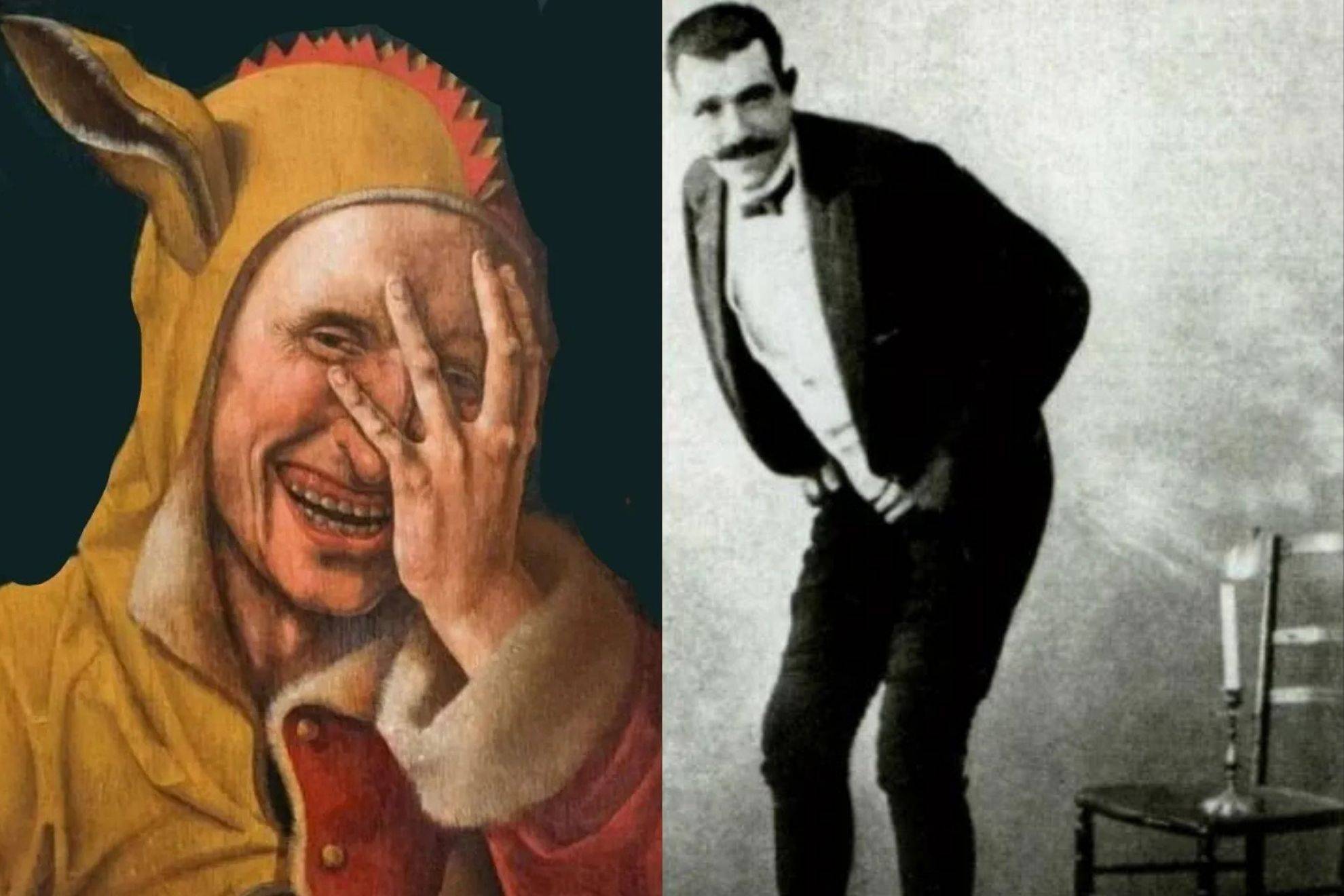
How professional farters turned an embarrassing bodily function into show business
Humanity’s fascination with flatulence goes back thousands of years
Long before viral videos, reality television and comedians competing to shock audiences, some entertainers built their careers around a talent that most people would rather keep private: passing gas.
Professional farters, sometimes known as flatulists or “fartists,” have been making audiences laugh for centuries. And while the subject might seem like the lowest form of comedy, history has some surprisingly distinguished examples of people who turned their digestive abilities into a living and, in at least one case, earned a property grant from an English king.
Humanity’s fascination with flatulence goes back thousands of years. A fart-related joke recorded around 1900 B.C. is often cited as the oldest known joke, demonstrating that bathroom humor has been entertaining people since ancient times. But there is a considerable difference between making a joke about gas and making gas the centerpiece of a paying performance.
Roland the Farter: A royal entertainer with his own manor
One of the strangest examples is Roland le Petour, better known as Roland the Farter, an English entertainer who lived during the 12th century. His unusual talent reportedly earned him a manor, a remarkable reward for a performer whose signature act involved little more than a jump, a whistle and a well-timed burst of flatulence.
Roland’s property was associated with a form of feudal service known as serjeanty, under which land could be granted in exchange for a particular duty to the Crown. According to accounts of his arrangement, he was expected to perform his distinctive routine before King Henry II every Christmas.
The required performance was described as “a jump, a whistle, and a fart.” In other words, Roland had to deliver a three-part comedy routine to maintain his royal privilege. The arrangement is a reminder that medieval entertainment could take some decidedly unconventional forms.
Court jesters and other performers entertained powerful patrons with music, jokes, acrobatics and physical comedy. Roland simply specialized in a skill that few people would have thought worthy of a royal reward. His success, however, apparently did not last forever. Later accounts suggest that Henry III , who succeeded Henry II, disapproved of the performance and revoked Roland’s property grant.
The story has circulated for centuries, although some details of the arrangement and its eventual termination remain difficult to establish with certainty. Still, Roland’s reputation endured. Long before anyone coined the modern term “influencer,” he had become memorable enough to earn a place in the history of professional flatulence.
Le Pétomane: The French performer who turned farting into an art
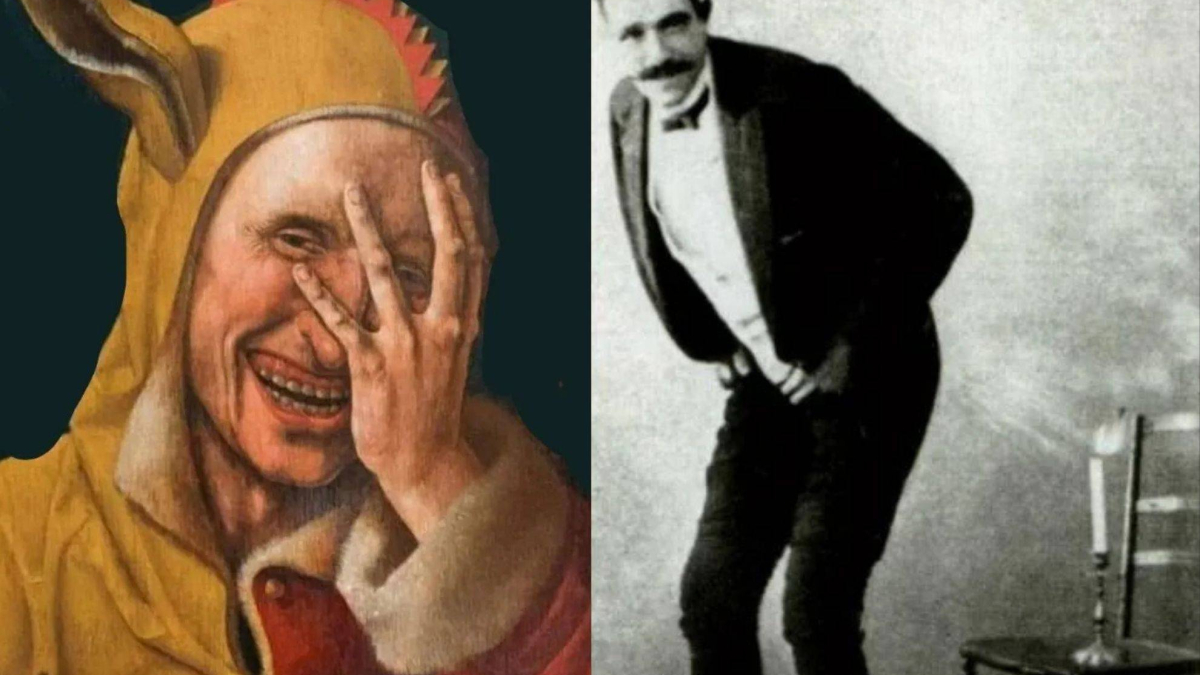
Centuries after Roland, another entertainer took the business of passing gas to an entirely different level. Joseph Pujol, a French performer known professionally as Le Pétomane, became a sensation in the late 19th and early 20th centuries. His stage name was a play on the French word pétomane, meaning someone who specializes in flatulence.
Unlike Roland, whose fame rested largely on historical accounts, Pujol performed before paying audiences and became a celebrated attraction in Paris. Pujol discovered that he could control the movement of air through his rectum and produce an extraordinary range of sounds. He initially demonstrated his ability to friends, who encouraged him to turn the unusual talent into a public act. He eventually reached the stage at the Moulin Rouge, one of Paris’ most famous entertainment venues.
There, he transformed what might have been a crude party trick into an elaborate comedy performance.
Pujol’s repertoire included imitations of different kinds of flatulence, from the timid sound attributed to a young girl to the nearly silent version associated with a bride on her wedding night. He also demonstrated his ability to extinguish candles with gas and, according to accounts of his act, smoke a cigarette using his anus.
For a finale, he would direct his flatulence through an ocarina, a small wind instrument, to perform musical numbers, including “O Sole Mio.”
The spectacle was more than a novelty. Audiences paid to see him, and his popularity made him one of the era’s most unusual stage celebrities. His success also helped establish flatulence as a form of theatrical entertainment at a time when variety shows and music halls thrived on eccentric performers.
Pujol’s act was so distinctive that it later inspired the character of Le Petomane in Mel Brooks’ 1974 Western comedy Blazing Saddles. The character’s appearance in the film introduced the name to a new generation of audiences, although the movie’s version was a comic adaptation rather than a documentary portrayal of Pujol’s life.
From royal courts to the Moulin Rouge
The careers of Roland and Pujol reveal an unlikely continuity in entertainment history: audiences have long been willing to pay for performers who can make them laugh through bodily functions. The circumstances, however, were very different.
Roland’s story belongs to a world in which royal favor could mean land, status and a livelihood. Pujol worked in a commercial entertainment industry where a performer’s success depended on selling tickets and attracting public attention.
Both men also benefited from the element of surprise. Flatulence is an everyday bodily function, but turning it into a controlled performance requires an unusual combination of timing, showmanship and, in Pujol’s case , remarkable physical control.
That does not mean every story about professional farters should be taken at face value. Historical anecdotes can become embellished as they are retold, and claims about earnings, audiences and royal arrangements sometimes outlive the evidence supporting them.