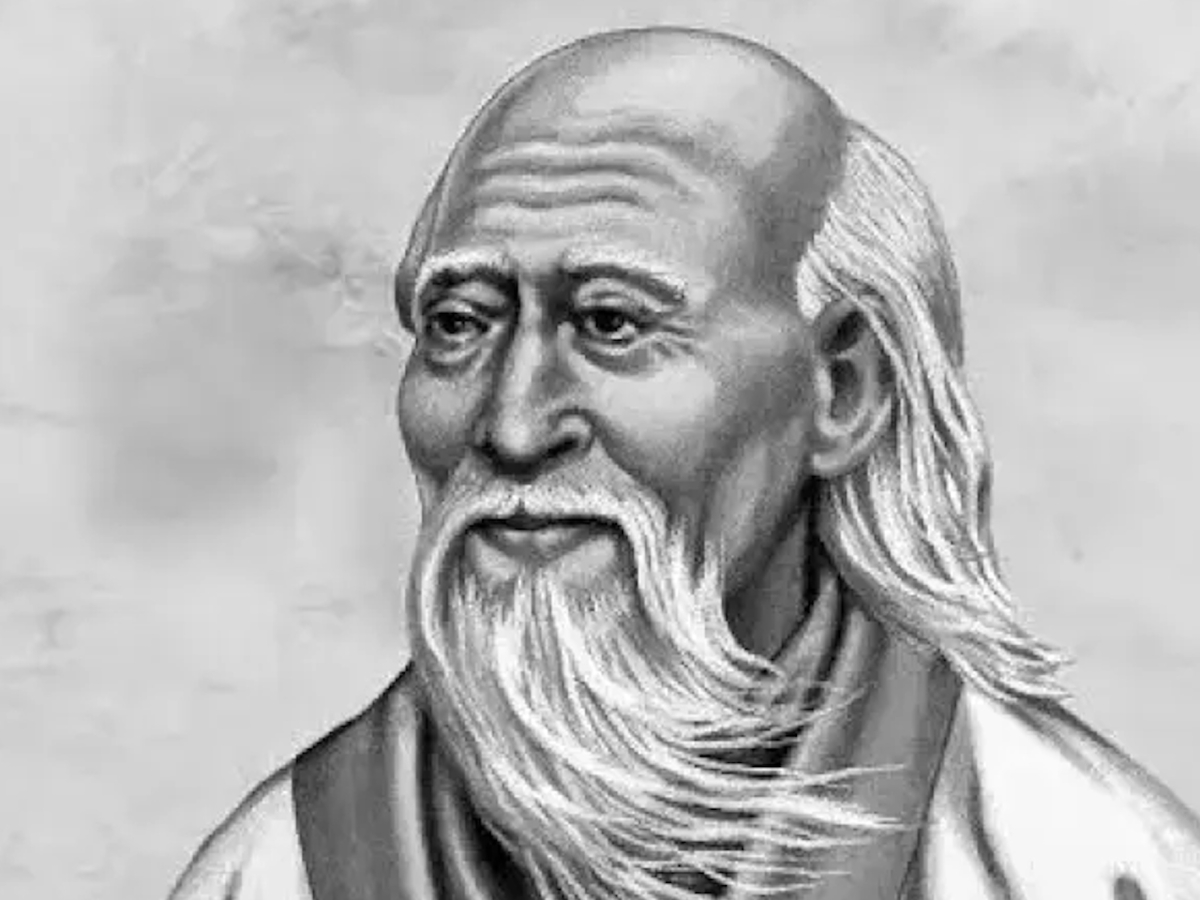
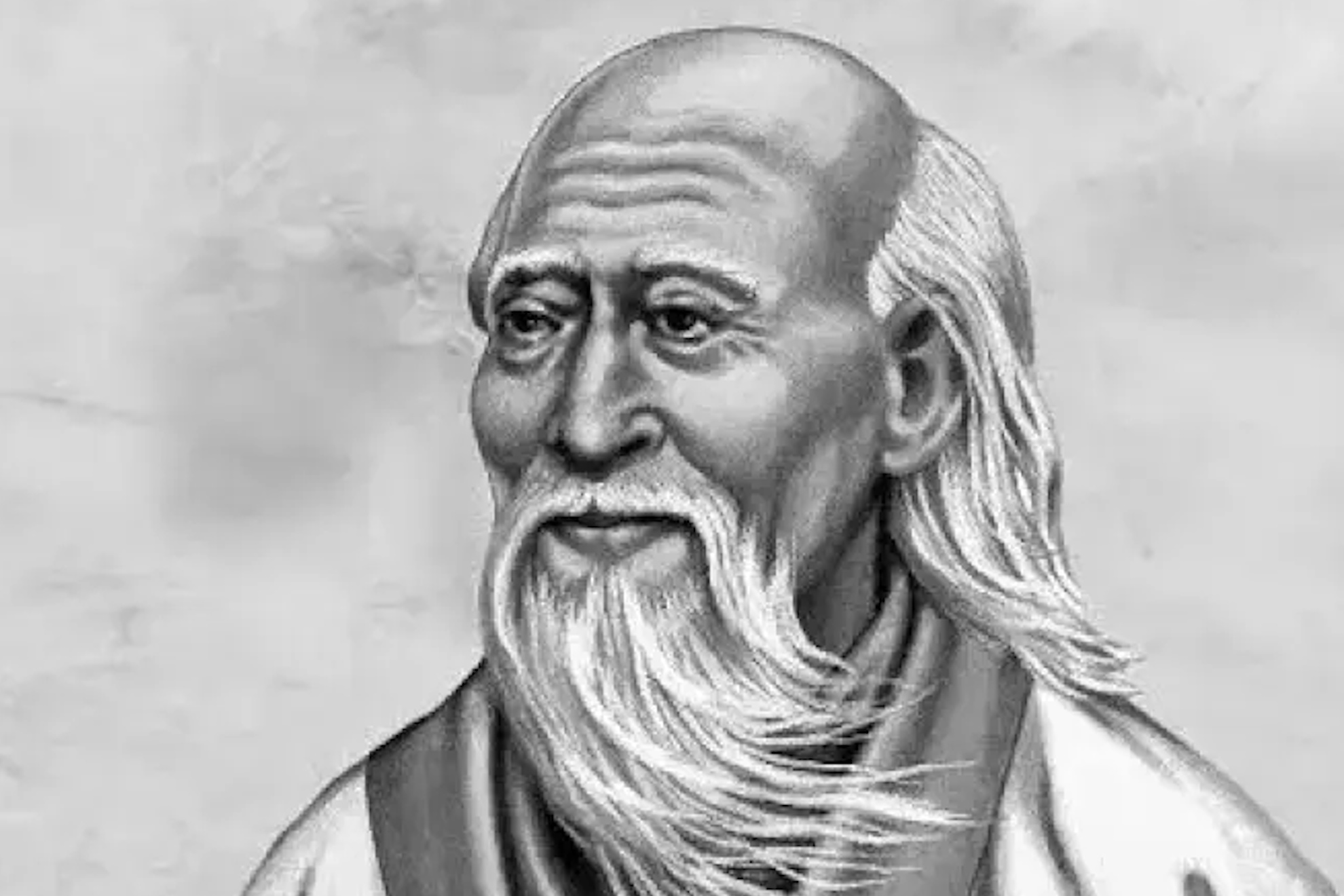
Lao-Tzu, Chinese philosopher: "He who obtains has no peace; he who gives finds joy"
The search for an authentic life can find echoes in the philosophy of Lao-Tzu, who proposes that living in harmony with the Tao guides us in facing everyday dissatisfaction.
"In a world where the pursuit of happiness becomes a constant labyrinth, many feel trapped in the need to obtain , to accumulate, believing that this will bring them peace. However, it is in this striving that deep frustration and loneliness arise, resulting in a cycle of dissatisfaction. The experience that obtaining brings nothing but emptiness leaves the human being in a state of restlessness. The pressure for others' approval intertwines with the fear of making mistakes, increasingly complicating the direction of our lives.
Lao-Tzu's work "Tao Te Ching" suggests that true joy lies in the act of giving. This reflection invites us to reconsider our human nature: by giving, we find meaning and connection, transforming the self-centered pursuit into an experience of fulfillment and inner peace. By adopting this perspective, the challenge of living in a world that prioritizes acquisition over generosity is revealed, outlining a path toward personal and emotional balance .
He who obtains has no peace. He who gives finds joy.
The philosophy of Lao-Tzu and his teachings on action and harmony
Lao-Tzu, also known as Lao Tzu, is a Chinese philosopher traditionally regarded as the founder of Taoism , a school of thought that has endured throughout history. His figure is enigmatic, and his historical existence is a matter of debate, with some scholars suggesting that he may be more myth than reality. He is credited with the authorship of the "Tao Te Ching," a fundamental work that encompasses themes such as individual spirituality and practices of governance, thus marking a milestone in Chinese and world philosophy.
Lao-Tse's thought is expressed in concepts such as the "Tao," which symbolizes the universal way and harmony with nature, and "wei-wu-wei," which refers to action through inaction . These ideas contrast with those of his contemporary Confucius, who emphasized morality and the rigidity of rituals. Furthermore, the duality of yin and yang, present in his work, resonates with other Eastern thinkers, highlighting the need for balance in life. Lao-Tse invites reflection on the place of the human being in the cosmos, proposing a constant search for harmony and connection with one's surroundings.