Leonardo da Vinci, Painter and engineer: "Nothing strengthens authority so much as silence"
Widely circulated under the Renaissance master’s name, this enduring observation on quiet command carries a fascinating historical backstory, and a timeless lesson for modern leaders
Few maxims capture the psychology of leadership as succinctly as the famous line, “Nothing strengthens authority so much as silence.”
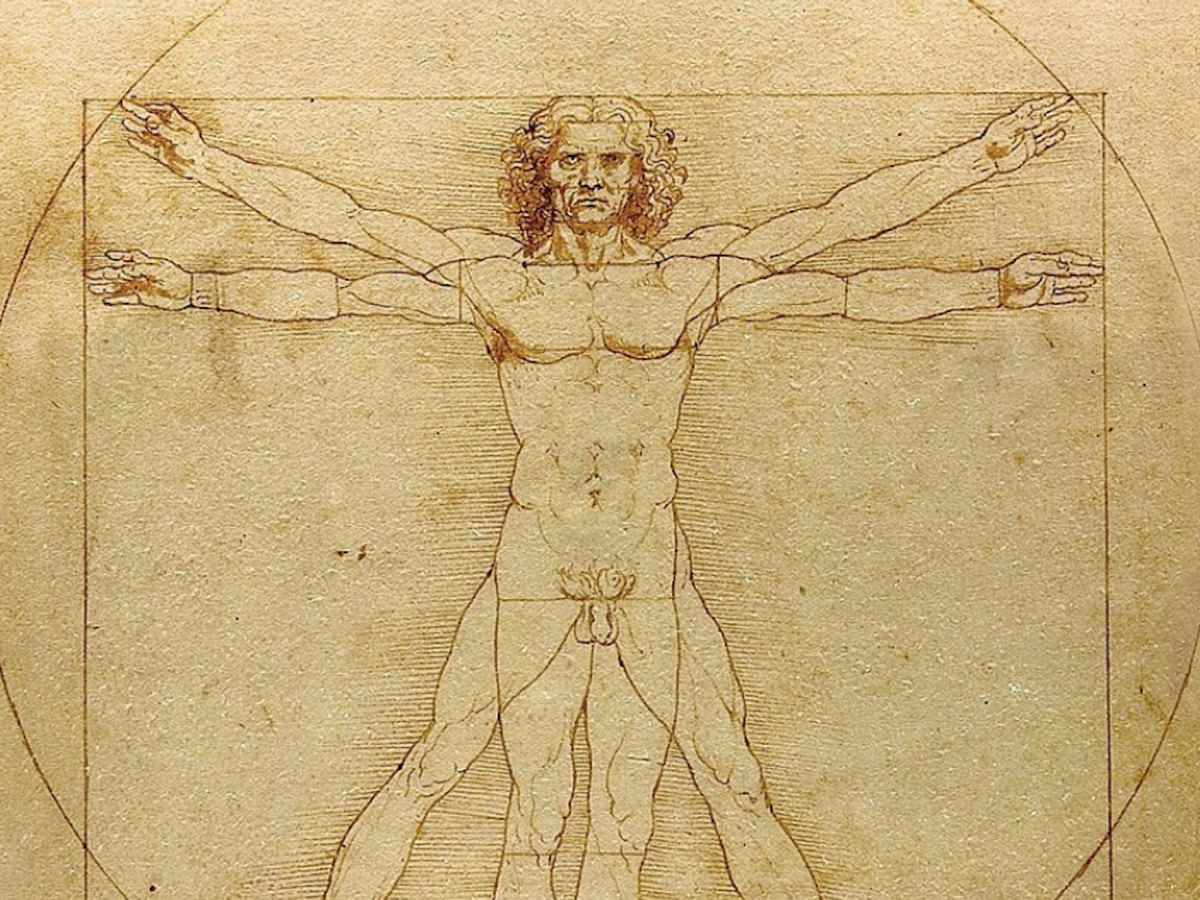
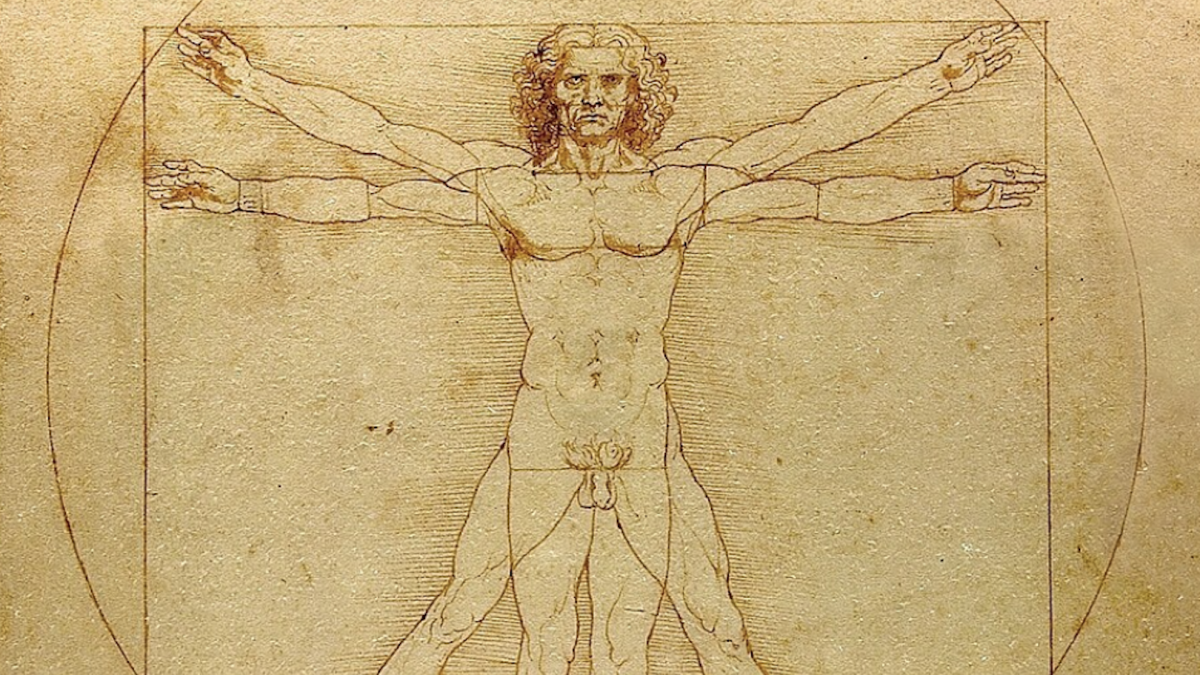
Across quote compilations, executive coaching seminars, and social media feeds, the observation is routinely credited to Leonardo da Vinci , the Italian Renaissance painter, anatomist, and engineer behind masterpieces like the Mona Lisa and The Last Supper .
Regardless of who first put pen to paper, the insight endures because it runs counter to an almost universal human instinct: when tension rises or credibility is tested, most people rush to fill the air with explanations, defenses, or boasts.
True authority rarely needs to announce itself at full volume. In boardrooms, negotiations, and everyday conversations, constant talking often signals nervousness or a desperate need for validation.
By contrast, a leader who listens intently and pauses before responding projects composure, self-mastery, and deliberate thought. Silence creates space for others to reveal their priorities, forces impulsive arguments to lose momentum, and ensures that when a person finally chooses to speak, every word carries unmistakable weight.
The surprising true author behind a quote often credited to da Vinci
Interestingly, historical research shows that the quote’s famous association with Leonardo da Vinci is a modern mix-up.
According to linguistic and historical sleuthing by Quote Investigator, no surviving manuscript or notebook from the Florentine polymath, who died in 1519, contains the remark.
Instead, the phrase originated more than four centuries later with French military commander and future president Charles de Gaulle .
In 1931, de Gaulle published an essay on leadership in the French military journal Revue Militaire Française, later incorporating it into his 1932 book Le Fil de l’épée (The Edge of the Sword).
Writing in French, he argued that restraint in speech elevates a commander’s presence, observing that silence serves as both a shield for the cautious and a hallmark of the strong.
When French author André Maurois cited de Gaulle’s passage in his 1939 book Un art de vivre, translated into English in 1940 as The Art of Living, the wording crystallized in English as, “Nothing strengthens authority so much as silence.”
Leonardo’s name only became attached to the saying in the early 2000s, appearing in a 2004 letter to The Washington Post before spreading rapidly across quote databases and trivia books.
There is a fitting irony in the misattribution: a statement about the quiet power of authority gained even greater cultural reach by borrowing the prestigious name of one of history’s greatest minds.
Even though Leonardo did not coin the exact sentence, his life and notebooks reflected a similar respect for quiet observation over empty rhetoric. Known for guarding his private reflections in mirror-script journals and trusting direct experimentation over loud boasts, he understood that real mastery speaks through results rather than noise.
In an age dominated by nonstop commentary, practicing strategic silence remains one of the surest ways to command respect.