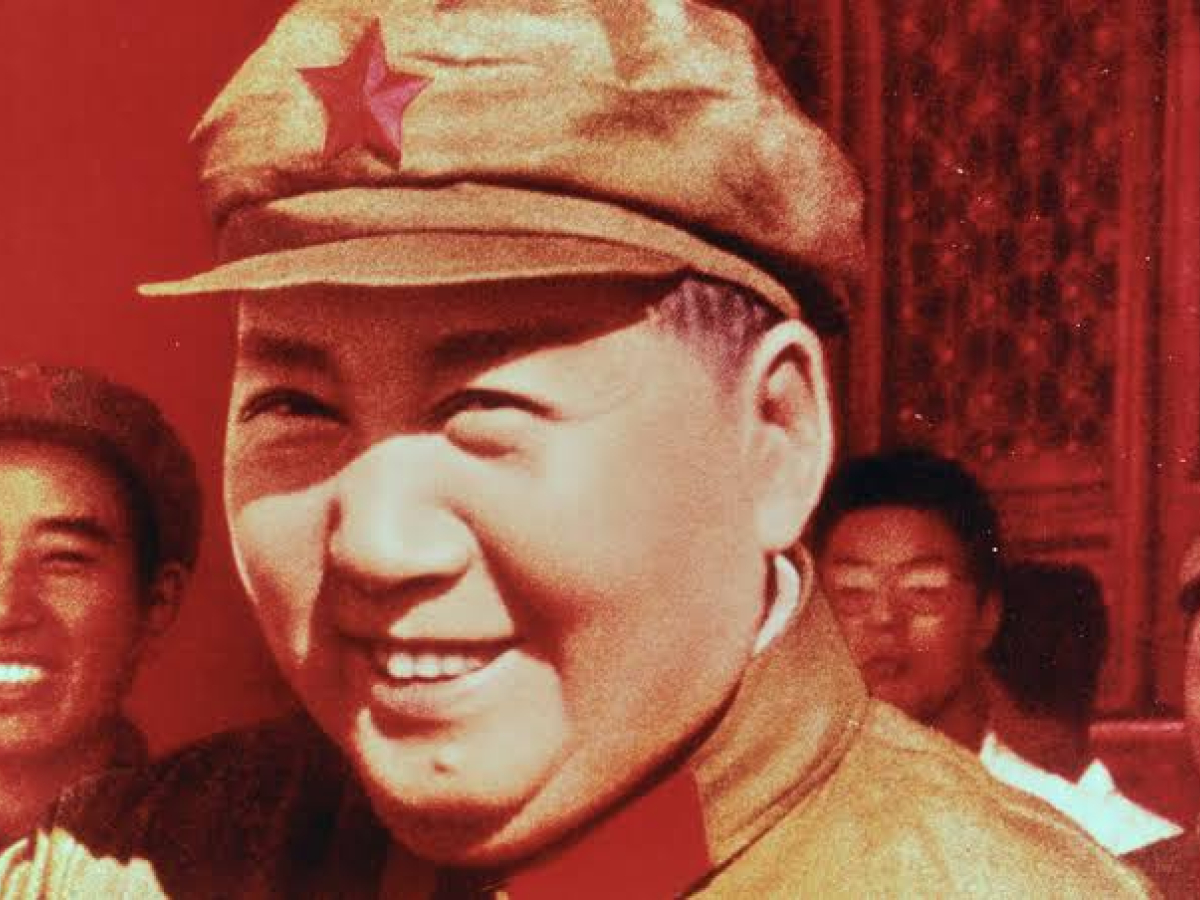
Mao Zedong, founder of Communist China: "Our people's democratic dictatorship requires the use of coercive force against the oppressors"
In 1949, he defended the use of state coercion against those considered enemies of the revolution in his text "On the People's Democratic Dictatorship"
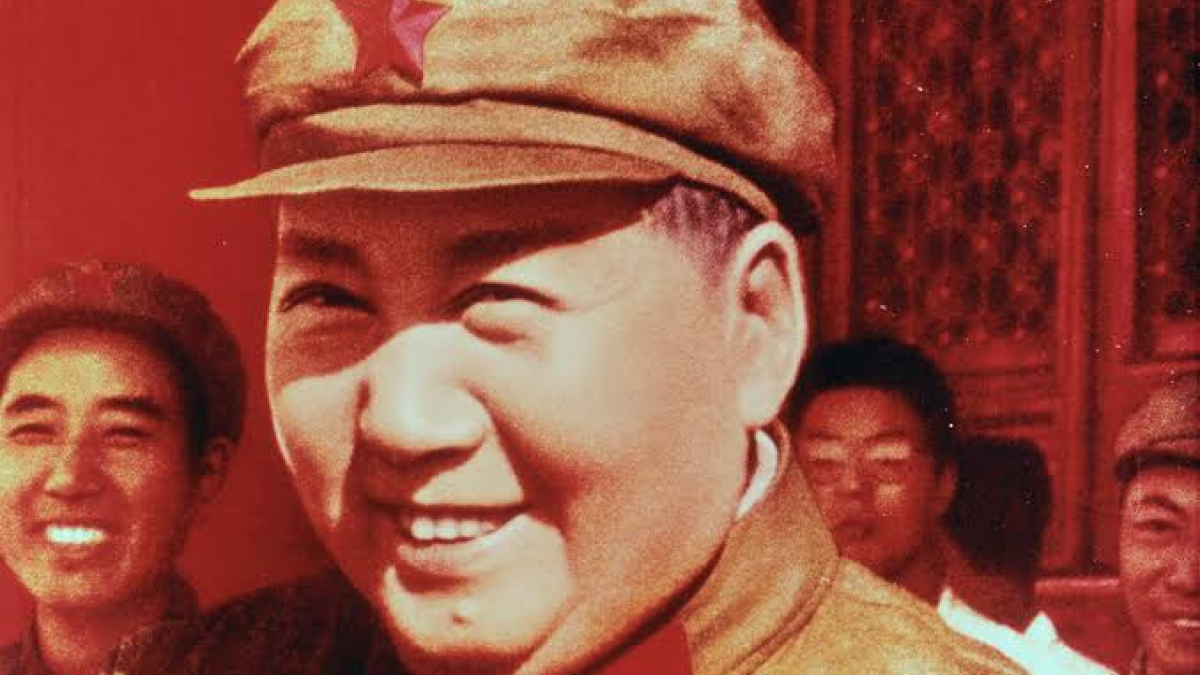
M ao Zedong , founder of the People's Republic of China and principal leader of the communist revolution in the Asian country, openly defended the use of state force against those he considered enemies of the revolution. In his text " On the People's Democratic Dictatorship ," published on June 30, 1949, the leader justified coercion against the groups that opposed the new political and economic order he sought to establish.
" The people's democratic dictatorship requires the use of coercive force against the oppressors ," reads the quote that summarizes one of the central ideas of his political thought. The original text, published on the occasion of the twenty-eighth anniversary of the Communist Party of China, sets out his view on the role of the State , class struggle, and the repression of the sectors he considered reactionary.
Mao maintained that the new State had to be led by the working class and based on the alliance between workers and peasants. From that perspective, he considered it legitimate to use state mechanisms to repress those who resisted the country's socialist transformation.
In the document, the leader also defended the need to strengthen the army, the police, and the people's courts in order to consolidate political power and protect the interests of the new regime. His approach distinguished between democracy which, according to his interpretation, was to be applied within the people, and the dictatorship that was to be exercised over the groups considered enemies of the revolution.
Mao Zedong and the justification of political repression
The text makes it possible to understand how Mao justified the exercise of state power in the period immediately prior to the proclamation of the People's Republic of China . For the communist leader, the repression of groups opposed to the revolution was not incompatible with his conception of democracy , since he believed that both mechanisms were aimed at different recipients.
"We never applied a policy of benevolence toward reactionary activities of the reactionaries and the reactionary classes," he wrote in the same document. Instead, he advocated the use of democratic methods to resolve differences within the group he identified as the people.
This distinction between those who were to be part of the new political order and those who were excluded from it was fundamental to his conception of the State. The text provided for measures such as arrests, convictions, and the deprivation of certain rights for those considered counterrevolutionaries.
The defense of these coercive mechanisms must be situated in the context of the Chinese Civil War, which pitted the Communist Party of Mao against the Kuomintang , led by Chiang Kai-shek . After years of conflict, the communists consolidated their victory on mainland China and proclaimed the People's Republic of China on October 1, 1949. The nationalist government withdrew to Taiwan , where it maintained its own political regime.