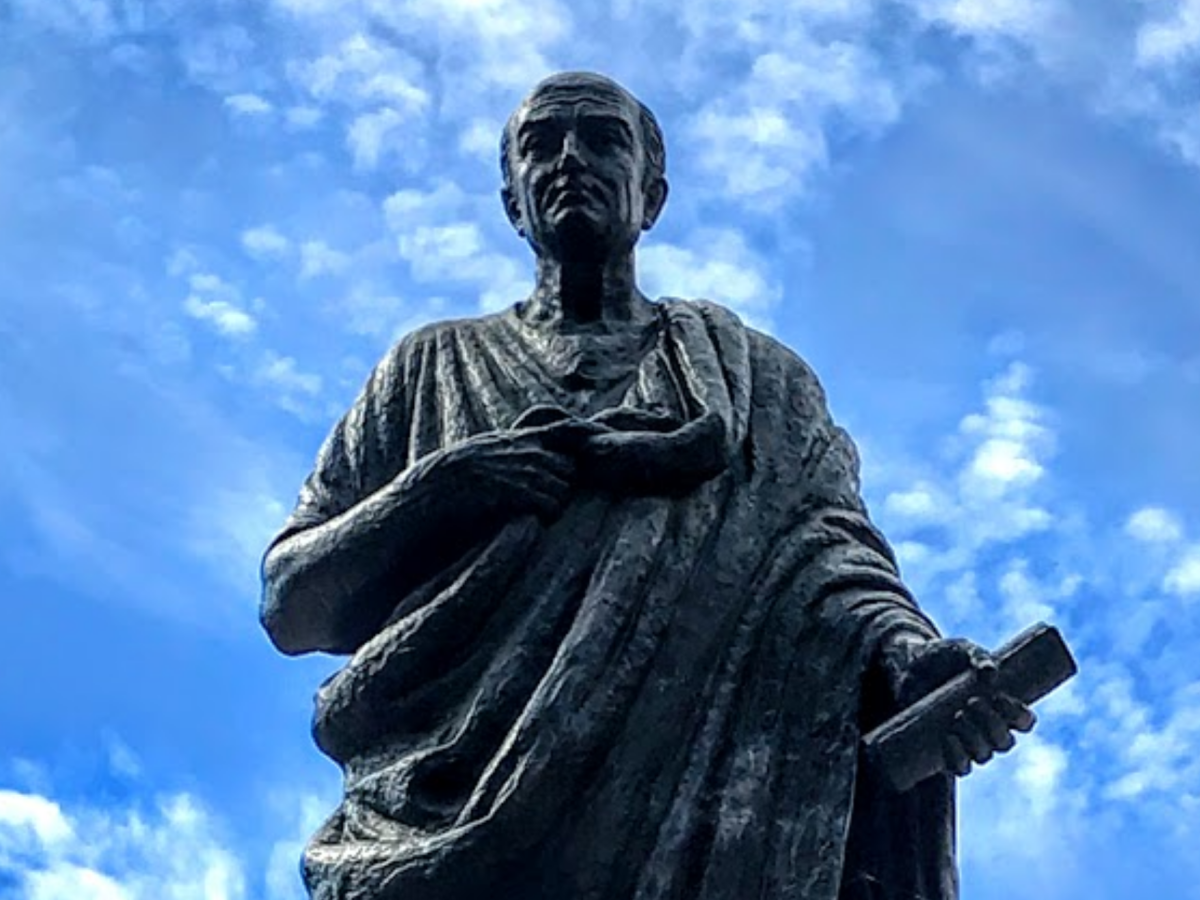
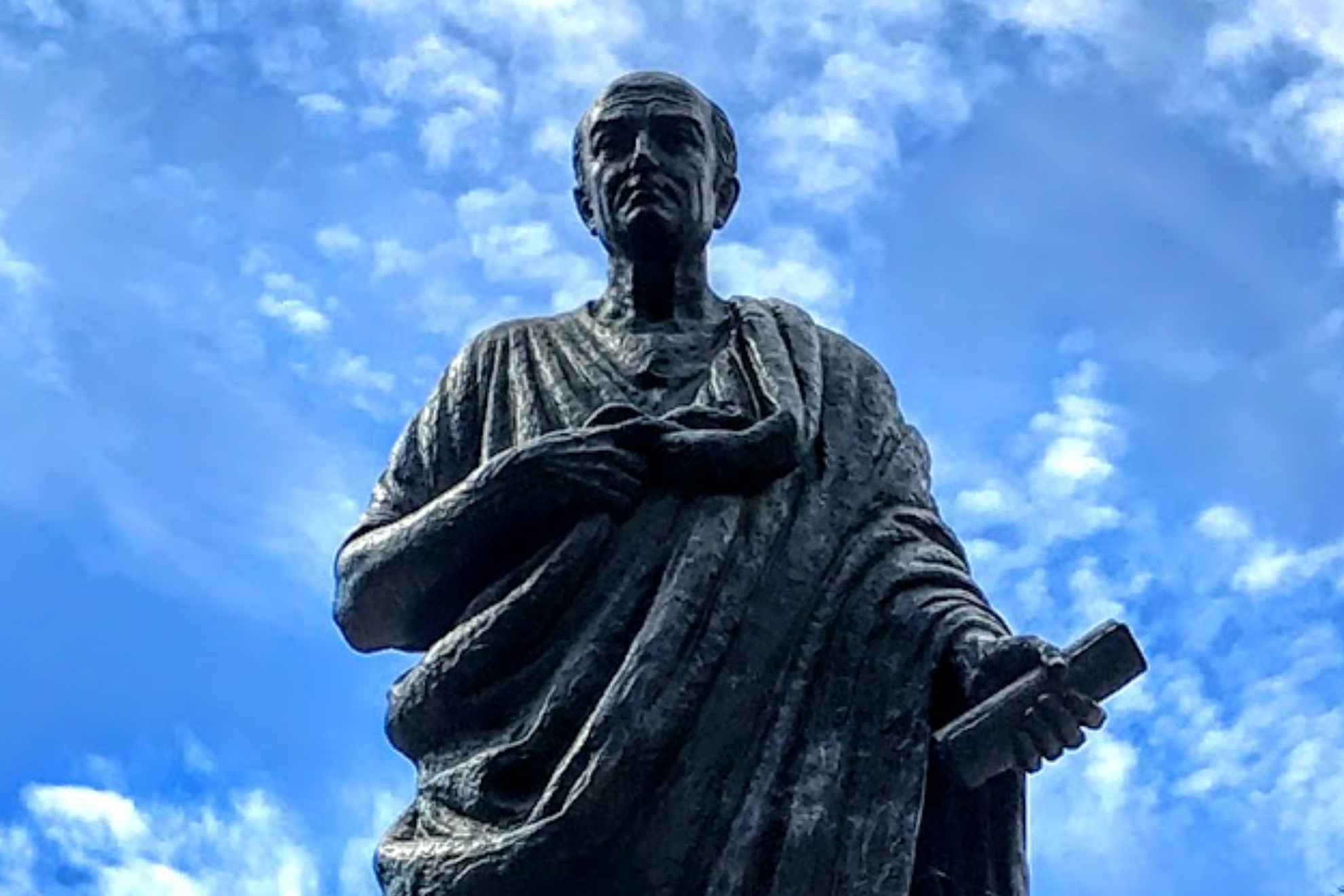
Seneca, philosopher: "The whole future lies in uncertainty; live immediately"
The Roman philosopher believed constantly waiting for a better tomorrow could prevent people from appreciating the time they already have
People spend much of their lives preparing for what comes next. They work toward promotions, save for retirement, plan important milestones and convince themselves that happiness will arrive once their circumstances finally improve.
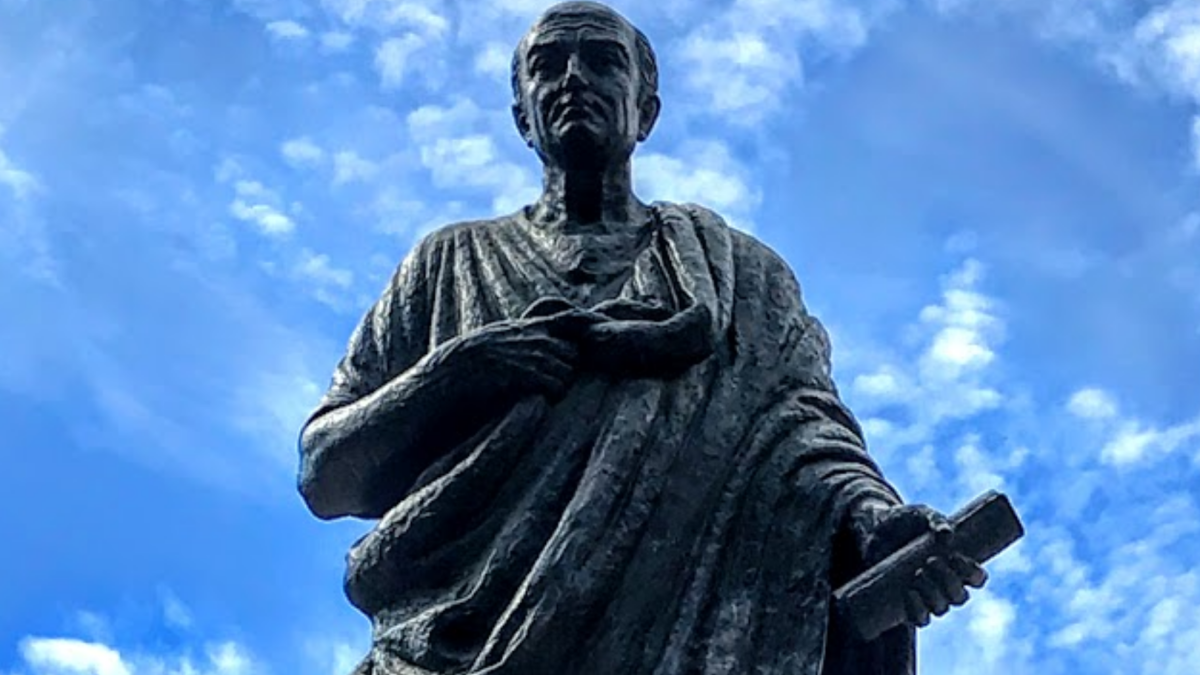
Yet Seneca , the Roman philosopher and one of the most influential figures in Stoicism, believed that constantly looking toward the future carried an overlooked danger: allowing the present to disappear without ever truly experiencing it.
His warning was captured in a remarkably direct statement: "The whole future lies in uncertainty: live immediately."
Written almost two millennia ago, the message challenges the assumption that life can safely be postponed until people achieve financial security, professional success or some imagined moment when everything falls into place.
Seneca expressed this idea in On the Shortness of Life, a philosophical work examining why people so often feel they have insufficient time.
His argument wasn't simply that human life is brief. Rather, he believed people frequently squander the time available to them by becoming consumed with obligations, ambitions and expectations.
In one passage, Seneca wrote: "The greatest obstacle to living is expectancy, which hangs upon tomorrow and loses today."
He was criticizing the tendency to treat the present as merely preparation for a future that nobody can guarantee.
That distinction is central to understanding his philosophy. Seneca was not suggesting that people should abandon responsibilities, reject long-term goals or behave recklessly.
Instead, he encouraged individuals to recognize that planning for tomorrow shouldn't come at the expense of living meaningfully today.
Waiting for happiness was a mistake
Seneca 's philosophy developed within the Stoic tradition, which emphasizes reason, self-discipline and recognizing the difference between circumstances people can influence and those beyond their control.
The future, by its nature, contains countless uncertainties. Careers can change unexpectedly, relationships evolve, and personal plans are vulnerable to events nobody can fully anticipate.
Allowing happiness to depend entirely on achieving particular outcomes therefore places personal fulfillment at the mercy of circumstances that may never materialize.
Seneca 's alternative was to place greater importance on how people spend their time now, including their relationships, responsibilities and personal development.
His argument also highlights the difference between productive ambition and endless postponement. Working toward something meaningful can enrich life, but continually delaying satisfaction until the next achievement risks creating an exhausting cycle.
Why Seneca's advice remains relevant 2,000 years later
Modern life offers countless opportunities to postpone personal fulfillment, particularly when professional demands and financial pressures make the future seem more important than the present.
People may delay reconnecting with loved ones, pursuing interests or making necessary changes because they believe a more convenient moment will eventually arrive.
Seneca 's warning encourages a different approach to recognize what matters and make room for it within the life already being lived.
This doesn't require dramatic decisions or abandoning sensible plans. Small actions, meaningful conversations and greater attention to everyday experiences can reflect the same principle.
The philosopher's enduring lesson is that preparing for the future has value, but time itself cannot be saved indefinitely.
Tomorrow may bring new opportunities, but today remains the only moment in which people can act.