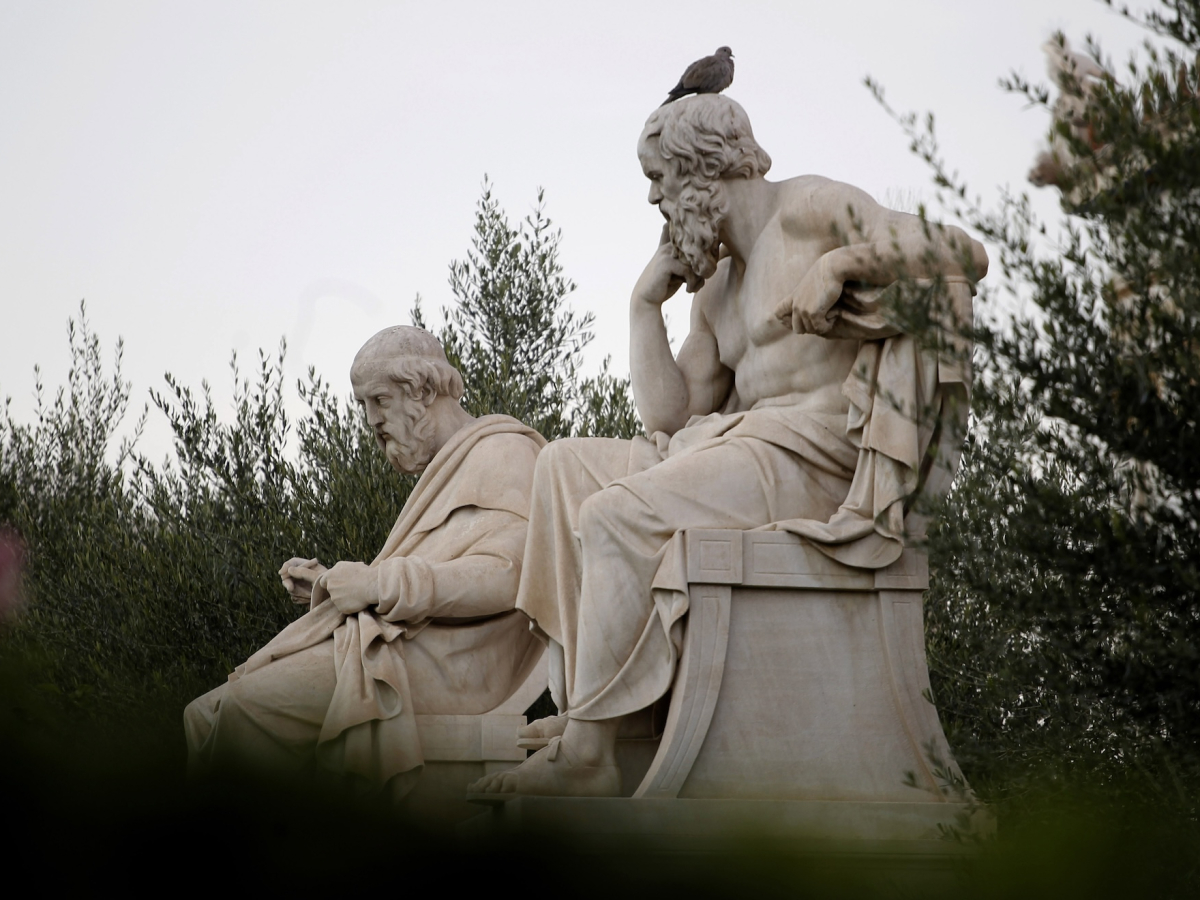
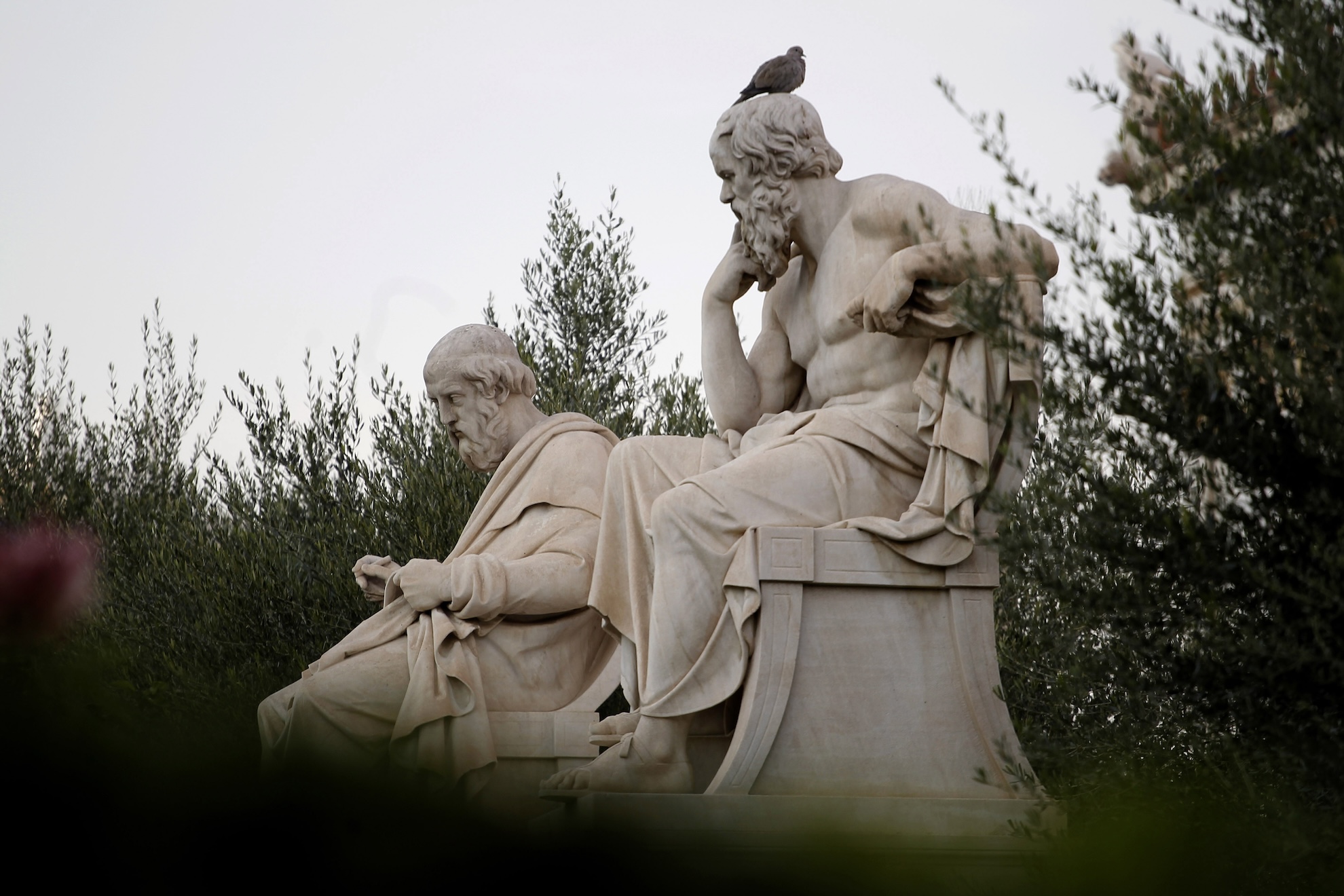
Socrates, Greek philosopher: "He is richest who is content with the least, for content is the wealth of nature"
More than 2,400 years later, his philosophy still questions whether endless accumulation can ever produce real satisfaction
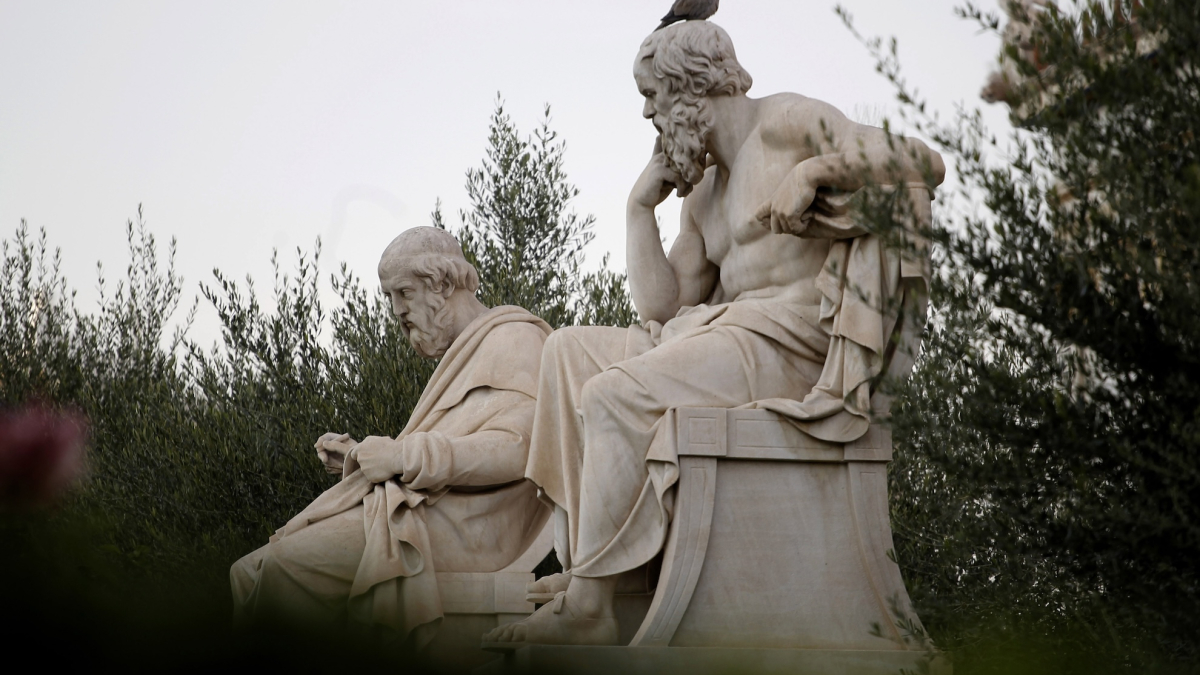
Socrates lived in a city that prized status, influence and public success, yet he became famous for questioning whether any of those things could produce a genuinely good life.
The Athenian philosopher, born around 470 BCE, left no written works of his own. Most of what is known about him comes from figures such as Plato and Xenophon , whose accounts portray a man who lived simply and cared far more about virtue than material comfort.
That philosophy is neatly captured in a line often attributed to Socrates : “He is richest who is content with the least, for content is the wealth of nature.”
The quote doesn't suggest that poverty is desirable or that ambition is pointless. Its deeper challenge is aimed at dependence, and the idea that happiness must constantly be purchased, upgraded or expanded.
Socrates measured wealth by independence
Socrates repeatedly argued that character mattered more than possessions. His life reflected that position. Ancient accounts describe him wearing simple clothing, living modestly and refusing to treat philosophy as a route to financial success.
That independence mattered because it allowed him to question powerful people without needing their approval.
The more a person depends on status, luxury or external validation, the easier it becomes for those things to influence their choices. Socrates ’ version of wealth therefore begins with freedom from unnecessary wants.
Contentment, in that sense, isn't resignation. It's the ability to recognize when enough is genuinely enough, rather than moving endlessly from one desire to another.
That distinction also explains why the quote remains relevant in a culture where comparison is constant. A person can accumulate more money, possessions and recognition while still feeling perpetually behind someone else. Socrates offers a different scoreboard.
Why the least can still mean having more
Someone who is satisfied with what is necessary has access to a form of wealth that cannot easily disappear with a market downturn, job change or loss of social status.
Socrates placed particular value on friendship, knowledge, virtue and the examined life. None of those things can be reduced neatly to a bank balance.
His philosophy ultimately centered on understanding what was truly good rather than simply pursuing what looked desirable. That principle carried enormous consequences.
In 399 BCE, Socrates was sentenced to death after being convicted of impiety and corrupting the youth of Athens, yet he refused to abandon the beliefs that had defined his life.
His enduring influence comes partly from that consistency. And it remains powerful because it challenges one of the most persistent assumptions about success: that having more must always make life better.
Socrates suggested the opposite may sometimes be true. Real wealth, in his view, begins when possessions stop deciding whether a person feels complete.