Stonehenge: one of history’s best kept secrets
For thousands of years, the mystery has remained standing
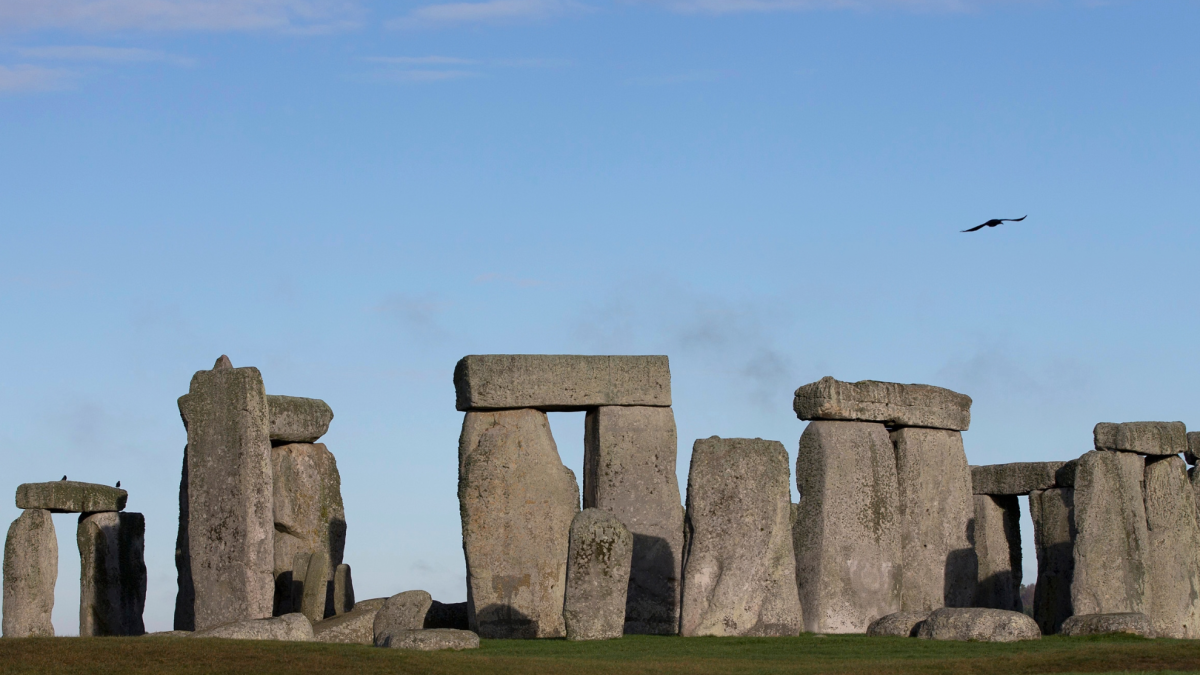
It seems as if history itself wanted to hide the true story behind one of the most famous archaeological sites on the planet. Stonehenge remains one of history’s greatest enigmas, with multiple theories surrounding its purpose, construction and the people who built it . The debate could continue for as long as the stones have stood on Salisbury Plain.
Located in southern England, Stonehenge was built by ancient Britons around 4,600 years ago, but those who created it left no written records explaining what the monument was meant to represent . That absence has allowed different theories and legends to grow around the site over the centuries. National Geographic notes that Stonehenge has been linked to everything from Druids and Romans to the legend of Merlin .
According to Arthurian folklore, the monument was created by Merlin, the legendary wizard associated with King Arthur. The story claims that Merlin magically transported the massive stones from Ireland, where giants had supposedly assembled them.
A monument built over centuries
Archaeological research has changed much of what was once believed about Stonehenge. The monument was not built all at once. Its construction began around 5,000 years ago with a circular earthwork before later stages introduced the massive stones that define the site today.
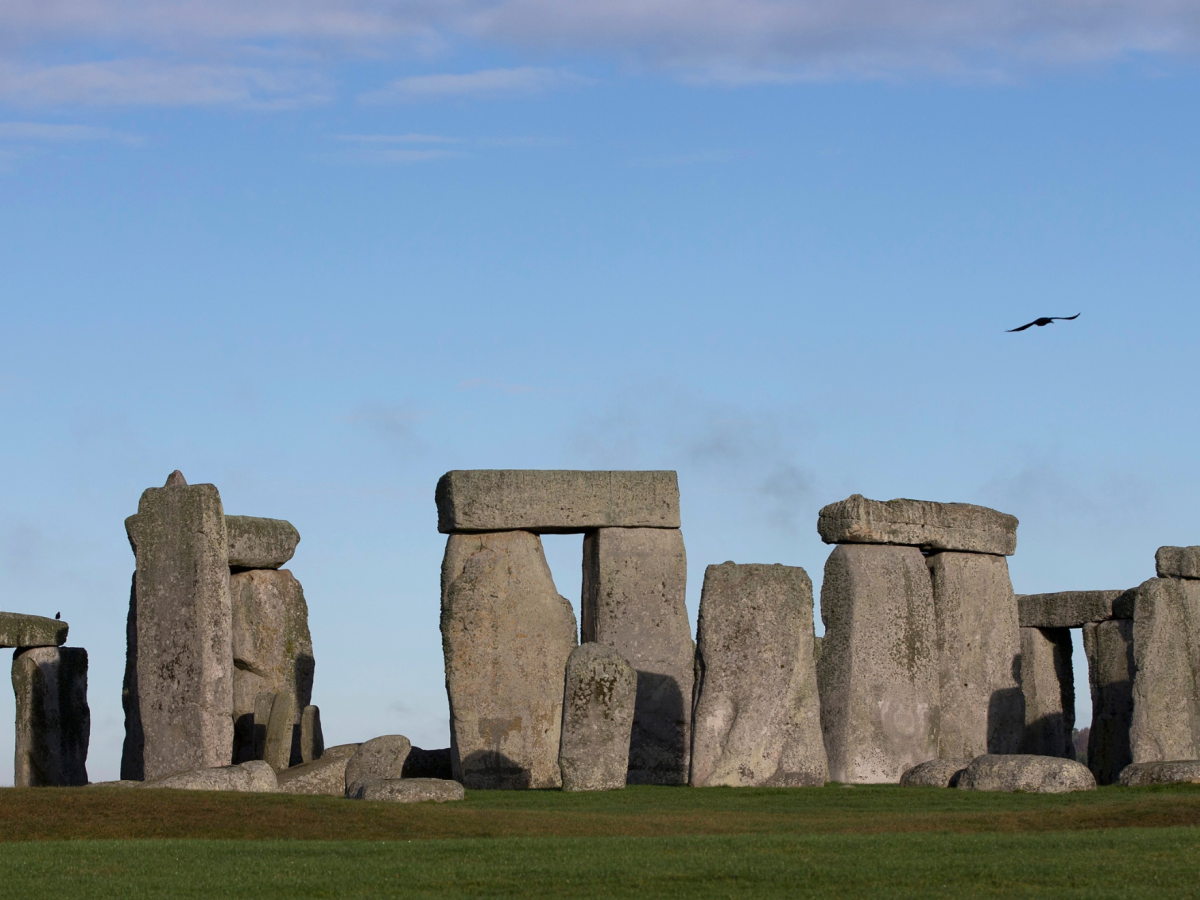
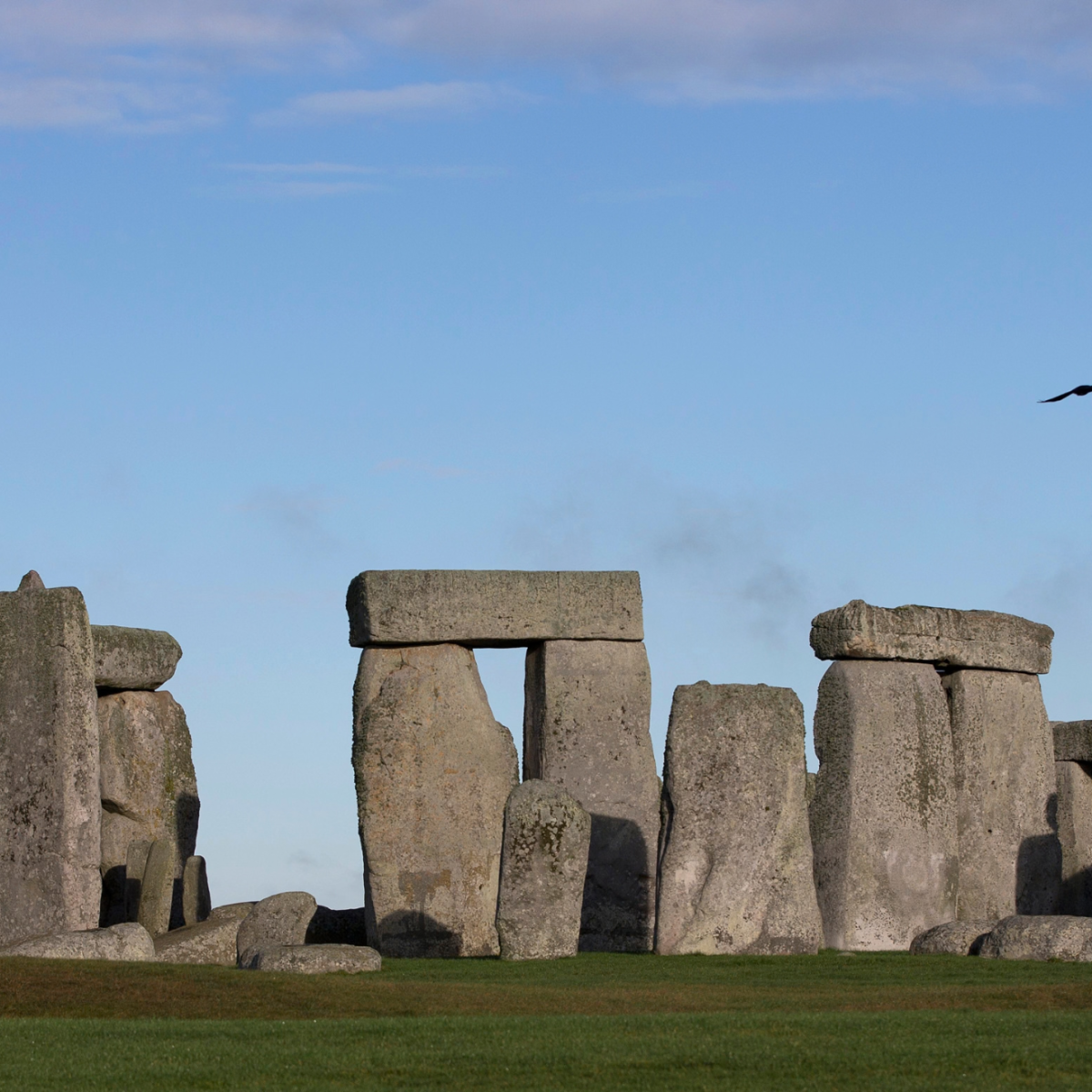
Inside the circle are five trilithons, each formed by two standing stones with a large lintel placed across the top, creating a horseshoe-shaped arrangement. Around 2600 B.C., about 80 bluestones from Wales were incorporated into the monument and rearranged several times. Centuries later, larger sarsen stones were added, with some weighing around 25 tons and transported roughly 19 miles to Salisbury Plain. It has been estimated that constructing Stonehenge required well over 20 million hours of work.
Chemical analysis has also traced the Altar Stone, the largest of the non-sarsen stones, to Scotland, around 466 miles away. The distance traveled by some of the stones remains one of the questions surrounding how prehistoric communities were able to build the monument.
The purpose remains the biggest question
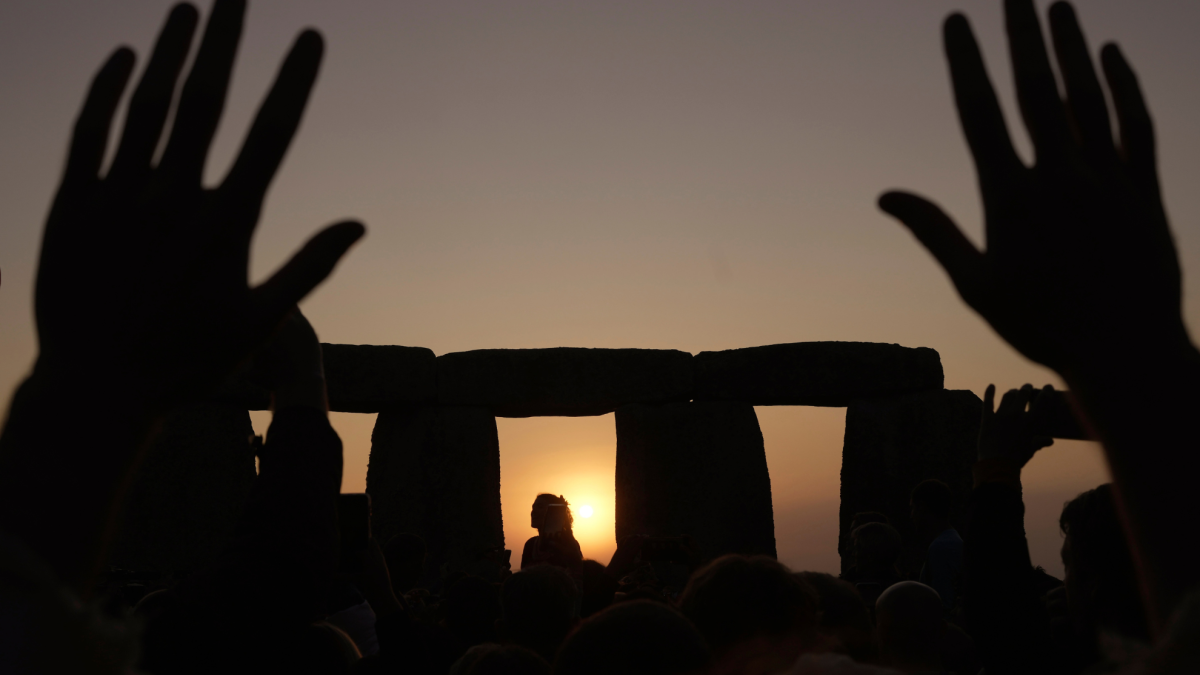
The reason Stonehenge was built is still debated . Some interpretations connect the monument to religious ceremonies, while others focus on its relationship with the sun, moon and astronomical events. Its alignment with the summer and winter solstices has led researchers to consider whether the site was used to follow seasonal changes or as a form of ancient calendar.
Other theories point toward healing or ancestor worship. Research led by archaeologist Mike Parker Pearson has connected Stonehenge with nearby Durrington Walls and suggested that the two sites represented different domains, with Stonehenge associated with the dead and the wooden circle with the living. Evidence of cremated human remains also supports the idea that the area had an important connection with death and ritual.
Part of a much larger landscape
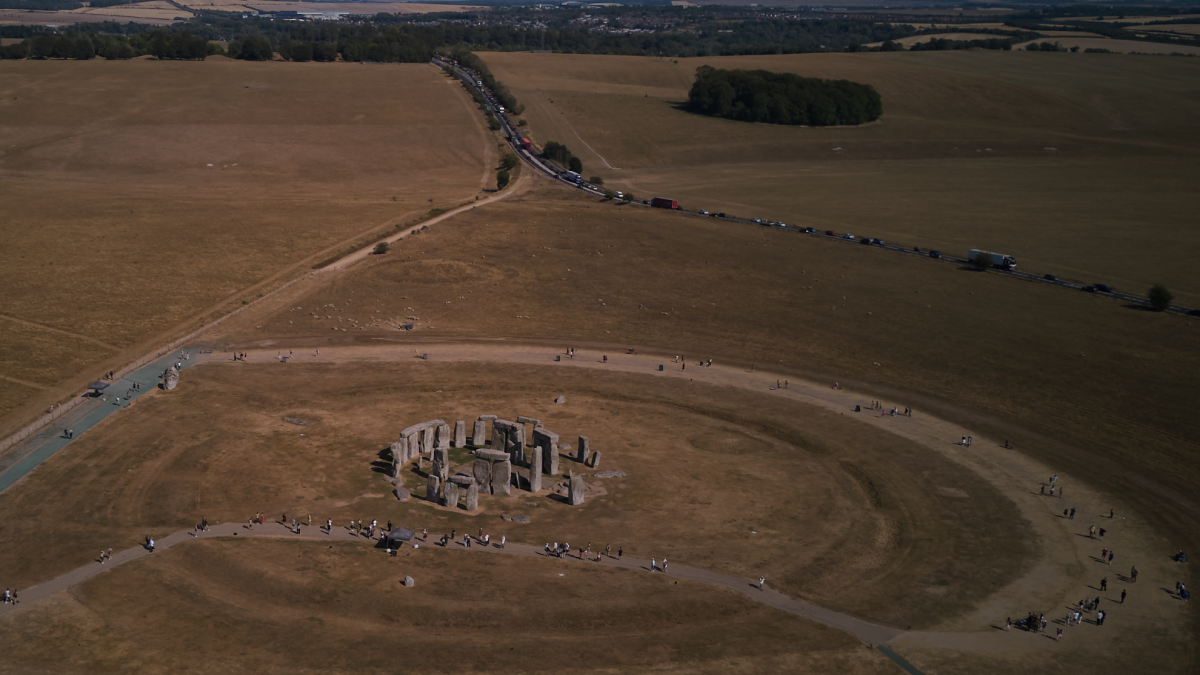
Stonehenge was also part of a much larger prehistoric landscape that included avenues, settlements and burial sites . Archaeological work has shown that people traveled from different parts of Britain to the area, suggesting the monument attracted communities from far beyond Salisbury Plain. That is what makes Stonehenge so difficult to define. Researchers have uncovered clues about how it was built, where some of its stones came from and how people used the surrounding landscape, but t he exact meaning behind the monument remains open to debate.
Thousands of people travel to Stonehenge every year, drawn by the mystery surrounding its history, the legends that have grown around it and the curiosity of discovering what its builders intended. The question of why ancient communities went to such lengths to construct it continues to give the site a place in history that remains difficult to explain. For now, the stones continue to stand where they have for thousands of years, leaving behind enough evidence to keep historians searching for the story that their builders never wrote down.