The alleged secret code of the Great Pyramid of Giza that could reveal what it was built for
A researcher claims that the dimensions of the pyramid conceal mathematical and astronomical relationships
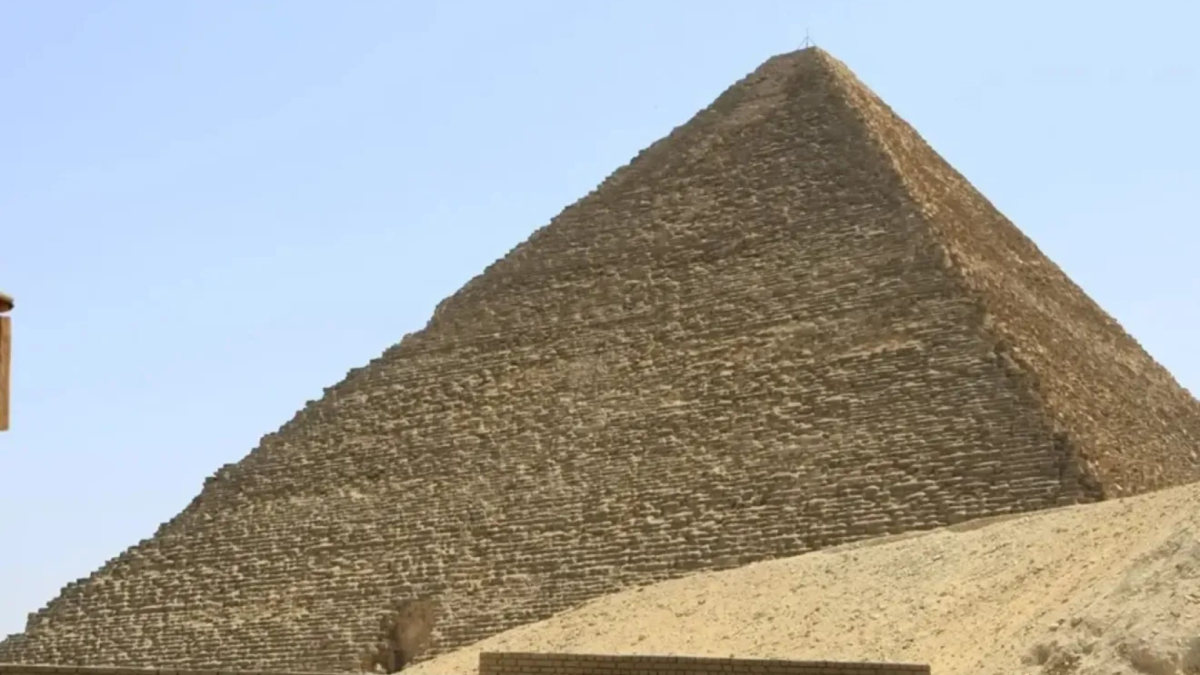
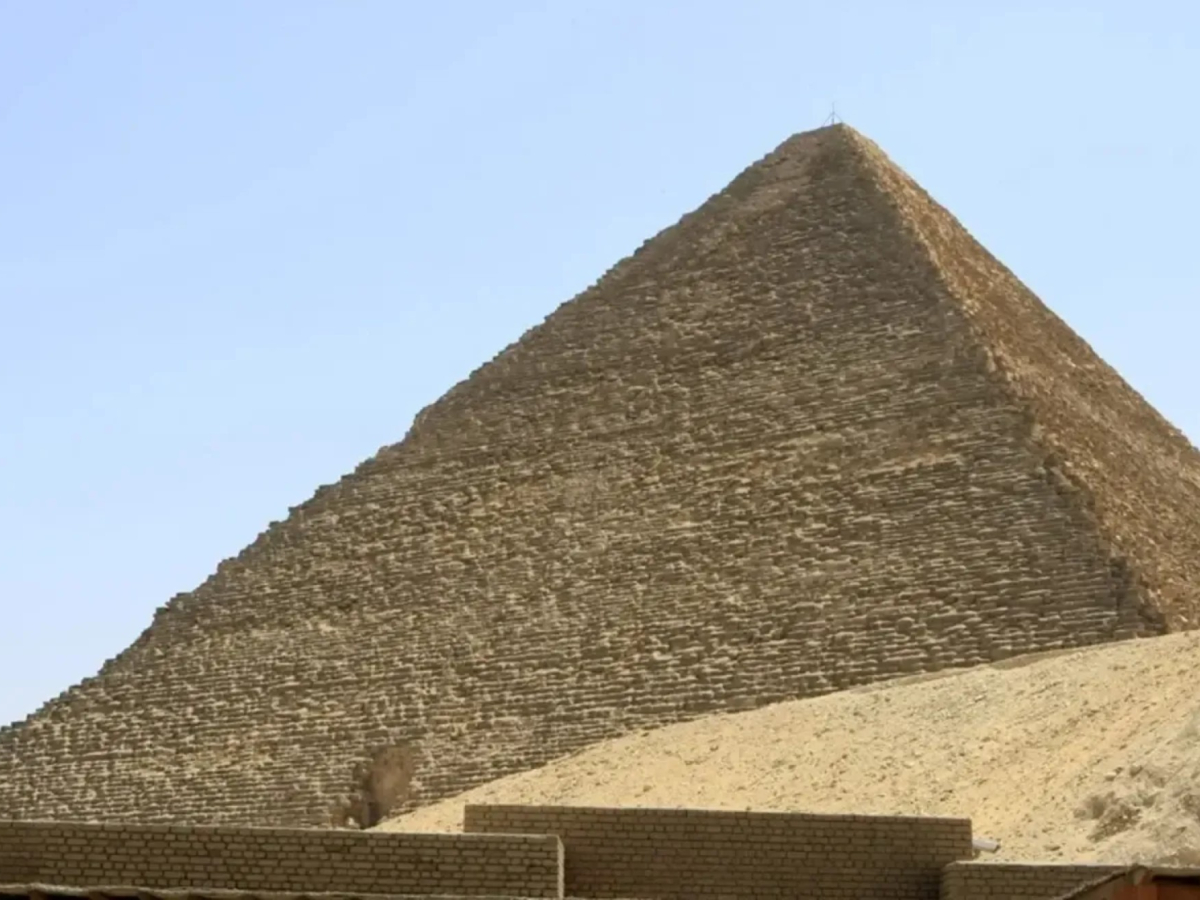
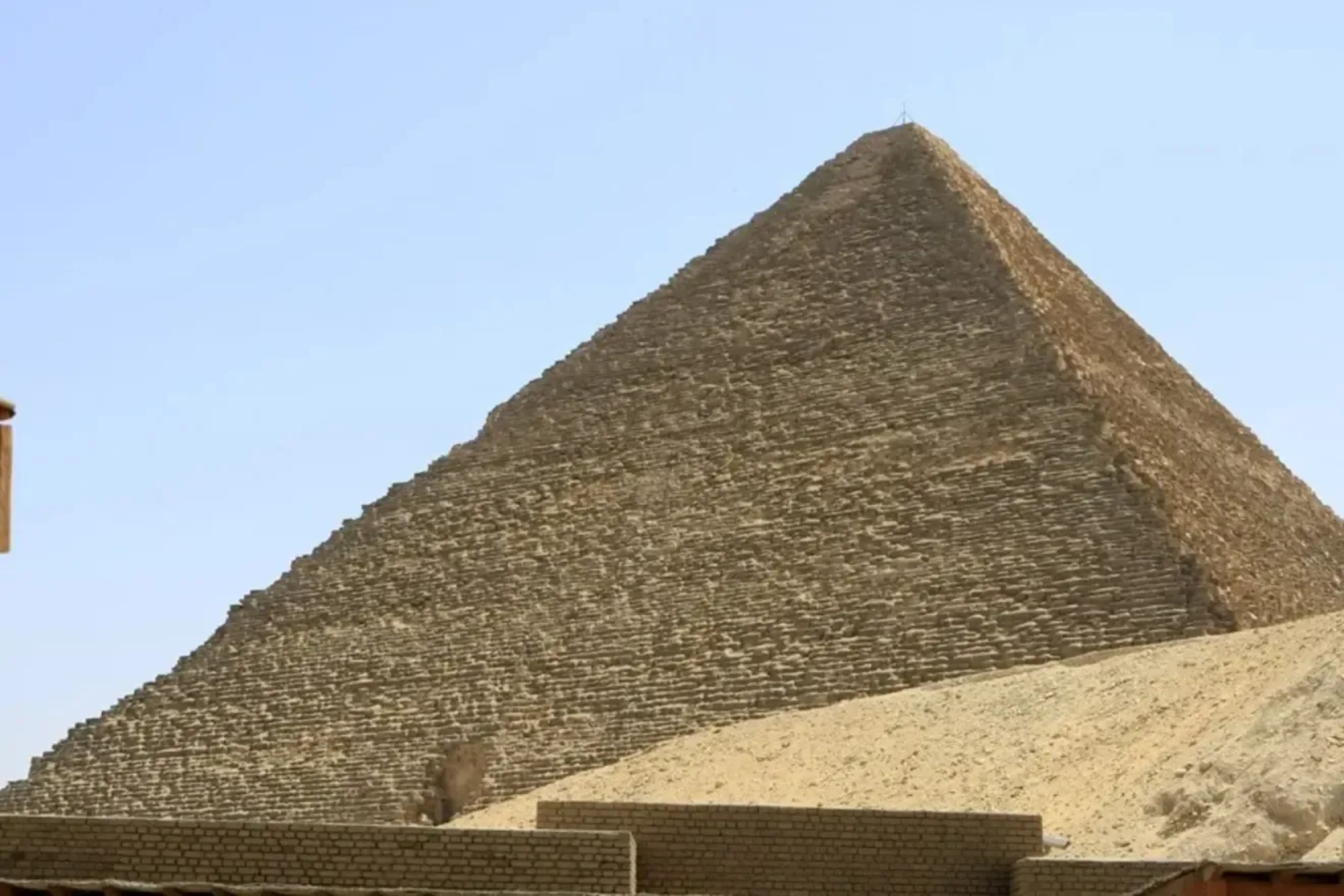
T he Great Pyramid of Giza has spent more than 4,500 years defying those who try to explain all its secrets . Although the most widely accepted interpretation is that it was built during the reign of Pharaoh Khufu as part of a funerary complex, new research raises a different possibility: that its very dimensions conceal a mathematical system related to the way the ancient Egyptians understood the universe.
"The hypothesis comes from Sefy Levy, an independent researcher who has analyzed different measurements of the structure and its proportions. His conclusion is striking: the pyramid may have been conceived not only as a funerary monument, but also as a physical representation of knowledge related to time, space, and celestial movements.
A pyramid transformed into a huge mathematical code
The method used by Levy starts from known measurements of the Great Pyramid, such as the length of its base and its height. The researcher applies to them fractions used in the mathematics of ancient Egypt and obtains figures that, according to his interpretation, bear similarities to certain astronomical phenomena.
One of the standout results comes close to 27.55 days, a figure very close to the interval between two consecutive lunar perigees, that is, the period between two moments when the Moon reaches its maximum proximity to Earth.
The researcher also finds relationships that, according to his analysis, bear similarities to cycles associated with planets visible from Earth, including Saturn, Jupiter, Venus, and Mars. Added to this are the well-known geometric approximations of some of the pyramid's proportions to the number pi and the golden ratio.
Levy's interpretation goes beyond a simple mathematical coincidence. In his view, the builders may have used the architecture of the pyramid to preserve for thousands of years a representation of their knowledge about the cosmos. The construction would thus be a kind of “stone memory.”
The proposition, however, should be taken with caution. The work has not yet undergone scientific peer review, so its conclusions cannot be considered a proven explanation of the monument's original purpose