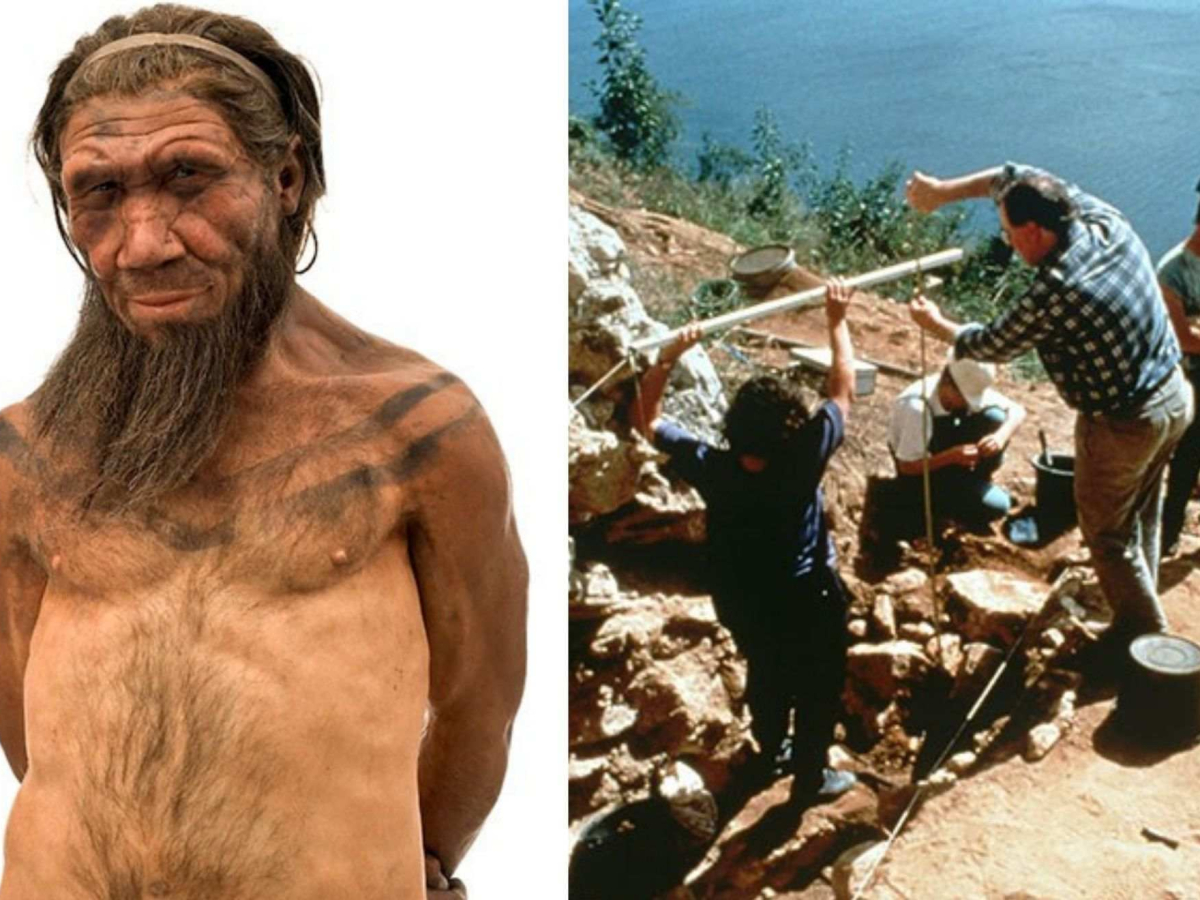
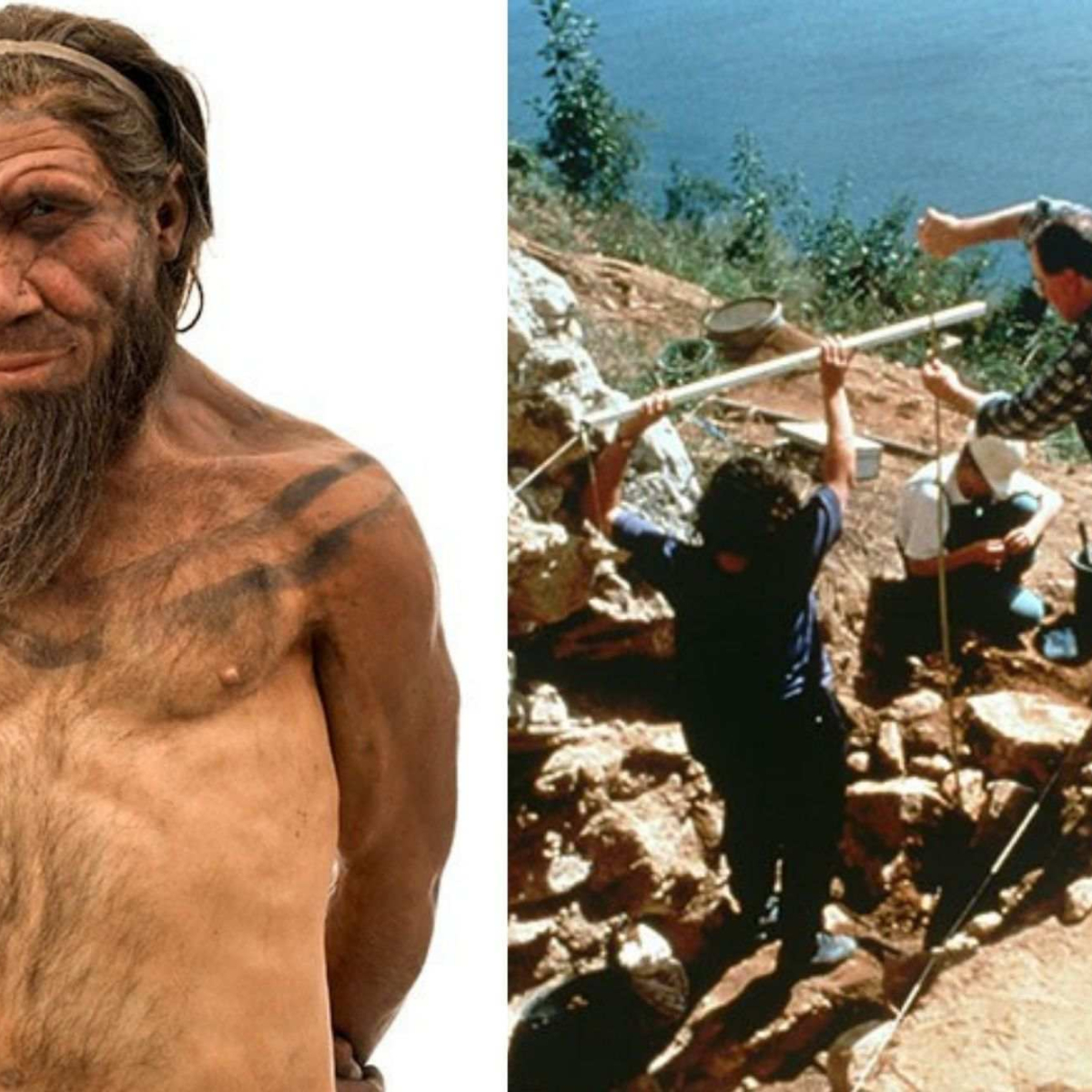
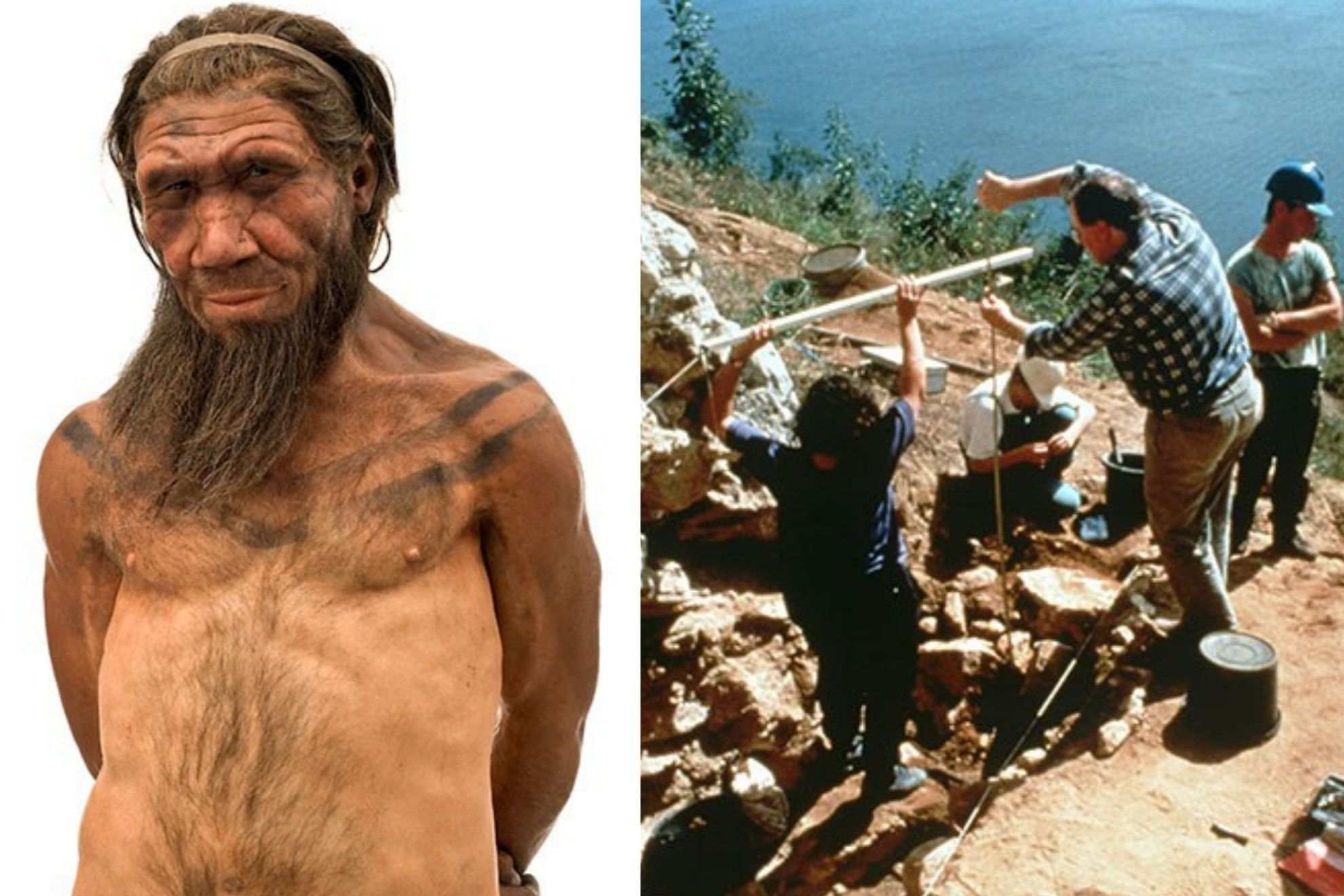
The first Neanderthal discovery sparked some truly wild theories
The confusion began even before the famous Neander Valley discovery in Germany
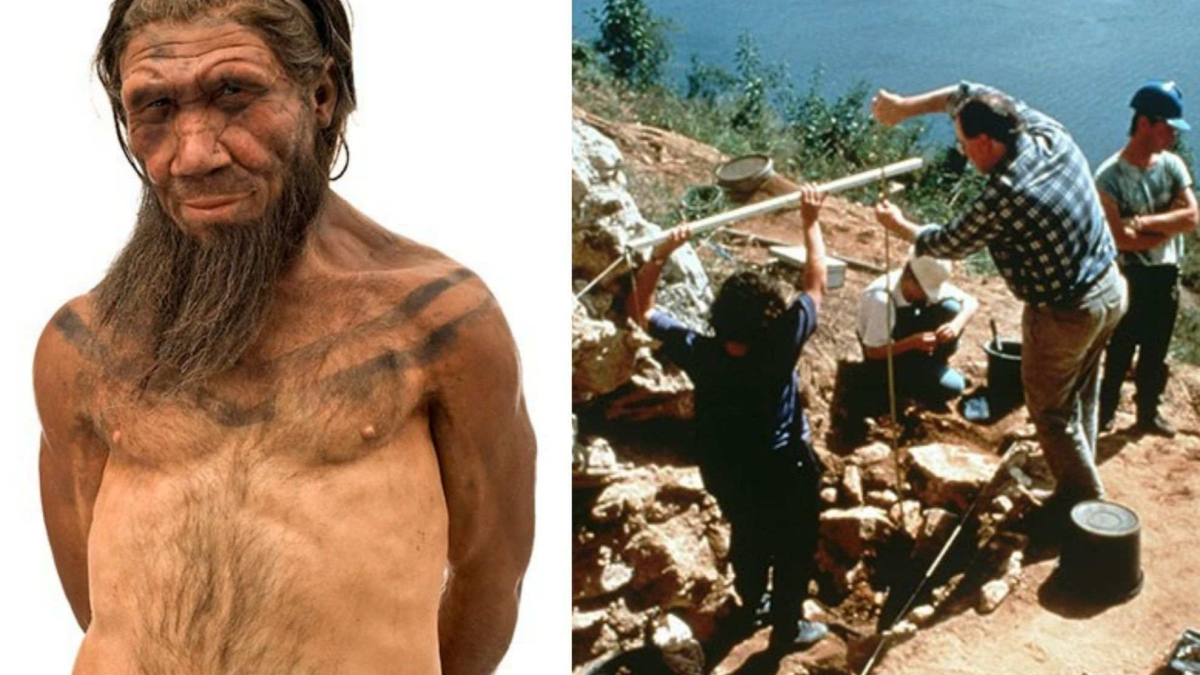
Imagine discovering a set of ancient bones unlike anything anyone had seen before, then deciding they belonged to a cave bear, a sickly human, or even a wandering soldier fleeing a war. That may sound absurd today, but when the first Neanderthal remains were uncovered during the 19th century, scientists and ordinary people alike struggled to understand what they were looking at.
Long before Neanderthals became one of the most recognizable branches of the human family tree, their fossils sparked fierce debates, bizarre theories, and some surprisingly imaginative explanations.
The confusion began even before the famous Neander Valley discovery in Germany. In fact, the earliest known Neanderthal fossil was unearthed in Belgium in 1829. Yet researchers at the time failed to recognize its significance. The skull, which belonged to a young child, would not be formally identified as an archaic human relative until 1936, more than a century later.
A second specimen surfaced in Gibraltar in 1848, but it too was largely overlooked. It wasn't until 1856, when quarry workers uncovered unusual bones in Germany's Neander Valley, that the scientific world was forced to confront a difficult question: what exactly were these strange remains?
A far more intriguing conclusion
The workers who discovered the skeleton offered the first explanation, though it was hardly scientific. Believing the bones belonged to a cave bear, they tossed many of them down to the quarry floor. Several fragments were damaged or lost before anyone realized their potential importance.
Fortunately, local schoolteacher Johann Carl Fuhlrott examined the surviving remains and reached a far more intriguing conclusion. He proposed that the bones belonged to an ancient human who had lived in Europe long before recorded history. Today, that idea sounds relatively reasonable, but in the mid-19th century it was remarkably bold.
Fuhlrott's theory arrived two years before Charles Darwin published On the Origin of Species, at a time when the concept of human evolution had yet to gain widespread acceptance. Suggesting that humanity might have ancient predecessors was enough to trigger skepticism across much of the scientific community.
The pushback came quickly
Among the loudest critics was German anatomist August Franz Josef Karl Mayer, who argued that the skeleton was not an ancient human at all. Instead, he claimed it belonged to a "Mongolian Cossack " who had supposedly wandered into the cave after being displaced by Russian military campaigns in 1814.
Mayer's explanation only became more elaborate from there. According to his theory, the skeleton's bowed legs were the result of spending years riding horses, while the unusual shape of the skull could be explained by disease and physical deformities.
As far-fetched as that sounds today, Mayer was not alone. Influential German pathologist Rudolf Virchow also rejected the notion of an extinct human species. He insisted that the Neander Valley bones belonged to a modern human whose skeletal features had been distorted by ailments such as rickets and osteoarthritis.
The debate reflected a broader struggle taking place throughout Europe. The idea that humanity might have ancient relatives challenged long-held assumptions about human origins, and many scholars were reluctant to embrace such a revolutionary concept.
Classification deepened divisions within European scientific circles
Not everyone shared that resistance. British biologist Thomas Huxley, one of Darwin's strongest defenders , rejected Mayer's theories and argued that the fossil represented something far more significant. His support helped legitimize the growing belief that the remains belonged to a distinct form of ancient human.
The turning point came in 1864 when Irish geologist William King formally assigned the fossil to a new species: Homo neanderthalensis. Even then, acceptance was far from immediate. The classification deepened divisions within European scientific circles, with some researchers embracing the evidence and others continuing to search for alternative explanations.
Over time, however, additional discoveries made the case impossible to ignore. Fossils found across Europe and western Asia revealed that Neanderthals were not diseased modern humans or lost soldiers, but members of a separate human species that had thrived for hundreds of thousands of years.
Today, Neanderthals occupy a central place in our understanding of human evolution. Scientists know they made tools, hunted large animals, cared for members of their communities, and even interbred with the ancestors of many modern humans.