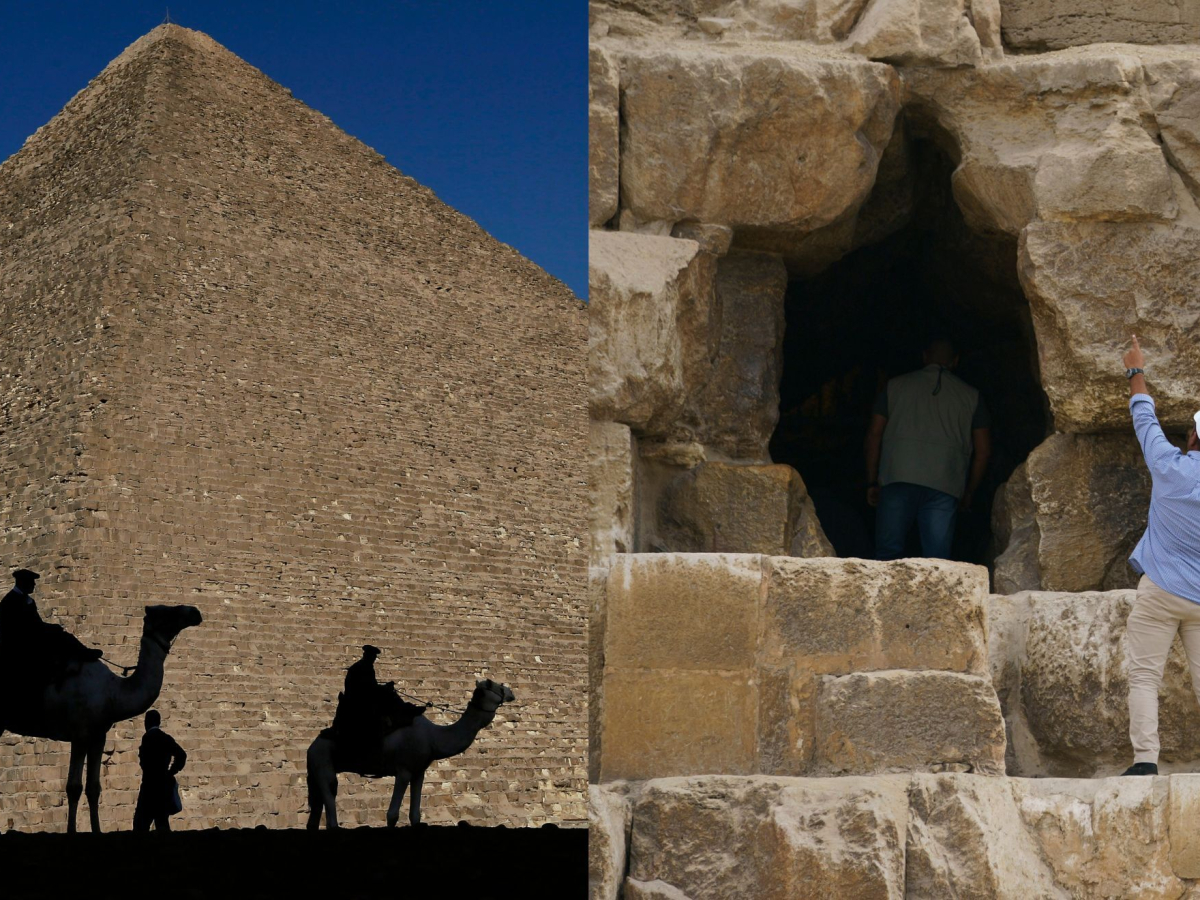
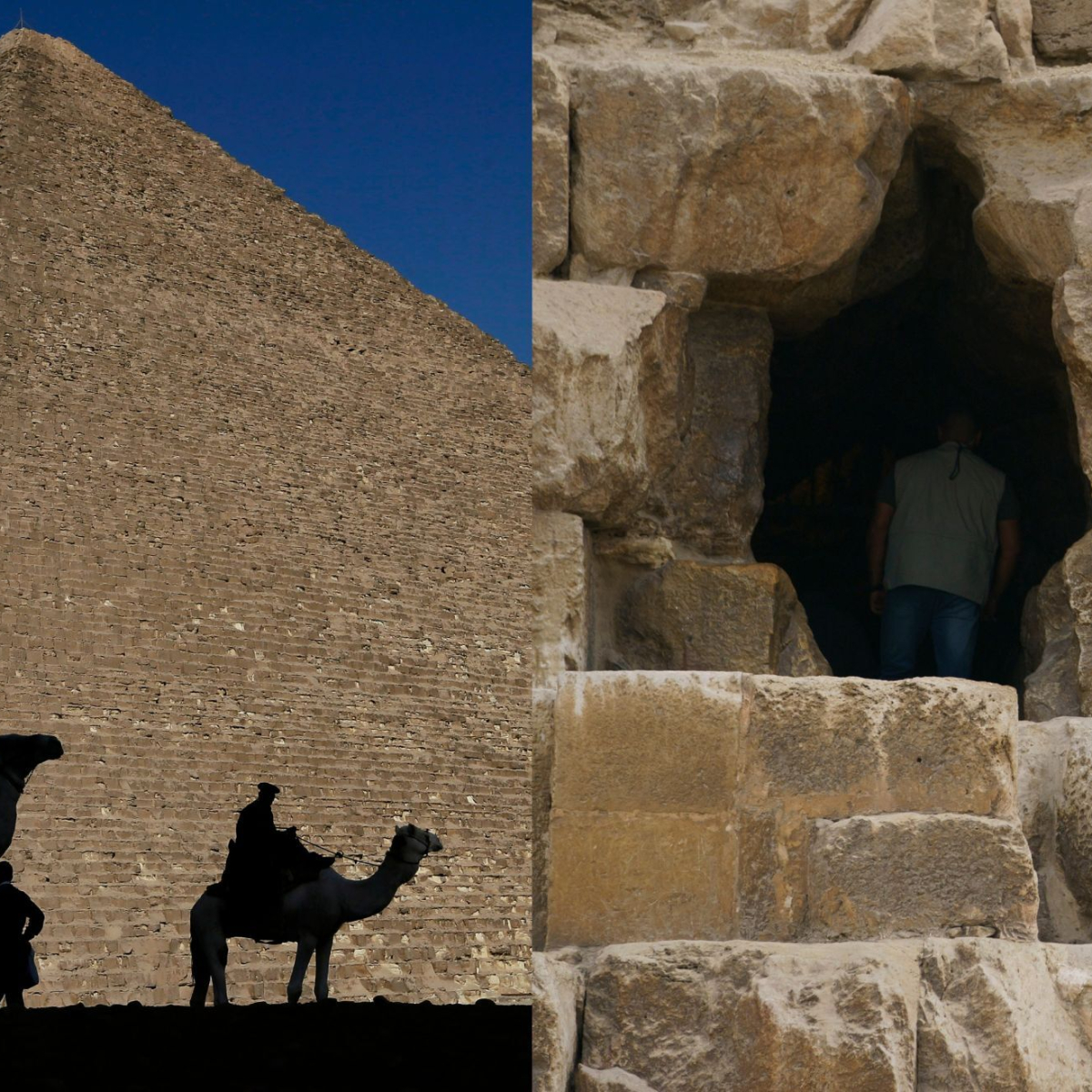
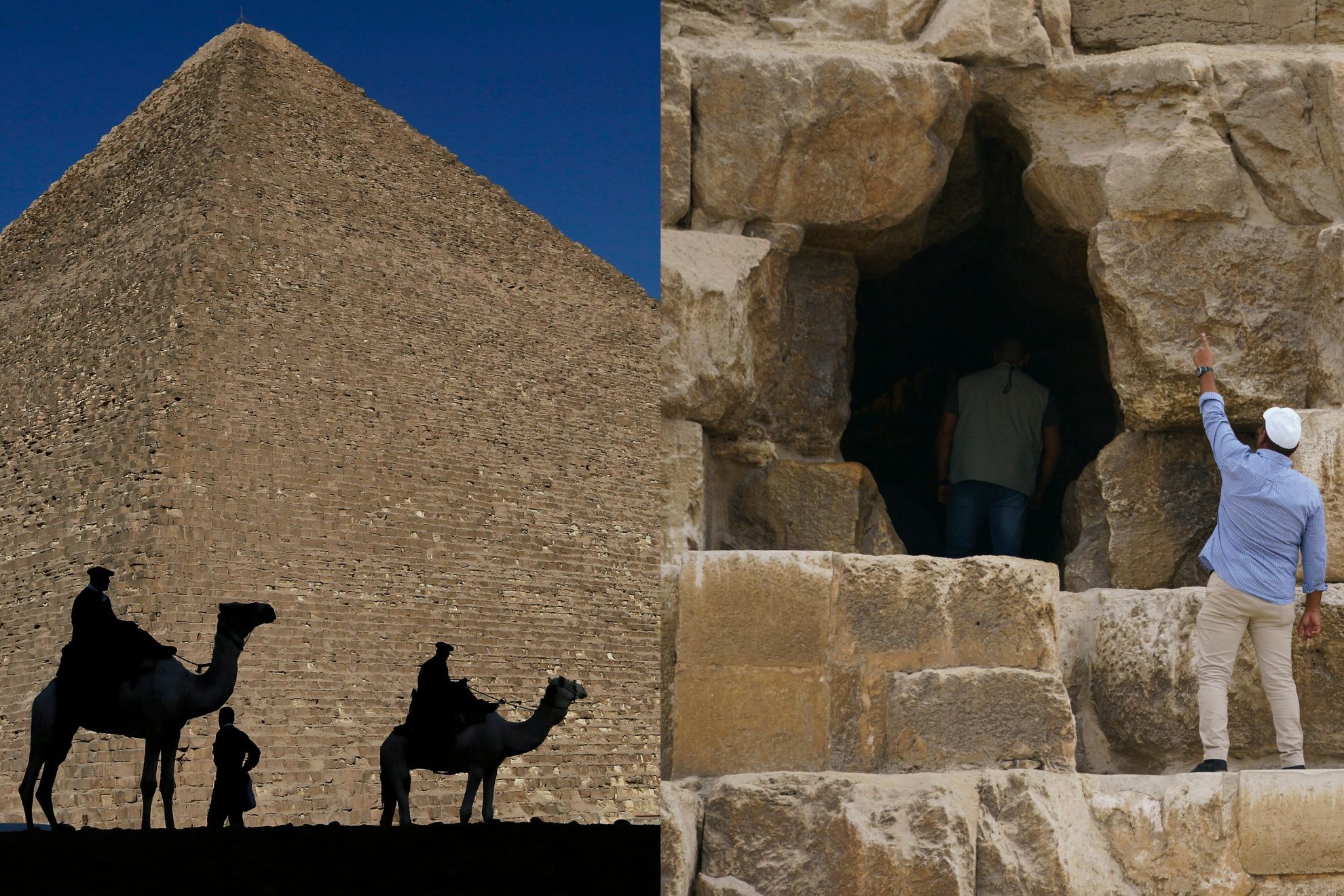
The Great Pyramid may have hidden the secret of its construction inside its own walls
A computer model suggests Egyptian workers used rising ramps that disappeared as the monument grew
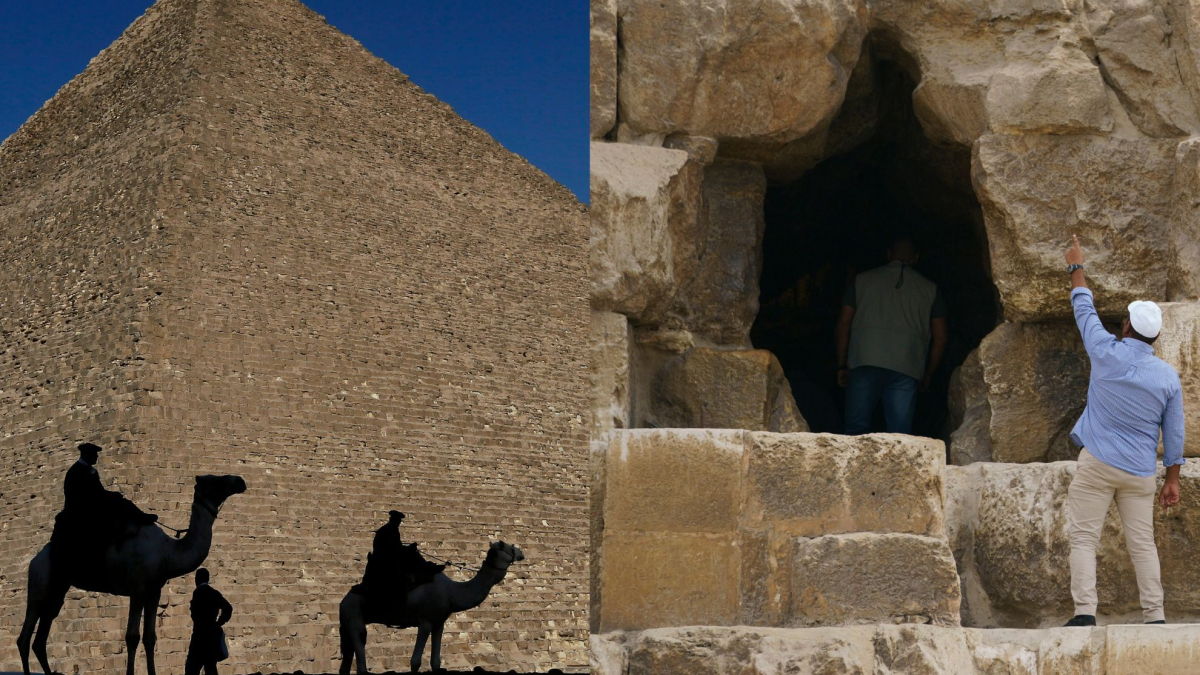
For more than 4,500 years, the Great Pyramid of Giza has concealed one of history’s most persistent mysteries: how ancient Egyptian workers moved and positioned approximately 2.3 million stone blocks without modern cranes, iron tools or heavy-wheeled transportation.
A new study proposes that the answer was built directly into the pyramid. Computer scientist Vicente Luis Rosell Roig developed a model in which workers used several ramps integrated along the monument’s edges, creating rising paths that advanced as each new layer of limestone was completed.
Instead of constructing one enormous external ramp which would have required a vast amount of material the builders could have pulled individual blocks on sledges around the pyramid’s perimeter. Once a section was finished, the ramp would be filled in and effectively disappear inside the completed structure.
Computer simulations recreate the pyramid’s construction
The simulations indicate that this system could have allowed workers to position one block every four to six minutes. Under ideal conditions, the pyramid’s main structure could have been completed in approximately 14 to 21 years. After including quarrying, transportation along the Nile, seasonal interruptions and rest periods, the estimate increases to between 20 and 27 years.
The model is also consistent with some of the unexplained spaces detected inside the Great Pyramid through cosmic-ray muon scans. Researchers discovered a large void above the Grand Gallery in 2017, although its purpose remains unknown. Rosell Roig suggests that such spaces could be remnants of the construction system, but the connection has not been proven.
The study does not definitively solve the mystery. It presents a testable engineering explanation, not direct archaeological evidence that the ramps existed. Future inspections would need to uncover specific signs, including unusual filling patterns near the pyramid’s edges or wear around its corners, before scientists could confirm that the ancient builders really used this method.