The search for Jesus’ tomb takes a major turn beneath Jerusalem’s Church of the Holy Sepulchre
The excavation is providing new information about what existed beneath the church during the period when Jesus lived and died
The search for the historical setting of Jesus’ death and burial has taken a remarkable turn beneath one of Christianity’s most important sites. Archaeologists excavating beneath Jerusalem’s Church of the Holy Sepulchre have uncovered evidence of an ancient landscape that included a quarry, cultivated areas and funerary activity, features that are consistent with descriptions of the location where the Gospels say Jesus was crucified and buried.
But there is an important distinction between finding evidence that supports the traditional location of Jesus’ tomb and proving that Jesus himself was buried there. The archaeological team, led by Francesca Romana Stasolla of Sapienza University of Rome, has not discovered an inscription identifying Jesus, nor has it recovered physical remains that can be attributed to him. Instead, the excavation is providing new information about what existed beneath the church during the period when Jesus lived and died.
That distinction has not diminished the significance of the discovery. It may, however, change how archaeologists understand the landscape that eventually became the site of the Church of the Holy Sepulchre.
An excavation hidden beneath one of Christianity’s holiest sites
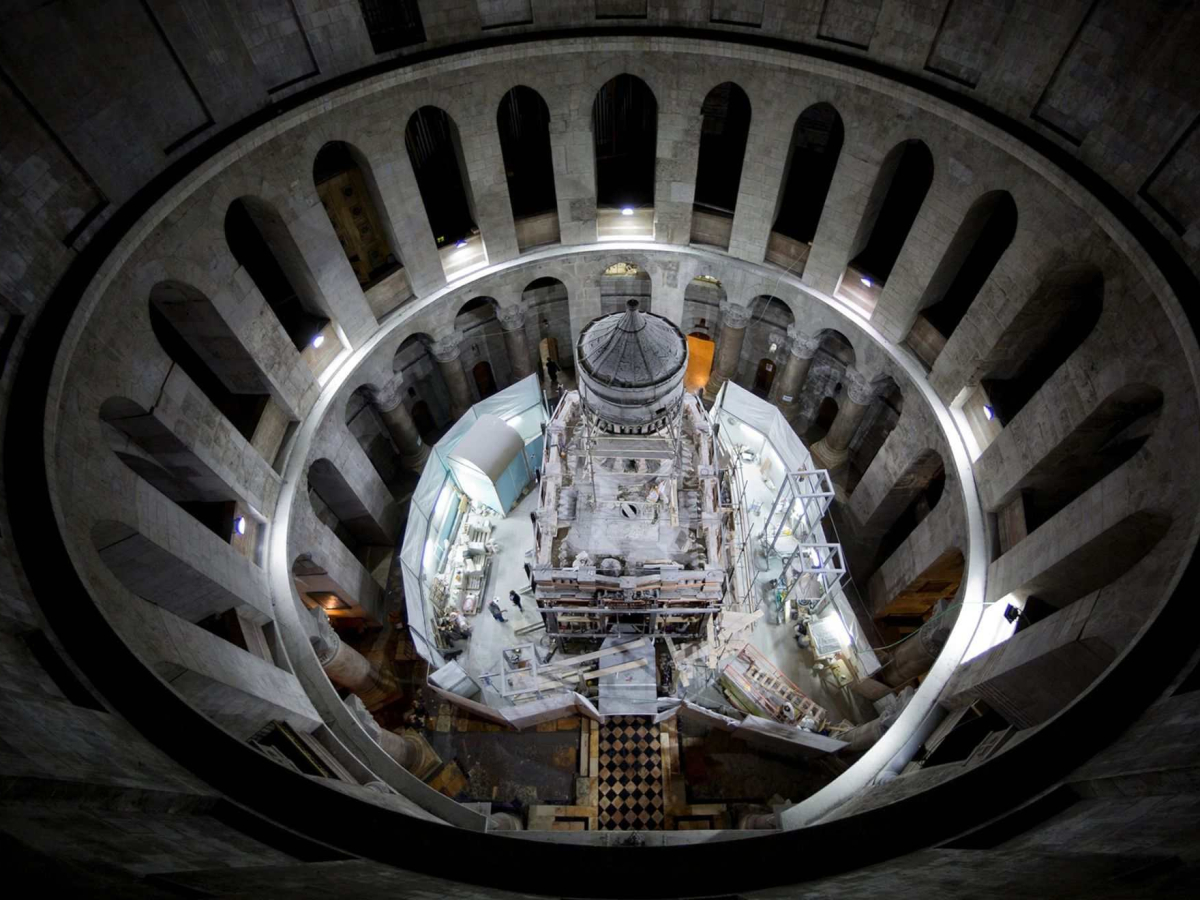
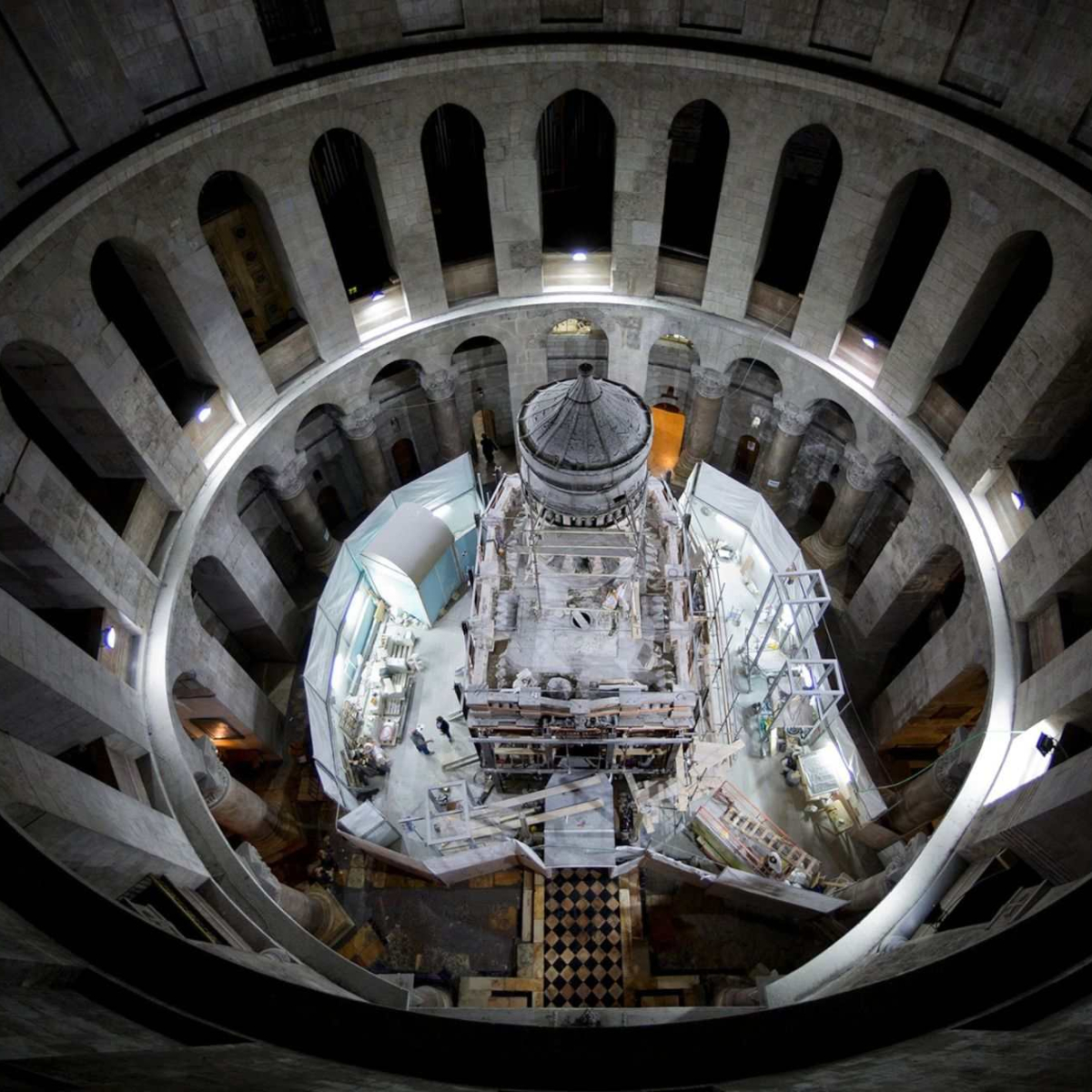
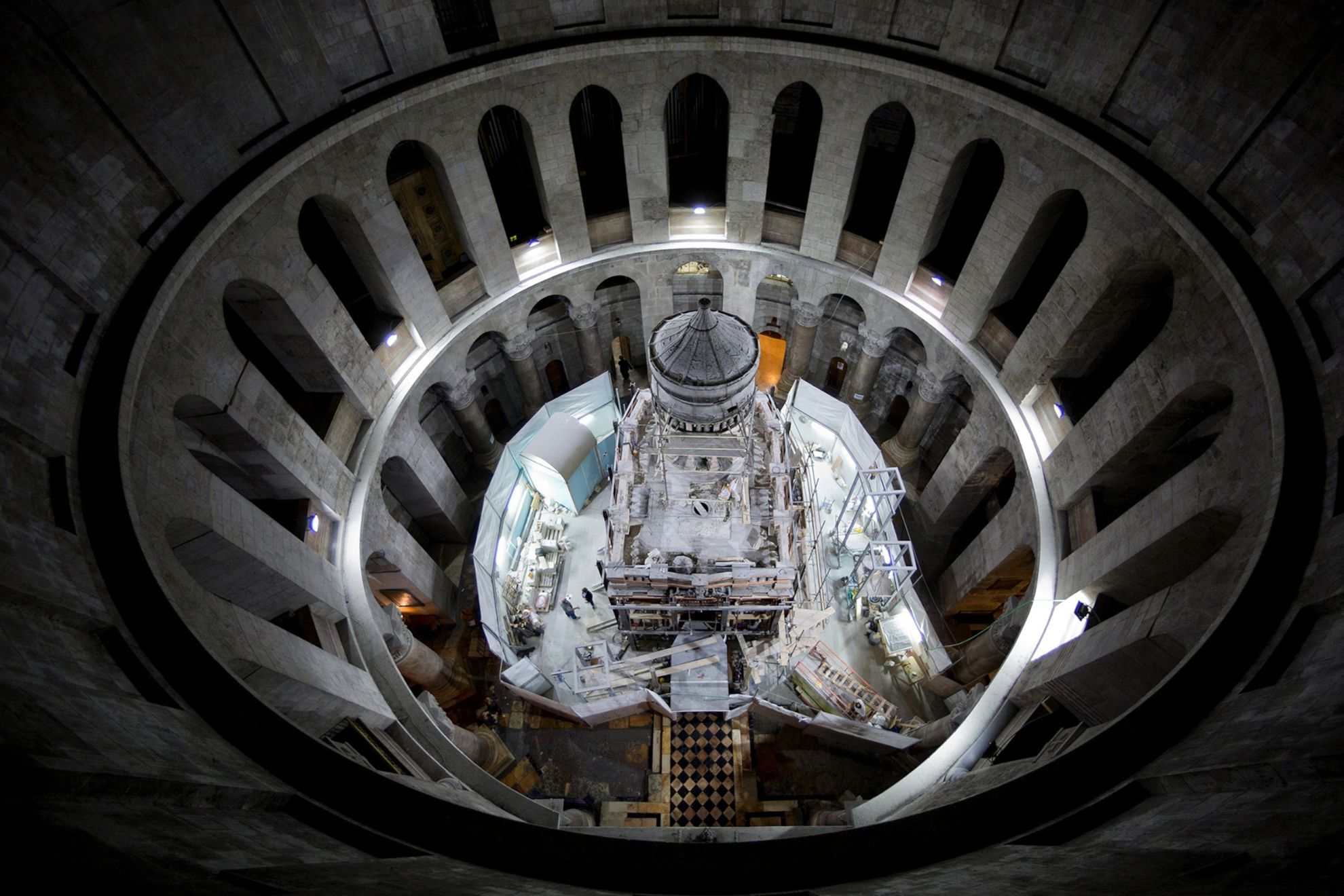
The archaeological work began as part of a major restoration project. Beginning in 2022, archaeologists from Sapienza University of Rome were allowed to excavate beneath sections of the church floor while restoration and infrastructure work was being carried out. The investigation has continued through multiple campaigns and has involved archaeology, geology, palaeobotany, archaeozoology, material analysis and digital documentation.
The project is unusually complicated because the Church of the Holy Sepulchre remains a functioning place of worship. The archaeological work has been conducted in cooperation with the Christian communities responsible for the sanctuary, including the Greek Orthodox, Catholic and Armenian traditions. Sapienza's 2026 project publication describes the investigation as a multidisciplinary effort examining the church's floors, underground structures and infrastructure.
What began with restoration therefore became something considerably more ambitious: an attempt to reconstruct the history of the ground beneath the church. And the deeper archaeologists went, the more complicated that history became.
A quarry, a garden and ancient graves
According to the excavation findings, the area beneath the church preserves evidence of an ancient quarry that was subsequently reused for agricultural and funerary purposes. The quarry is particularly important because its location fits the historical geography of first- century Jerusalem.
The area now occupied by the Church of the Holy Sepulchre was apparently associated with a quarry and lay outside the city's earlier boundaries during part of the period relevant to Jesus' lifetime. The archaeological record indicates that the landscape subsequently experienced different phases of cultivation, burial and construction.
That matters because the Gospel accounts place Jesus' crucifixion and burial in an area that was outside the city and near a garden. The Gospel of John, for example, describes a garden at the place where Jesus was crucified and says that a new tomb was located there.
The excavations have now provided archaeological evidence that the landscape beneath the later church was not simply an empty stretch of bedrock. It was a changing environment that included quarrying, agriculture and burial.
Evidence of ancient vegetation
Among the most intriguing findings has been evidence of plant life. Archaeobotanical investigations and pollen analysis have identified traces associated with vegetation including olive and grape cultivation. Researchers are using this material to reconstruct how the area was used during antiquity.
For Stasolla , the discovery is particularly interesting because it corresponds with the type of landscape described in the Gospel of John. But archaeologists are careful about what such evidence can establish. Finding evidence of a garden does not prove that the garden described in the Gospel was specifically the garden in which Jesus was buried.
What it does demonstrate is that the environment beneath the church had agricultural use compatible with the broader setting described by the ancient Christian tradition. That is an important archaeological distinction.