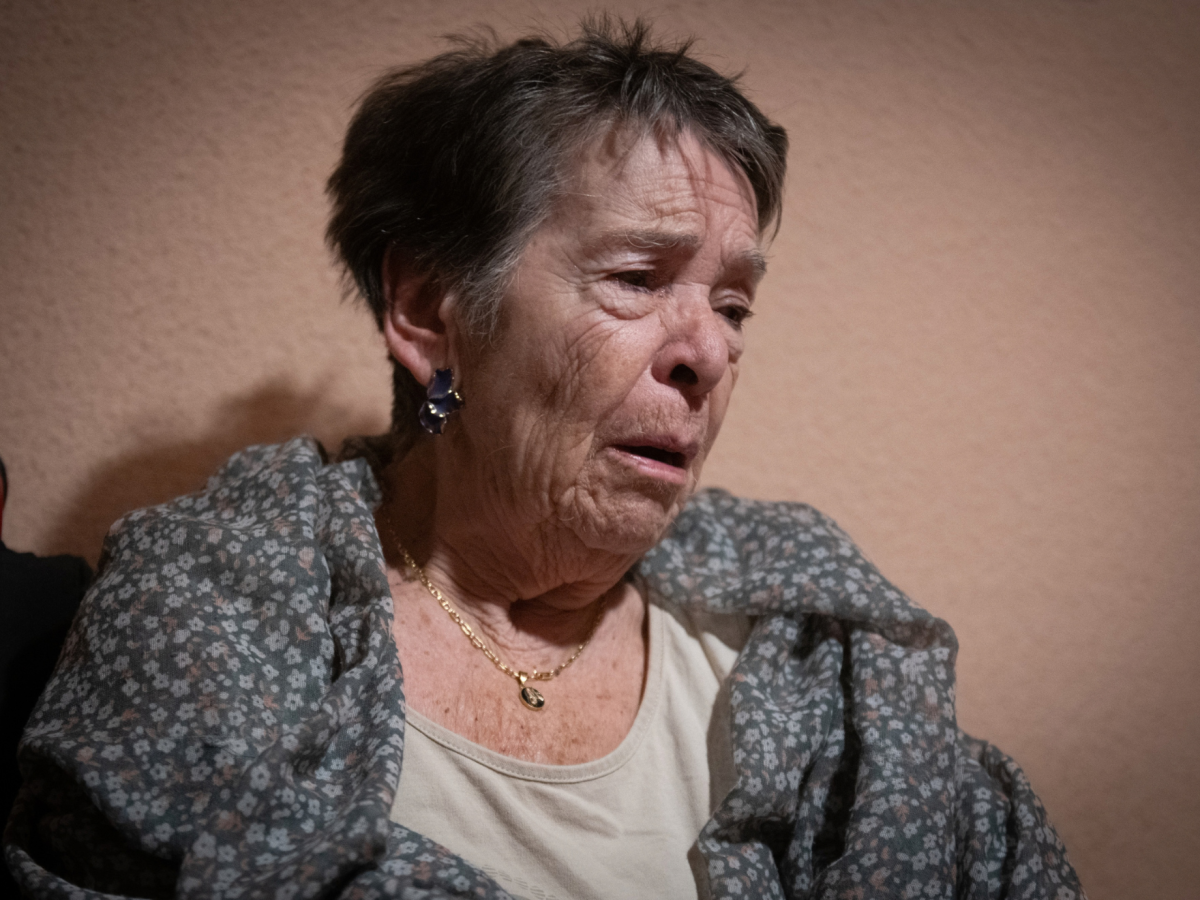
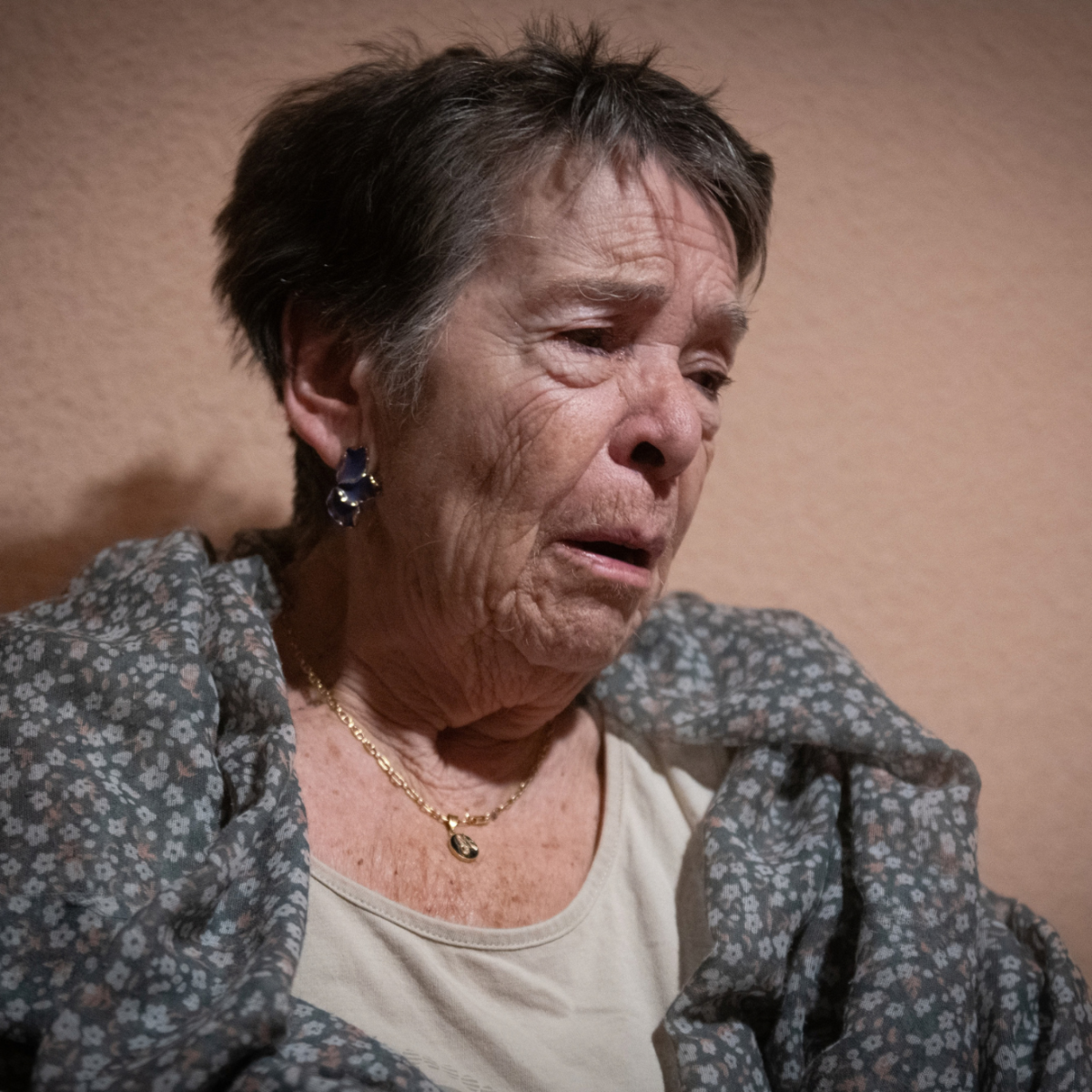
Who is Maricarmen, the woman who mobilized thousands in Spain and prompted Antonio Banderas to speak out
María del Carmen Abascal lived for more than 70 years in the same apartment in Madrid until she was evicted and had to leave her home on a stretcher.
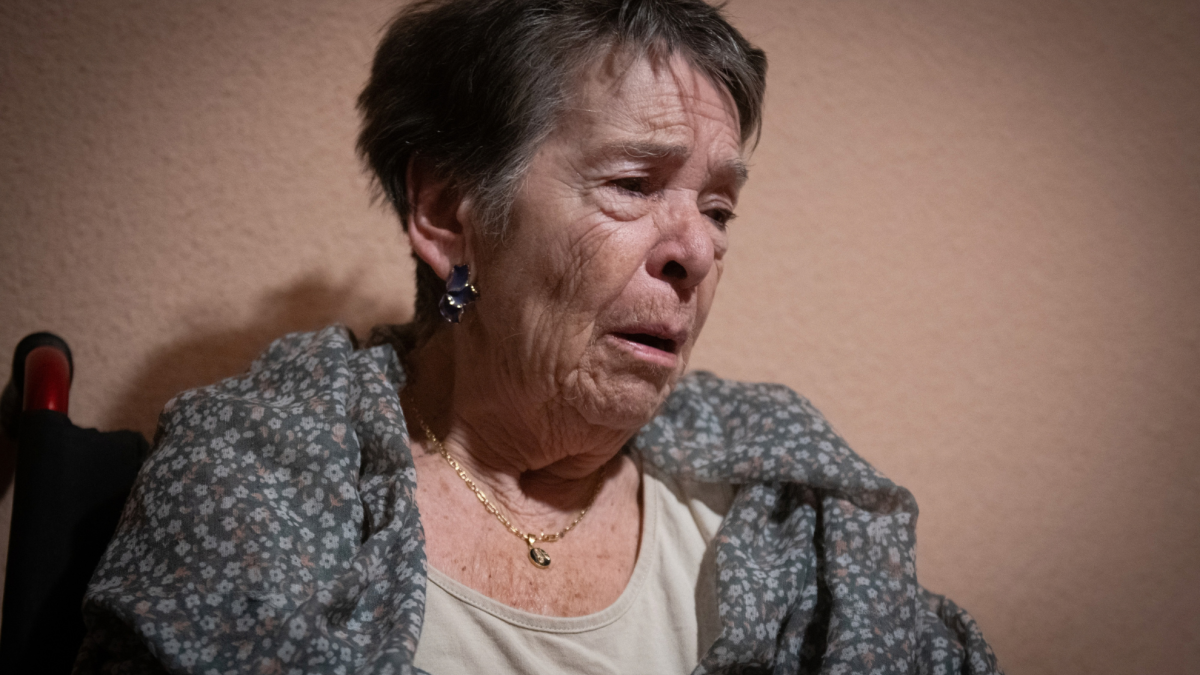
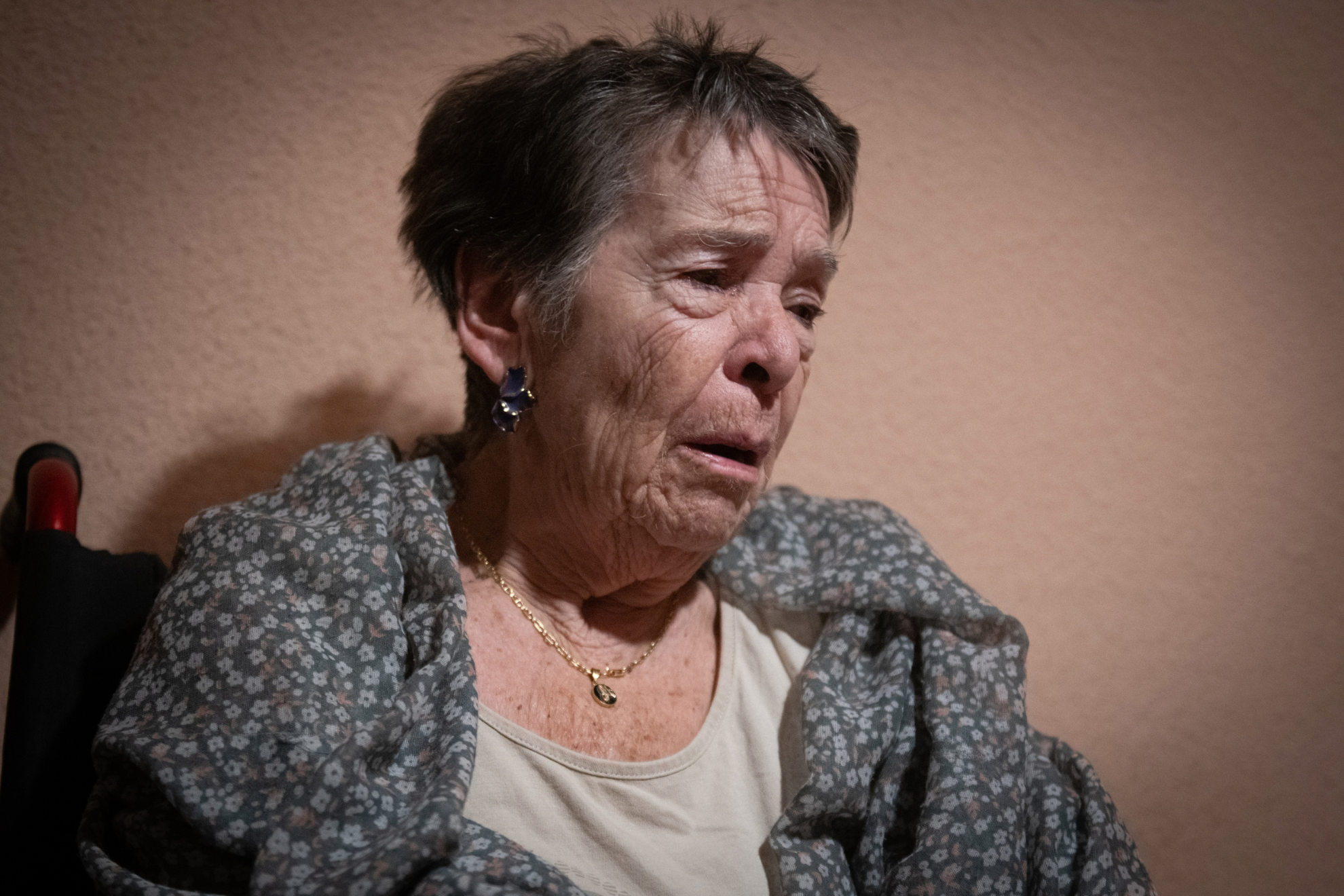
Until just a few days ago, Maricarmen was virtually unknown outside her neighborhood in Madrid . At 87 years old, she led a life away from the spotlight in an apartment on Alcalde Sainz de Baranda Street, in the Retiro district, where she had lived for more than seven decades.
Everything changed on September 23. María del Carmen Abascal was evicted from that home and left the building on a stretcher before being taken by ambulance to Gregorio Marañón Hospital. The scene spread across Spain and turned a complicated dispute over an old rental contract into a story with a name and a face.
The house in which Maricarmen spent practically her entire life is the protagonist of this story. Her relationship with that home dates back to 1956, when her father signed the lease agreement. There Maricarmen lived with her parents, saw her relatives die, and remained for approximately seven decades.
And here appears one of the most particular aspects of the story: the origin of the contract and the rules of the Franco era ended up having consequences many decades later.
The original contract was signed by her father. According to the reconstruction by El País, her mother could not appear as the holder under the same conditions due to the legal restrictions that at the time affected women. When the father died, the contract passed to the mother; when she died in 2005, Maricarmen was subrogated into it .
Over the years, the property ended up in the hands of Urbagestión Desarrollo e Inversión, which acquired the home in 2018. The conflict that would ultimately force the elderly woman out of her house did not arise from non-payment: she continued paying the rent. The battle was legal and centered on whether that second subrogation could remain valid.
So, why could she be evicted if she was paying the rent?
This point is fundamental because the conflict did not arise simply because Maricarmen stopped paying. The problem was legal: the property owner maintained that the old contract should already have expired .
The case ended up reaching the Supreme Court , and after years of appeals it upheld the interpretation of the property ownership. The regulations allowed that second subrogation to be extended in certain circumstances, including when the beneficiary had a recognized disability of more than 65%. Maricarmen had a recognized disability of 50%, so she was left out of that exception.
After several attempted evictions and years of legal battle, the eviction was finally carried out on September 23. Maricarmen left the home where she had spent 71 years on a stretcher. That image achieved something that no explanation about contracts, subrogations, or laws had managed until then: to transform her individual case into a story capable of provoking a national reaction.
"Not one more Maricarmen": her name becomes a symbol
Thousands of people took part in housing protests, and Maricarmen ended up becoming one of the symbols of the debate about evictions and rent in Spain.
The impact also reached national politics, where her case was cited while the Government and its partners resumed negotiations on new housing measures.
Maricarmen ceased to be just the name of a tenant. "A Maricarmen" began to be used in the discourse of housing movements as a representation of people who can lose a long-term rental even if they have kept up with their payments.
A virtually unknown retiree became, in a matter of days, a much bigger issue than her own story. Her name appeared on banners and in slogans, and the mobilization continued even after a possible solution for her particular case became known.
On September 23, 2026, the eviction was finally carried out after several previous attempts.
Neighbors and activists had been mobilizing for some time to prevent it . On the day of the eviction, hundreds of people showed up. Maricarmen, who has reduced mobility, ended up leaving her home on a stretcher and being transferred by ambulance to Gregorio Marañón Hospital.
Instead of limiting her statements to getting her own home back, she began to speak about others. After the eviction she said:
"I have not managed to defend my home, but I have fought so that others learn to fight for theirs".
Antonio Banderas enters the debate over Maricarmen
The magnitude the case reached became even clearer when Antonio Banderas decided to speak publicly about Maricarmen .
The actor referred this Monday to the eviction during an interview on Herrera en COPE Más Málaga, although he wanted to broaden the focus to all the people going through similar situations.
"I think about this woman, Maricarmen, but I also think about the 25,000 evicted people there have been this year in our country," Banderas said. His reflection did not question the retired woman's situation—he expressed his solidarity with her—but rather the enormous attention focused on a single case compared with other housing-related problems that receive much less exposure.
The actor was even more direct when referring to the political dimension the story had taken on: "I am interested in everything, the whole of reality, not a specific reality for a specific political use" . For Banderas, Maricarmen had become a public symbol, but her case should also serve to look toward other people facing situations related to the loss of their homes.
The unexpected final twist: Maricarmen will be able to return home
And when that image of Maricarmen leaving the building on a stretcher seemed to have written the ending, a twist arrived that would have been hard to imagine five days earlier.
Urbagestión and its representatives reached an agreement so that she can return to the same home from which she was evicted. The Municipal Housing and Land Company of Madrid acted as mediator in a meeting lasting more than four hours, in which the Tenants' Union also took part.
The new contract will last for eight years and the rent will not exceed 30% of her net income, an amount that her lawyer estimated to be similar to the approximately 500 euros she had been paying in rent and other expenses. When the agreement became known, Maricarmen was still hospitalized, although she had already accepted the agreemen t and it is expected that she will return home when she is medically discharged.
In less than a week, María del Carmen Abascal's life changed completely: she left on a stretcher from the home where she had spent more than 70 years, saw her name appear in demonstrations and in the political debate, made it as far as Antonio Banderas's statements and, finally, secured the possibility of returning to the same apartment.
Maricarmen was not famous. Nor was she trying to be. But at 87, her name ended up becoming one of the symbols of the debate over housing in Spain.