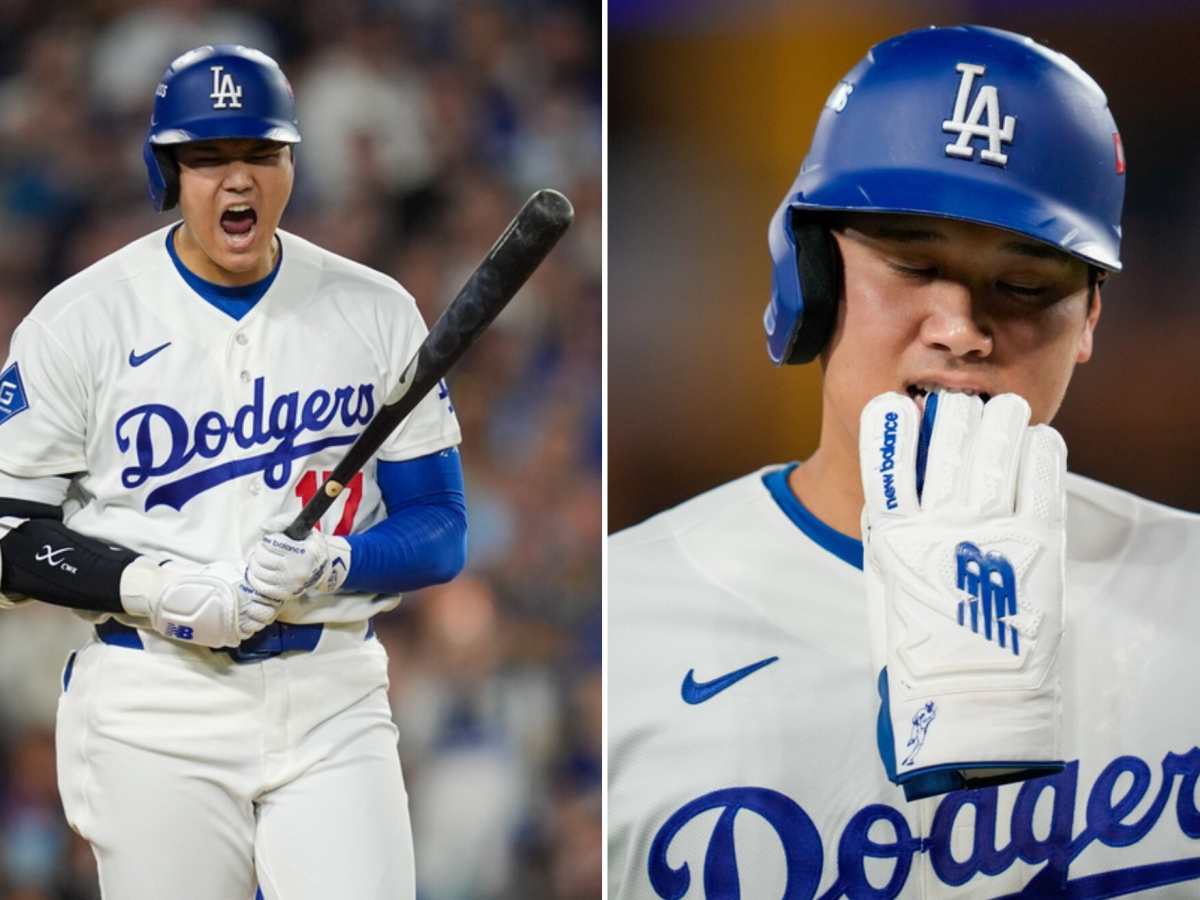
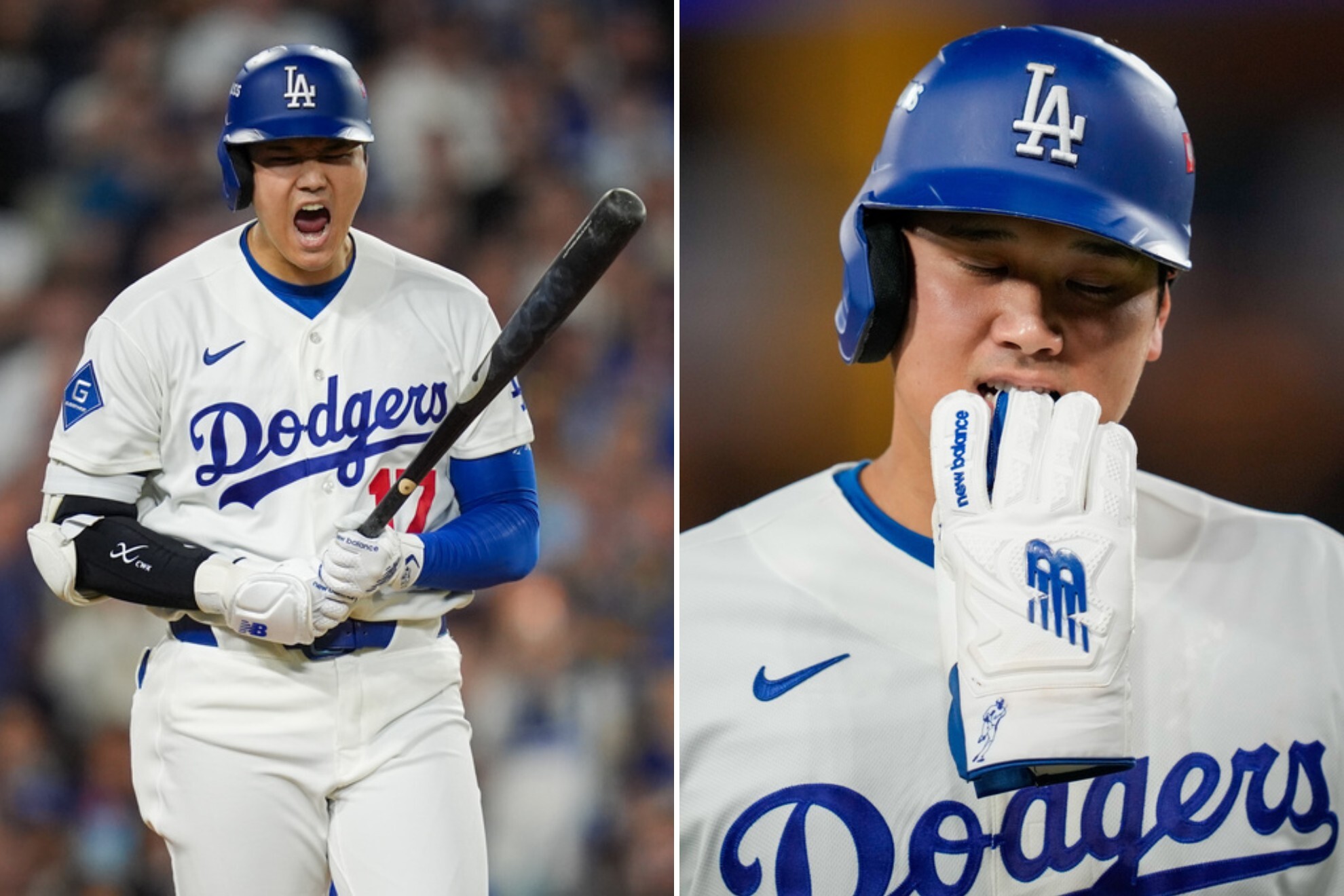
“Pull him off the mound”: Shohei Ohtani's Dodgers trade rumor sparks massive reaction
Bill Plaschke has questioned whether Los Angeles can keep relying on Ohtani as a two-way star, reigniting debate over the superstar's future on the mound
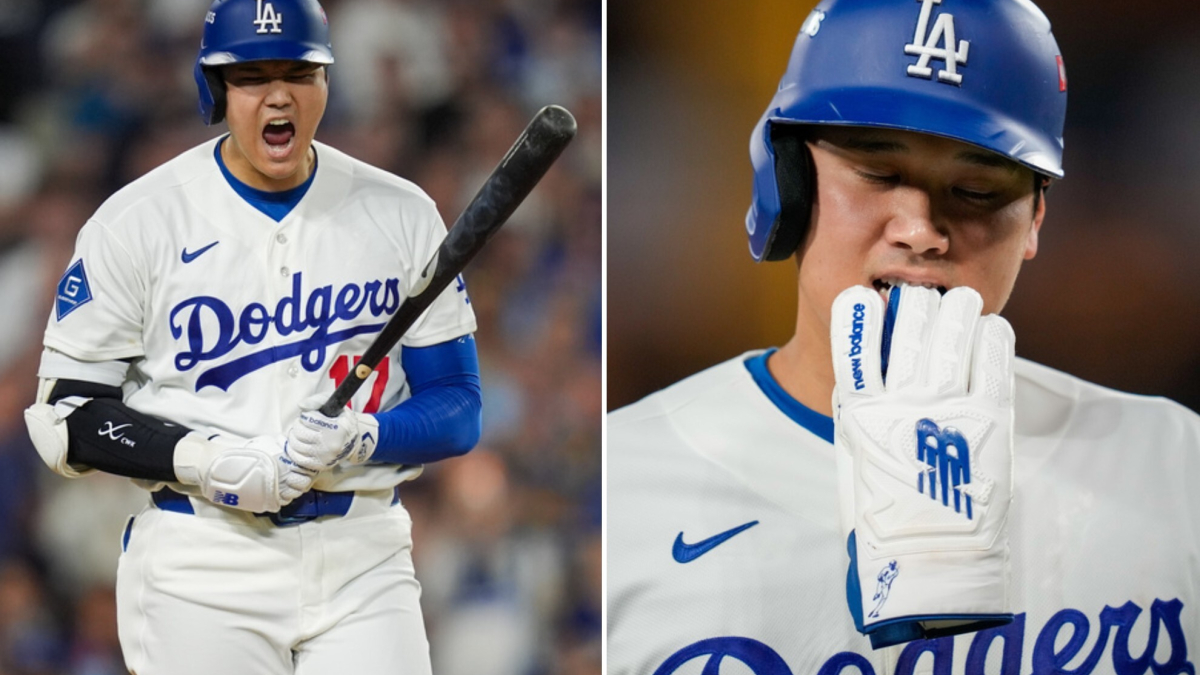
S hohei Ohtani has made his intentions clear: he wants to keep hitting and pitching for the Los Angeles Dodgers .
But following an injury-disrupted 2026 campaign and an early postseason exit, that commitment has sparked a fresh debate about whether the franchise should reconsider its approach to baseball's most extraordinary two-way player.
Los Angeles will not need to make an immediate decision about offseason surgery, with president of baseball operations Andrew Friedman confirming that a procedure is not currently planned.
Friedman also expects Ohtani to return to the mound in 2027, giving the 32-year-old a path back to his dual role after spending the final three months of the season as a designated hitter.
Ohtani has no intention of abandoning pitching. Asked whether he planned to return to the mound next season, he answered, "Yes, definitely," making his preference unmistakable.
That determination, however, has become a point of contention after the Dodgers ' season ended with a National League Championship Series sweep at the hands of the Milwaukee Brewers . Los Angeles Times columnist Bill Plaschke believes the organization must consider whether continuing to use Ohtani in both roles is worth the physical cost.
“This past season offered unassailable proof that Shohei Ohtani can no longer serve as both a full-time hitter and full-time pitcher… They need to pull him off the pitching mound permanently… if he insists on continuing this detrimental charade, they need to seriously consider trading him,” wrote Bill Plaschke about Shohei Ohtani .
The forceful argument has helped fuel the reaction surrounding Ohtani's future. The trade suggestion is Plaschke's opinion, not an indication that the Dodgers have announced plans to move their superstar.
Nevertheless, it raises a difficult question for a team built around Ohtani's unprecedented ability to influence a game with both his bat and his arm.
Ohtani's 2026 numbers reveal both sides of the dilemma
The statistics make it difficult to dismiss either side of the argument. On the mound, Ohtani went 8-2 with a 1.79 ERA and 95 strikeouts across 14 starts, demonstrating how valuable he can be when healthy. At the plate, he hit .275 with 30 home runs and 81 RBIs in 135 games.
Those numbers remain impressive, but they also represent a step back from his extraordinary 2025 offensive production, when he hit 55 home runs and drove in 102 runs.
More importantly, Ohtani's pitching season ended on July 3 as left-knee inflammation and right-biceps problems disrupted his workload. The Dodgers kept him in the lineup as a hitter, but his postseason performance also suffered as he tried to manage the injuries.
Friedman described the sequence of setbacks as “an unfortunate game of whack-a-mole.” The comment captured the challenge facing Los Angeles: as one issue became manageable, another problem emerged, complicating the club's attempts to keep Ohtani available.
The Dodgers ultimately lost their chance to win a third consecutive World Series title, falling to Milwaukee in the NLCS. Ohtani's late postseason home run offered a reminder of his power, but it could not prevent the elimination.
For Plaschke , the combination of injuries and declining offensive production supports a more radical solution.
His argument is that Los Angeles should prioritize the version of Ohtani who can consistently deliver at the plate, even if that means ending his pitching career. The possibility of a trade enters the discussion only if Ohtani refuses to give up the mound.
That would be an extraordinary step for a franchise that invested heavily in the two-way superstar.
Ohtani signed a 10-year, $700 million contract with the Dodgers, a commitment built around his unique combination of hitting, pitching and global appeal. Trading him would represent a dramatic departure from the team's long-term plans.
Japan provides a blueprint for managing his two-way career
Ohtani's insistence on doing both is not a recent development. Before he reached Major League Baseball, he wanted to move directly from high school to an MLB team rather than follow the conventional route through Japan's professional league.
The Hokkaido Nippon-Ham Fighters selected him first overall in the 2012 draft and persuaded him to stay in Japan by offering a development plan that allowed him to pitch and hit.
He spent five seasons with the club, which adjusted its schedule around his pitching routine and batting opportunities.
Ohtani explained part of that approach in his own words: “On the days I think I’m going to DH, I take batting practice.”
The plan required patience. In 2014, he went 11-4 with a 2.61 ERA while hitting .274 with 10 home runs.
His batting average dropped to .202 in 2015 even as he won 15 games and struck out 196 batters. But in 2016, he hit .322 with 22 home runs and posted a 1.86 ERA, helping the Fighters win the Japan Series.
His MLB career has continued that pattern of rare two-way production. In 2021, he hit 46 home runs and recorded 156 strikeouts as a pitcher.
The following year, he won 15 games with a 2.33 ERA while hitting 34 home runs. In 2023, he hit .304 with 44 home runs before a right-elbow UCL injury interrupted his pitching career.
The 2024 season offered another example of his offensive ceiling. While he did not pitch, Ohtani hit .310 with 54 home runs and 59 stolen bases as the Dodgers won the World Series. He returned to the mound in 2025, helping Los Angeles secure another championship.
Those seasons explain why the organization is reluctant to abandon the two-way model. Ohtani can transform a lineup and strengthen a rotation, and the Dodgers have already seen what happens when he focuses exclusively on hitting.
The challenge is finding a way to preserve both contributions without allowing one role to compromise the other.
Friedman has expressed confidence in Ohtani's return, saying, “I’m not only expecting him to pitch, but we’re also excited about him pitching.”
That expectation does not necessarily mean the Dodgers will repeat the same workload or preparation plan.
With Ohtani set to undergo further treatment and training evaluations during the offseason, the team has an opportunity to reassess how it manages his recovery, pitching schedule and offensive responsibilities.
Plaschke's trade suggestion is likely to remain a divisive talking point because it challenges the premise behind one of baseball's biggest contracts.
Yet the immediate decision is not whether to trade Ohtani; it is how to help him stay healthy enough to deliver the full value of his extraordinary talent.
The Dodgers have little reason to give up on the two-way experiment after one injury-hit season. But if they want another championship run in 2027, they must find a sustainable way to keep Ohtani effective on both sides of the ball.