The two Mets stars who deserve the most blame for a disastrous season
Lindor cratered. Polanco vanished. Who sank the Mets' 74-88 season?
The New York Mets didn't just miss the playoffs in 2026. They collapsed. A 74-88 record , a last-place finish in the NL East and one of baseball's biggest payrolls went up in smoke. Injuries, shaky roster construction and across-the-board underperformance all played a role, so no two players can shoulder all of the blame.
But accountability has to start with the people counted on most. Francisco Lindor was supposed to be the club's heartbeat. Jorge Polanco was brought in as a steady veteran bat. Instead, they became the faces of a year in which expensive, proven talent delivered far less than New York needed.
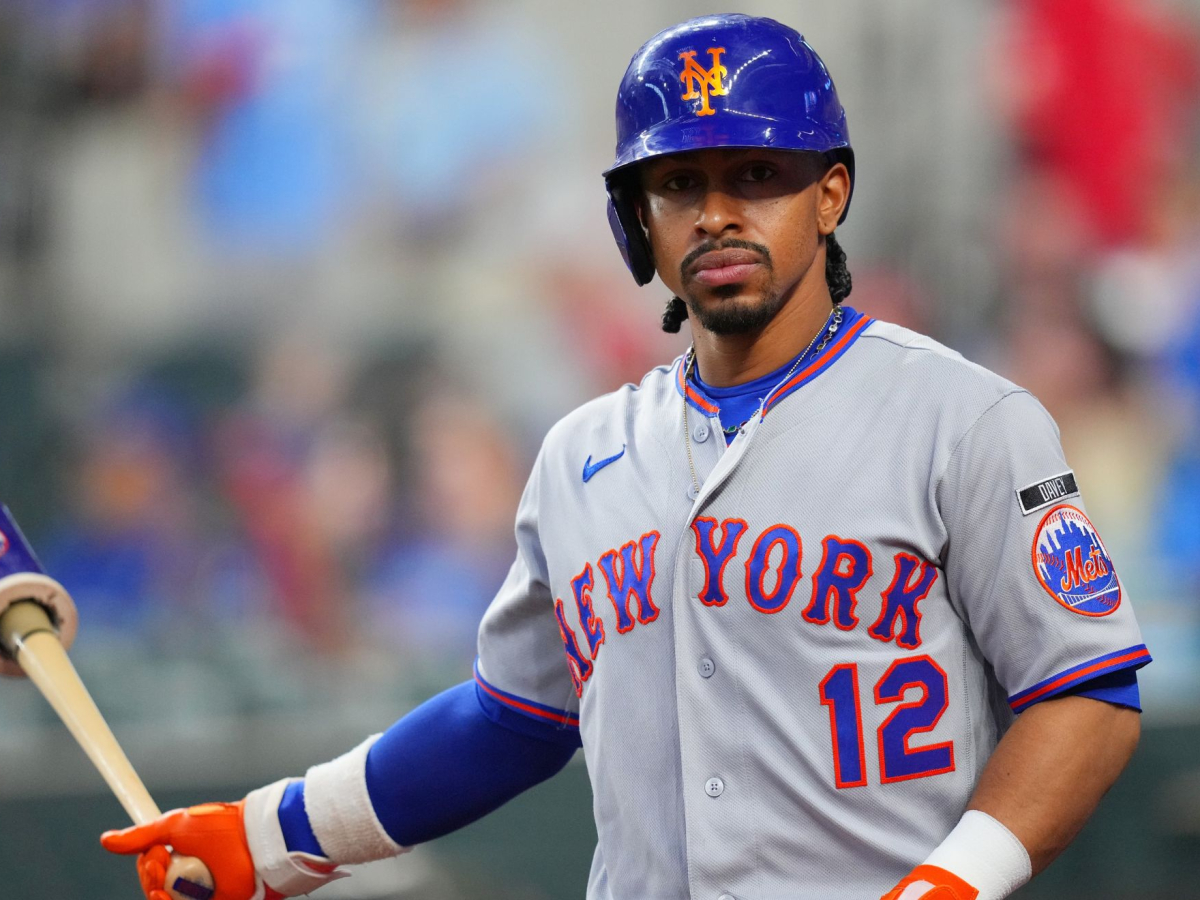
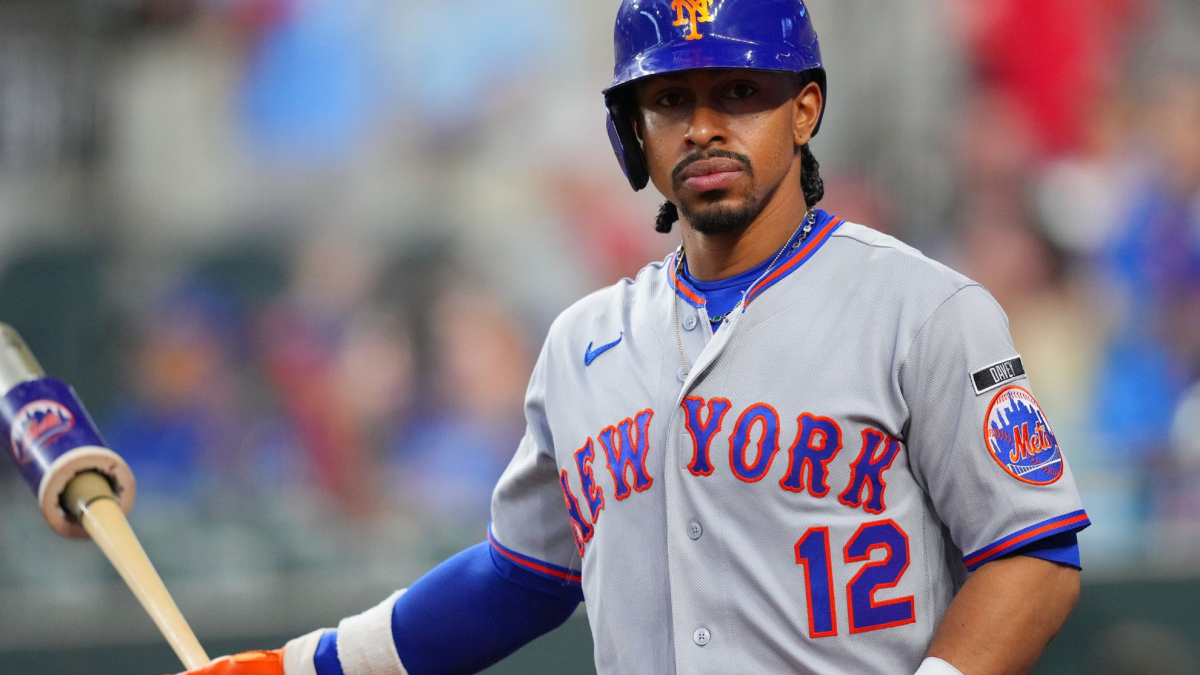
Francisco Lindor never looked like a franchise cornerstone
Lindor deserves some context. He had elbow surgery over the winter, broke a hamate bone in camp and missed about two months with a calf strain. With that kind of disruption, finding a rhythm was close to impossible.
Still, the Mets needed a star, not just a body in the lineup, and they rarely got one. Lindor hit .225 with a .309 OBP and a .423 SLG, and his .732 OPS was a career low. He went deep 21 times but drove in just 49 runs over 105 games.
The slide wasn't limited to his bat. He made a career-high 11 errors and graded below average in Statcast's Outs Above Average. One analysis of the Mets' year-over-year production had his value dropping from 6.1 WAR in 2025 to a projected 1.9 in 2026 , the biggest fall among the team's notable returning stars.
None of that makes Lindor a bad player, and the injuries were real. But when a team is built around a superstar shortstop, losing more than four wins of expected value can sink a season. The Mets counted on an edge at shortstop and got neither stability nor two-way excellence.
Jorge Polanco was the lineup's biggest problem
Lindor was the biggest letdown in terms of expectations. Polanco did the most damage in terms of results. The Mets gave him two years and $40 million after he hit 26 homers with an .821 OPS for Seattle in 2025, hoping he would add depth and make up for lost power.
What they got was one of the worst offensive seasons in baseball: .148, .201 OBP, .230 SLG, two homers and six RBIs in 145 plate appearances. He was almost strictly a designated hitter, so nothing on defense softened the blow. FanGraphs and Baseball Reference both put him at minus-1.4 WAR in limited action.
Wrist, Achilles and ankle issues followed him all year, and ankle surgery ended his season in August. That explains part of the collapse, but not the impact. A DH exists to hit, and Polanco filled a lineup spot without providing power, average or on-base skills.
The front office deserves criticism for assembling a fragile roster, and injuries were a constant. Even so, Lindor and Polanco stand out because their production fell so far short of their roles. Lindor's missing star power took away the team's foundation, and Polanco's bat turned a major offseason investment into dead weight. They didn't cause all 88 losses, but they best explain why a roster built to contend ended up at the bottom.