Shavarsh Karapetyan, an unsung hero who saved 20 lives: “Heroism isn't a gift; it's a choice”
The Armenian man saved the lives of about twenty people who had fallen from a trolleybus into the icy waters of Lake Yerevan. The rescue led to sepsis
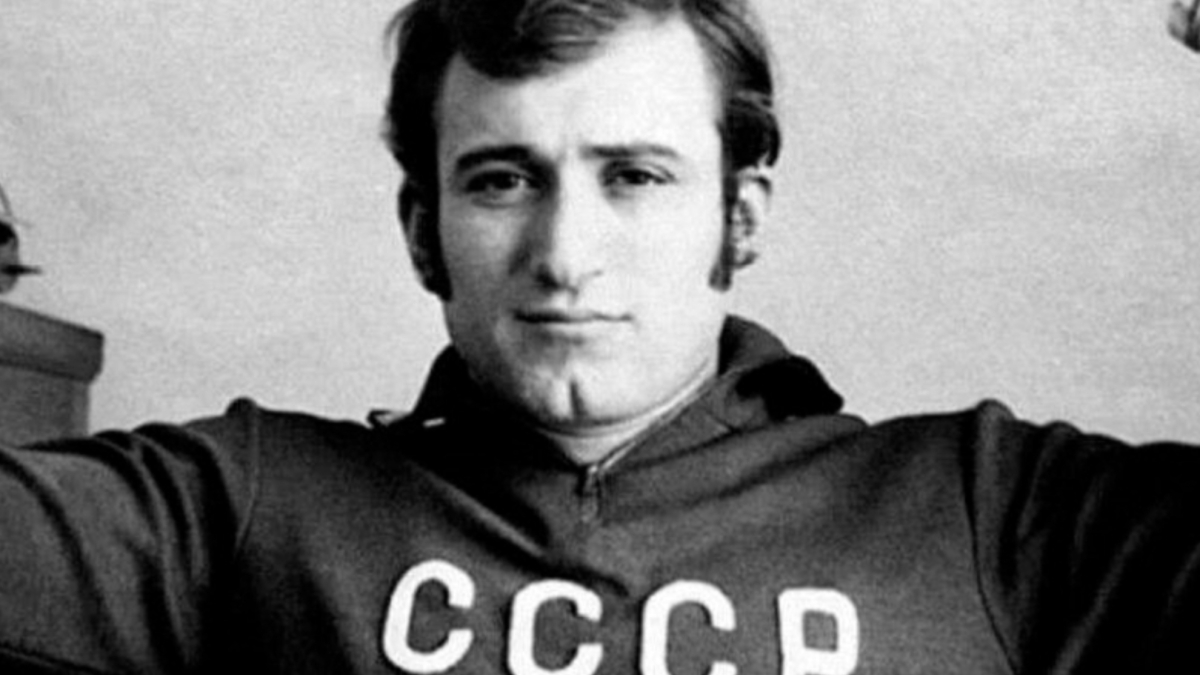
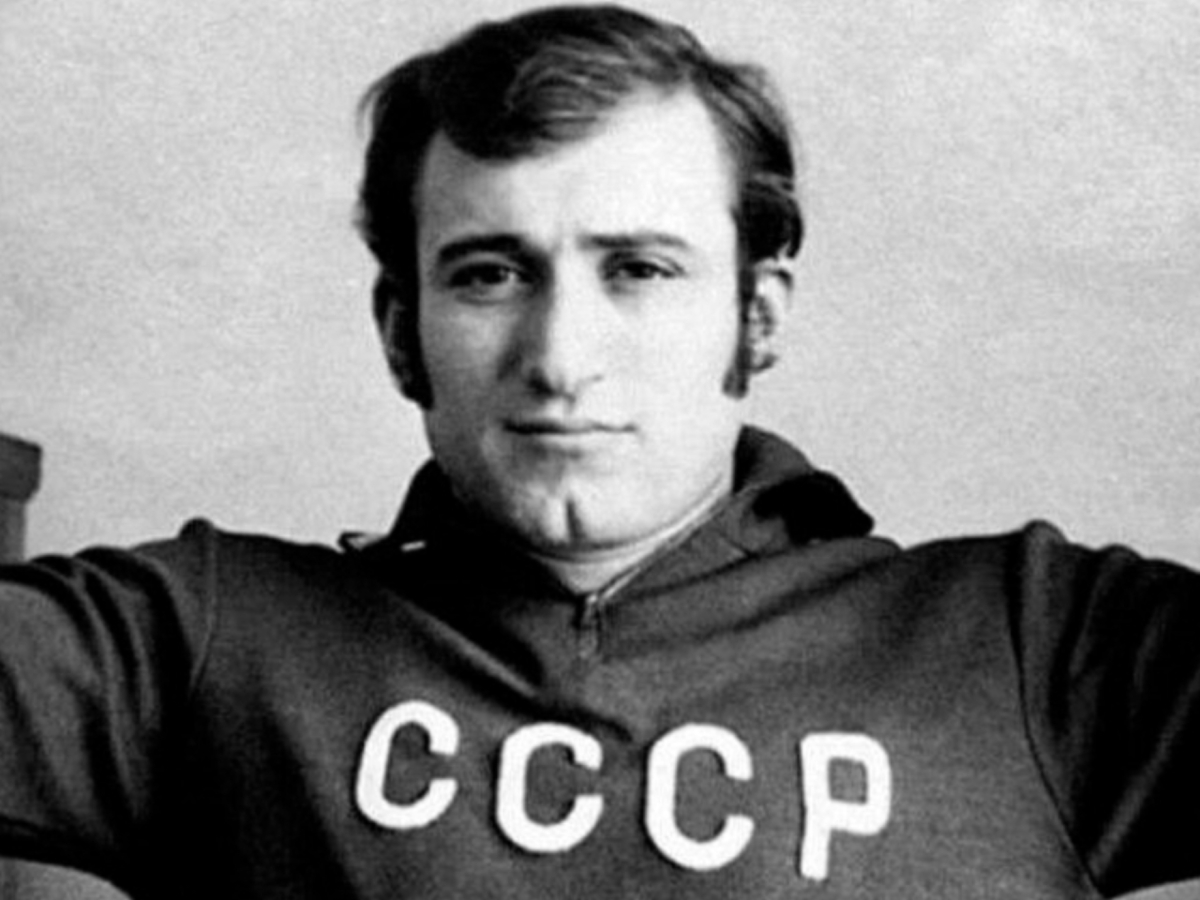
This is an interview with a hero. It happened 50 years ago, on this very day. Shavarsh Karapetyan was 23 years old and was a world legend in fin swimming. He had won several titles and held several records. A trolleybus carrying 90 passengers plunged from the dike into Lake Yerevan , in Armenia , then part of the Soviet Union . Shavarsh had just finished training with his brother Kamo , a 20 km run along the shore. He heard a deafening crash and saw the vehicle sink 25 meters into murky, freezing water. He tells the rest himself, with the help of his daughter Zara, who serves as translator.
Question . What do you remember about the exact instant you decided to jump into the water without thinking twice?
Answer . I remember everything, and I remember nothing. The sound — it was like a bomb exploding. The dust, the mist, the screams. I was finishing a brutal 20-kilometer run with my brother Kamo, carrying weights on my back. We were about 25 meters away. I didn't decide to jump. My body moved before my mind could catch up. It was pure instinct. But I also remember one thing clearly: I turned to the other young men and forbade them to enter the water. I allowed only my brother to stay on the surface to take people from me. I told myself — if something happens to me, my parents will still have him. I knew I could hold my breath for six minutes. I knew my limits. So I jumped. There was no hesitation. There was no time for fear. There were people dying, and I was the only one who could reach them. And also, I understood that if I lost consciousness, only my brother Kamo would be able to pull me out, because he was also a finswimmer. I clearly understood that if we worked as a team — him on the surface, me underwater — we could save more people than if we both dove together and exhausted our strength at the same time. But all of this happened in a matter of seconds, and most likely, what worked in that moment was the fact that I am the older brother and I carry responsibility for the younger one.
Q. How did you manage to orient yourself and act so precisely underwater, in murky water where you couldn't see anything?
Zero visibility. Complete darkness. The silt had risen from the bottom, and the water was black like ink. I couldn't see my own hand in front of my face. So I stopped relying on my eyes. I relied on my hands — on feeling. I dove down ten meters, again and again. I broke the back window with my legs — the glass cut me deeply, but pain was irrelevant. I went inside through that broken window. I searched in the darkness. I touched bodies, I grabbed arms, I pulled people out. It was like being in a nightmare. But I was trained for the water. I knew how to stay calm. I knew how to control my breathing. And I knew that every second I wasted, someone died. So I didn't waste a single one. God did not send just a man who can swim to that place. He sent a finswimmer — someone who knows exactly how to work underwater and how to control his breathing.
Q. At what point did you feel your body reaching its physical limit?
I don't remember how many dives I made. My body was already exhausted from the run. The water was cold — maybe 12 or 13 degrees Celsius. My lungs were burning. My legs were cramping. But the true moment I felt my limit was not when I was exhausted. It was when I surfaced on one of my last dives, completely out of oxygen, almost losing consciousness — and I realized I was holding a leather bus seat in my hands. Not a person. I had grabbed a seat instead of a human being. I could have saved someone else. That moment — the realization that I had made a mistake, that I might have cost a life — that was my true limit. I still dream about that seat sometimes. I still regret it.
Q. You suffered sepsis and serious lung damage from the contaminated water. How did that change your athletic career and your daily life afterward?
The doctors told me I was very close to being taken directly from the shore to the morgue. I spent 45 days in intensive care with double pneumonia and blood poisoning. The sepsis nearly killed me. After a month and a half, I forced myself to stand up. I went back to training. I was not going to let it end like that. In my next competition, I set my last world record. But my lungs were destroyed. The disease eventually won, and I was forced to leave big sport. It changed everything. I couldn't train at the same level. I couldn't push myself the way I used to. But I never complained. I made a choice, and I paid the price willingly. That is what it means to be a man. A person with damaged lungs cannot continue training. No one thought I could set another record — let alone even swim. They didn't believe I could do it. But leaving like that — it was not the Karapetyan way. I set a goal: to break my own last record and leave as a winner. My guardian angel — the same one who told me to be at that place and save those people — also saved me and helped me leave big sport as a champion.
Q. Did your country help you after that episode?
These were not easy times for Armenia. Armenia was just becoming what it is today. And I am the kind of person who believes that there is no heroism in this at all — it is simply a duty. And I am sure that every Armenian would have done the same thing.
In 1982, six years later, an article was published about me. Only then did I receive 60,000 letters from people all over the Soviet Union. But I did not do it for recognition. I did it because people were dying. And I would do it again, even if nobody ever knew my name.
Q. Did you ever feel that the physical price you paid was "too high," or did you never doubt it?
I never doubted it. Not once. I knew the risks. I knew I was sacrificing my body. But let me tell you something important. On that day, I was supposed to be in Hanover, Germany, for the World Championship. But I was not included in the team. It hurt me deeply. So I returned to Yerevan and went to train at the lake. If I had been in Hanover, those 20 people would have died. I believe I was meant to be there. I believe a higher power put me there. So no — the price was not too high. It was exactly what was required. As my father always said, and as I have always believed: in this life, we all owe everything to each other.
Q. Could you tell me about your childhood?
I had three brothers. We all did sports, and we all swam. But swimming was not my first love. When I was a child, my parents sent me to gymnastics. I wanted to be like the Olympic champion in gymnastics — Albert Azaryan. He was my hero. I trained hard. I set a goal for myself to reach great heights. I dreamed of it.
But then, some time passed, and the coach called my father. He told him: "You need to take the boy out of gymnastics. He has nothing. He will not succeed." It was like a punch to the chest. I was devastated. My father was devastated too. For little Shavarsh, it was a real shock. I had set my goal so high, I had believed so strongly — and then I was told I was not good enough. It broke my heart.
So I left gymnastics. I was lost for a while. And then I ended up in swimming by chance... completely by accident. But in the end, as you already understand, it was not a coincidence at all. It was destiny. It was written. What seemed like failure was actually the universe pushing me toward my true path. So now I know: sometimes rejection is redirection. Sometimes losing one dream opens the door to a greater one. That is what happened to me. I learned early that discipline and hard work are not punishments — they are the foundation of everything.
What about my parents? My parents gave me love, but they also gave me responsibility. And I am grateful for that. Because without that foundation, I would not have been able to do what I did later.
Q. You were a world champion finswimmer, but the world remembers you for that day at the reservoir. How do you live with your heroism overshadowing your sporting achievements?
I am proud of my medals. Seventeen world championships. Thirteen European championships. Eleven world records. Those are the results of years of blood, sweat, and sacrifice. But those are titles. What happened on that day at the reservoir was something else — it was a human duty. It does not overshadow my career. It is simply a different part of my life. I often say that anyone can find themselves in a place where somebody needs help. The main thing is not to forget what makes you human. My sporting achievements belong to me. That day at the reservoir belongs to everyone. You are wrong to think that this incident overshadows my sporting achievements. I am a Soviet man. I grew up and became a champion in the Soviet Union. My country was proud of this fact. My parents were proud. And I was proud too.
Q. Does the label of "hero" make you uncomfortable, or do you accept it naturally?
I feel like a man who saw a disaster and reacted. There is a story I like to tell. A group of schoolchildren once formed a society called "Shavarshevtsy" — they dedicated themselves to helping elderly people. They said: "A true hero stays unknown for a long time, like Shavarsh." I was moved by that. But still, I don't wear the word "hero" easily. Because when people call you a hero, they sometimes forget that you are human. They forget that you make mistakes. They forget that you feel pain. I accept it only because I know it comes from love. But inside, I am just a man who did what any man should do.
Q. Do you believe an elite athlete's training — discipline, the ability to endure suffering, staying calm under pressure — was decisive in being able to act that way?
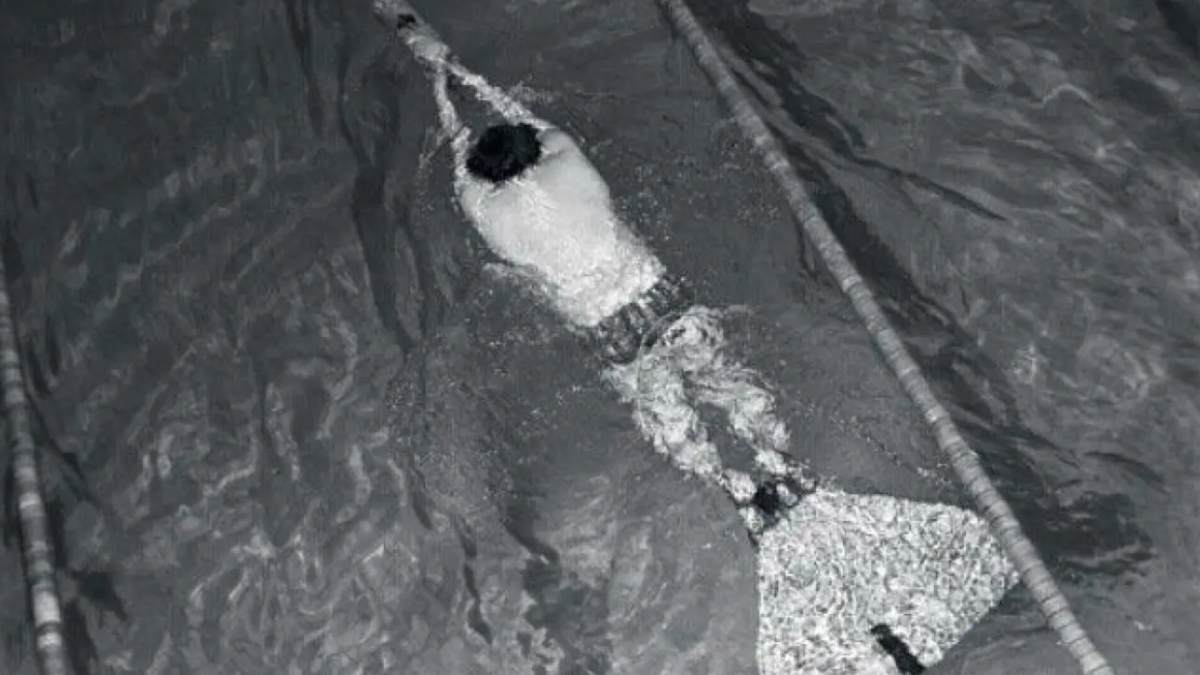
Absolutely. Without my training, I could not have done it. My sport — finswimming — is not just swimming. It is power training, running, and most importantly, breathwork. Learning to hyperventilate. Learning to hold my breath for six minutes. Learning to stay calm in the water under extreme pressure. When I was underwater, I was in my element. My pain tolerance, my ability to endure suffering, my discipline — all of that was honed by years of brutal training. It was not bravery. It was mechanics. It was the reaction of a professional who knew exactly what his body could do. I always tell young athletes: train hard, because you never know when your training will be needed for something greater than sport.
Q. If you could speak to someone today who hesitates to act in an emergency, what would you tell them?
I would say: do not ask yourself if you can. Ask yourself who you are. We are all born as human beings. If you see suffering and you hesitate, then what separates you from the animals? It is not about fear. It is about love. In difficult moments like that, love for your fellow humans grows stronger than fear. If you know you can help, you must help. Otherwise, you cannot call yourself a man. I have lived my whole life by one simple rule: when you see someone in trouble, you don't think — you act. That is what makes us human.
But at the same time, it is stupid to jump in and save someone without assessing your own strength. You should not do that. You must know your limits. You must be honest with yourself. If you cannot help, do not become another victim. That helps no one. So yes — act. But act with your head as well as your heart.
Q . Over the years, has the way you understand what you did that day changed?
No. I have never changed my understanding. I know I did what had to be done. But I do think sometimes about the "what ifs." What if I had been a few seconds faster? What if I had made fewer mistakes? Could I have saved more? but I still think about the ones I didn't save. That feeling does not change. It stays with you forever. But I also understand now, more than before, that I was not acting alone. I was guided by something bigger than myself. And I am at peace with that.
Q. Is there something about that experience you wish people understood, that usually doesn't get told?
Yes. I want people to understand that I am not a superhuman. I am a man. I paid for that day with my health and my career — yes. But the true cost is the memory and human life. Nothing is worth more than a human life: not cars, not apartments, not pedigree, not even airplanes. You take nothing with you to the other world. The most important thing is human life.
I want people to understand: heroism is not a gift. It is a decision. A decision that anyone can make. We just have to be ready for it. And we must be ready not for glory, but for sacrifice. That is the part that usually does not get told. And that is the part that matters most.