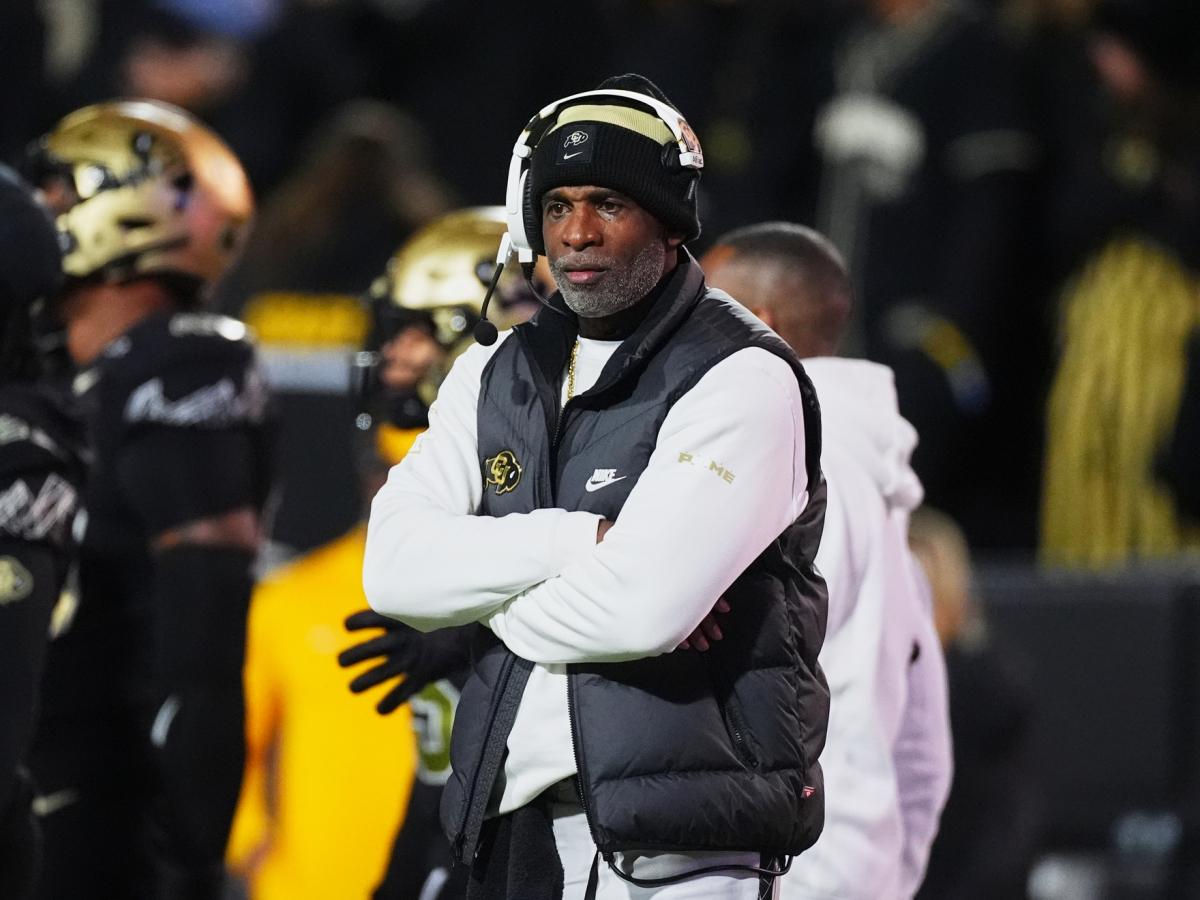
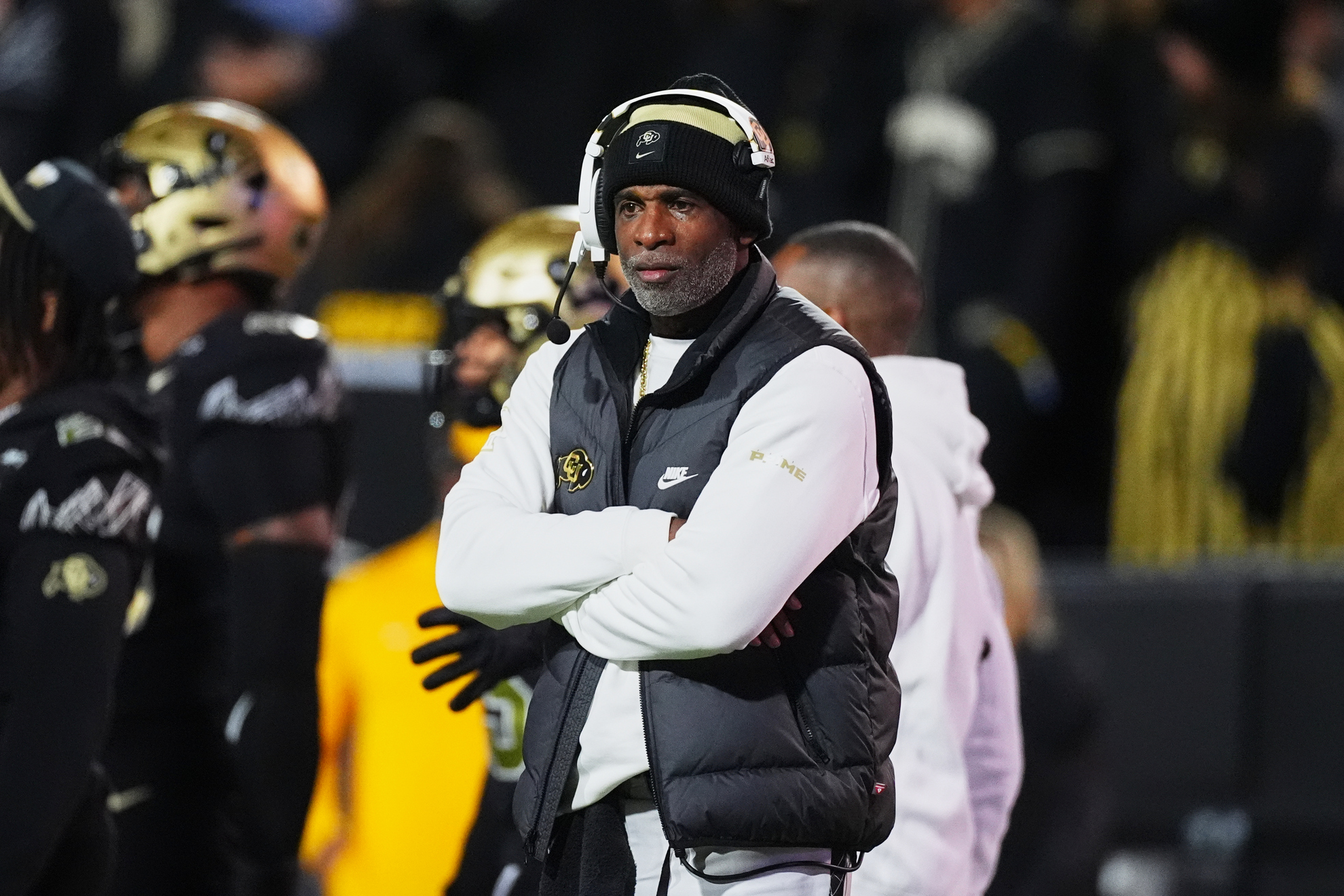
Deion Sanders’ Colorado hot seat heats up again as Cincinnati loss kills momentum from Houston upset
Saturday’s 35-28 defeat at Nippert Stadium eliminated the Buffaloes from bowl contention and locked in a third losing season in four years under Coach Prime
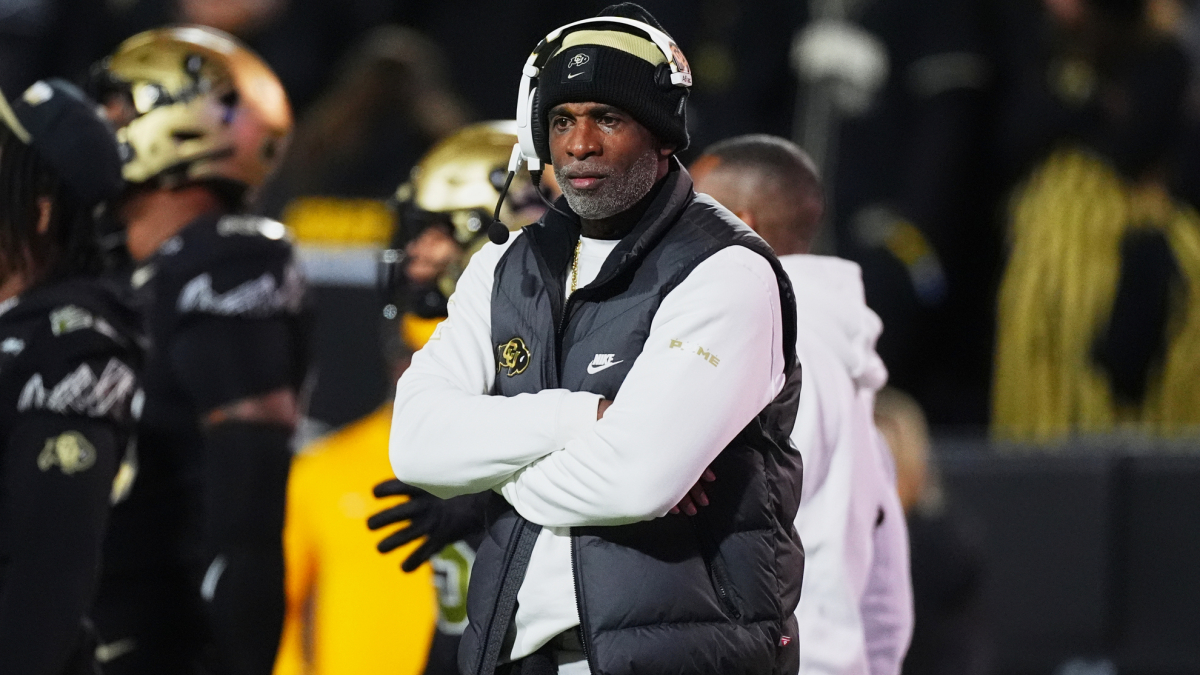
Any optimism generated by Colorado’s recent upset victory over a ranked Houston squad evaporated quickly in Ohio on Saturday afternoon.
Falling 35-28 to Cincinnati , the Buffaloes dropped to 4-7 on the 2026 campaign, officially extinguishing their hopes of reaching the six-win threshold required for bowl eligibility and reigniting intense debate over head coach Deion Sanders ’ long-term future in Boulder.
The setback also guarantees that Sanders will finish with a losing record for the third time in four seasons at the helm of the program.
Aside from a breakthrough 9-4 finish and Alamo Bowl appearance in 2024, when future NFL players Shedeur Sanders and Heisman Trophy winner Travis Hunter anchored both sides of the ball, Colorado has struggled to string together consistent results under the Pro Football Hall of Famer, going 4-8 in his 2023 debut and 3-9 in 2025.
Ironically, Colorado’s offense moved the ball effectively throughout much of Saturday’s contest against a Bearcats team that entered the matchup riding a 12-game November losing streak.
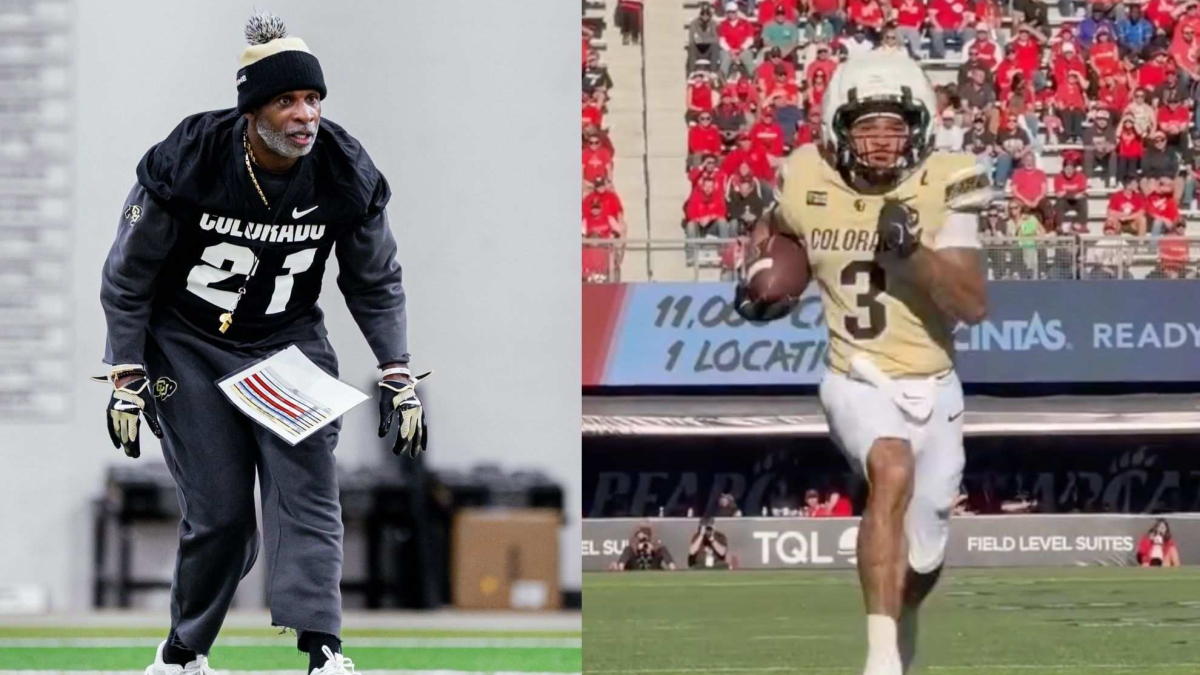
The Buffaloes generated 433 total yards, highlighted by wide receiver Joseph Williams crossing the 1,000-yard receiving mark for the season and quarterback Isaac Wilson tossing three touchdown passes, yet self-inflicted wounds doomed them from the opening quarter.
Facing an early 14-point deficit, Colorado surrendered 225 rushing yards and committed four fatal turnovers, including three interceptions by Wilson.
“Early in the game, we didn't show up,” Sanders said. “We were still on the tarmac. Early turnovers crippled us.”
Taking responsibility afterward for a roster that has swung wildly from week to week, even after turning the starting quarterback job over from highly touted recruit Julian Lewis to Wilson earlier in the fall, Sanders pointed directly to his team’s inability to put all three phases together.
“We just have no true consistency,” Sanders said, per the Associated Press. “We don't know at this point how we're going to show up. Is the offense going to show up, the defense going to show up, the special teams. All of it's on me.”
Buyout math and road woes complicate Colorado’s offseason decision on Sanders
While frustration among supporters has mounted following another bowl-less autumn, removing Sanders would come with a steep financial price tag after Colorado rewarded him with a major contract extension in March 2025.
According to On3, the combination of dismal road results and a massive buyout leaves athletic officials weighing difficult choices over the coming weeks.
“Colorado and Deion Sanders are 1-10 on the road the last two years. With a buyout of approximately $25 million, it remains to be seen if the Buffaloes have the money to move on from Sanders . Sources do not expect any final decision on Sanders ’ future until the regular season concludes next week against UCF,” On3 reported.
That 1-10 road mark over the past two seasons underscores one of the sharpest criticisms of Sanders’ tenure: once the Buffaloes leave Folsom Field, competitive performances have been few and far between.
Although Sanders undeniably revitalized national television interest, university enrollment applications, and Boulder’s local economy upon his arrival in 2023, sustaining Big 12 competitiveness without generational stars has proved far more difficult.
Colorado closes out its 2026 schedule next Saturday, November 28, at home against UCF. While postseason play is already off the table, how fiercely the Buffaloes compete in their season finale could heavily influence whether university leadership commits tens of millions of dollars toward a coaching change or gives Sanders one more offseason to rebuild.