Michigan’s impossible extra play looked right frame by frame now the MAC says it should never have happened
Officials gave Michigan one more play now the MAC says the Broncos should be recognized as the actual winner
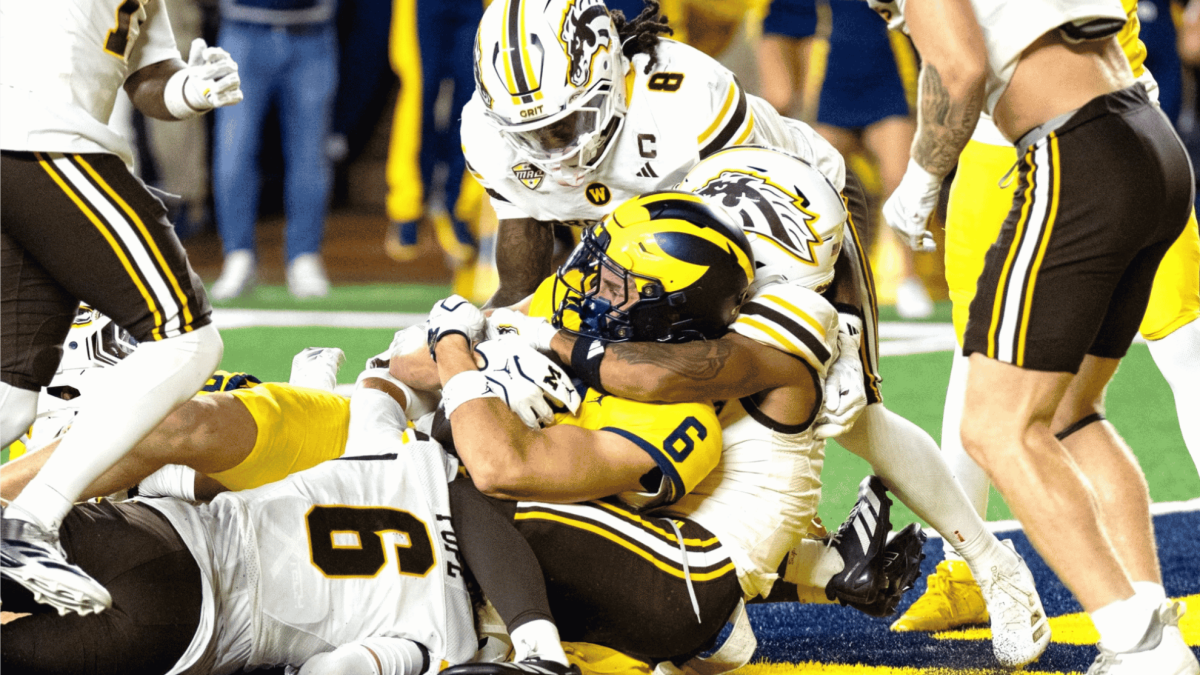
Three days after Western Michigan watched a stunning victory disappear in one extra second, the conference has come back with an extraordinary message: the Broncos should have won the game.
The Mid-American Conference announced Tuesday that it has formally appealed to the NCAA FBS Oversight Committee and the College Football Playof f, asking both to recognize Western Michigan as the actual winner over Michigan for ranking, evaluation and selection purposes.
According to the MAC , replay officials did not properly follow the established protocol when they restored one second to the clock.
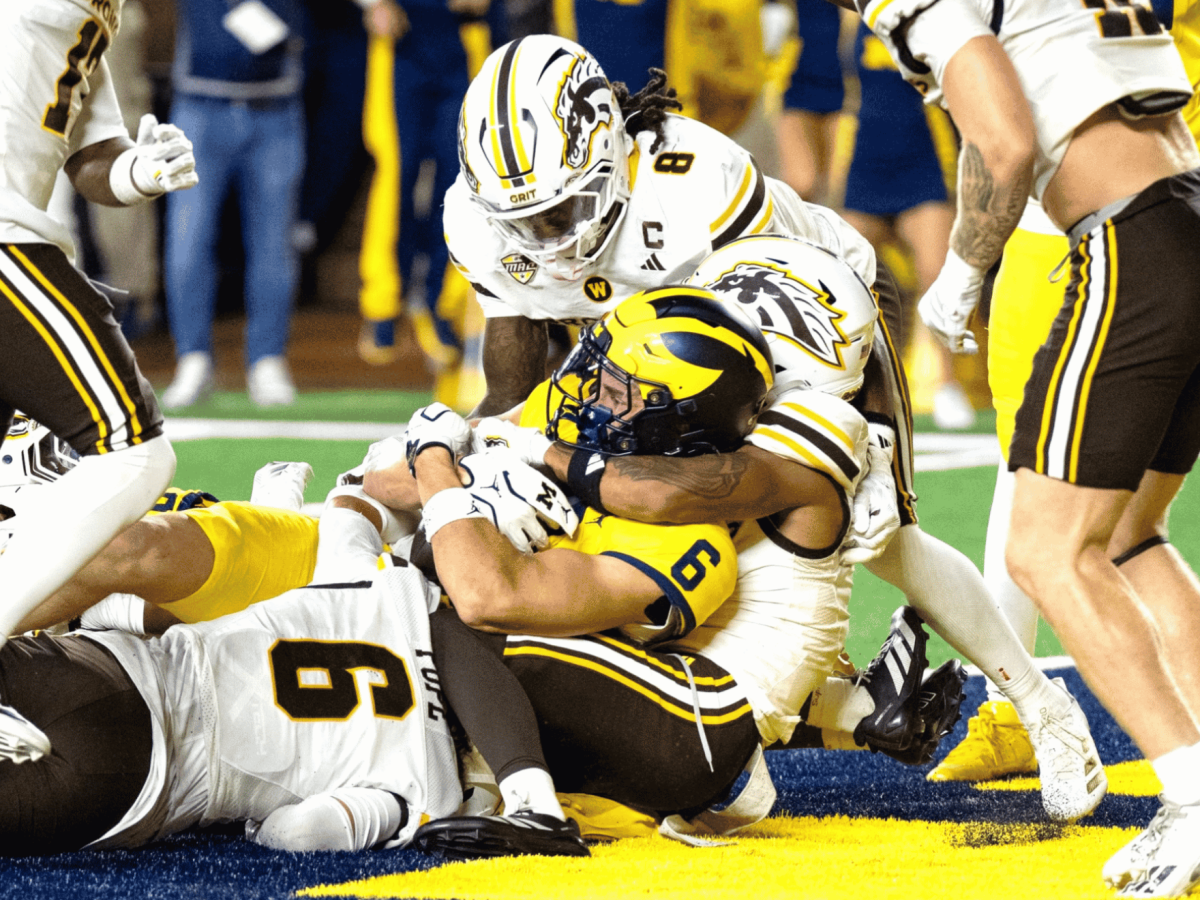
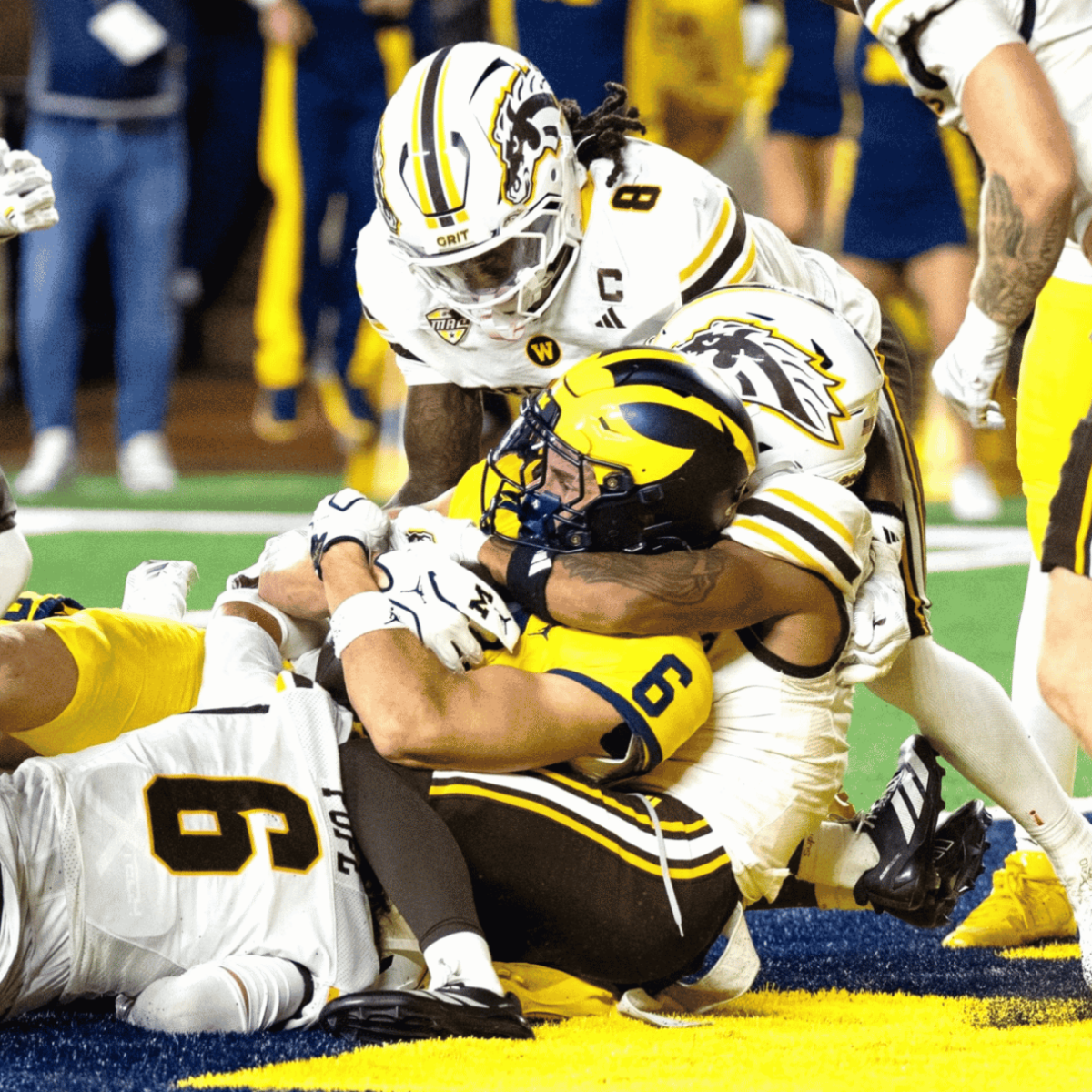
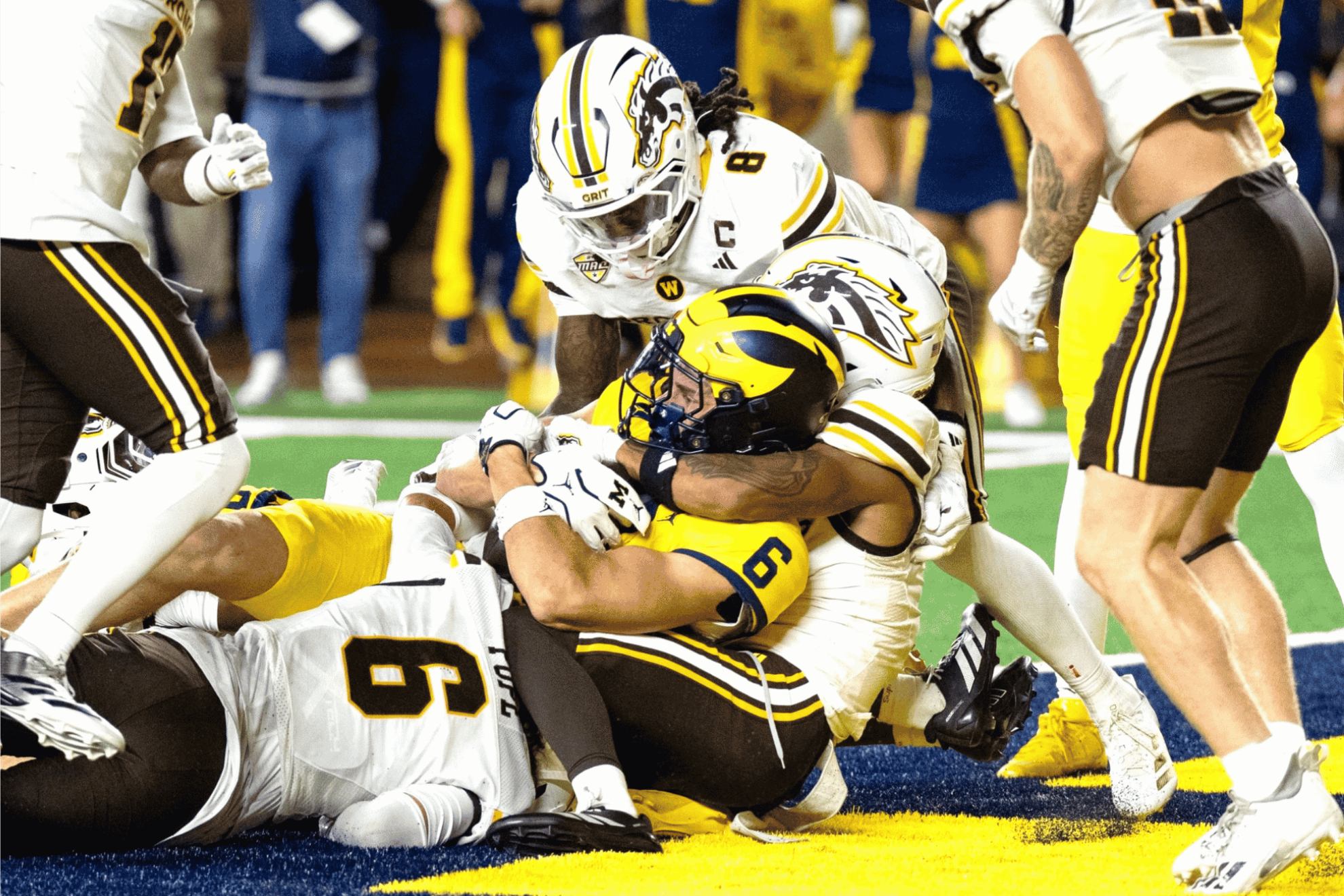
Western Michigan was leading 12-7 when Michigan quarterback Bryce Underwood launched a desperate Hail Mary on what appeared to be the final play. The pass fell incomplete, the clock showed 0:00 and the Broncos began celebrating what they believed was a stunning upset at Michigan Stadium.
Then came the review. Officials determined that Western Michigan safety Micah Davis had touched the football while established out of bounds before time expired. One second went back on the clock.
Underwood suddenly had another chance. This time, his Hail Mary found JJ Buchanan for a 47-yard touchdown. Michigan went from an apparent 12-7 loss to an extraordinary 13-12 victory on a play that, moments earlier, nobody thought would exist.
The outrage was immediate. “With all the technology that is out there you have this nonsense,” one fan wrote on X, blasting the NCAA and comparing the controversy with the technology used at the World Cup to determine extremely close offside decisions.
It was easy to understand the anger. The clock millions of people had watched reached zero while the ball was still in the air . Even Underwood acknowledged afterward that he initially thought the game was over. But then someone decided to examine virtually every frame.
The frame-by-frame video found something nobody wanted to see
“I went looking for proof Western Michigan got robbed,” one social-media user wrote. What he found wasn't what he expected.
Using Astra to synchronize two camera angles, checking the visible stadium-clock ticks and examining the precise moment Davis first touched the football, the analysis concluded that both possible frames of initial contact left some time on the clock.
Even when taking the latest possible frame and shifting the synchronization another frame against Michigan, the result reportedly left approximately 0.03 seconds.
Three hundredths of a second. “Unfortunately, I’m now somewhat confident Michigan deserved the extra play,” the author admitted. “Don't hate me for this, it hurts me as much as you.”
That tiny detail matters because Davis had established himself out of bounds before touching the ball . Under the rule, the ball became dead when he touched it. If time remained at that exact instant, there was an argument for stopping the clock and allowing another play.
The Big Ten defended the ruling after the game, explaining that cameras used by its replay system including one focused on the game clock had been synchronized using a strobe system 85 minutes before kickoff.
So after all the anger, the officials suddenly appeared to have a compelling defense. Maybe they really had found a fraction of a second everyone else missed. Then the MAC looked deeper.
The MAC says officials were looking at the wrong clock
The conference's new argument changes the controversy completely. The MAC isn't saying officials necessarily misidentified the exact instant Davis touched the football. It says they used a clock they weren't supposed to use to make that decision.
“The established replay protocol requires that the game clock displayed on the program feed be used in determining whether time remained,” MAC commissioner Jon Steinbrecher said Tuesday.
Instead, according to the conference, the Big Ten replay crew relied on the clock feed embedded within its replay system.
“This was not a judgment regarding the proper amount of time to place on the clock,” Steinbrecher said. “It was an error in the application of the established replay protocol governing this specific end-of-game timing situation.”
The MAC went even further : had officials followed the required protocol and used the program-feed clock, no additional play would have been awarded and Western Michigan would have won 12-7.
That creates the strangest possibility of this entire controversy. The frame-by-frame analysis may be right. The officials may even have correctly identified that a tiny fraction of a second physically remained when Davis touched the ball.
But the MAC's argument is that they were never supposed to use that clock to find it.
Michigan's 13-12 victory remains the official result, although the controversy has already had consequences. The Wolverines fell out of the AP Top 25 on Tuesday after needing the disputed second-chance Hail Mary to survive at home.
Now the NCAA and College Football Playoff have been asked to consider something even more unusual: treating Western Michigan as the winner for their respective rankings, evaluations and selection decisions despite the official scoreboard saying otherwise.