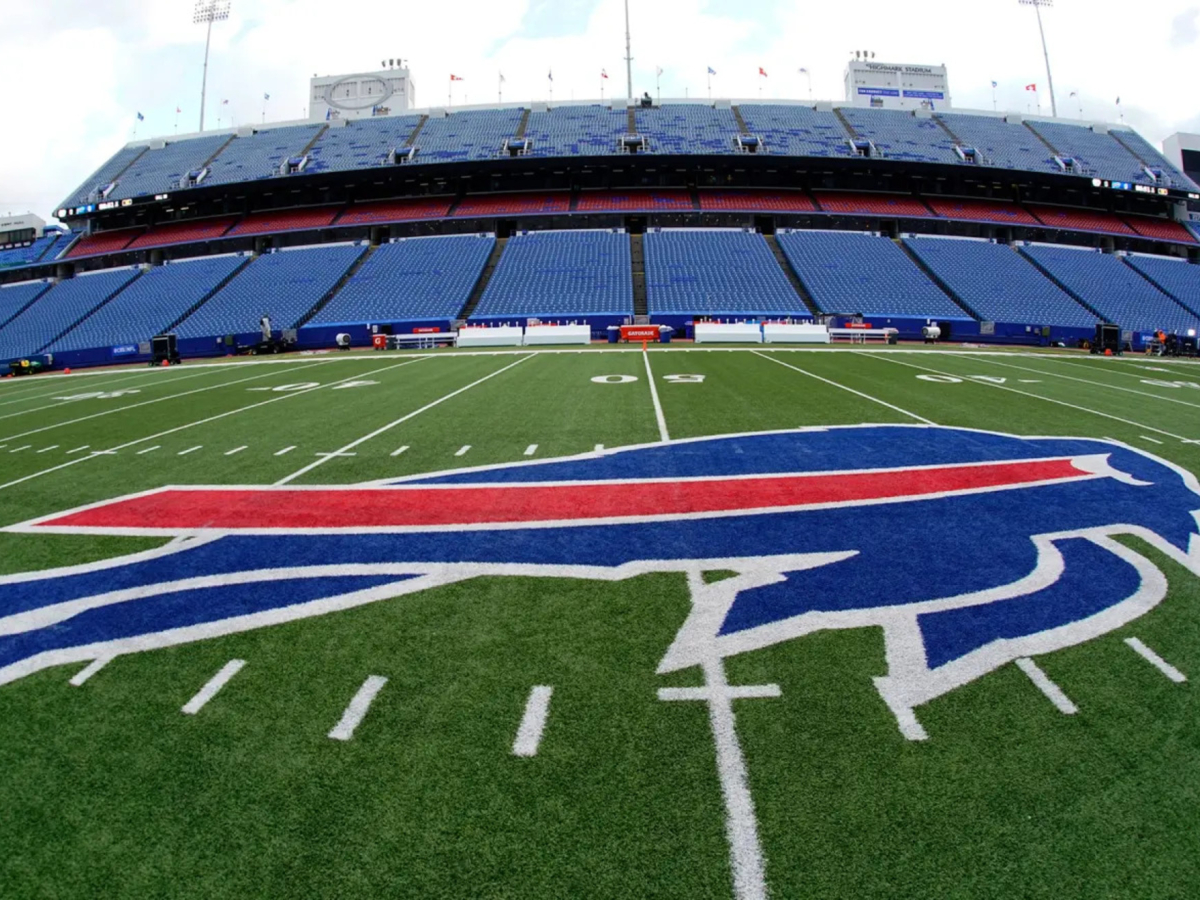
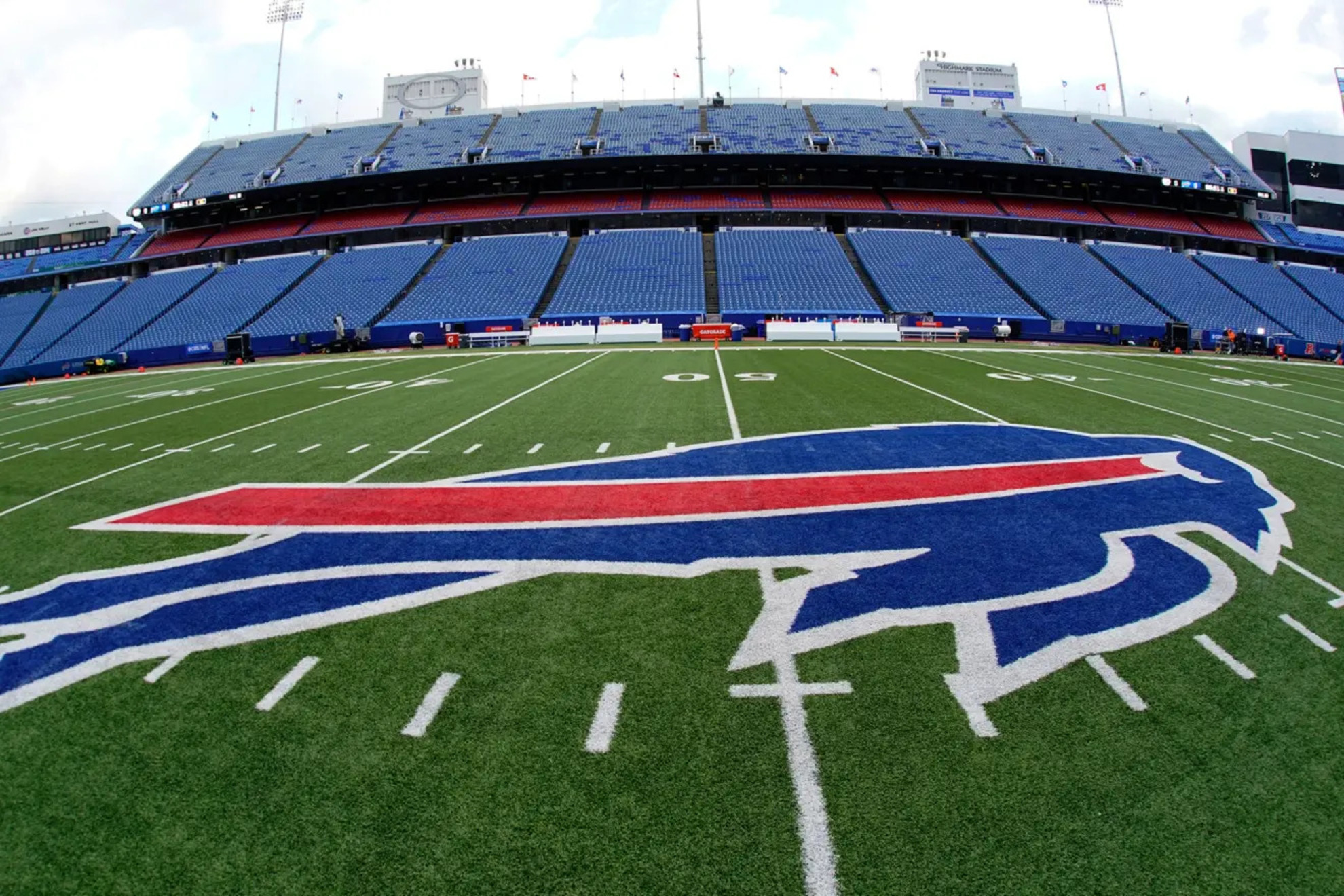
The Buffalo Bills and their bittersweet victory over the Chiefs: Their $2.1 billion stadium is facing ridicule after viral videos showed water leaks and flooding
Buffalo's Thanksgiving triumph over Kansas City was overshadowed by mounting criticism of its expensive roofless stadium
The Buffalo Bills celebrated an important Thanksgiving-night victory over the Kansas City Chiefs , but their success was overshadowed by growing criticism of their expensive new home.
Heavy rain and powerful wind gusts turned the contest at Highmark Stadium into quite the challenging game, with footage and reports of waterlogged conditions prompting questions about the venue's $2.1 billion design.
Buffalo edged Kansas City 13-10, with Tyler Bass delivering a spectacular 57-yard field goal as the clock expired. The victory extended the Bills' winning streak to seven games, although the miserable weather prevented the highly anticipated matchup from producing the offensive fireworks many expected.
Josh Allen struggled to establish his passing game, completing just 10 of 21 attempts for 81 yards while throwing two interceptions. James Cook provided much of Buffalo's offensive production, finishing with 117 rushing yards and a touchdown. Both teams also struggled to find consistency as the rain continued to affect the playing surface.
The exposed field quickly became a major talking point across social media. Fans questioned why Buffalo's expensive new stadium didn't include a retractable roof, particularly with severe weather forecast ahead of kickoff.
"That's what they get for not building a dome. Have fun in that miserable slop fest,” wrote one fan.
“Biggest game of the season, rain absolutely pouring down and the @BuffaloBills just built a brand-new stadium without a roof. What an absolute embarrassment,” wrote another.
Highmark Stadium's open-air design draws criticism
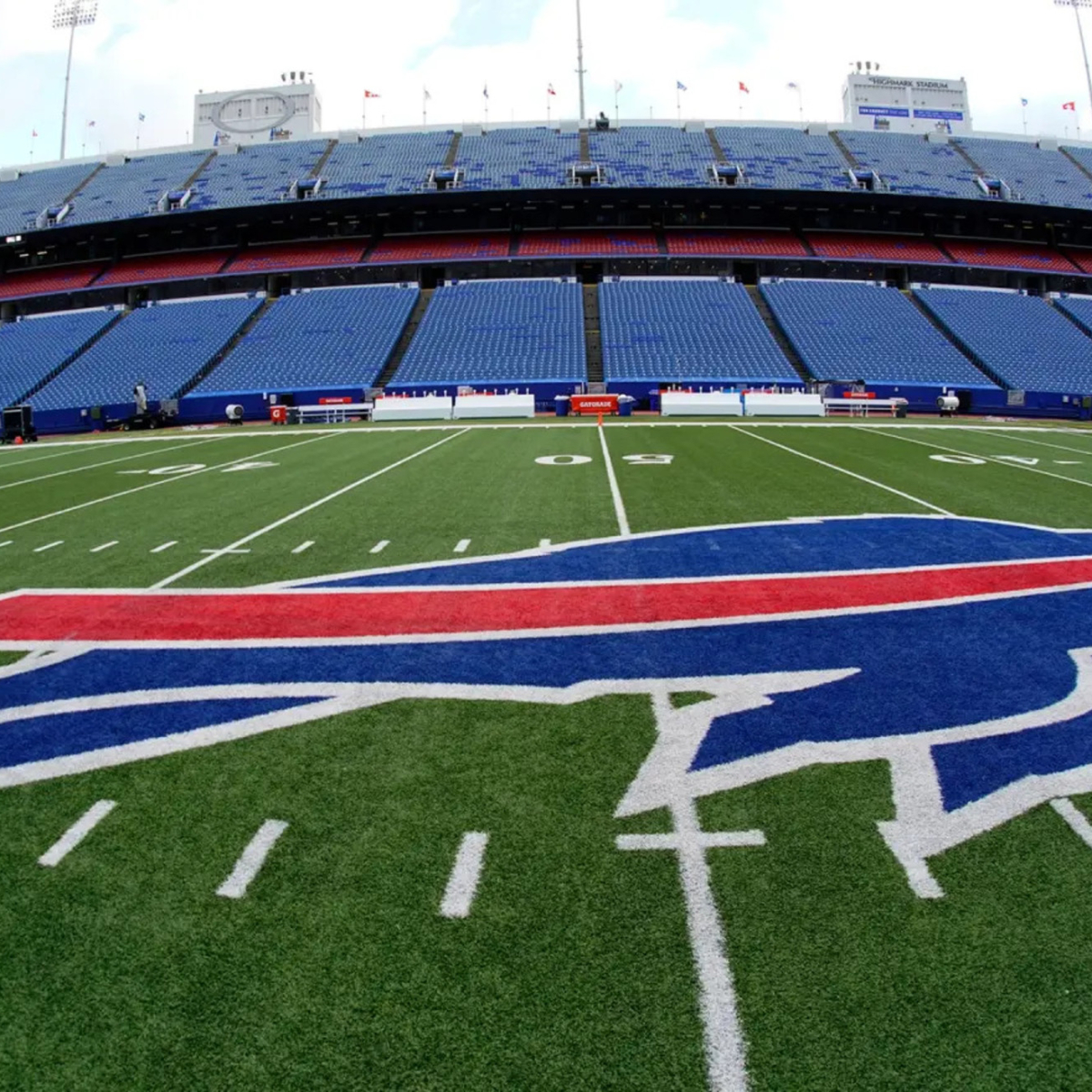
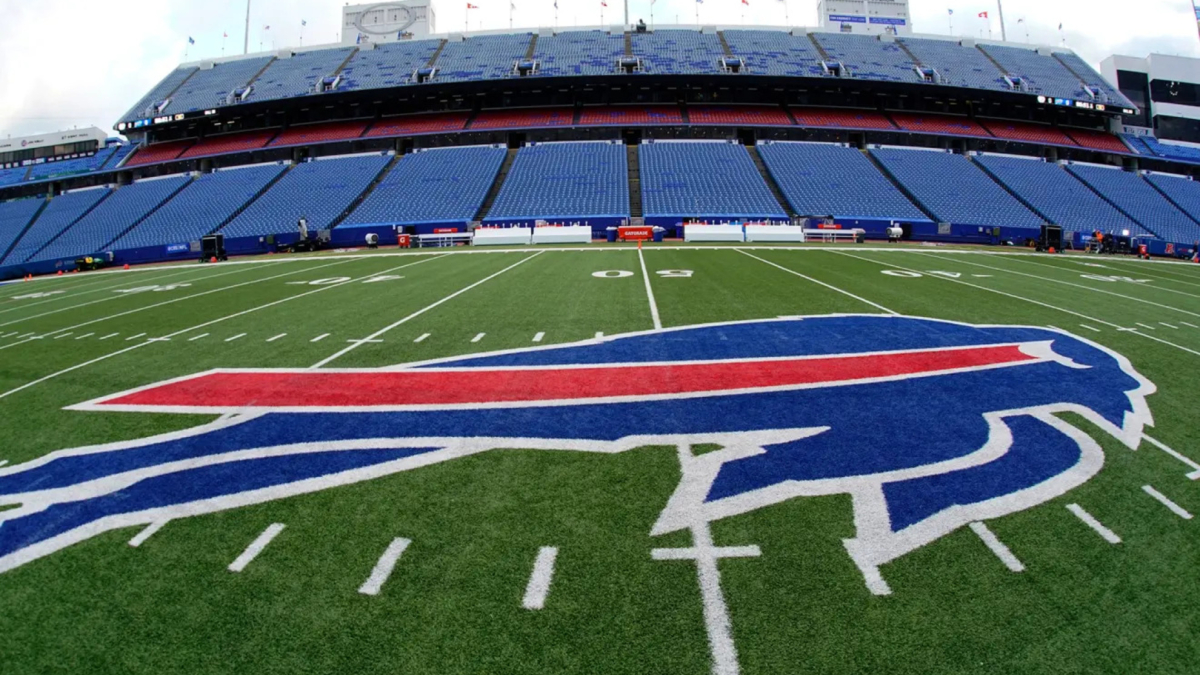
Highmark Stadium officially opened in June 2026, with construction costs exceeding $2.1 billion. Its canopy covers approximately 64% of the seating bowl, providing some protection for spectators while leaving the natural-grass playing surface exposed to changing weather conditions.
The venue does include underground heating coils and a snow-melting system designed to deal with Western New York's notoriously cold winters.
However, those features couldn't prevent the heavy rainfall from creating difficult playing conditions during the Thanksgiving contest.
The decision to leave the field uncovered wasn't an architectural oversight. Bills ownership specifically wanted to preserve the outdoor football atmosphere associated with Buffalo, including the cold-weather advantage that has become part of the franchise's identity.
The canopy was also designed to improve spectator comfort and direct crowd noise towards the playing surface.
Nevertheless, that explanation hasn't convinced everyone. Fans questioned whether an indoor stadium or retractable roof would've been a more sensible investment, particularly given the enormous public contribution towards construction costs. New York State provided $600 million, while Erie County contributed another $250 million.
Concerns about the playing surface also emerged before kickoff. Kansas City reporter Pete Sweeney stated that the field appeared to be struggling after approximately two hours of persistent rainfall.
He compared its uneven appearance to a golf course, suggesting that the conditions could become increasingly problematic as the game progressed.
The Bills' victory will be remembered for Bass's dramatic final kick, however, the stadium discussion isn't going away.