Caleb Williams has a Joe Montana problem, and a chance to make history
Williams recorded his third game this season with at least one touchdown pass, no interceptions and a completion percentage of 70% or higher
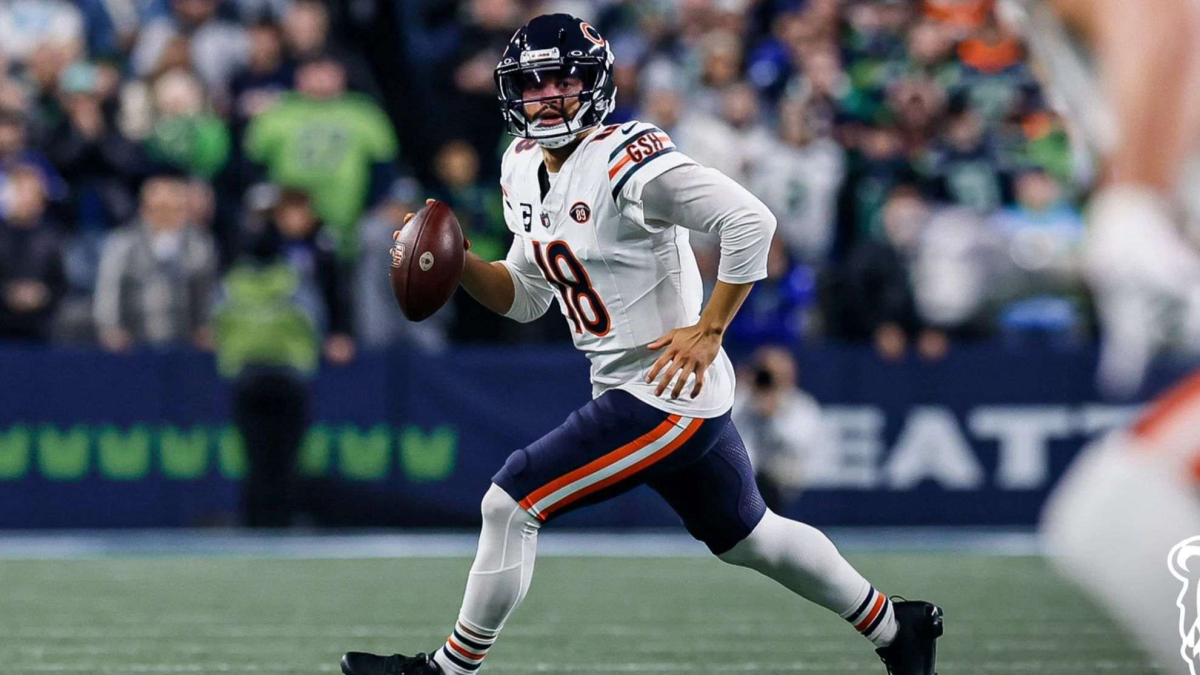
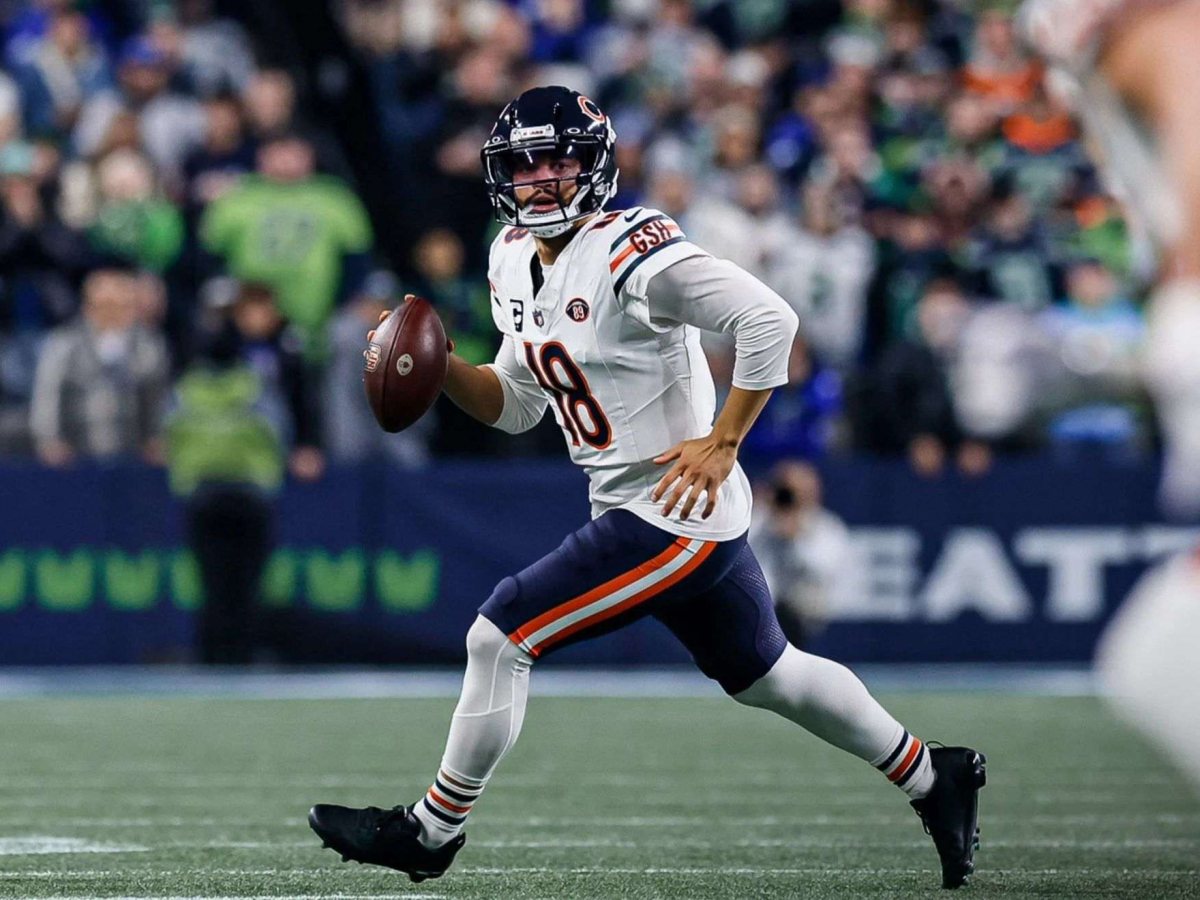
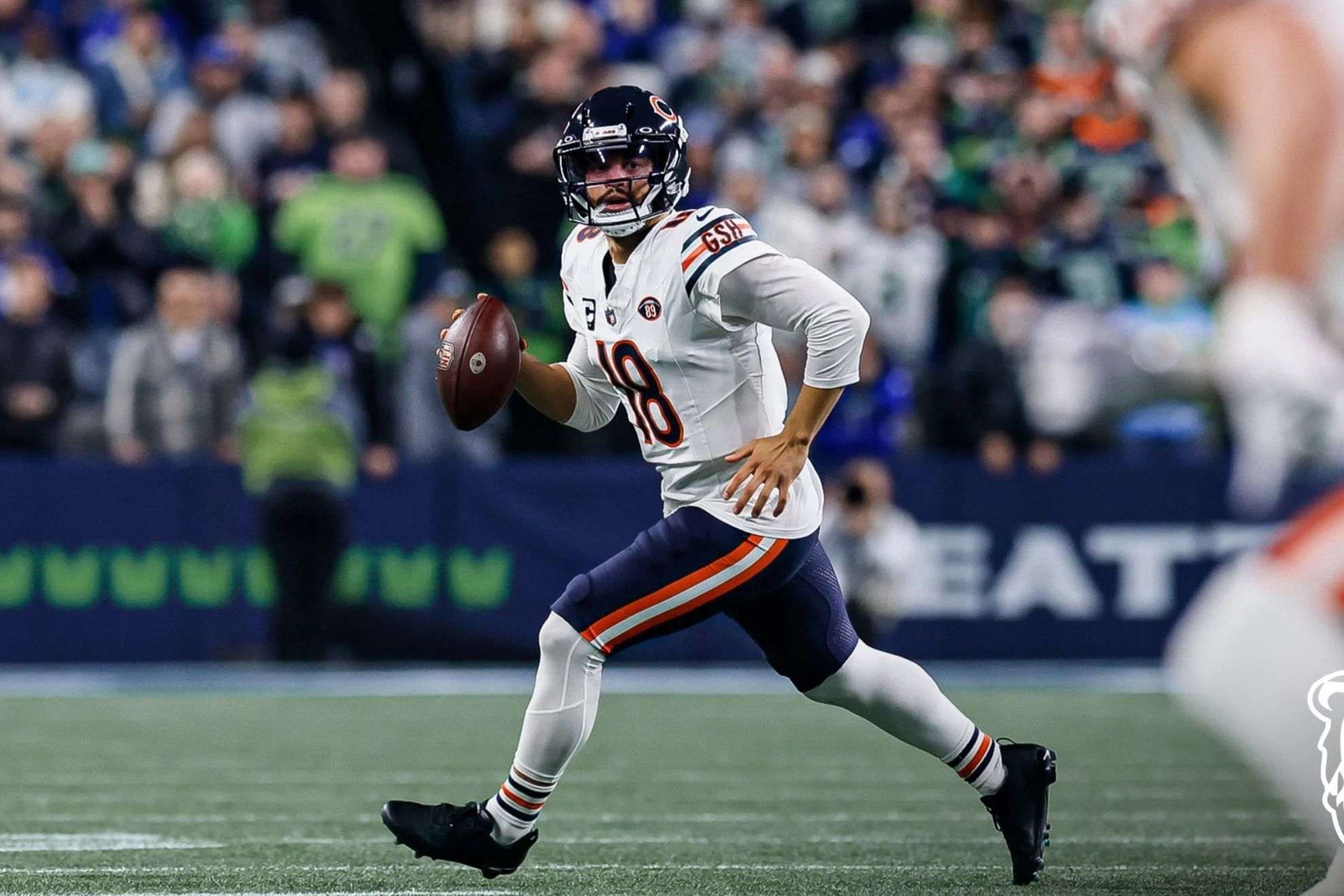
C aleb Williams delivered the kind of performance that can change the conversation around an NFL quarterback . Now, the Chicago Bears star faces a challenge that could prove just as difficult as dismantling the league’s best defense: overcoming history in the race for the Most Valuable Player award. Williams put together an impressive performance Monday night, leading the Bears to a 34-17 road victory over the Seattle Seahawks.
The second-year quarterback completed 24 of 34 passes for 247 yards and a touchdown without throwing an interception, exposing a defense that had entered the game allowing the fewest passing yards and total yards per contest in the NFL.
But according to NFL.com senior news writer Kevin Patra, Williams' MVP aspirations face a significant obstacle. A hamstring injury forced him to miss three games this season, placing him in a historically unfavorable position in the race for the league's most prestigious individual award.
There is, however, one notable exception to that history: Joe Montana. The San Francisco 49ers legend missed three games during his 1989 MVP campaign and still won the award in a landslide. If Williams can maintain his current level of efficiency and lead Chicago to the top of the NFL, he could follow a path that very few players have managed to navigate.
Williams dismantles Seattle's top-ranked defense
Seattle entered Monday night's matchup with one of the NFL's most imposing defensive units under head coach Mike Macdonald. The Seahawks were allowing just 144.4 passing yards per game and 233.9 total yards, both league-leading figures.
No opposing quarterback had thrown for 200 yards against Seattle during the season. The defense had limited San Francisco's Brock Purdy to 189 passing yards in Week 5 and held Patrick Mahomes to 165 yards in Week 7. Williams ended that streak in convincing fashion.
The Bears quarterback completed 70.6% of his passes, threw for 247 yards and avoided turnovers as Chicago controlled the game in a 17-point victory at Lumen Field. It was another example of the progress Williams has made in his second season under head coach Ben Johnson.
According to NFL Research, Williams recorded his third game this season with at least one touchdown pass, no interceptions and a completion percentage of 70% or higher. That tied him for the most such performances in the league.
He also became the first quarterback to produce that combination against Seattle since Baker Mayfield in Week 5 of the 2025 season. Since Macdonald took over as the Seahawks' head coach in 2024, only Mayfield, Jordan Love and Jared Goff had previously accomplished the feat.
Williams was not flawless. Chicago had three three-and-out possessions, and the quarterback missed a few throws. But his overall performance demonstrated an increasing command of Johnson's offense, an encouraging development for a Bears team with legitimate ambitions in the NFC.
Why three missed games could cost Williams the MVP
Williams' injury creates a problem that extends beyond the statistics he lost while sidelined. NFL MVP voters have historically favored quarterbacks who combine elite production with durability and consistent availability throughout the regular season. Since the 1970 AFL-NFL merger, only one player has won the MVP award after missing three games in a non-strike-shortened season: Montana in 1989.
The historical record is striking. Of the 53 MVP awards covered by Patra's comparison, only 11 winners missed at least one game during their award-winning seasons. Many of those absences came late in the year, when players sat out to prepare for the playoffs rather than because of injuries that significantly interrupted their campaigns.
Only five of those MVPs missed more than one game. Three were running backs: Larry Brown's fellow Dallas star Emmitt Smith , who missed the first two games of his 1993 season amid a contract dispute, Marshall Faulk in 2000 and other multi-game absences recorded by running backs in the historical sample.
Quarterbacks have faced an especially difficult path. Steve McNair shared the 2003 MVP award with Peyton Manning after missing two late-season games with calf and ankle injuries. McNair nevertheless led the league in passer rating and yards per attempt.
Williams' three missed games therefore represent a substantial hurdle
Even an outstanding finish may not be enough if other candidates remain healthy and continue producing at an elite level. Montana's MVP campaign is the exception Williams can look to for inspiration. The 49ers quarterback missed Weeks 6, 8 and 15 in 1989, along with portions of other games, but remained the league's most efficient passer.
He completed 70.2% of his attempts, posted a 6.7% touchdown rate and completed 53.7% of his dropbacks successfully. He averaged 9.1 yards per attempt and 270.8 passing yards per game while recording a 112.4 passer rating, then a record.
Montana earned 62 of 70 votes in the MVP balloting, winning decisively despite his absences. The circumstances were important. Montana was the best quarterback on the NFL's best team, and his efficiency helped offset the counting statistics he lost by missing games.
His performance showed that voters can overlook missed time when a player establishes a clear advantage over the competition. That is the formula Williams would need to replicate.