The Chicago Bears are legitimate Super Bowl threats, but one problem could derail their season
Its first nine games have also revealed weaknesses that could become costly against the NFL’s best teams in January
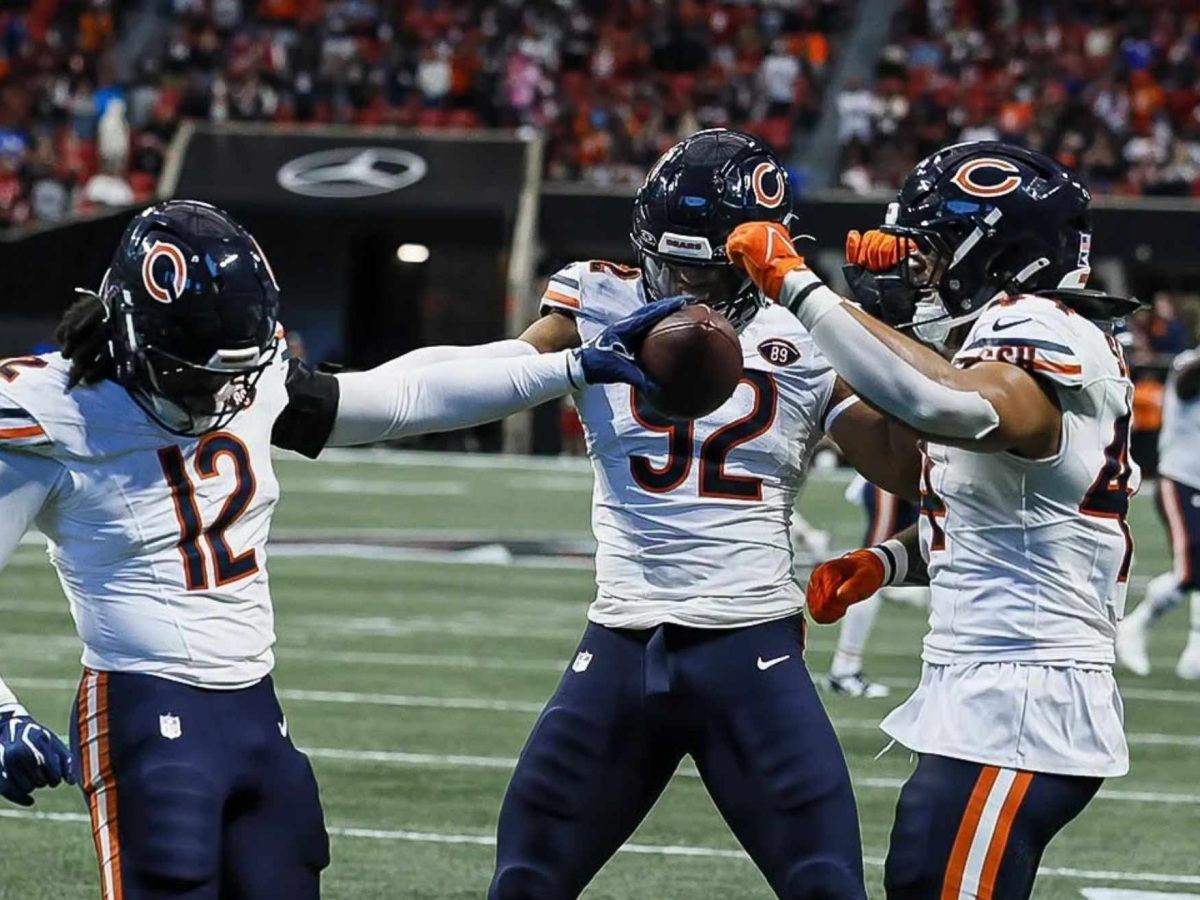
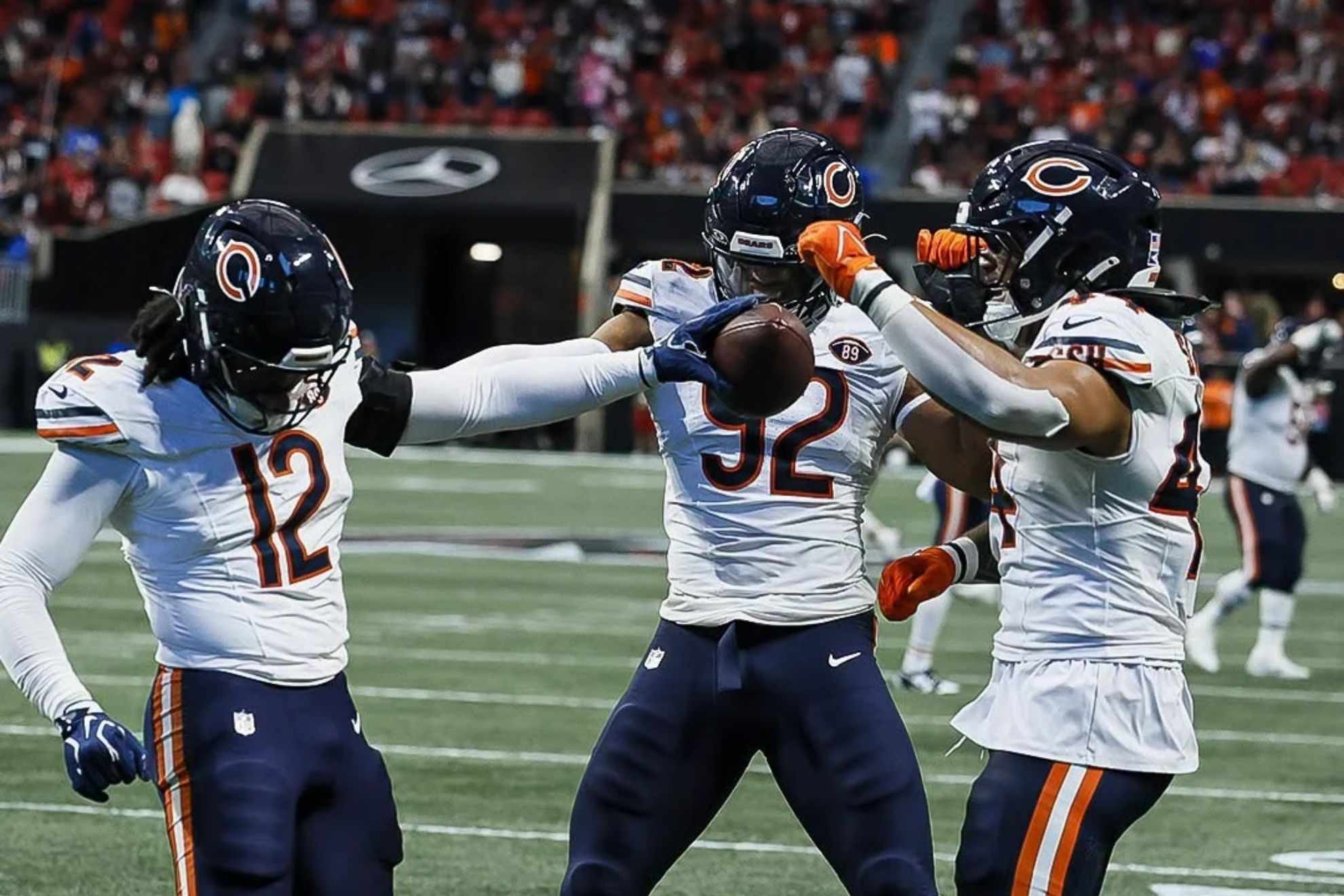
T he Chicago Bears have moved from an intriguing playoff team to a legitimate Super Bowl conversation. With a 7-2 record entering their Week 10 bye, Chicago has put itself in an excellent position to defend its division title and make another deep postseason run. But while the team’s overall performance suggests it has the ingredients to compete for a championship, there is one important question that could determine how far this group goes: Can the Bears rediscover their dominant running game?
After coming within one victory of the NFC Championship Game last season, Chicago entered 2026 with significant expectations. General manager Ryan Poles addressed several defensive needs during the offseason, while the addition of defensive tackle Jeffery Simmons through a major trade gave the roster another potentially game-changing piece.
The results have been encouraging. The Bears have demonstrated that they can win games in different ways, their offense has shown considerable explosiveness when quarterback Caleb Williams is healthy, and their defense has delivered some of its best performances over the past two weeks.
Analytics suggest Chicago has the foundation of a championship-caliber team. Nevertheless, its first nine games have also revealed weaknesses that could become costly against the NFL’s best teams in January. Caleb Williams and the offense have the potential to become unstoppable
The biggest reason for optimism in Chicago remains its offense
Williams missed three and a half games because of a hamstring injury, disrupting the unit’s rhythm during an important stretch of the season. However, since returning, the young quarterback has helped restore the explosiveness that makes the Bears such a difficult matchup.
Chicago has an intriguing combination of talent: an exceptionally gifted quarterback, an imaginative playcaller and a collection of offensive weapons capable of creating problems for opposing defenses. The offense has already demonstrated its ceiling, but consistency remains an issue.
Williams’ four-interception performance in Week 9 was a particularly concerning example. Instead of controlling the game, the quarterback made costly mistakes that exposed one of the potential weaknesses in Chicago’s championship ambitions.
Weeks 3 and 5 also featured difficult offensive performances, suggesting that the Bears still have stretches in which their execution falls below expectations. That is an important distinction between being a good regular-season team and becoming a Super Bowl contender . In the postseason, mistakes against elite defenses can quickly end a team’s championship hopes.
Williams has the talent to become one of the league’s most dangerous quarterbacks, but protecting the football and making better decisions under pressure will be essential during the second half of the season.
The running game is the biggest concern
If there is one area where Chicago needs to improve, it is the ground attack. Early in the season, the Bears demonstrated an ability to overwhelm opponents with their rushing production. At one point, the offense was consistently approaching or exceeding 200 rushing yards per game, giving opposing defenses very few opportunities to focus exclusively on Williams.
That balance made Chicago particularly dangerous. A productive running game takes pressure off the quarterback, helps control possession and creates opportunities for play-action passes. It also allows an offense to remain effective when the passing game encounters difficulties.
However, the Bears have not maintained that level of production recently. The decline is significant because Chicago’s offensive identity benefits from having multiple ways to attack opponents. When the running game becomes less effective, defenses can devote additional attention to Williams and make the passing attack more predictable.
This is where the Bears must rediscover their early-season form. They do not necessarily need to produce 200 rushing yards every week, but establishing a consistent ground attack would make the offense more difficult to defend and reduce the pressure on Williams to deliver spectacular performances on every possession.
Are the Bears Super Bowl contenders?
The numbers and their 7-2 record provide a compelling case that Chicago belongs in the championship conversation. The combination of Williams’ upside, an improving defense and the personnel assembled by Poles gives the Bears a foundation to compete with the NFL’s best.
But there is one major catch: They must become a more balanced and consistent offensive team. If Chicago can rediscover its dominant rushing attack while protecting the football, its championship aspirations will become much more credible.
The Bears have already shown they can win games. Now they must demonstrate that they can sustain that level of performance against the teams they will eventually need to beat in January.