The concerning trends the Bengals have shown could make them pay big later in the season
Cincinnati has demonstrated resilience, but repeatedly needing late rallies to defeat struggling opponents is a risky way to navigate a campaign
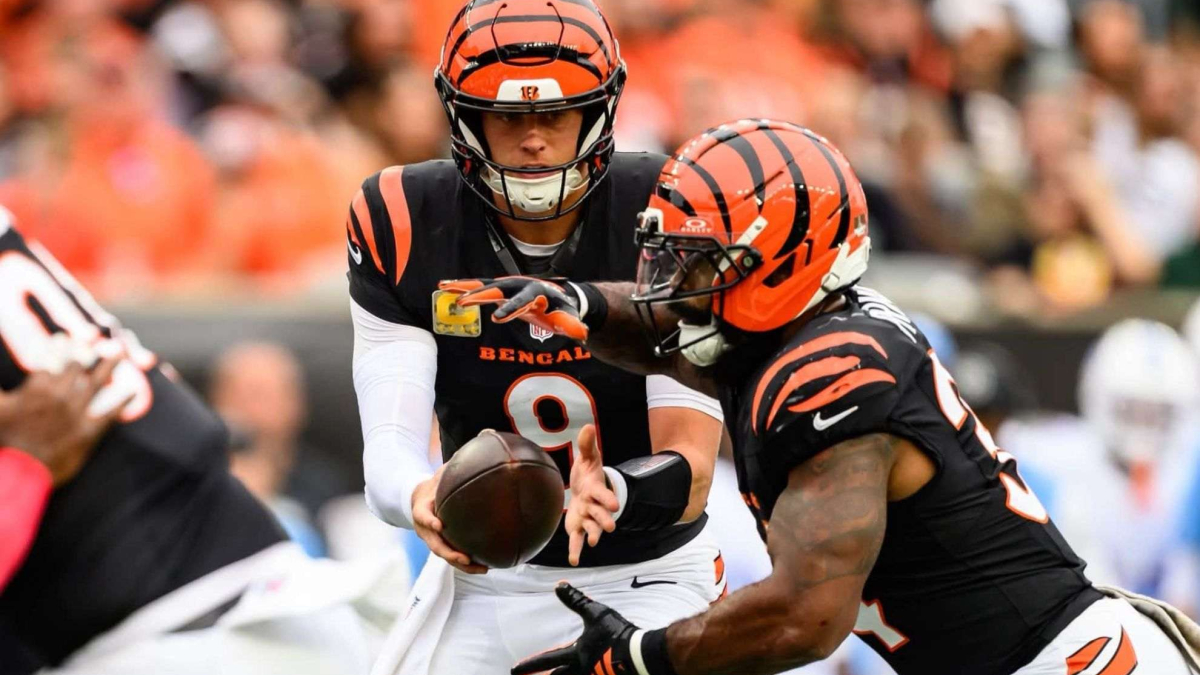
T he Cincinnati Bengals are winning games, but their latest escape act suggests they may have more problems than their record indicates. Cincinnati improved to 5-2 after surviving an overtime battle against the Tennessee Titans, extending its winning streak to three games and remaining firmly in the hunt in a competitive AFC North . On paper, the Bengals have plenty of reasons to feel encouraged about their position as the season progresses.
However, NFL.com digital content producer Bobby Kownack has highlighted several concerning trends that could threaten Cincinnati's momentum if they continue unchecked. The most immediate issue is the Bengals' tendency to fall behind early. For the second consecutive week, Cincinnati found itself trailing 13-0, although the latest deficit came at the end of the first quarter rather than at halftime, as it did against the Baltimore Ravens.
The Bengals responded more quickly this time, recovering enough to take a lead into halftime. But unlike their comeback against Baltimore, they could not put the game away, allowing the Titans to drag them into overtime. That pattern is becoming difficult to ignore. Cincinnati has demonstrated resilience, but repeatedly needing late rallies to defeat struggling opponents is a risky way to navigate an NFL season.
Bengals keep finding ways to win, but the warning signs are growing Cincinnati's three-game winning streak offers a compelling argument for optimism. Teams that can recover from difficult starts and finish close games often develop the confidence necessary to compete when the stakes rise.
The concern is how frequently the Bengals are putting themselves in those situations
In their recent stretch, Cincinnati needed overtime to outlast a Tennessee team that entered the matchup with only one victory. Before that, the Bengals were sluggish for long stretches against Baltimore , which was relying on backup quarterback Tyler Huntley, and allowed the previously winless Miami Dolphins to make a late push.
Those performances followed two consecutive losses, meaning Cincinnati has spent much of its recent schedule trying to recover from mistakes rather than controlling games from start to finish. The distinction matters. Winning close games is a valuable skill, but relying on fourth-quarter comebacks and overtime finishes leaves little room for error.
Eventually, an opponent may capitalize on a slow start, a defensive breakdown or a missed opportunity. The challenge is turning its resilience into consistency.
Defense forces turnovers but struggles to close games
The Bengals' defensive performance against Tennessee illustrated the contradiction at the heart of their recent success. Cincinnati forced two turnovers, creating opportunities to gain control of the game. Yet the defense could not produce enough stops to make the victory comfortable, allowing the Titans to remain within reach until overtime.
Turnovers can change the course of an NFL game , but they are not a substitute for consistent defensive execution. A unit must also limit sustained drives, get off the field on third down and prevent opponents from turning promising possessions into points.
When a defense creates takeaways but still allows an inferior opponent to stay competitive, questions inevitably arise about whether it can hold up against stronger offenses. That concern is especially relevant in the AFC North, where Cincinnati cannot afford to give divisional rivals repeated opportunities to exploit defensive lapses.
The Bengals have shown that they can generate game-changing plays. The next step is making those plays part of a more complete defensive performance. Falling behind 13-0 in consecutive games is another trend Cincinnati must address. The encouraging part is that the Bengals responded earlier against Tennessee than they did against Baltimore.
Their ability to recover before halftime demonstrated that they can adjust when a game begins to slip away. But repeatedly needing to climb out of significant deficits puts additional pressure on both the offense and defense. Playing from behind can force an offense to become more predictable, increase the urgency of every possession and leave a defense vulnerable to fatigue when it must spend too much time on the field.