How the Dallas Cowboys Cheerleaders' demanding schedule takes toll on their bodies: Injuries and painful surgery
From hip reconstruction to spinal injuries, former dancers have opened up about the physical sacrifices involved
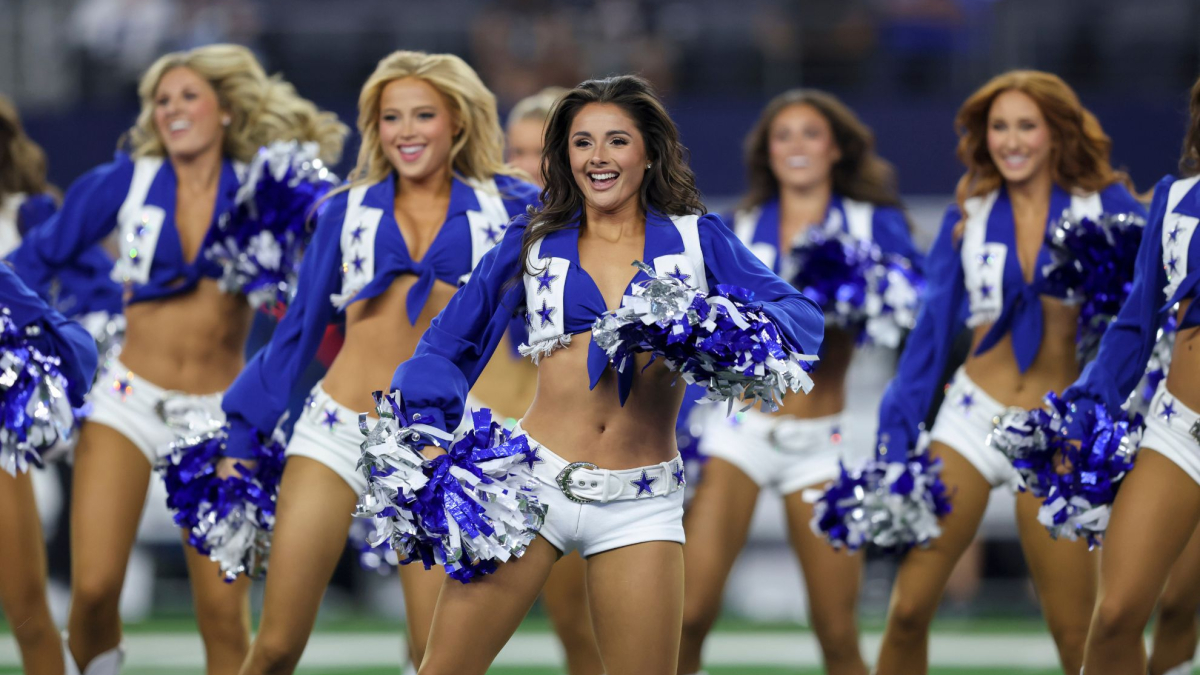
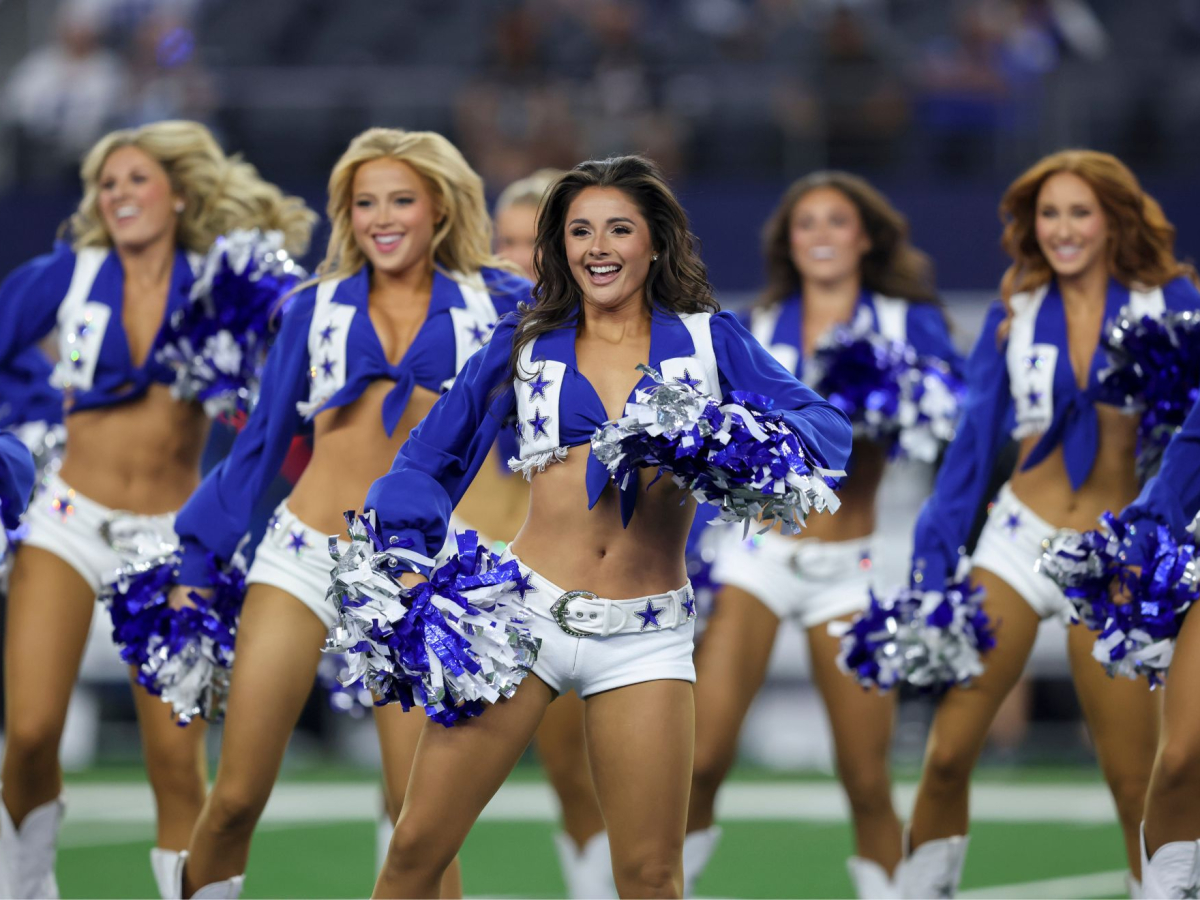
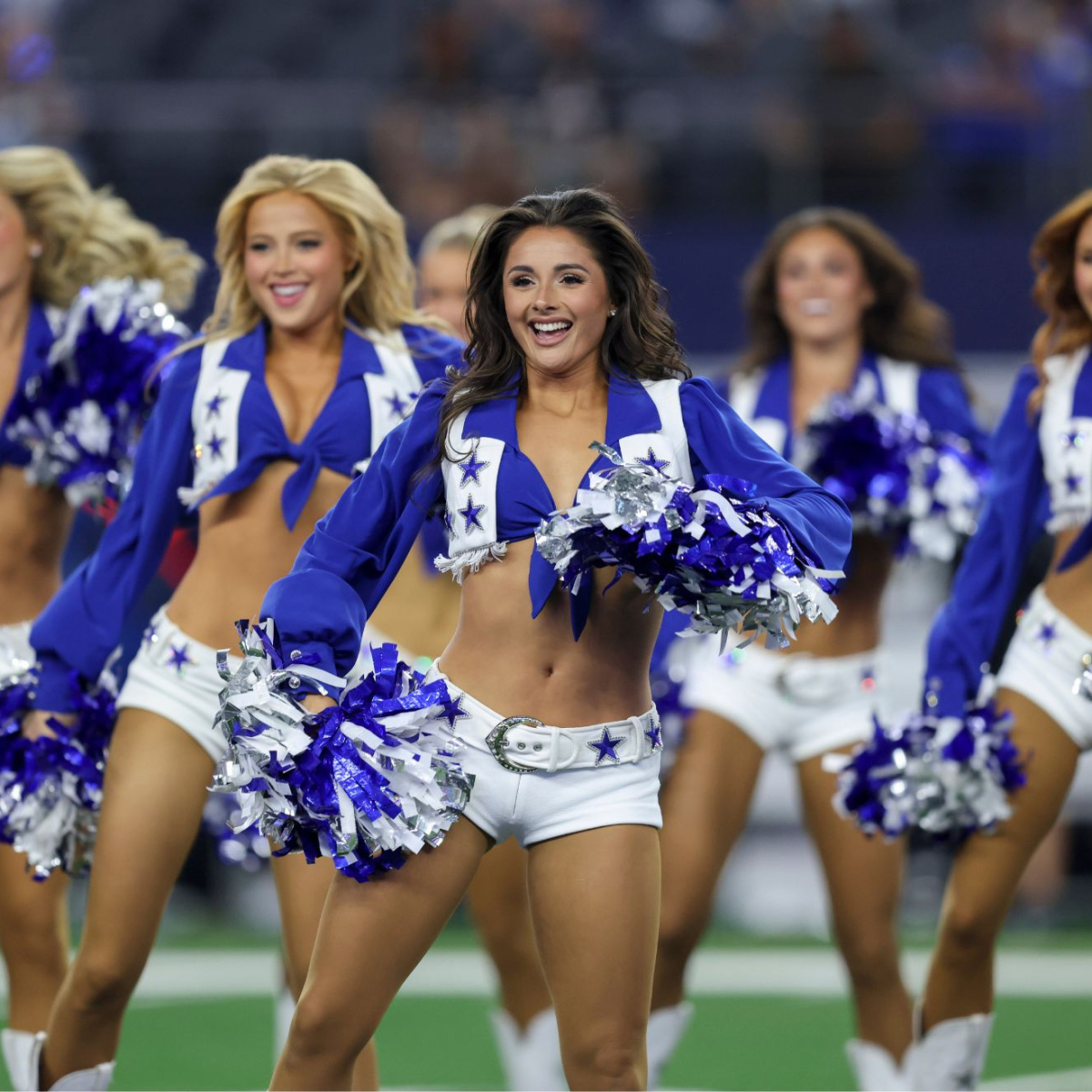
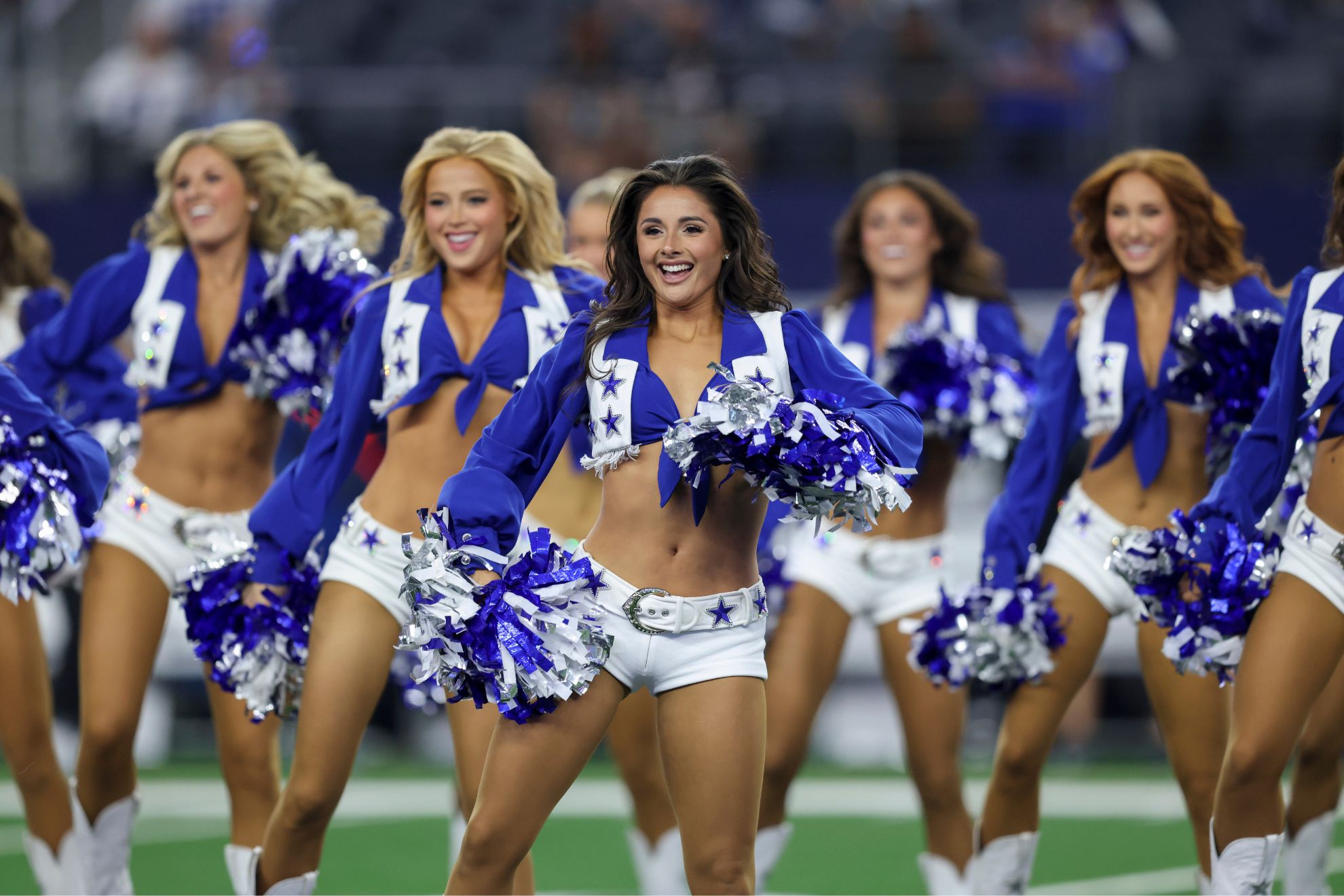
The performances look effortless beneath the lights of AT&T Stadium , but maintaining the standards expected of the Dallas Cowboys Cheerleaders can come at a considerable physical cost.
Behind the synchronized high kicks and carefully rehearsed routines, dancers face demanding training schedules that can place enormous strain on their bodies, sometimes leaving consequences that continue long after retirement.
Netflix 's America's Sweethearts: Dallas Cowboys Cheerleaders has offered a closer look at those sacrifices, including the experiences of former members who continued performing despite injuries that eventually required surgery.
Among them is Caroline Sundvold , whose determination to complete another season meant delaying a major operation despite years of damage associated with the squad's famous jump splits.
Sundvold spent four seasons with the Cowboys before retiring in 2023, having developed serious hip problems that ultimately required reconstructive surgery.
The former cheerleader revealed that she had known an operation was necessary during her final season but wanted to finish her time with the squad before beginning rehabilitation.
“A hip surgery like that is a good three to six months recovery. I was like, ‘I really want to do one more year of cheerleading.’ I just wanted to push through,” Sundvold explained.
Her medical difficulties did not end there, as she also underwent surgery on her left foot and later wore a protective boot while helping her younger sister Anna prepare for auditions.
Other former cheerleaders describe lasting medical problems
Lisa Mills faced an equally difficult experience after a spinal injury forced her to withdraw from her third training camp in 2021 and she subsequently experienced years of chronic nerve pain.
Mills even underwent additional operations before receiving a diagnosis of thoracic outlet syndrome, which she linked to her earlier spinal problems.
“Without surgery, I was risking loss of feeling in my extremities or paralysis,” Mills revealed, explaining that she had already tried physical therapy, medication, injections and other treatments.
Another aspiring cheerleader, Tessa David-Burns , suffered a severe stroke while pursuing a place on the squad, although there is no established evidence that the medical emergency resulted from cheerleading.
David-Burns spent 12 days in intensive care and underwent extensive rehabilitation after experiencing paralysis and losing her ability to speak, leaving her unable to return to dancing.
Physical injuries represent only part of the pressure surrounding a role that requires dancers to balance rehearsals, performances, public appearances and personal commitments.
The organization provides access to fitness facilities, nutrition specialists and mental health support, while continuing to maintain demanding standards for performance and appearance.
Director Kelli Finglass has emphasized the importance of personal fitness without imposing specific weight requirements, explaining that members manage their nutrition and training individually.