Jaguars don’t need Travis Hunter at receiver, and that’s good news for their defense
Jacksonville expects the former Heisman Trophy winner to have a great sophomore season
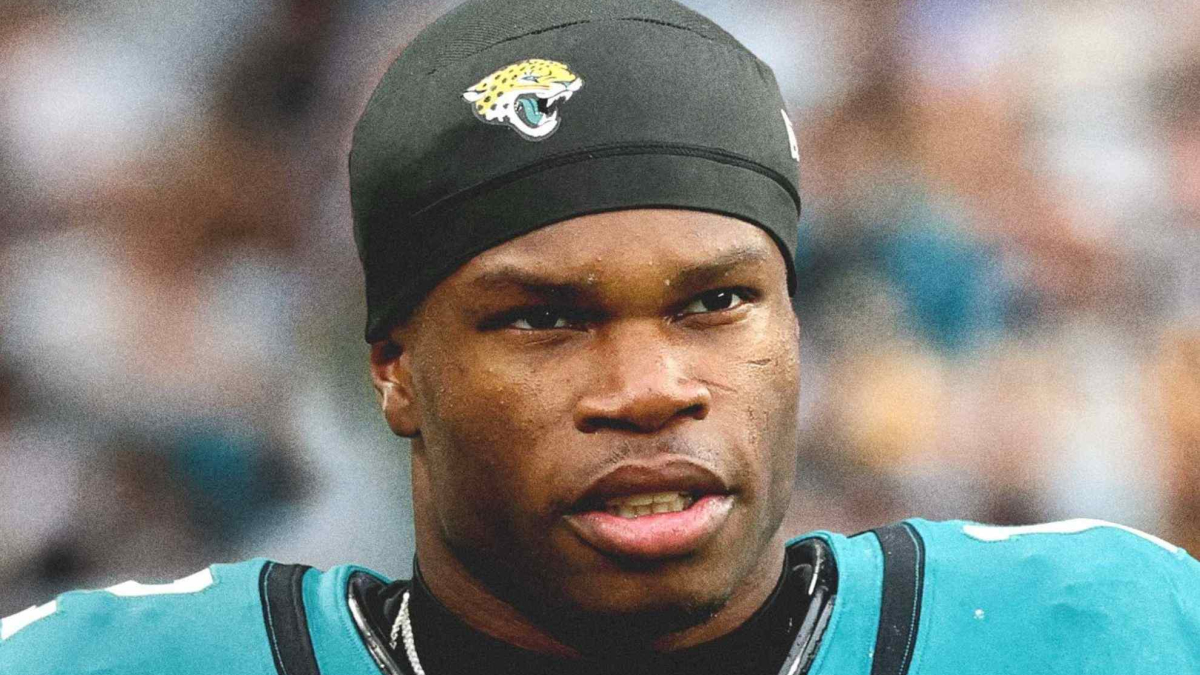
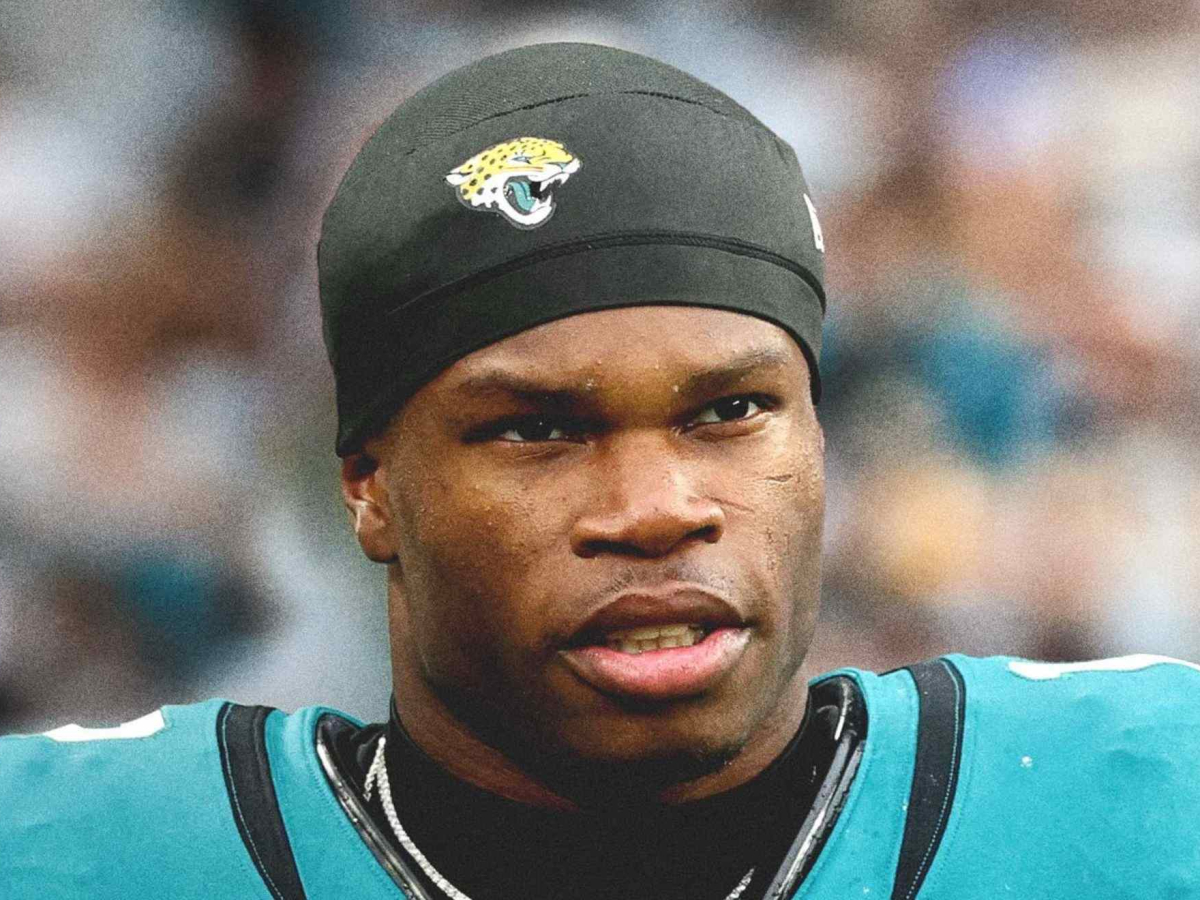
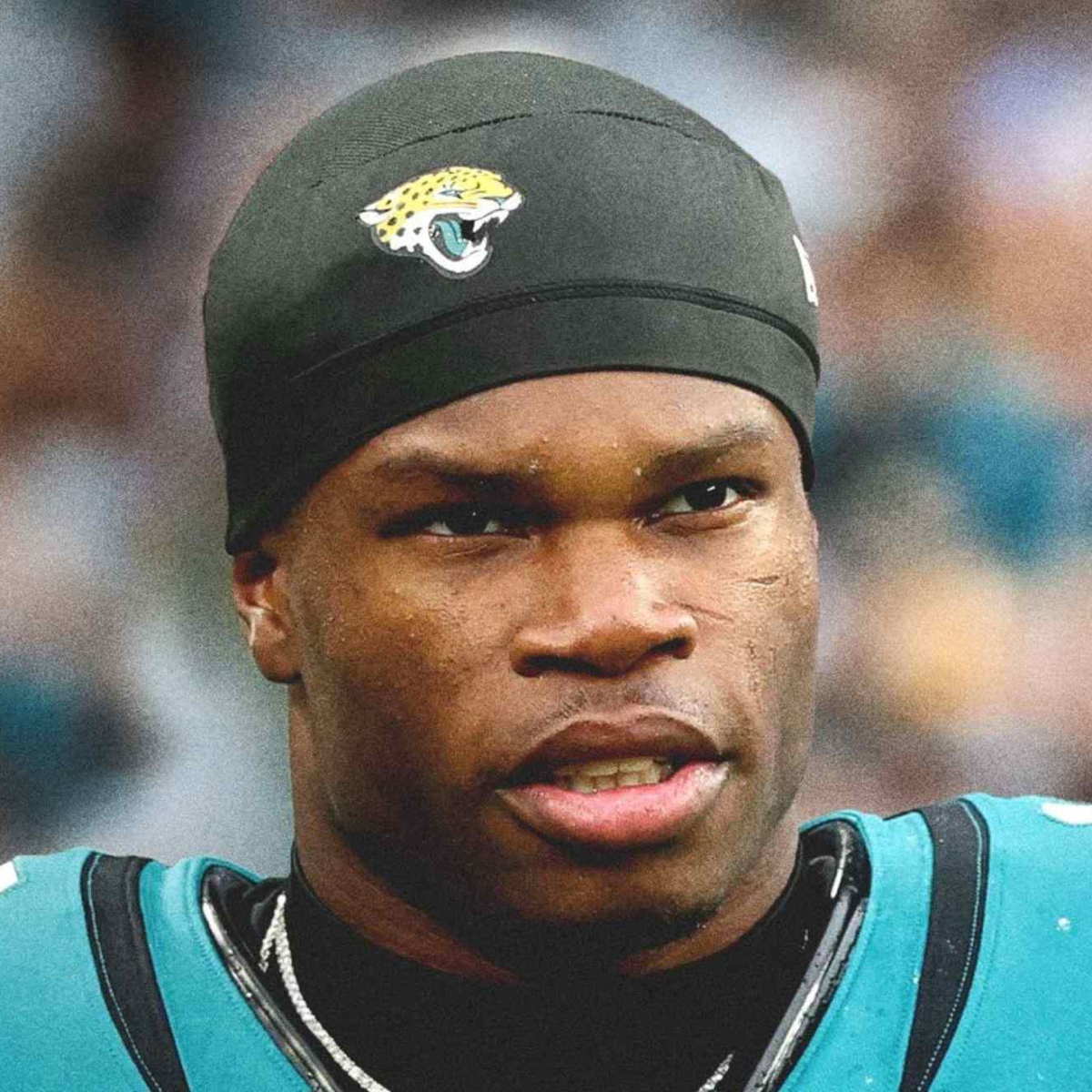
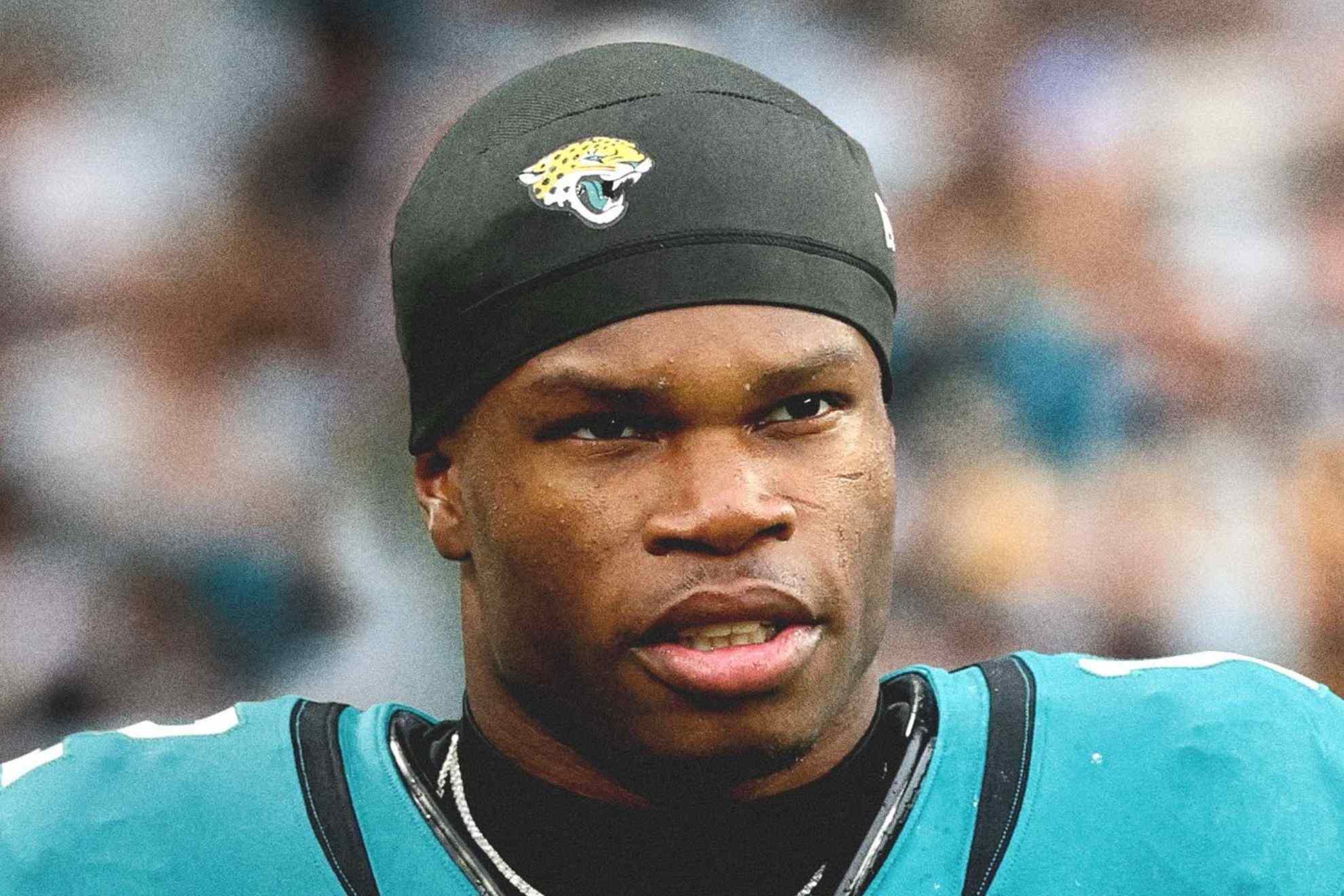
When the Jacksonville Jaguars selected Travis Hunter with the No. 2 overall pick, they did so with a vision unlike anything the NFL has seen in decades. The former Heisman Trophy winner arrived in Jacksonville carrying the expectation that he could contribute on both sides of the ball, a rare challenge in a league that has become increasingly specialized.
A season-ending knee injury interrupted Hunter’s rookie campaign before that experiment could fully develop, but the Jaguars remain committed to making him a true two-way player. The difference entering 2026 is that Jacksonville appears ready to place a greater emphasis on Hunter’s defensive responsibilities.
General manager James Gladstone made that clear during an offseason appearance on The Rich Eisen Show, revealing that Hunter’s cornerback workload is expected to increase significantly compared to his rookie season. The shift reflects both Travis' unique skill set and the Jaguars’ evolving roster construction.
Jacksonville's receiving corps took a major step forward
During his abbreviated rookie season, Hunter spent the majority of his snaps on offense. According to Next Gen Stats, 305 of his 459 offensive and defensive snaps came at wide receiver. He functioned primarily as Jacksonville’s third or fourth receiving option , finishing with 28 receptions for 298 yards and one touchdown across seven games.
His most memorable performance came shortly before his injury. In a loss to the Los Angeles Rams in London, Hunter showcased the explosive talent that made him one of the most coveted prospects in recent memory. He hauled in eight passes for 101 yards on 14 targets and scored his first NFL touchdown , offering a glimpse of what he could become as an offensive weapon.
Yet despite those flashes, Jacksonville’s current roster gives the coaching staff the luxury of not relying heavily on Travis as a receiver. The Jaguars’ receiving corps took a major step forward while Hunter was sidelined. Veteran acquisition Jakobi Meyers quickly developed chemistry with quarterback Trevor Lawrence, Parker Washington emerged as a legitimate playmaker, and Brian Thomas Jr. rediscovered the downfield explosiveness that made him one of the league’s most dangerous young receivers.
The Jaguars’ defensive needs also point in that direction
With those three options firmly established, Jacksonville does not need Hunter to carry a significant offensive workload every week. Instead, the Jaguars can deploy him strategically, allowing him to focus on the side of the ball where he may ultimately have the highest ceiling.
Even before he entered the NFL , many evaluators believed Hunter’s future might be brightest at cornerback. His elite instincts, ball-tracking ability, and natural feel for reading quarterbacks have long made him one of football’s most gifted defensive prospects. The Jaguars’ defensive needs also point in that direction.
After significant changes in the secondary, Jacksonville entered the season with an opening opposite Montaric “Buster” Brown , who earned a lucrative contract extension following a breakout campaign. Defensive coordinator Anthony Campanile has also adjusted the scheme, moving toward more match-coverages and man principles rather than relying heavily on traditional zone concepts.
The new approach aligns perfectly with Hunter’s strengths. Few defensive backs possess his combination of athleticism, recovery speed, and ball skills. Placing him at left cornerback allows Jacksonville to maximize those traits while putting him in position to challenge opposing quarterbacks more frequently.