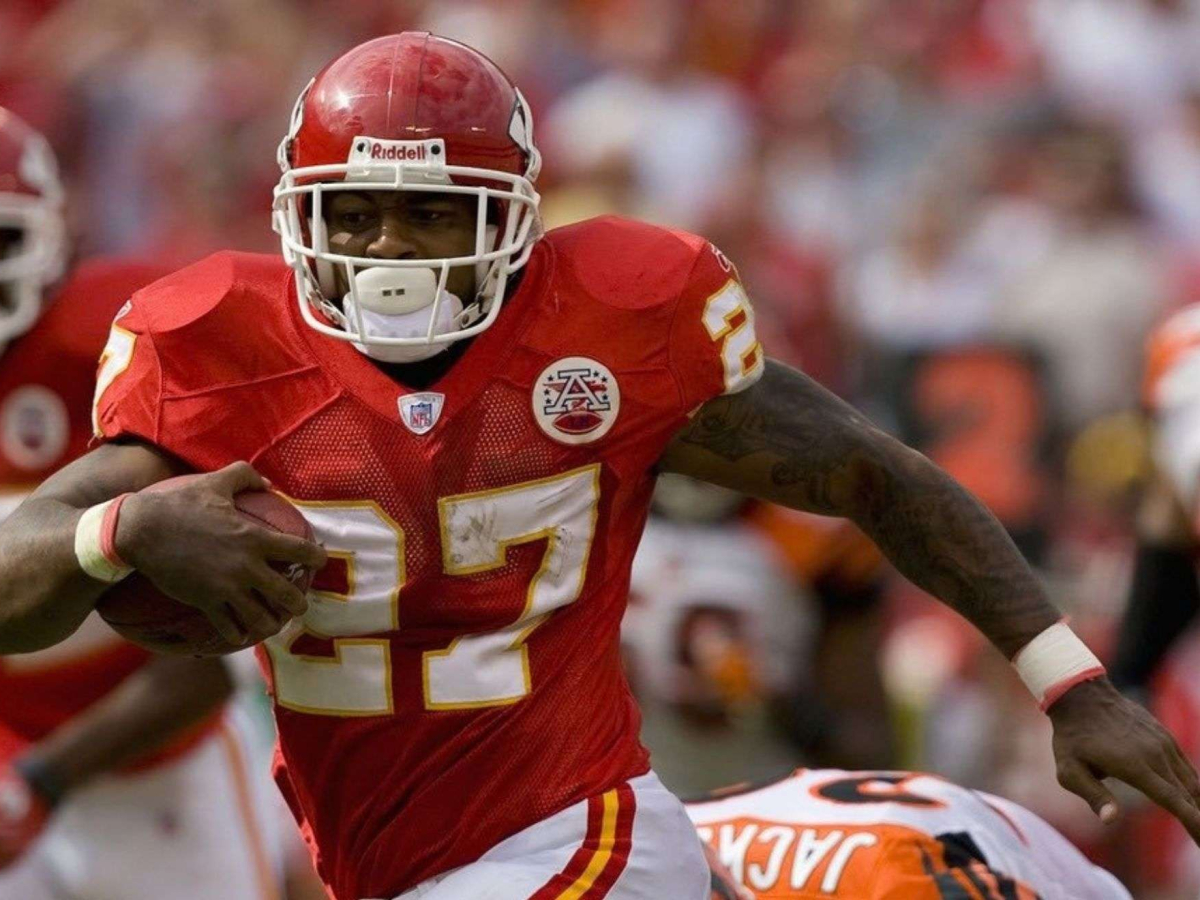
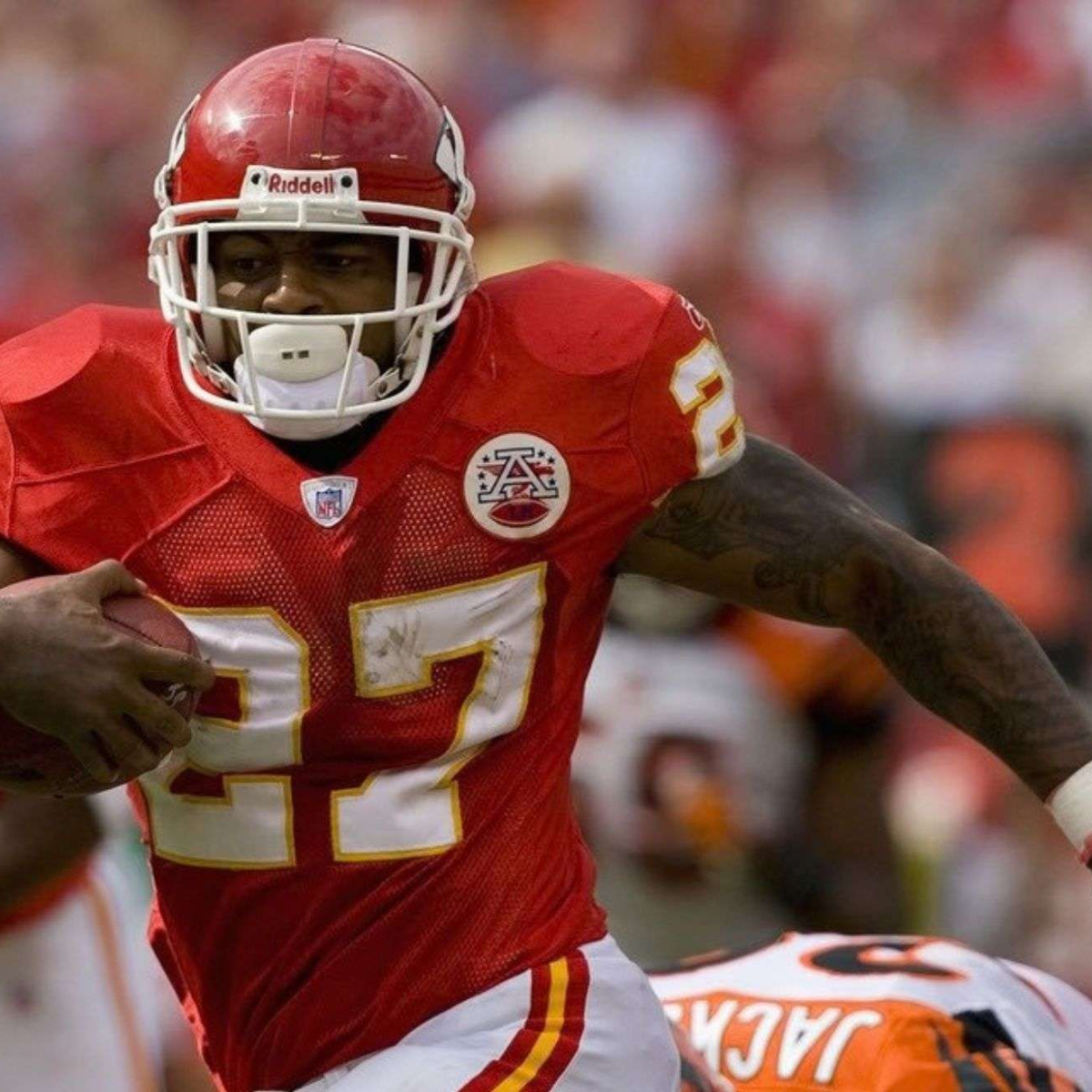
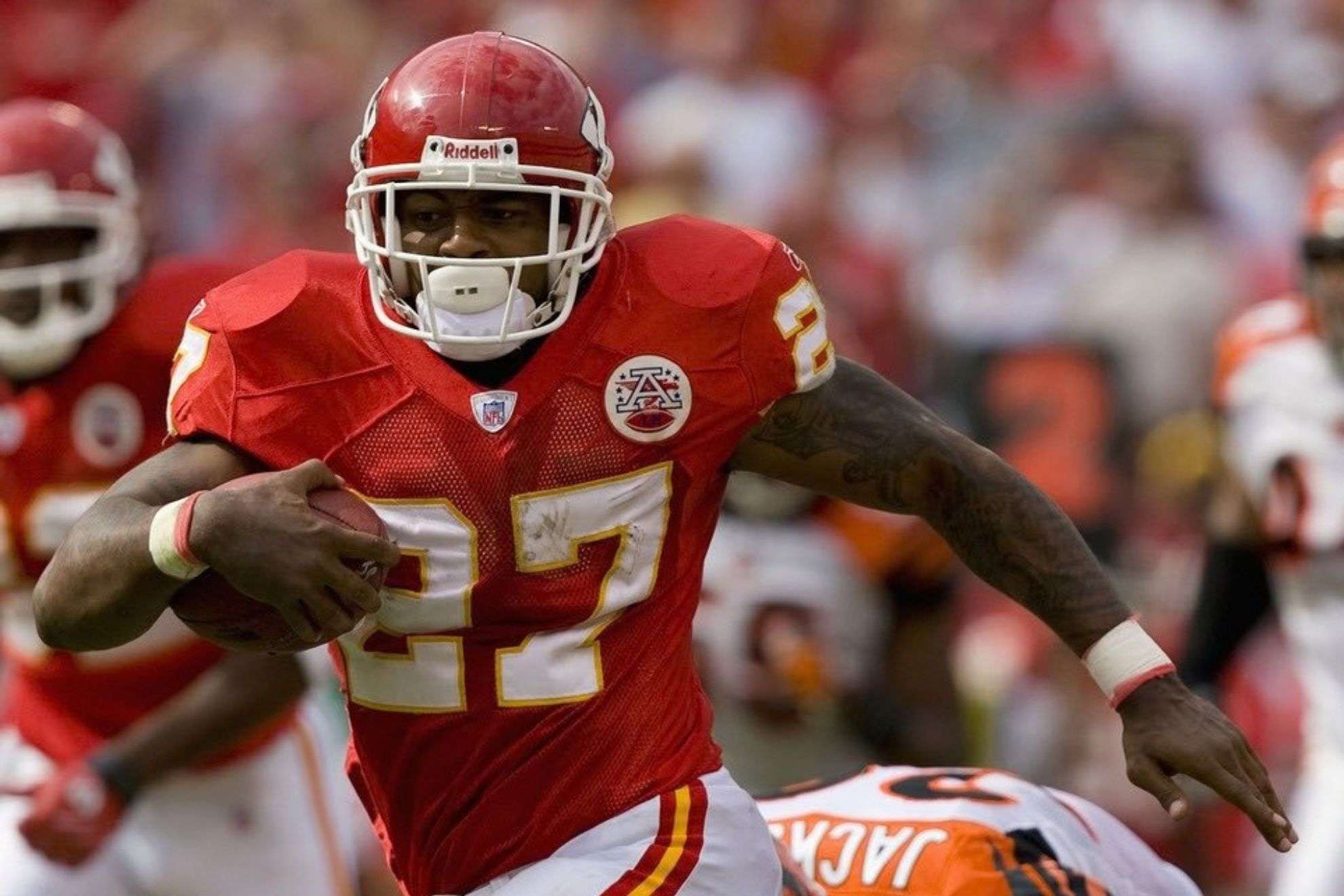
‘I just get blanked’: Chiefs legend Larry Johnson fears CTE after years of NFL hits
The former running back believes he has the symptoms of a neurodegenerative disease associated with repeated head impacts
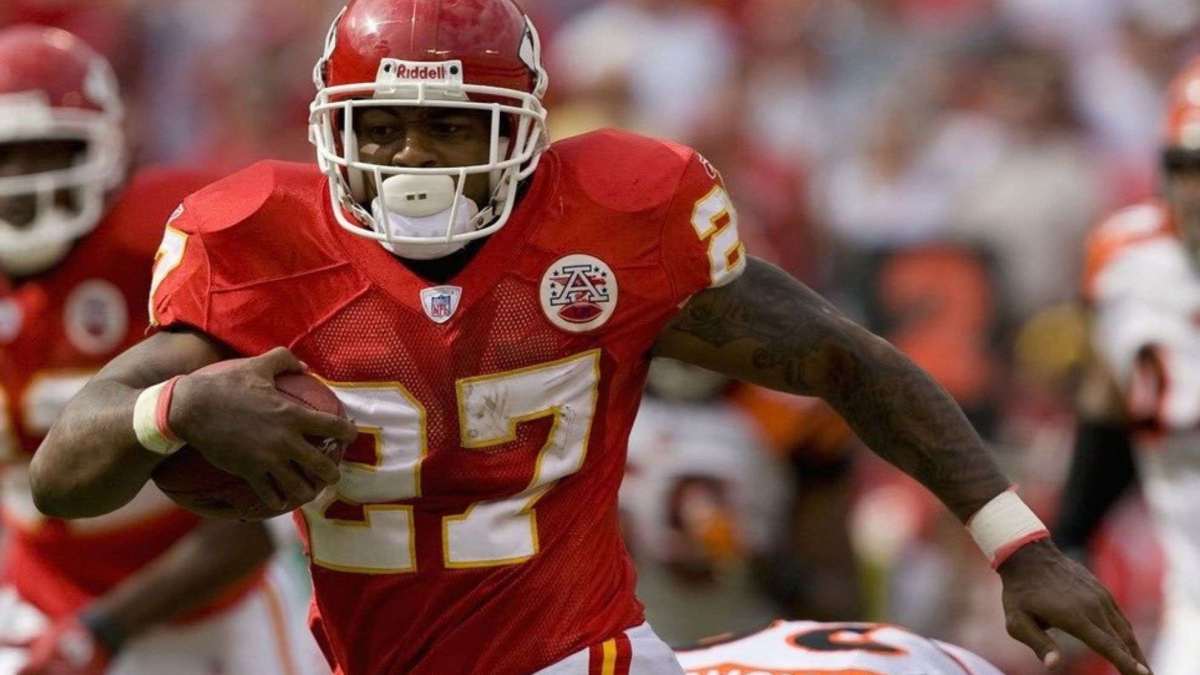
Two decades after Larry Johnson was one of the NFL’s most heavily used running backs, the former Kansas City Chiefs star is still dealing with what he believes could be the long-term effects of his playing career. At 46, Johnson says his memory problems have become difficult to ignore.
According to report by ESPN's Stephen Holder, Johnson described episodes in which he has forgotten where he parked his car, lost track of where he was while driving and experienced periods when his surroundings seemed to disappear from his awareness.
“My short-term memory was so bad, I could literally go into a store and 30 minutes later come out and not know where my car is parked,” Johnson told ESPN . “Or, I’m driving and I just get blanked and I don’t even know where I’m going or know where I’m at.” Johnson believes those symptoms could be connected to chronic traumatic encephalopathy, commonly known as CTE , a neurodegenerative disease associated with repeated head impacts.
But there is an important distinction: Johnson does not have a confirmed CTE diagnosis. CTE can currently be definitively diagnosed only after death, through examination of brain tissue. The clinical syndrome associated with symptoms during life is referred to as traumatic encephalopathy syndrome, or TES.
The symptoms have been there for years
Johnson's concerns about his brain health did not begin recently. In 2017, he described memory lapses and dramatic mood changes during an interview with the BBC. “The other day I tried to open my car with my TV remote,” Johnson said at the time. “I don’t even know how I had the TV remote in my hand.”
He also described periods in which his mood could change rapidly, going from feeling fine to becoming sad or depressed before returning to a better mood.
Those experiences have remained part of Johnson's post-NFL story. His latest comments are particularly striking because they involve problems with everyday activities rather than isolated moments of forgetfulness. And they come from a former running back whose career was defined by an extraordinary workload.
Johnson's NFL workload was enormous
The Chiefs selected Johnson in the first round of the 2003 NFL draft, and he quickly developed into one of the league's most productive running backs. He earned Pro Bowl selections in 2005 and 2006, rushing for more than 1,700 yards in each season. Then came one of the most remarkable workload seasons in NFL history.
In 2006, Johnson carried the ball 416 times, setting an NFL single-season record that still stands. He rushed for 1,789 yards and scored 17 touchdowns that season. His workload wasn't limited to that one year. During his seven seasons with Kansas City, Johnson accumulated 1,526 touches.
For a running back, those touches meant repeated collisions with defenders, the kind of routine contact that makes the position one of football's most physically demanding. Johnson's career then deteriorated rapidly. During his final two seasons, with Washington and Miami, he appeared in only three games and had six rushing attempts for four yards. His physical decline was stark compared with the player who had once carried the Chiefs' offense.
What scientists know, and don't know, about CTE
Research has established an association between CTE and repetitive head impacts, including those sustained in contact sports. A 2023 consensus paper noted that more than 97% of published CTE cases involved people with known exposure to repetitive head impacts.
But symptoms such as memory problems, depression, impulsivity and mood changes are not specific to CTE. They can occur in multiple neurological and psychiatric conditions, which is one reason diagnosing the disease during life remains so difficult. That distinction matters for former players such as Johnson.
A person can experience significant cognitive or behavioral symptoms without those symptoms proving that CTE is the cause. Research is nevertheless moving toward finding ways to identify the disease during life. A 2023 study of former professional football players examined brain imaging and other measures as researchers continued searching for biomarkers that could eventually help identify CTE-related pathology in living people.
Researchers at Boston University and elsewhere have also continued investigating how neurological testing, imaging and other biomarkers might eventually improve diagnosis. For former players, the potential implications are significant. A reliable diagnosis could help physicians distinguish symptoms associated with CTE from other potentially treatable conditions.