Lawyers explain how Travis Kelce fell victim to the Ponzi scheme
A $35 million Ponzi scheme has put Travis Kelce in the spotlight.
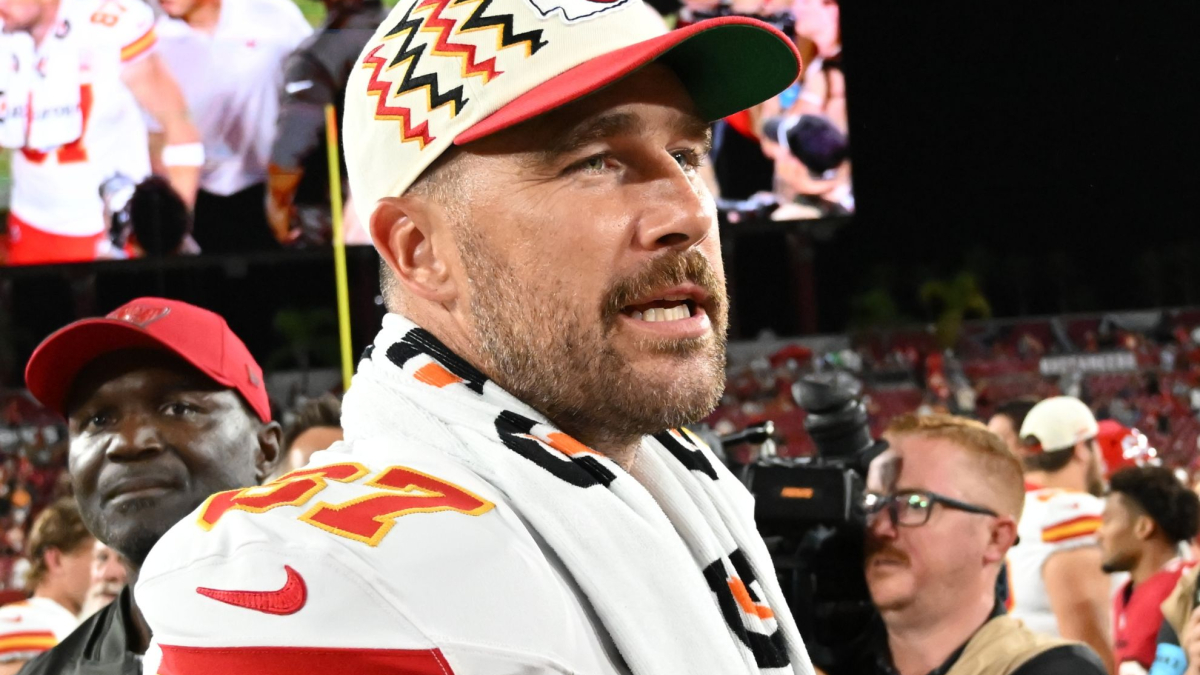
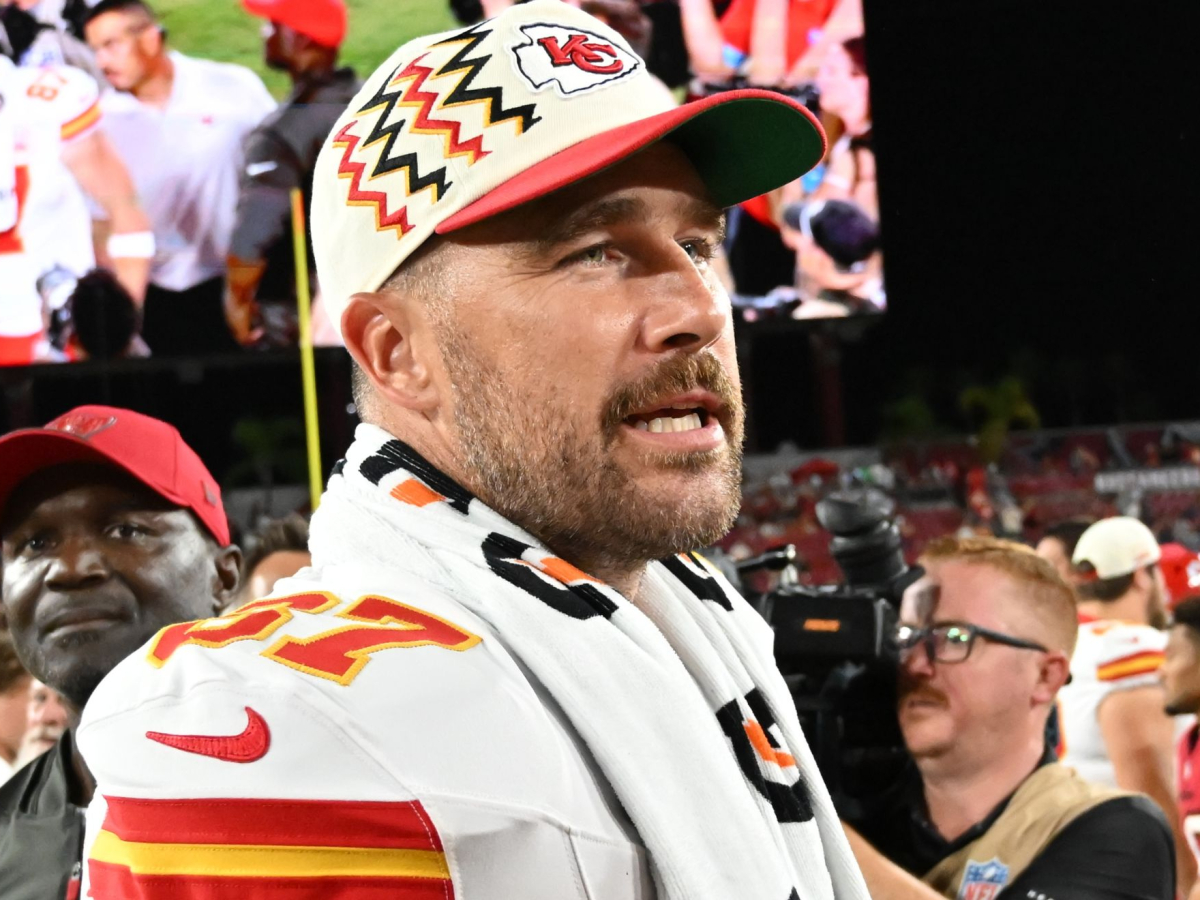
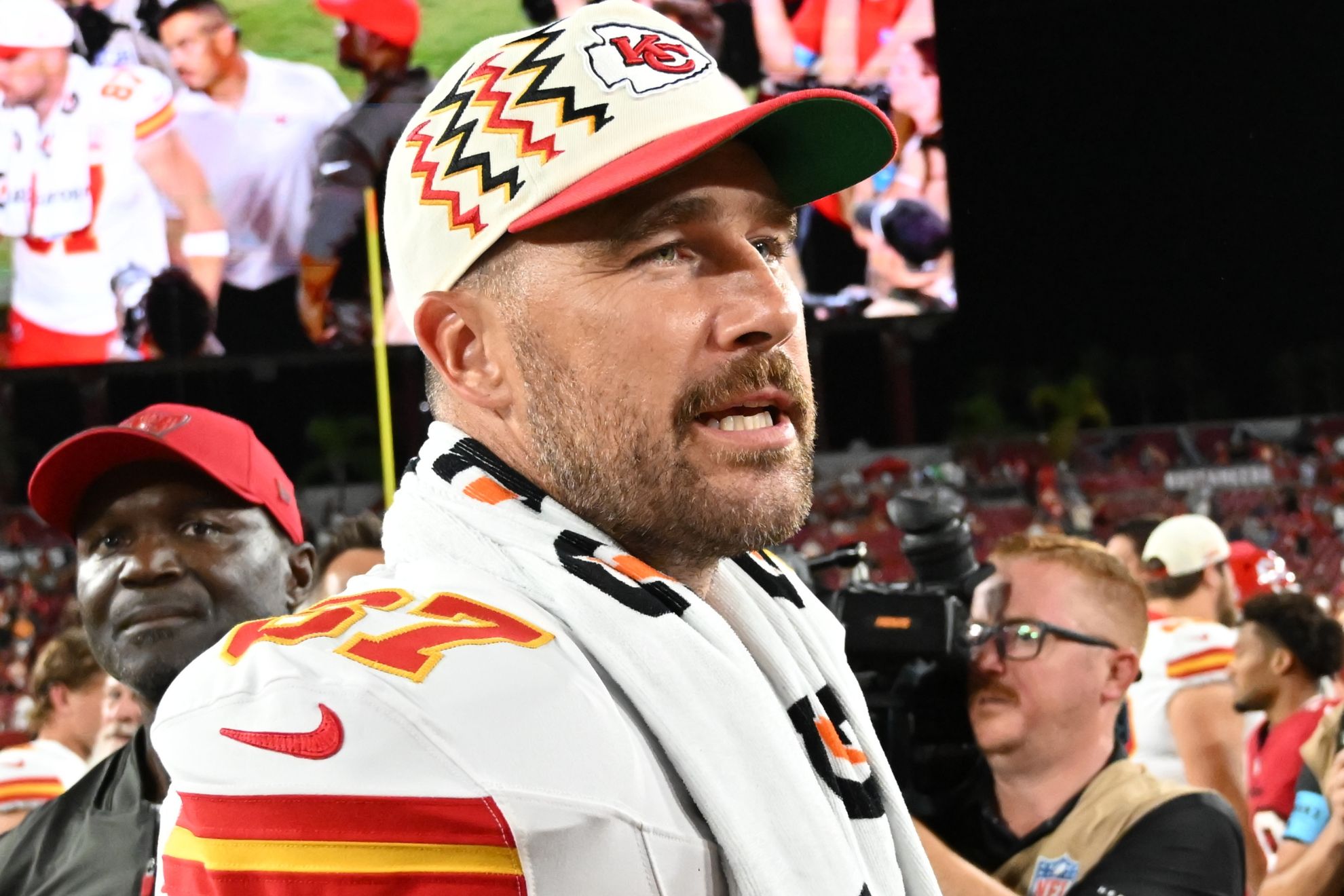
Travis Kelce was named in federal court documents as one of the victims of a $35 million Ponzi scheme , just as the man behind the fraud received a sentence of more than a decade in prison.
U.S. District Judge Zachary M. Bluestone in St. Louis sentenced Siddharth Jawahar to 11 years in prison and ordered him to pay $31.35 million in restitution to the victims, according to the U.S. Attorney’s Office for the Eastern District of Missouri .
Prosecutors included the Kansas City Chiefs tight end among the list of victims. The exact amount Kelce may have lost was not disclosed, and there is no allegation that he committed any wrongdoing or participated in illegal activity.
Why high-profile athletes like Travis Kelce can become targets of financial fraud
The case has once again highlighted how wealthy, high-profile investors can become targets of these schemes—especially when the key ingredient is trust.
Texas securities regulators canceled the registration of Swiftarc Capital in June 2022 and ordered Jawahar to stop his fraudulent practices. According to mergers-and-acquisitions attorney Kevin Henderson , that warning was public and available to anyone who researched the entrepreneur’s background.
“It wasn’t sealed or confidential. It was a public enforcement order posted on a state agency website, free to anyone who typed his name into a search box,” Henderson explained while analyzing how the fraud was able to continue for so long.
According to the federal indictment, the scheme operated for another 18 months by using money from new investors to cover obligations to earlier ones—a classic hallmark of Ponzi schemes.
Henderson noted that these scams often succeed because they arrive through people or circles that feel trustworthy.
“Affinity fraud gets otherwise smart but unsuspecting people because it comes from trusted sources,” he wrote. “A teammate, a church member, your mastermind. Somebody you trust vouches for the deal and that vouch replaces due diligence.”
Attorney Eric Pacifici , known online as SMB Attorney, reviewed the timeline of the case and summed it up in one word: greed.
Jawahar pleaded guilty in January 2026 to three counts of wire fraud, two years after a St. Louis grand jury indictment led to his arrest in Miami. Prosecutors said he later tried to influence a victim in connection with an FBI interview and asked his sister to remotely delete information from his phone.
Judge Bluestone described the losses as “enormous” and said Jawahar had “weaponized” the trust his victims placed in him.
Kelce has not commented publicly on the case. The exact amount he may have invested and which specific Swiftarc fund was involved remain outside the public record, even after the sentence that closed the criminal case against Jawahar.
The connection between Travis Kelce and Jawahar’s scheme
The link between Kelce and Jawahar dates back several years before the sentencing. A 2021 Forbes report on NBA player Gary Harris named Kelce, Dallas Mavericks guard Tim Hardaway Jr., and Detroit Pistons center Mason Plumlee as investors in the Swiftarc Venture Labs Fund alongside Harris.
Harris said he learned of the fund through Plumlee, his former Denver Nuggets teammate, before developing a direct relationship with Jawahar.
That detail was one of the points Henderson highlighted after the sentencing. According to the attorney, Swiftarc’s own documents stated that no single investment should exceed 12% of the fund’s capital.
Jawahar allegedly ignored that limit and concentrated an excessive portion of the assets in one holding: roughly 54% of the fund in a single stock by 2015 and as much as 99% by 2019 .
The company was Philip Morris Pakistan, an illiquid stock that, according to Henderson, Jawahar reported to investors at a value of 4,000 rupees per share even as its actual price had fallen to 541 rupees by May 2022 .
Henderson said Jawahar presented the valuation “reporting book value to investors as if it came from somewhere independent,” when in reality the figures did not reflect the true condition of the asset.