Patrick Mahomes' physical condition takes a major hit amid yet another refereeing controversy involving the Chiefs
Did the referees favor Kansas City against the Miami Dolphins?
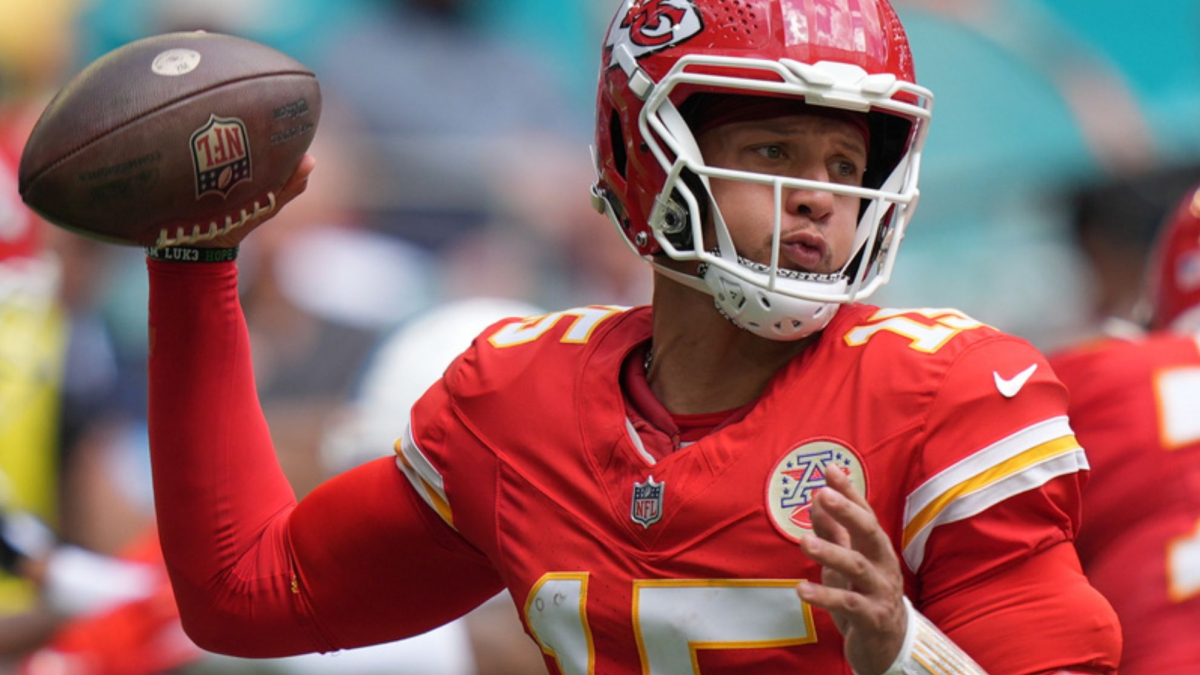
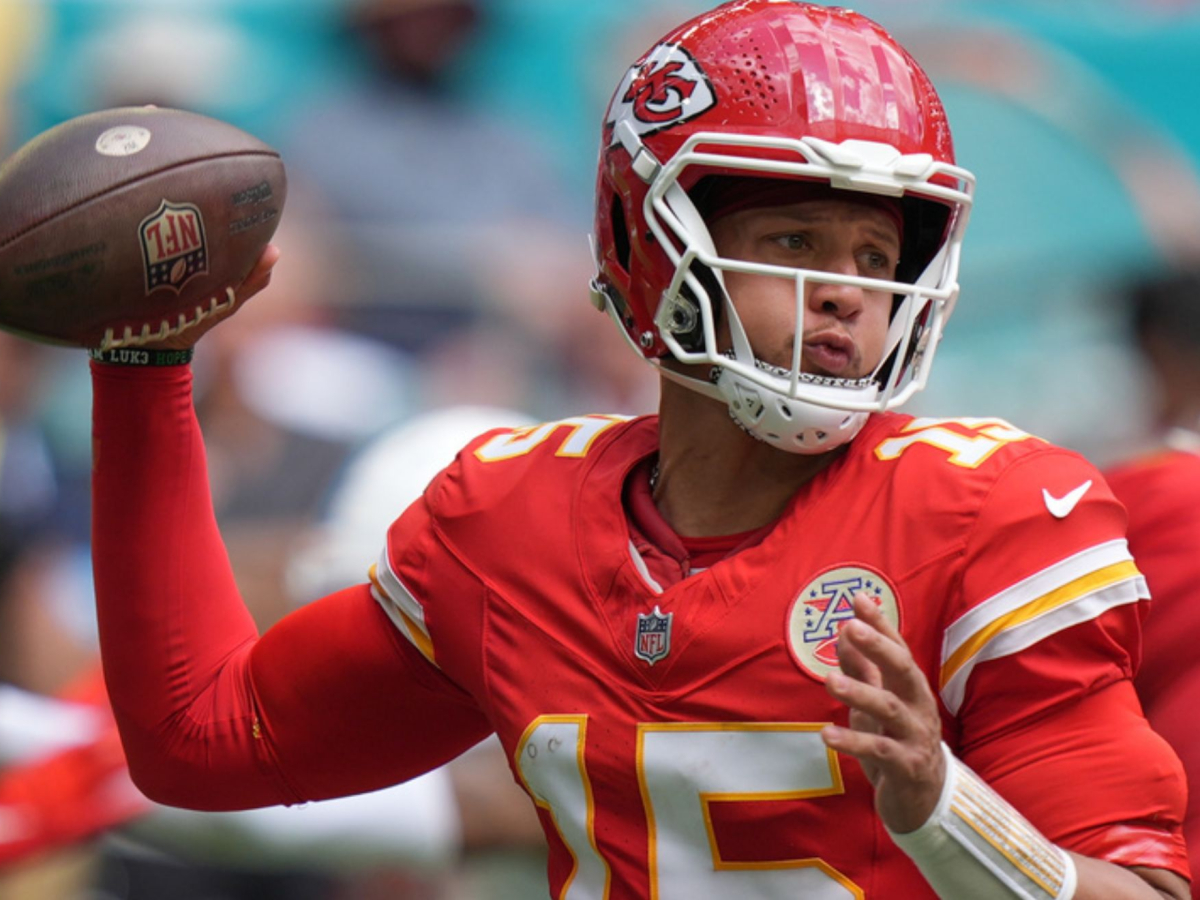
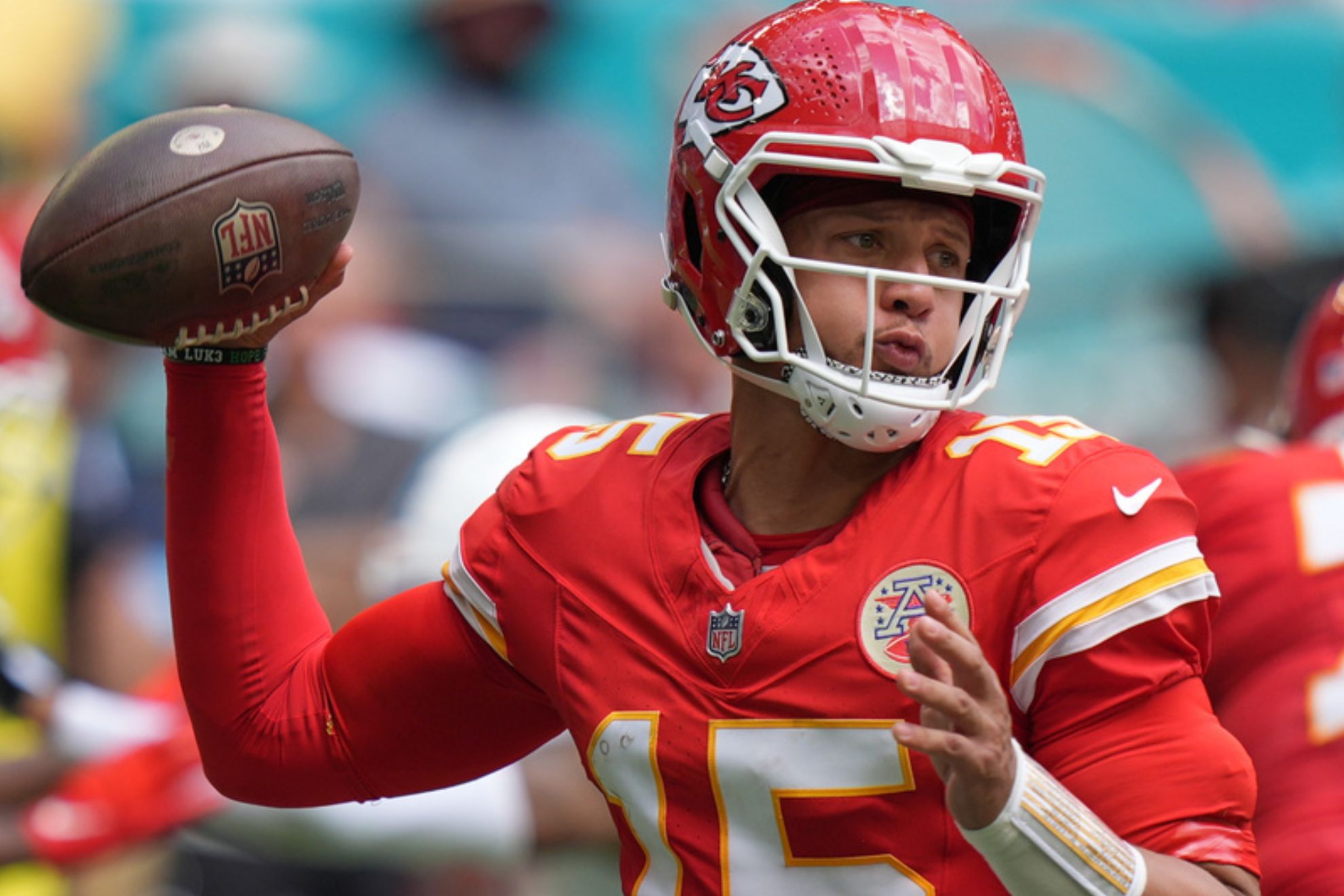
The Kansas City Chiefs found themselves at the center of another officiating debate Sunday after a roughing-the-passer call involving Patrick Mahomes helped extend a drive against the Miami Dolphins . With less than three minutes remaining in the third quarter and Kansas City backed up near its own goal line, the quarterback dropped back looking for Rashee Rice but not before Chop Robinson closed in, making contact with his chest and shoulder as the he released the pass.
Mahomes went to the ground, but the ball fell incomplete. Officials immediately threw a flag, ruling that Robinson had committed roughing the passer by landing on the QB with his body weight. The call sparked an immediate debate over where the NFL 's protection of quarterbacks crosses into protecting them from otherwise legitimate tackles. Robinson did not appear to make contact with Mahomes ' head or neck and landed with his hands and arms helping absorb his weight. Kansas City faced third-and-9 from its own 5-yard line when the penalty was called. The 15-yard personal foul produced an automatic first down and kept the possession alive, eventually allowing Harrison Butker to kick a 34-yard field goal as the Chiefs built a 17-10 lead. Mahomes , however, did not appear particularly concerned about the hit after the game. “No, he got me. He got me pretty good. They brought a good stunt with the D-line, and I tried to get the ball out of my hand,” Mahomes said after the game, taking the hit in good spirits. “When you throw the ball, you’re kind of exposed, and he got me pretty solid. "But I was able to bounce back up there, and we went out there and finished that drive.”
What are the NFL rules on late hits and roughing the passer?
Late hits generally fall under unnecessary roughness. Defenders can be penalized for forcibly contacting a runner who is already out of bounds, continuing a hit after forward progress has ended or unnecessarily launching themselves into a player who is no longer involved in the action. But roughing the passer is a separate personal foul. It is designed to protect a quarterback during and immediately following a pass thrown from behind the line of scrimmage, whether that pass ultimately proves legal or illegal. Defenders must avoid prohibited contact with vulnerable areas of the quarterback and cannot unnecessarily drive the passer into the ground. Forceful contact involving the head or neck is also restricted. A roughing-the-passer penalty carries 15 yards and an automatic first down. Players can also face fines after games for violations covered by the league's disciplinary system. That issue has produced controversial calls involving Kansas City before. For example, Chris Jones roughing-the-passer penalty against the Las Vegas Raiders became one of the most debated officiating decisions of the 2022 season. During Kansas City 's 30-29 comeback victory, Jones appeared to make a game-changing play late in the second quarter as he strip-sacked Derek Carr , forced a fumble and recovered the ball. But the play was overturned by a roughing-the-passer penalty after referee Carl Cheffers ruled that Jones had landed on Carr with his full body weight. Rather than taking possession, the Chiefs gave Las Vegas an automatic first down, and the Raiders eventually kicked a field goal to take a 20-7 lead.