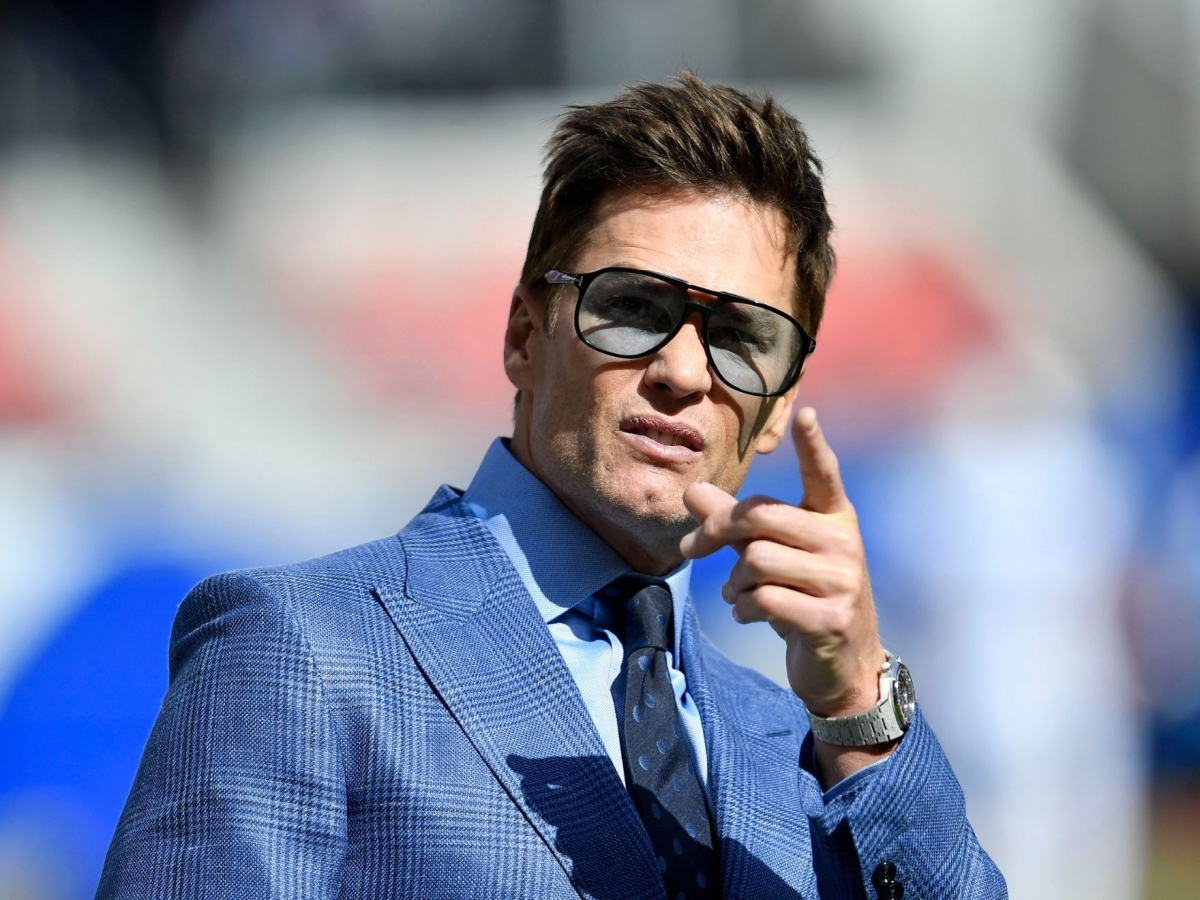
Tom Brady has had enough and is demanding drastic changes to the NFL's refereeing rules: "There's no way!"
The NFL legend could barely hide his frustration during the Detroit Lions' narrow victory over the Green Bay Packers
T om Brady has made his feelings about the NFL's officiating increasingly clear, and Sunday's clash between the Detroit Lions and Green Bay Packers provided another example.
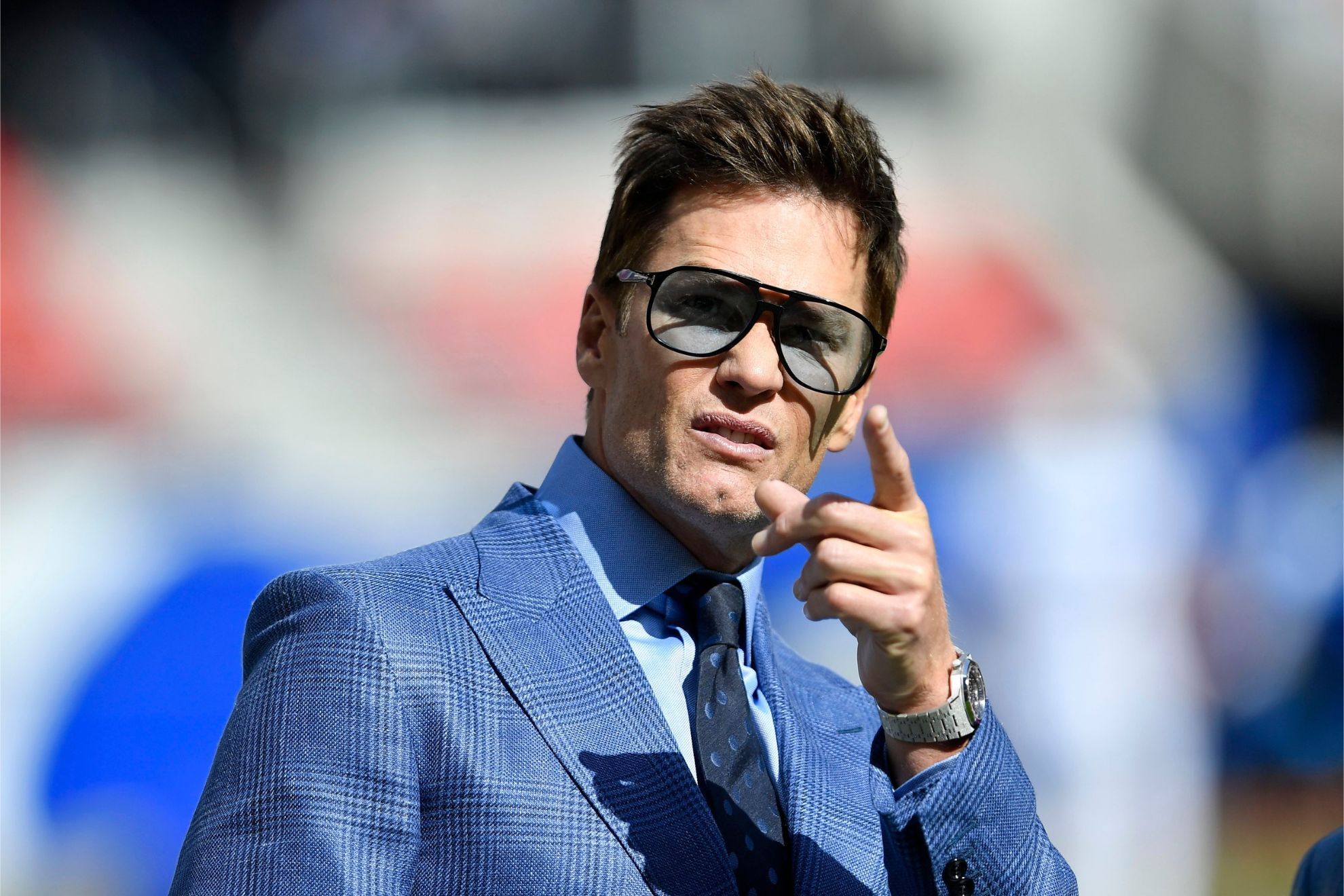
Working as a FOX commentator, the seven-time Super Bowl champion openly challenged several penalty decisions during Detroit's 20-17 victory, arguing that defenders were being punished for legitimate tackles.
The most contentious moments involved roughing-the-passer calls against Green Bay , including one late in the game that helped Detroit move into position for the winning field goal. Brady's reaction was emphatic.
“No, my goodness. What is that?! There’s no way!… That’s definitely not roughing the passer!” Brady exclaimed on Sunday night.
His frustration resonated with viewers, particularly because his experience as one of the greatest quarterbacks in NFL history gives him a unique perspective on the balance between protecting passers and allowing defenders to compete.
Although Brady has not announced a specific rule-change proposal, his criticism has intensified calls for greater consistency in how officials interpret contact with quarterbacks.
Brady and Blandino question the controversial calls
The game featured several disputed decisions, but the late penalty against Packers defensive tackle Karl Brooks attracted particular attention.
With the score tied at 17-17, Jared Goff completed an 18-yard pass to Sam LaPorta before Brooks was penalised for roughing the passer.
The additional 15 yards helped Detroit advance down the field. The Lions subsequently reached field-goal range, allowing Jake Bates to kick the winning three-pointer as time expired.
Brady was far from the only person questioning the decision. FOX rules analyst Dean Blandino also disagreed with the officials' interpretation, saying: “That’s teach-tape tackle. That’s not roughing the passer.”
The incident was particularly frustrating for Green Bay because another roughing-the-passer penalty earlier in the game had extended a Detroit possession.
The Packers ultimately lost despite having opportunities to secure the victory themselves, including missed field goals and a costly late mistake.
That context matters: the disputed penalties did not account for every reason Green Bay lost, but they significantly influenced the closing stages and left players, commentators and supporters questioning the standard being applied.
NFL protection rules face renewed scrutiny
The NFL has introduced and refined protections for quarterbacks over the years to reduce dangerous contact, particularly when a passer is in a vulnerable position.
Under the league's rulebook, roughing the passer is a 15-yard penalty, and certain violations can also result in an automatic first down.
The challenge is determining where legitimate defensive contact ends and an illegal hit begins. Defenders must react in fractions of a second, while officials must judge the timing, location and nature of a tackle in real time.
Brady's criticism reflects a concern that excessive interpretation could discourage defenders from pursuing quarterbacks aggressively, even when their actions appear consistent with normal football technique.
Fans echoed that frustration online. “ Tom Brady has been killing the officials all game for increasingly soft personal foul calls for late hits and roughing the passer in Detroit. Considering the source, perhaps the NFL pays more attention? Nah,” one fan wrote.
“I do like when Tom Brady gets mad at soft calls. Totally agree,” Andrew Perloff shared on X.
Pat McAfee also praised Brady for speaking out, writing: “I really appreciate Tom Brady’s disdain for some of these Roughing The Passer calls. He’s an owner and one of the lead commentators.. he’s got A LOT OF WEIGHT,” McAfee shared on X.
Brady's dual role as a broadcaster and minority owner of the Las Vegas Raiders adds another dimension to his comments. His opinions carry considerable visibility, although there is no guarantee the league will change its rules in response.
For now, the controversy highlights the difficult task facing NFL officials: protecting quarterbacks without turning ordinary tackles into game-changing penalties. Brady's reaction has ensured that debate will continue well beyond Detroit's narrow win.