Unexpected Fallout: How the Vrabel-Russini drama is limiting female reporters' ability to cover the NFL
ESPN analyst argues female reporters are judged collectively in a way male counterparts often are not
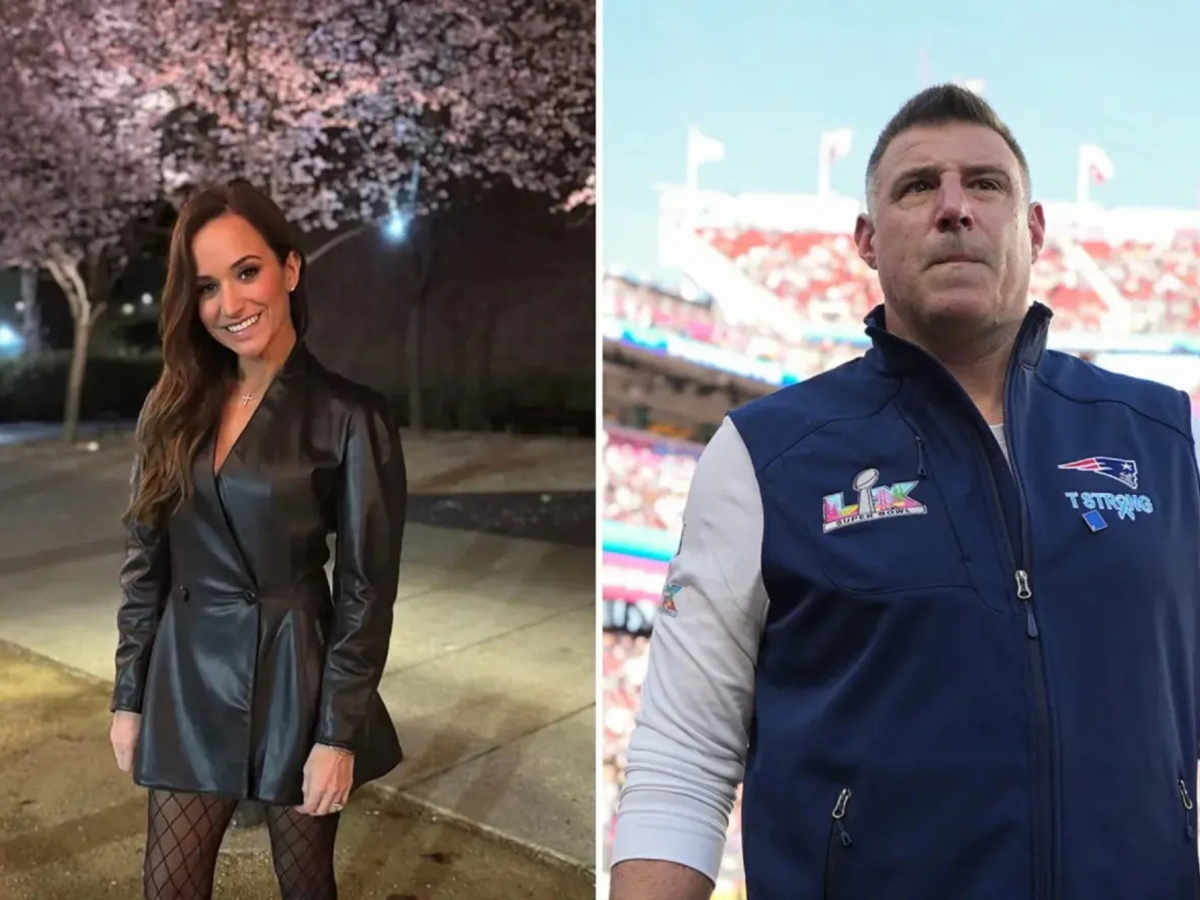
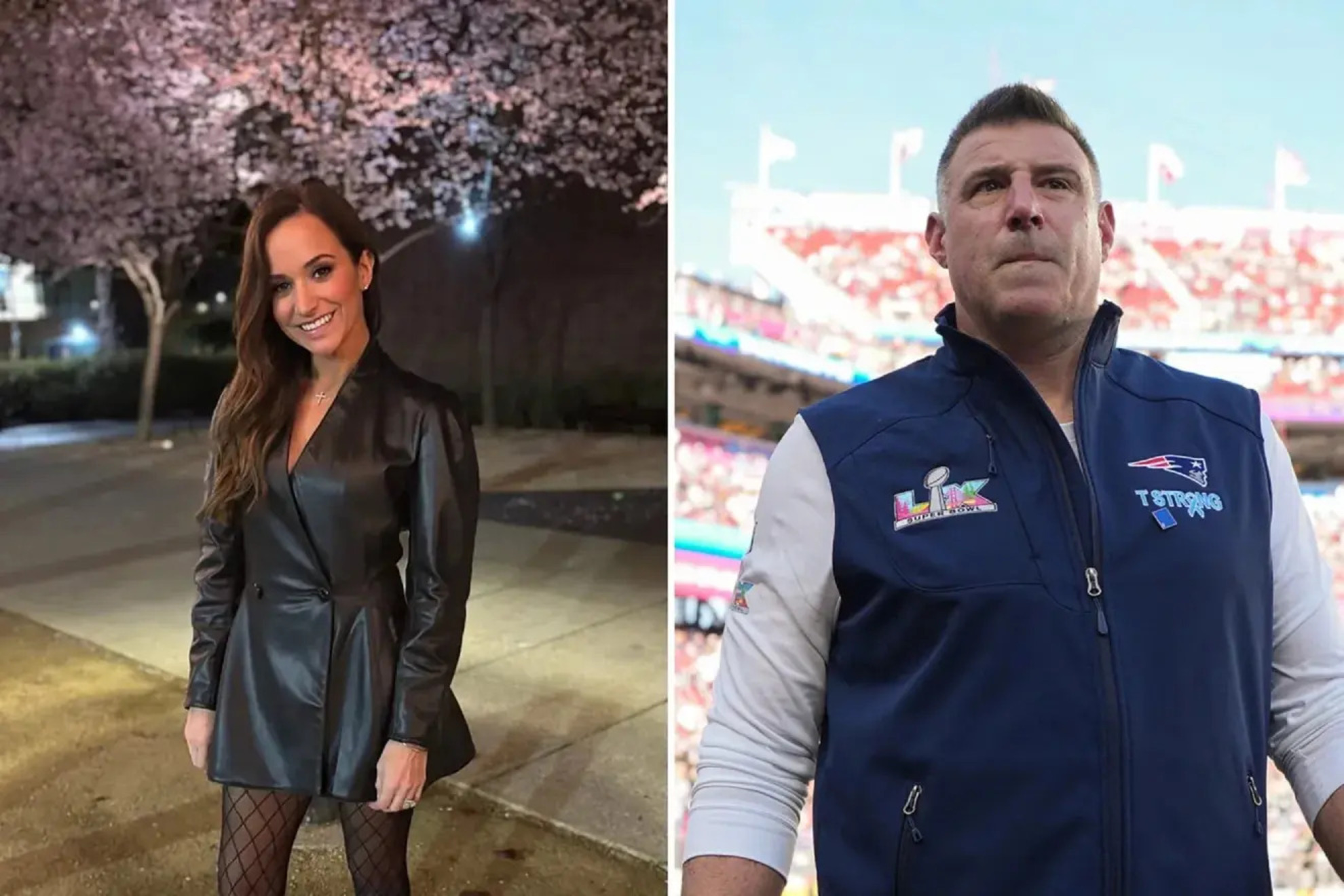
ESPN analyst Mina Kimes believes one of the most troubling consequences of the Mike Vrabel-Dianna Russini controversy has little to do with either of them.
Instead, Kimes says female NFL reporters are now being forced to navigate more suspicion around ordinary source meetings, conversations and professional relationships.
Speaking on The Sports Gossip Show, Kimes said the reaction reflects a broader pattern that can occur when someone from an underrepresented group makes a mistake.
“I think it reflects sort of a broader thing that happens in any industry, which is when someone who’s not in the majority makes any sort of error, it becomes a referendum for their entire class,” Kimes said.
“And I think that’s just kind of what’s happening here, in a number of ways, not even just in terms of like, what it means for how female reporters in football are perceived or treated.”
Some women now doing jobs differently
The fallout followed reports that some NFL coaches have become more reluctant to meet female reporters in public because of how those interactions could be perceived.
One woman who covers the league reportedly said an assistant coach told her he wouldn't want to be seen having coffee with her because of the optics created by the Vrabel-Russini situation.
Other reporters have said they are now more cautious about meeting sources, exchanging messages or being photographed around coaches and team personnel. Kimes said those accounts were difficult to read.
“And I feel for the reporters,” she said. “Reading the article and reading some of those accounts, like the idea that it has made their jobs harder or perception of them worse, that sucks.”
Kimes noted that she works primarily as an analyst and doesn't rely on source-building in the same way beat reporters do.
“I’m not really as like privy to that, because I’m not meeting with coaches and needing sources the same way that they are and concerned about that,” she said.
“But I think that is really unfortunate to hear that’s happening. I feel bad for them.”
Has criticism been applied evenly?
The Athletic’s internal review concluded that Russini ’s undisclosed relationship with Vrabel was “in clear violation” of its standards. The outlet did not, however, find a clear link showing Russini used her reporting to help promote Vrabel or his teams.
Russini has maintained: “I stand by any and all reporting I’ve ever done in my career.” Kimes said she had also noticed what she viewed as a wider double standard in how the episode was discussed.
“It’s been interesting to watch on the Russini side of it, this massive conversation on the internet about ‘This is a crime against journalism, and no one’s talking about it,’” Kimes said.
She added that some criticism was “kind of hard to take... in good faith” when similar standards were not applied consistently to other journalism controversies.
The result, in Kimes ’ view, is that one high-profile scandal has made a difficult job even harder for other women covering the league. That's the part she believes deserves more attention.