Why Jalen Hurts’ blood clot diagnosis is being reviewed and what the NFL investigation could uncover
Independent medical experts will examine how the Eagles quarterback’s diagnosis was handled
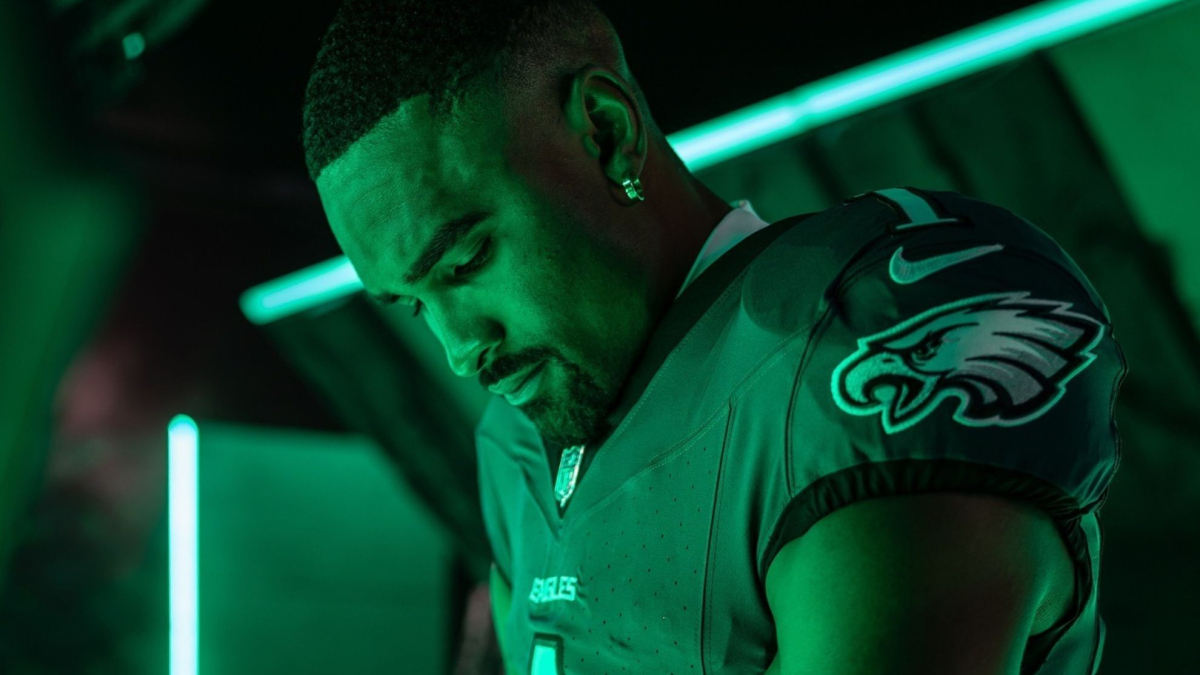
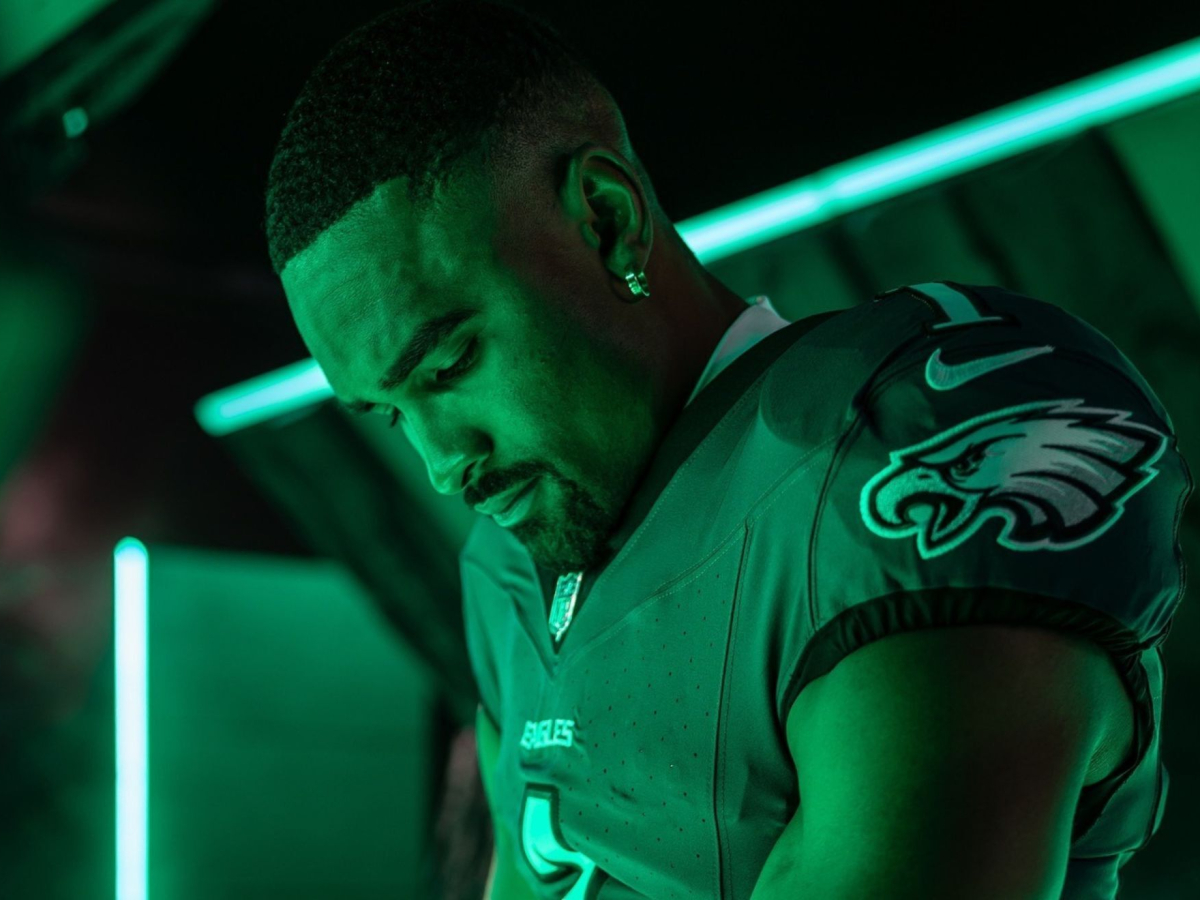
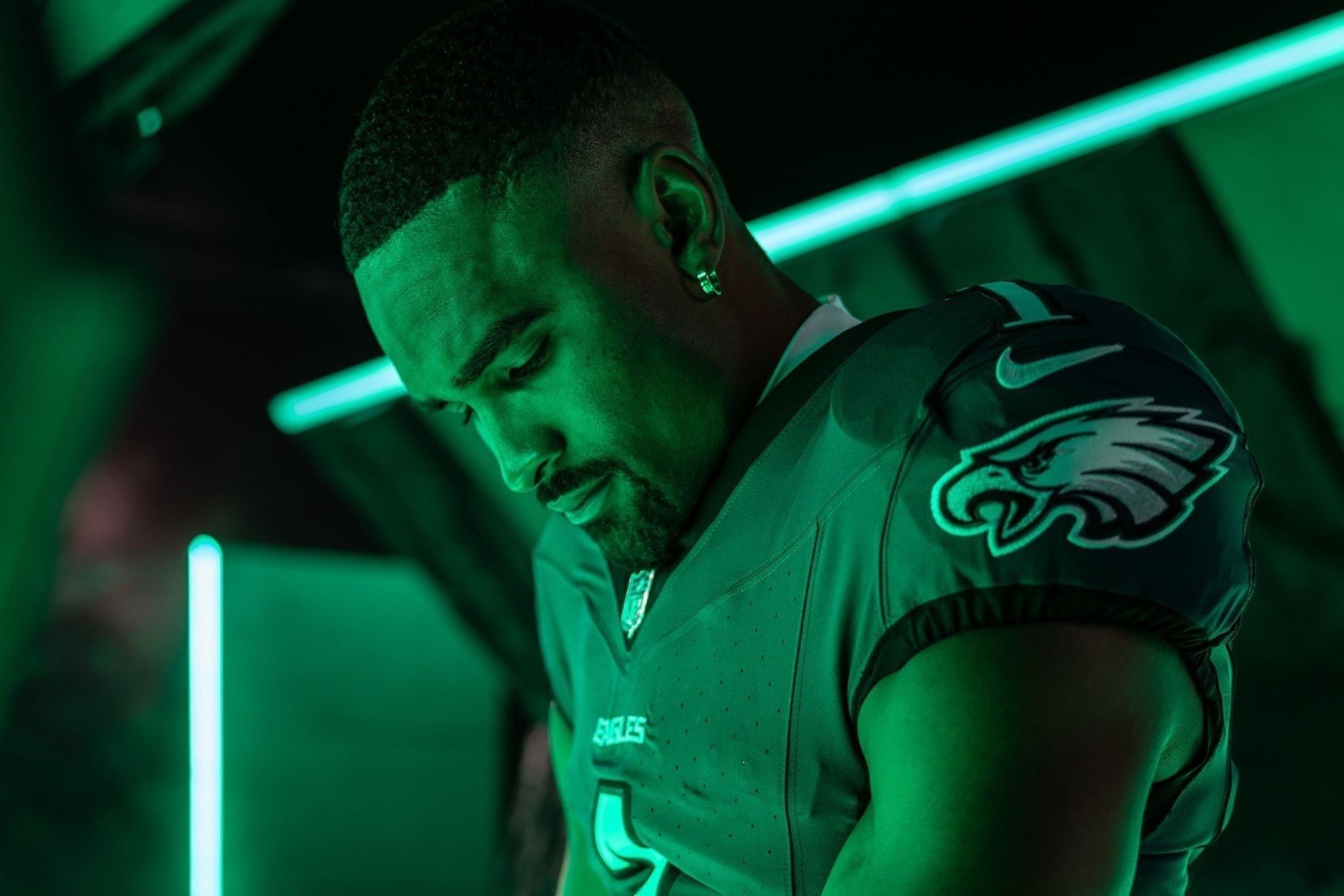
I ndependent medical experts will review the circumstances surrounding Jalen Hurts’ blood clot diagnosis and share their conclusions with the NFL and the NFL Players Association. The joint review could help the league and union determine whether this case points to a need for additional guidance on blood clots. It has not been described as a disciplinary investigation, and no findings have been announced.
The Eagles said Hurts was initially diagnosed in London with a superficial blood clot in his left calf. After further testing and monitoring, his diagnosis was updated to deep vein thrombosis (DVT) and pulmonary emboli in both lungs. Hurts had reported being cleated in the calf during a game against the Rams before traveling to London and playing against the Jaguars. The review will examine the circumstances surrounding his diagnosis and care; the cause of the clots has not been publicly confirmed.
What a blood clot diagnosis means and what the review could examine
A superficial clot forms in a vein close to the skin, while DVT forms in a deeper vein, often in the leg. A pulmonary embolism occurs when a clot blocks an artery in the lungs and can become life-threatening.
Leg clots are commonly checked with an ultrasound; a CT scan is often used to diagnose pulmonary embolism. Some symptoms can resemble other conditions, and some DVTs may cause no symptoms.
Blood clots can develop for different reasons, including injury, but the specific cause of Jalen Hurts’ clots has not been publicly confirmed. Being young, physically fit or a professional athlete does not rule out the possibility of developing a clot.
Reports say Jalen was cleated in the calf, but no public information has established that the blow caused the clots. Travel or his decision to play in London have not been confirmed as causes, either.
The independent experts’ findings may clarify the medical timeline and help the NFL and NFLPA determine whether existing guidance needs to change.
The Eagles and Hurts’ agent said he was clinically stable and had no significant functional limitations. His treatment involves anticoagulants, commonly called blood thinners. These medications reduce the risk of clots growing or new ones forming while the body gradually reabsorbs them.
The team said the player would not take part in contact activities while on the medication and described his prognosis as very good. His return to football, however, depends on medical clearance.
How other NFL players have dealt with blood clots
Eagles quarterback Jalen Hurts is not the first NFL player to face a blood clot. New England Patriots center David Andrews was diagnosed with clots in his lungs in 2019, missed the entire season and returned to play in 2020. He retired in 2025 after a decade with the team.
Los Angeles Chargers tackle Russell Okung suffered a pulmonary embolism that same year, missed the first seven games and returned during the season.
The outcome was different for Cincinnati Bengals guard Clint Boling , who retired in 2019 after eight seasons because a blood clot in his leg made continuing to play too risky.
These cases involved different medical circumstances, so they do not predict what Jalen Hurts’ recovery or return will look like.