'Cheerleaders aren't porcelain dolls': NFL fans clash over Buccaneers' rain-soaked performance
A discussion about the weather quickly turned into the physical demands of cheerleading
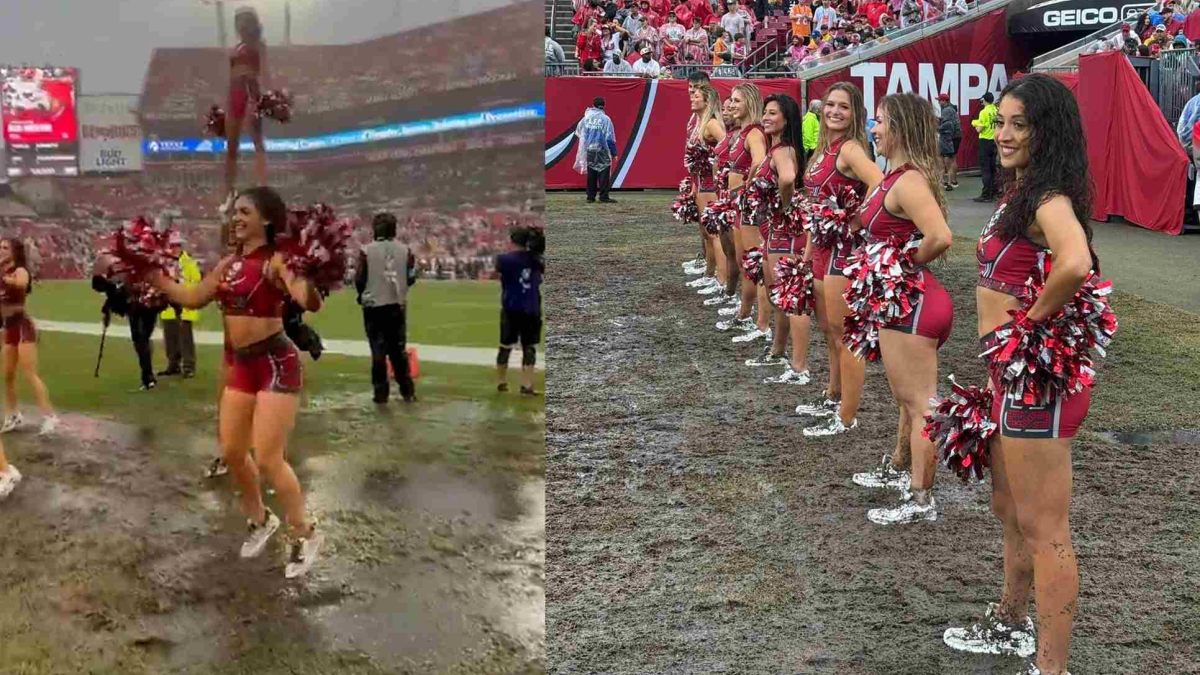
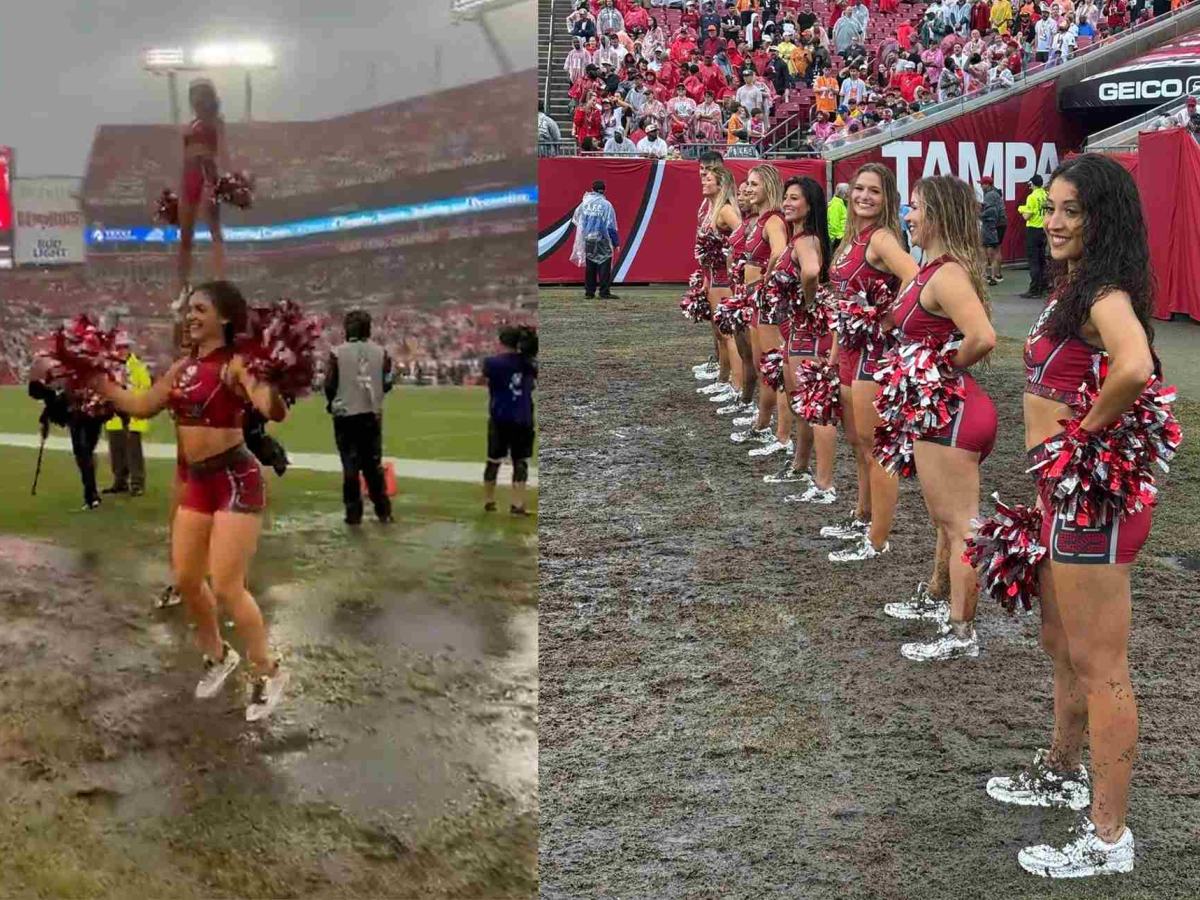
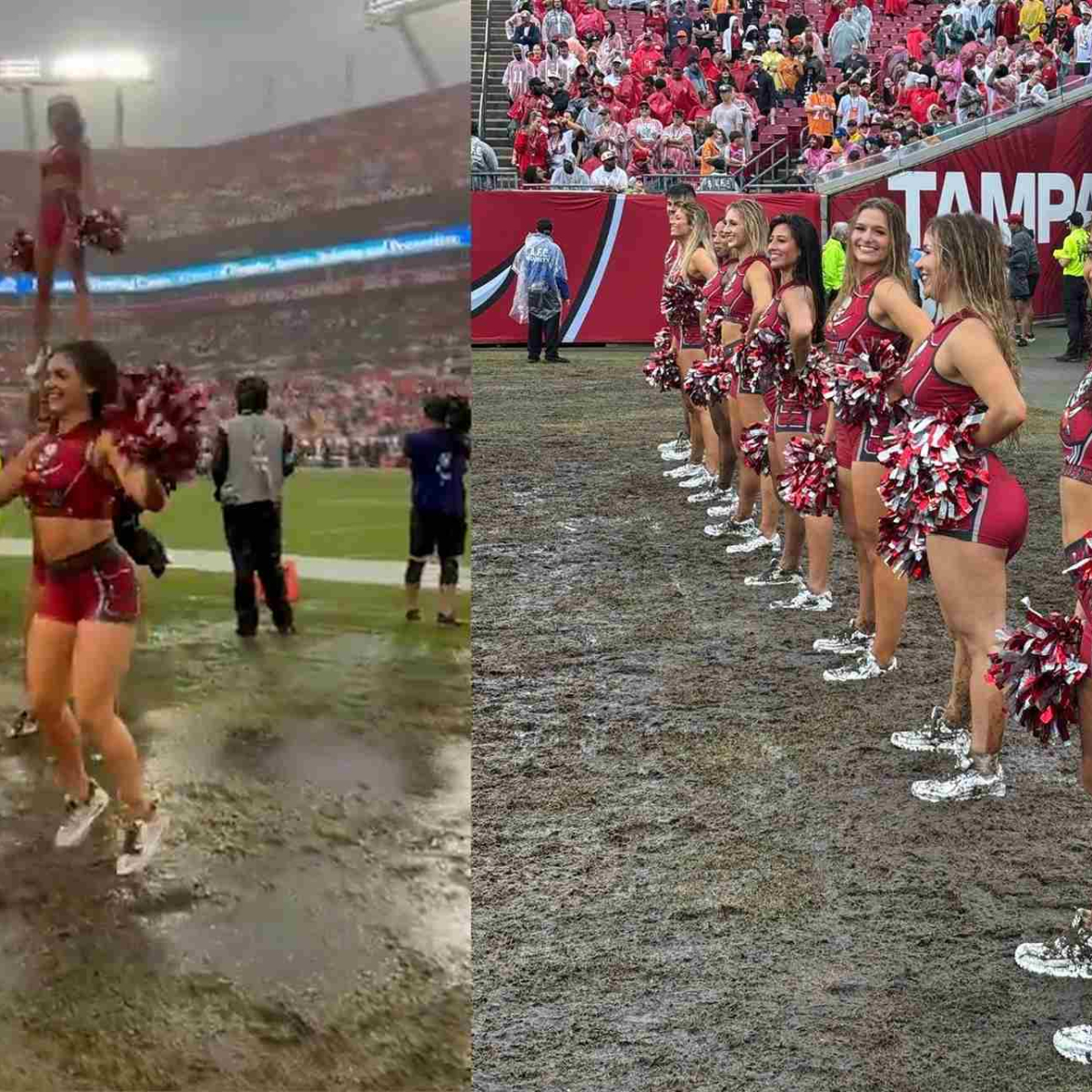
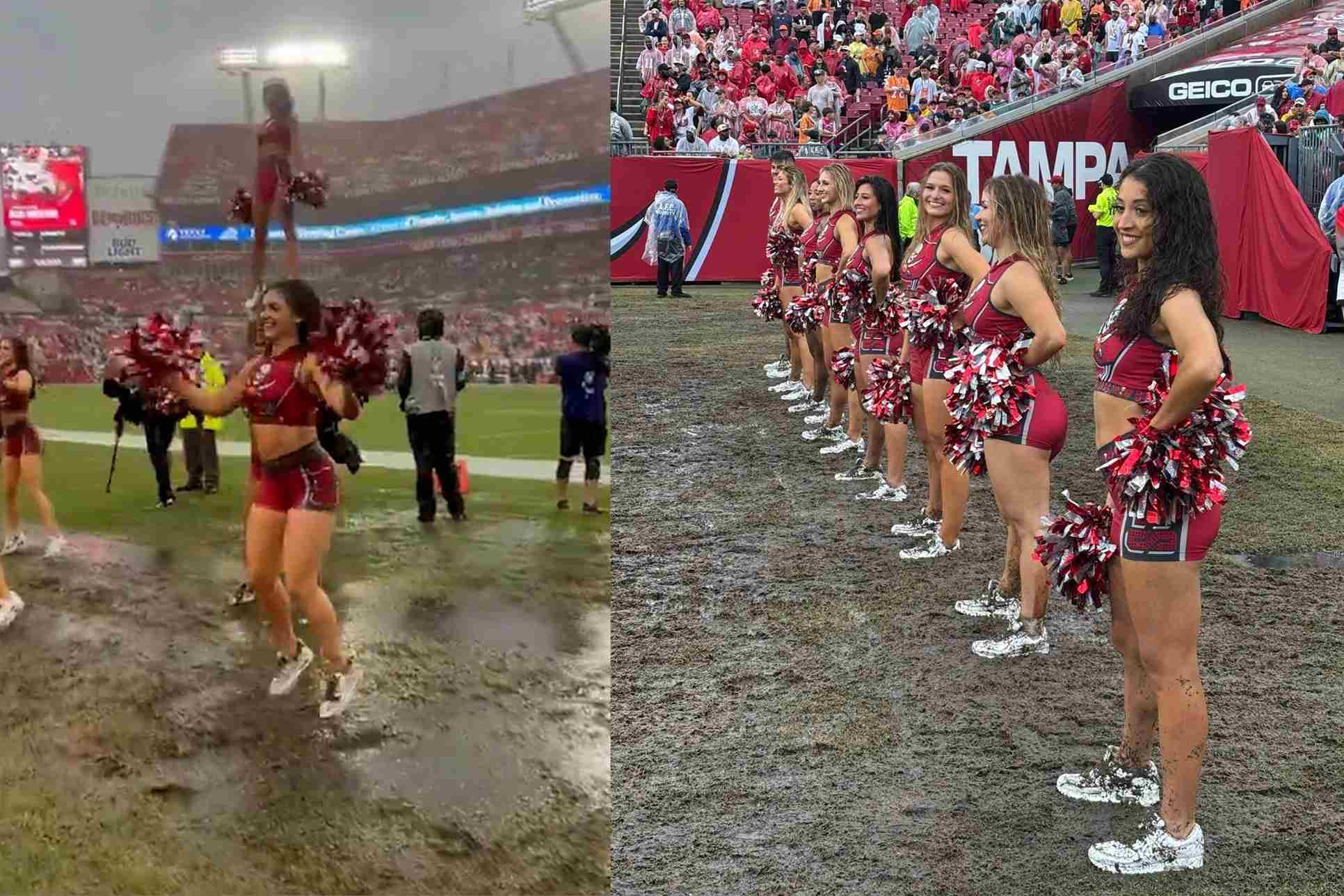
T he Tampa Bay Buccaneers have found themselves at the center of an online debate after their cheerleaders performed in rainy, muddy conditions during the team's game against the Atlanta Falcons at Raymond James Stadium.
Some NFL fans criticized the team for allowing the cheerleaders to continue performing on a wet surface, arguing that the conditions created unnecessary risks and that the women deserved better working conditions.
Others pushed back, saying cheerleaders are athletes who routinely perform in challenging weather and should not be treated as though they are incapable of handling the elements. The disagreement highlighted a familiar tension in professional sports: how to balance entertainment, athletic performance and safety when the weather refuses to cooperate.
Cheerleaders' performance raises safety questions
The controversy followed Tampa Bay's rain-soaked 16-0 victory over Atlanta on Sunday. The downpour was so severe that it affected nearly every aspect of the game, leaving standing water and mud on the field and making passing difficult for both offenses.
Footage of the Buccaneers cheerleaders dancing through the rain and mud quickly circulated online, drawing attention to the conditions in which they were expected to perform. For critics, the issue was not whether the cheerleaders could handle difficult weather. It was whether they should have been asked to perform a routine on a slippery surface when the risk of losing their footing appeared greater than usual.
Cheerleading routines can involve rapid changes of direction, jumps, lifts and coordinated movements. Wet grass and standing water can make those activities more challenging, particularly when performers are working in close proximity to one another.
Fans who criticized the Buccaneers argued that the organization should prioritize the performers' well-being rather than allow the show to continue simply because the football game was still underway. Some also expressed concern that remaining wet and exposed to the elements could make the cheerleaders sick.
However, rain itself does not cause viral infections, which are responsible for illnesses such as the common cold. Cold, wet conditions can still create discomfort and other weather-related risks, depending on the circumstances. The debate also raised a question about the standards applied to cheerleaders, who are part of the NFL's game-day entertainment but must navigate physical demands that go beyond dancing in front of a crowd.
NFL fans defend the cheerleaders
Not everyone agreed with the criticism. Other social media users argued that cheerleaders are trained athletes who understand the challenges of performing outdoors and should not be portrayed as fragile simply because the weather is unpleasant.
One commenter, who said they had coached cheerleading for more than two decades, offered a forceful defense of the performers. “Please! I coached cheerleading for over two decades. Cheered in rain, snow, really hot weather and sub zero. If they can play football, we can cheer. Cheerleaders aren't porcelain dolls- they are athletes,” the user wrote.
The comment captured a central argument among those defending Tampa Bay's decision: performing in difficult weather is not necessarily evidence of mistreatment, and cheerleaders should be recognized for their athletic ability and resilience.
Another user dismissed the concerns about the rain and argued that the absence of lightning meant the game could continue safely. “Stop the madness, rain doesn’t get you sick, game was played because no lightning in the area, stop this. No danger for the cheerleaders,” the commenter stated.
That response also reflected a broader frustration among some fans, who felt the criticism was excessive and overlooked the realities of outdoor sports. However, the absence of lightning does not automatically establish that every activity on a wet field is safe. Lightning is one reason an outdoor sporting event might be suspended, but slippery surfaces and the specific movements required of performers present separate considerations.