Barry Melrose cause of death: NHL legend dies at 70
The former NHL player, Stanley Cup Final coach and longtime ESPN analyst spent more than five decades around hockey before his death at 70

B arry Melrose , the former NHL defenseman, coach and beloved ESPN hockey analyst, has died at the age of 70.
Melrose's wife, Cindy , informed ESPN of his death Wednesday, according to the network and multiple reports. He had been diagnosed with Parkinson's disease in 2023 and stepped away from ESPN that year after nearly three decades with the network.
While reports have linked his death to his battle with Parkinson's disease, the initial announcements did not provide a more specific medical cause.
The disease had already forced Melrose to retire from broadcasting in 2023, bringing an end to one of the most recognizable careers in hockey television.
Melrose's impact on the sport stretched far beyond his time behind a television desk. He played 300 NHL games between 1979 and 1986 with the Winnipeg Jets, Toronto Maple Leafs and Detroit Red Wings, finishing his NHL playing career with 10 goals and 33 points.
Before reaching the NHL, he also played in the World Hockey Association with the Cincinnati Stingers . His coaching career brought him to an even bigger stage.
From the Kings' bench to becoming an ESPN icon
Melrose took over the Los Angeles Kings in 1992 and immediately made an impression. With Wayne Gretzky leading the team, Los Angeles reached the 1993 Stanley Cup Final in Melrose's first NHL season as a head coach.
The Kings ultimately lost the championship series to the Montreal Canadiens, but their playoff run helped cement Melrose's reputation as one of hockey's most colorful personalities.
He later returned to coaching for a brief spell with the Tampa Bay Lightning in 2008. His NHL coaching career ended with an overall regular-season record of 84-108-29-4 across the Kings and Lightning.
But broadcasting became Melrose's defining chapter.
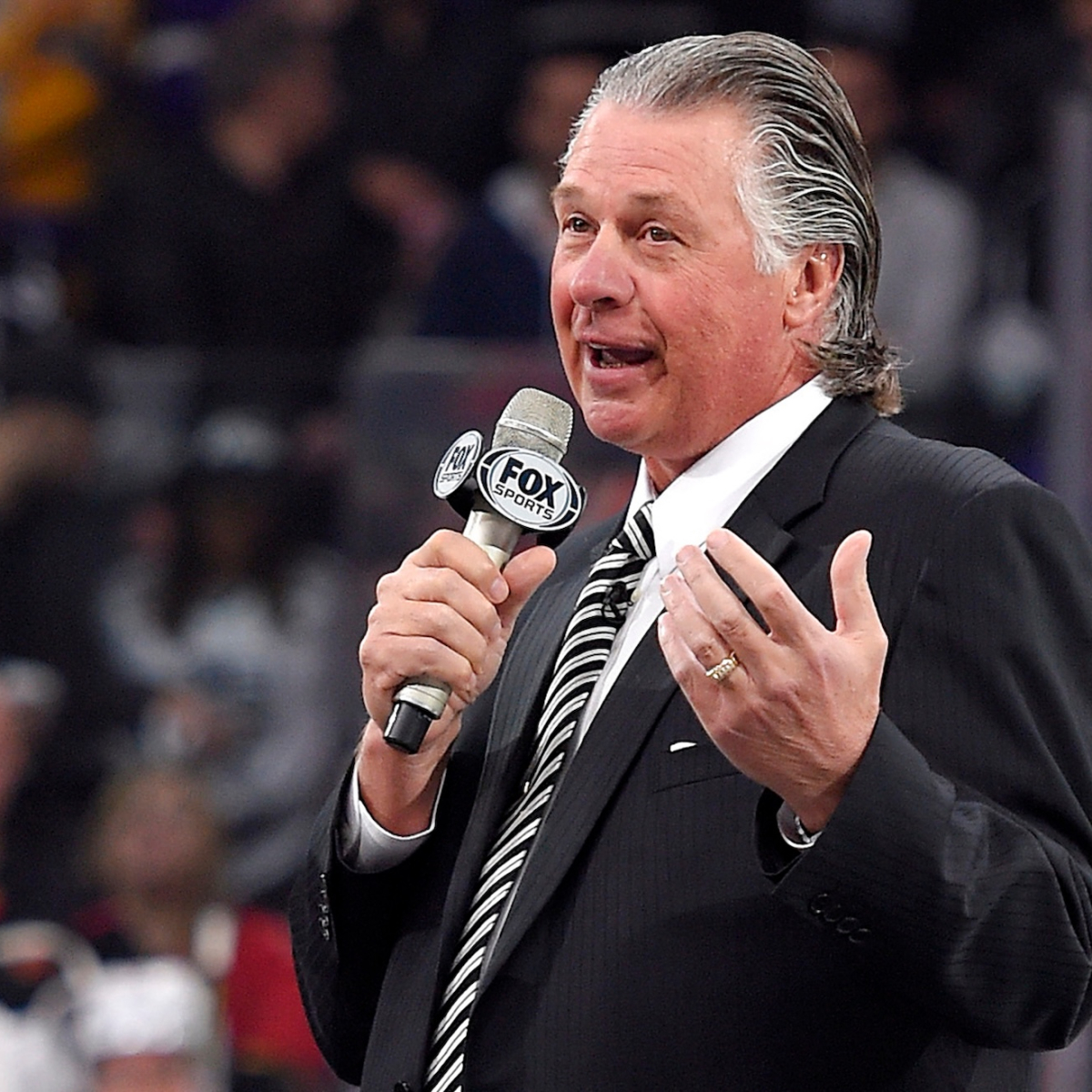
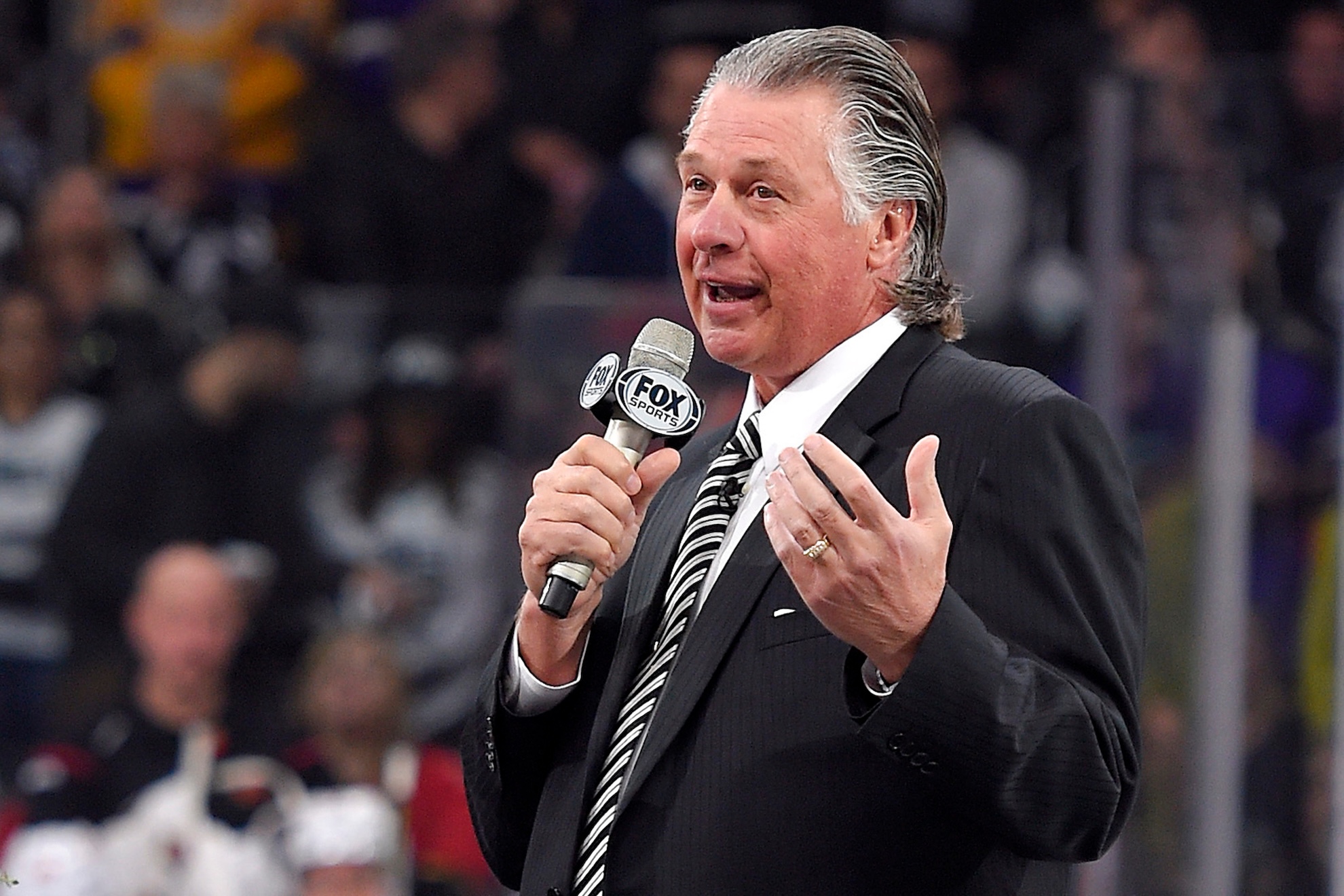
He joined ESPN in 1996 and quickly became a fixture of the network's NHL coverage. His distinctive mullet, goatee, colorful suits and booming personality made him instantly recognizable, while his straightforward analysis and enthusiasm helped turn complicated hockey discussions into accessible television.
ESPN described him as one of the network's foundational hockey voices following his death, emphasizing his knowledge, candor and unmistakable passion for the sport.
John Buccigross , one of Melrose's longtime ESPN colleagues, was among those who reacted emotionally to the news.
“Barry was my best friend at ESPN. A big brother figure of rock-solid values. I am shook to my core,” ESPN’s John Buccigross posted on X. “Barry gave his life to hockey and some of his ESPN family, like me, learned of his shocking death today while at a hockey rink in Las Vegas preparing for the upcoming season.
“Chilling and fitting, the rink was Barry’s home. A more beloved ESPN institution there has not been. We love you, Barry. Forever.”
The tribute captured why Melrose remained so popular even after his playing and coaching days ended. He was not simply an analyst discussing hockey; he embodied the personality and culture surrounding the sport.
Wayne Gretzky , who played under Melrose during the Kings' memorable 1993 playoff run, previously summed up his former coach's importance to hockey.
“He’s bigger than any team,” Gretzky once said of Melrose. “For decades, he’s been suiting up, and I mean suiting up, for the game, for the sport, for hockey.
“You see, hockey is more than a game, it’s a community, a finely tuned orchestra, and Barry was our conductor.”
NHL Commissioner Gary Bettman also remembered Melrose as a uniquely recognizable figure who brought energy to every rink and broadcast.
“From the flowing locks of his distinctive mullet to the flared lapels of his trademark long suit coats, Barry Melrose cut an unmistakable figure whenever you were fortunate enough to run into him at a rink or catch him on your television screen,” Bettman said.
“You were even more fortunate if you engaged him in conversation or listened to his analysis, because he never failed to boost your love of the game of hockey.
“A rangy and rugged defenseman from Kelvington, Saskatchewan, Barry fashioned an 11-year pro career in the NHL, AHL and WHA. But it was as a coach, who guided the Los Angeles Kings to the 1993 Stanley Cup Final, and as a broadcaster, who spent 27 years at ESPN, that he truly made his mark upon the game. And during those countless encounters over the years with players, coaches, fans and viewers who couldn’t help but be drawn in by his enthusiasm.”
When Melrose announced his retirement from ESPN in 2023, he reflected on more than 50 years spent playing, coaching and analyzing hockey. He said his focus would turn toward his health and family, including his wife Cindy.
Melrose leaves behind a legacy that cannot be defined by his coaching record or playing statistics alone. He helped lead the Kings to one of the most memorable playoff runs of the 1990s, became one of ESPN's signature hockey personalities and remained fiercely passionate about the game throughout his life.
For generations of hockey fans, the mullet, suits and unmistakable voice were part of the experience. Barry Melrose was, in every sense, a hockey original.