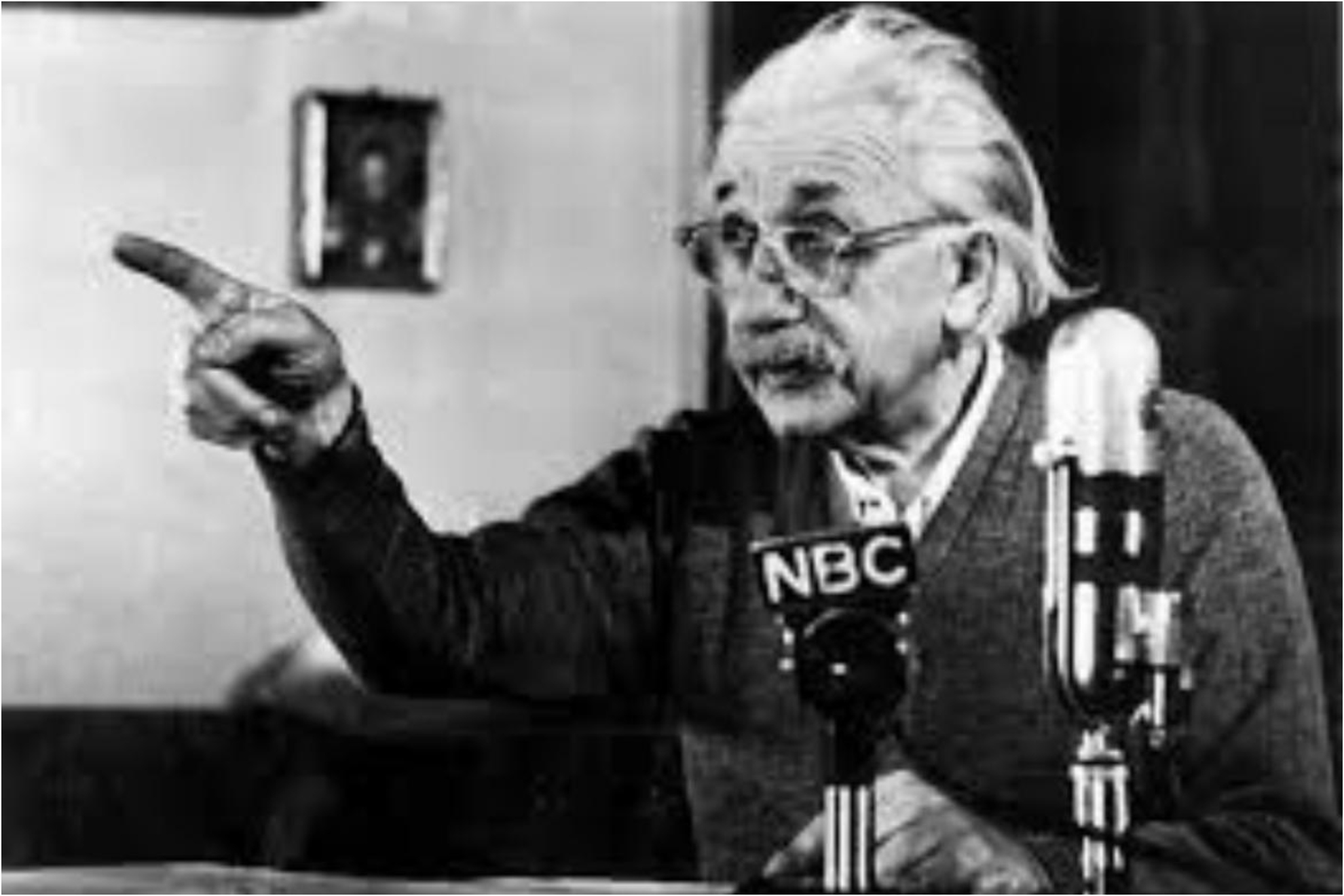
Albert Einstein, scientist, on personal growth: "A person who never made a mistake never tried anything new"
The scientist’s enduring message challenges the idea that personal growth should ever look perfect
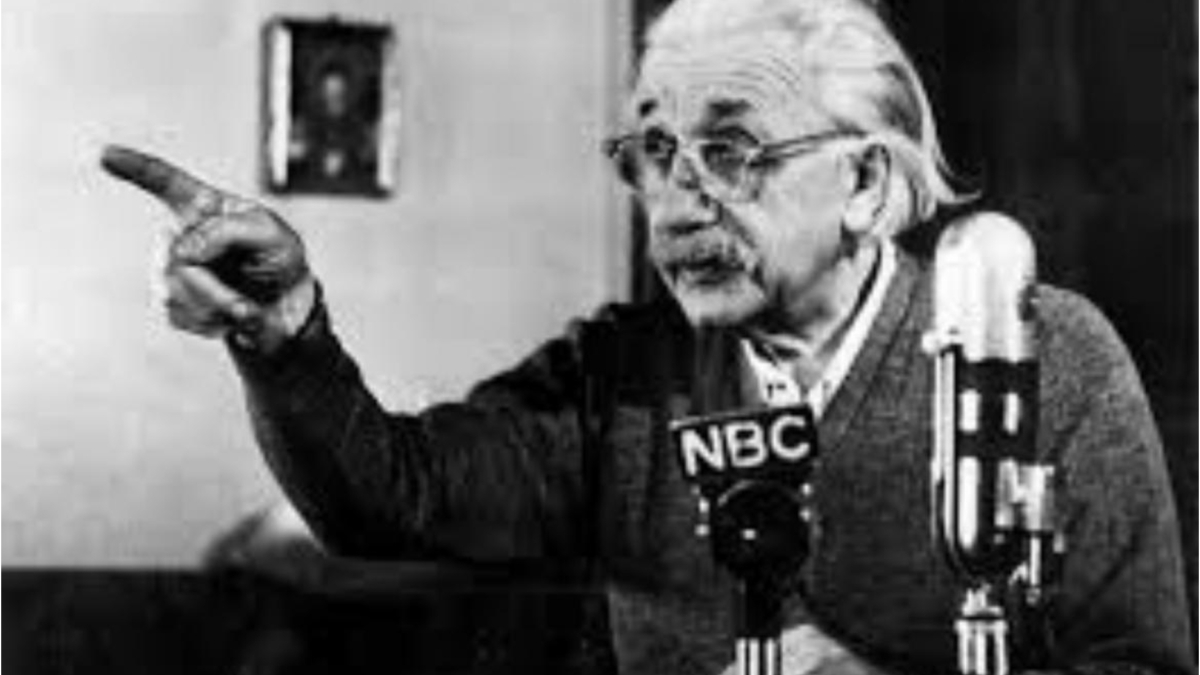
People often spend years trying to avoid mistakes, believing that getting something wrong exposes weakness, poor judgment or a lack of ability. Albert Einstein offered a very different way of looking at that instinct.
“A person who never made a mistake never tried anything new,” the scientist is widely quoted as saying.
The appeal of the line is not that it celebrates failure for its own sake. It's that it connects mistakes with movement, experimentation and the willingness to enter territory where the outcome is uncertain. That can be uncomfortable.
Trying something unfamiliar means surrendering the protection that comes with experience. The first attempt at a new skill may be clumsy. A new idea may fail.
A different career path may not work out as expected. Einstein’s point is that avoiding those possibilities entirely can come with its own cost.
Playing it safe can also limit growth
A person who never risks being wrong may preserve a sense of control, but they also reduce the chances of discovering something better. That applies in everyday life as much as it does in science.
Someone learning to speak a new language will make errors before becoming fluent. A person starting a business will almost certainly make decisions they later reconsider.
Creative work often improves only after early versions are rejected, rewritten or abandoned. The key isn't simply making mistakes, it's learning from them.
Einstein ’s quote works because it draws a line between thoughtful experimentation and carelessness. Repeating the same mistake without reflection is not the same as testing an unfamiliar idea, seeing why it failed and changing course.
Einstein’s career defined by questioning theories
The message also fits the broader story of Einstein’s scientific life. His breakthroughs came from challenging assumptions that many others took for granted.
His 1905 papers reshaped thinking about light, matter, energy and motion, while his later work on general relativity fundamentally changed the understanding of gravity.
Those advances required more than intelligence. They required a willingness to question established explanations and follow ideas into uncertain territory.
Einstein wasn't right about everything, and that is part of what makes the quote useful. Scientific progress depends on revision as much as discovery. Ideas are tested against evidence, and even respected theories can be modified or rejected.
Personal growth doesn't usually look perfect while it is happening. Sometimes it looks like getting something wrong, understanding why and trying again with more knowledge than before.