Bill Gates, businessman and philanthropist: "Power comes not from knowledge kept but from knowledge shared"
The Microsoft co-founder explains why keeping knowledge to yourself may limit your influence rather than strengthen it
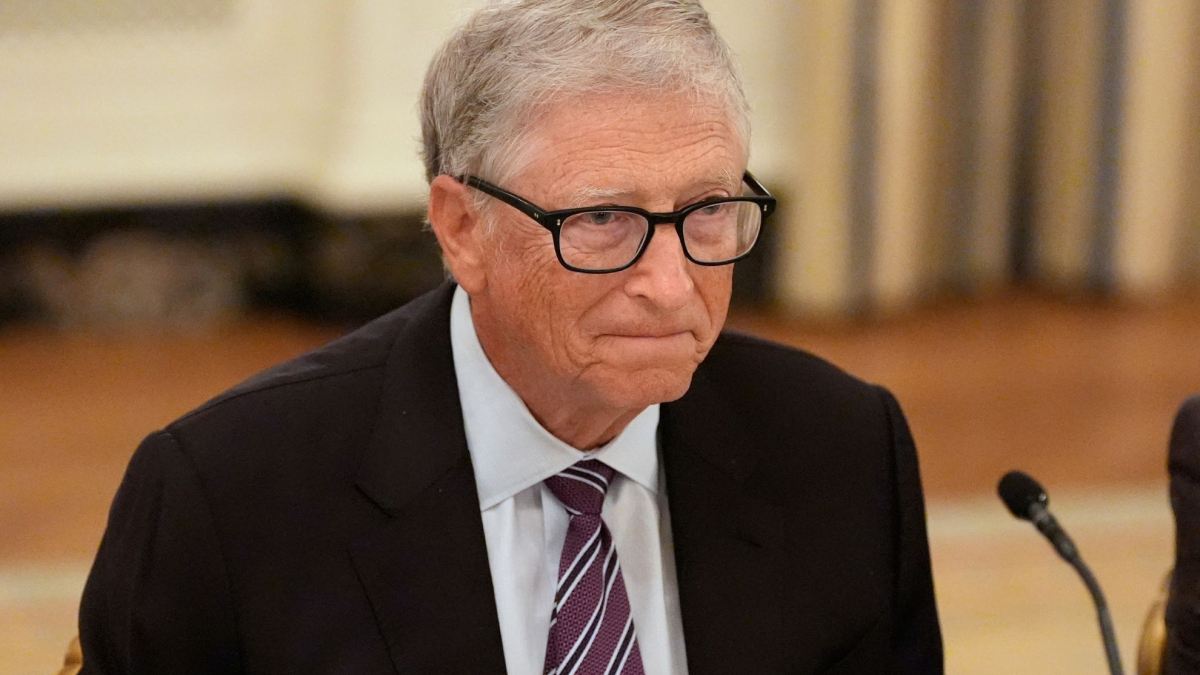
In a world where expertise can determine careers, salaries and professional opportunities, sharing valuable knowledge might seem like giving away a competitive advantage. Yet Bill Gates believes the opposite can be true.
The American businessman and philanthropist, who co-founded Microsoft and helped transform the global technology industry, offered a different perspective on how individuals and organizations develop lasting influence.
"Power comes not from knowledge kept but from knowledge shared," Gates wrote.
The statement challenges the familiar belief that knowledge alone creates power, suggesting instead that information becomes more valuable when people can use it to improve their work, solve problems and develop new ideas.
His argument also raises an important question of does keeping expertise to yourself actually make you indispensable, or does it prevent others from recognizing your wider contribution?
What did Bill Gates mean about sharing knowledge?
Gates presented the argument in his 1999 book, Business @ the Speed of Thought, which examined how businesses could use digital technology to improve communication and decision-making.
He also discussed the principle in a 1999 article for TIME, explaining why employees sometimes become reluctant to share information with colleagues.
"The old saying Knowledge is power sometimes makes people hoard knowledge," Gates said. "They believe that knowledge hoarding makes them indispensable."
His point was that organizations become less effective when important information remains concentrated in the hands of a few individuals.
An employee might possess extensive experience, but that expertise can have a much greater impact when colleagues are able to learn from it, challenge assumptions and apply the lessons themselves.
Why sharing information makes organizations stronger
Gates developed his philosophy during a period when the internet and digital communication were transforming how companies operated.
He argued that technology could help businesses become more responsive by allowing information to move freely between employees, managers and departments.
However, the underlying lesson was about workplace culture rather than technology alone.
A manager who encourages employees to exchange ideas can create an environment where problems are identified earlier and solutions emerge from different perspectives.
Likewise, experienced workers who mentor younger colleagues can strengthen an organization's collective abilities without diminishing their own professional value.
The principle also applies outside business, particularly in education, scientific research and communities where progress frequently depends on people building upon one another's discoveries.
Why Bill Gates' advice remains relevant today
More than two decades after Gates published his argument, the rapid development of artificial intelligence and digital tools has made access to reliable information increasingly important.
However, sharing knowledge does not mean distributing confidential information or abandoning necessary protections for privacy and intellectual property.
The more meaningful distinction is between protecting information for legitimate reasons and withholding useful expertise simply to maintain an advantage over others.
Gates ' philosophy encourages people to measure their influence not only by what they personally understand, but also by what their knowledge enables others to achieve.
His message remains a reminder that genuine leadership isn't necessarily about being the only person with the answers. Sometimes, its greatest value comes from ensuring that others have the knowledge they need to succeed.