In 2010, they rediscovered a Soviet robot that had landed on the Moon 40 years earlier: the vehicle was still working
Lunokhod 1's laser reflector returned a surprisingly powerful signal
The space race left much more on the lunar surface than astronaut footprints and flags . There remain, motionless for decades, spacecraft, probes, and vehicles that one day stopped transmitting signals. Some were practically forgotten. But one of them, lost for nearly four decades, unexpectedly made contact again.
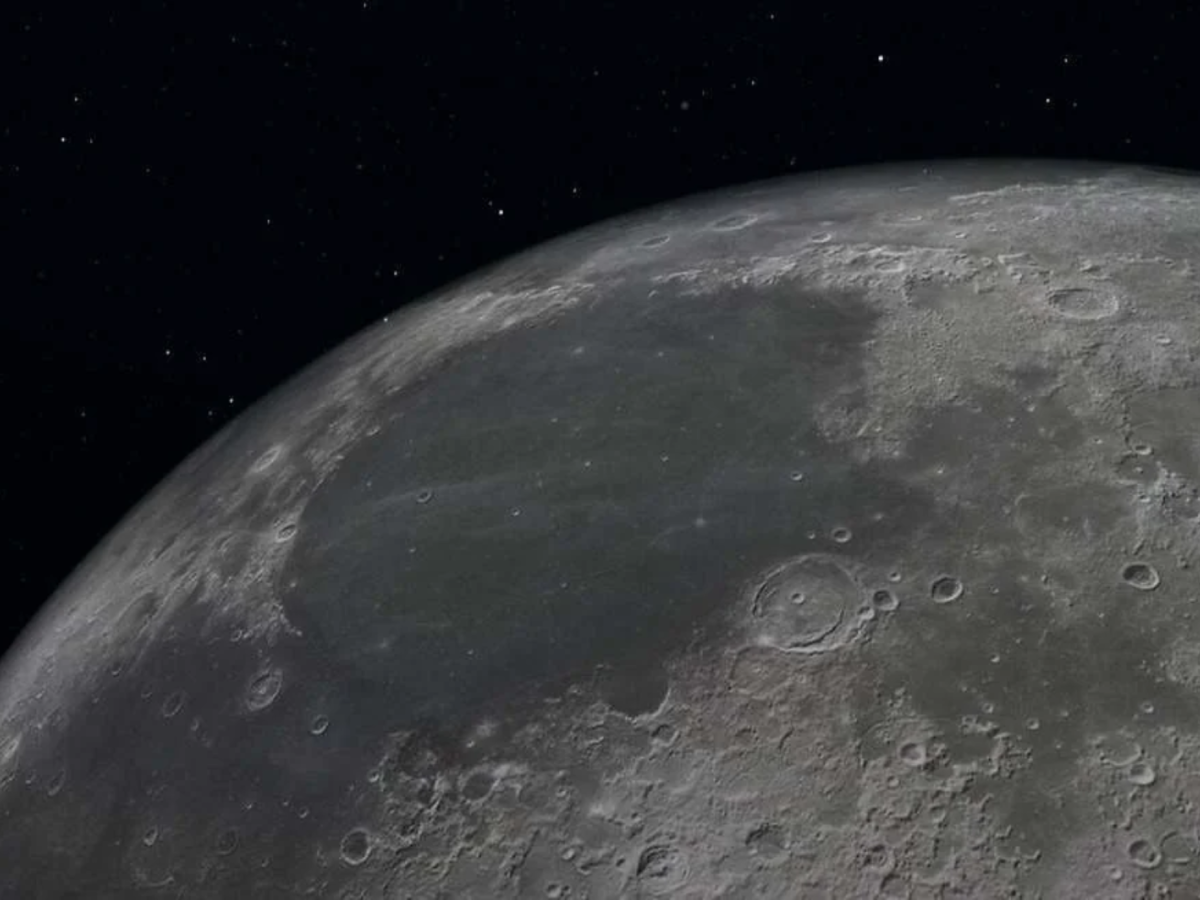
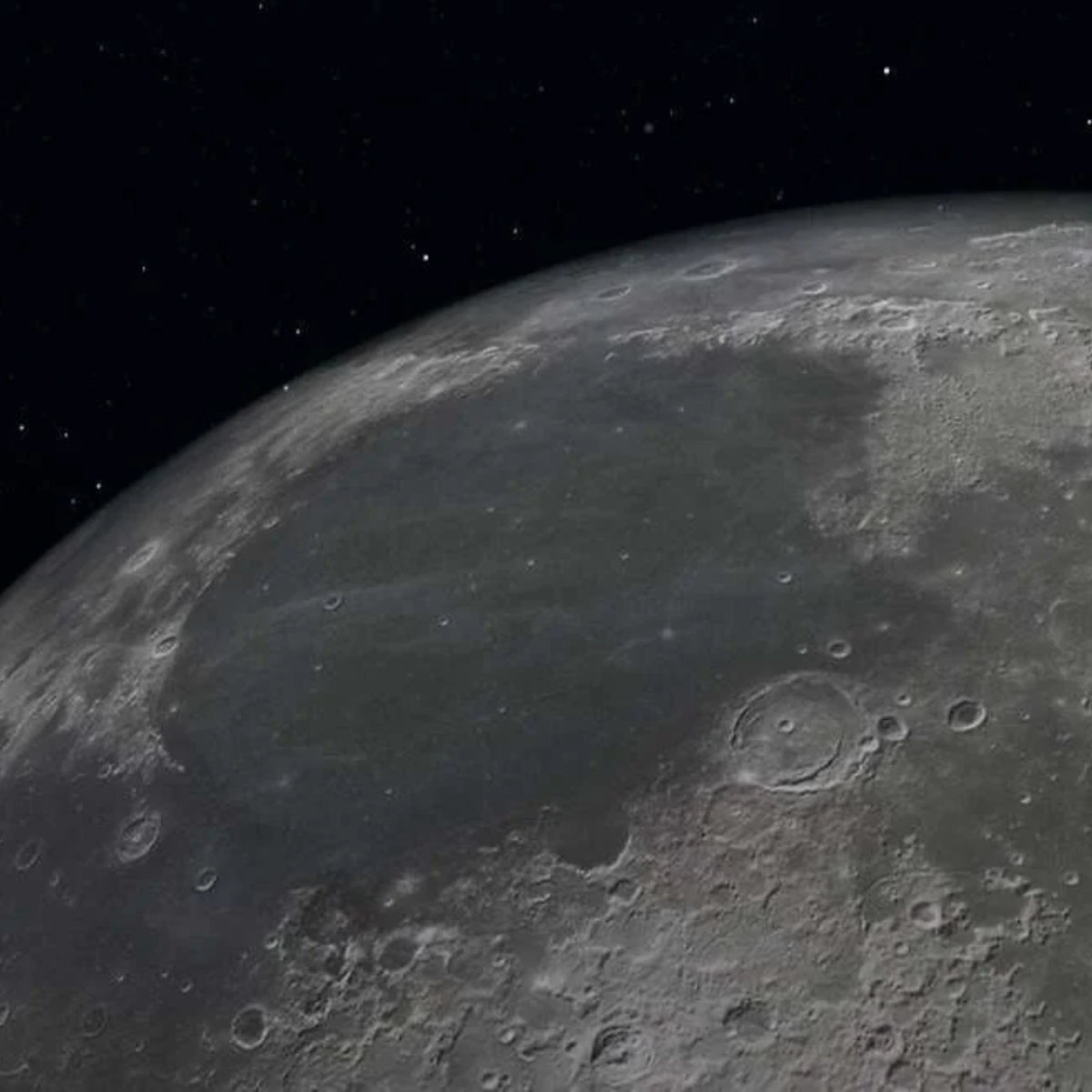
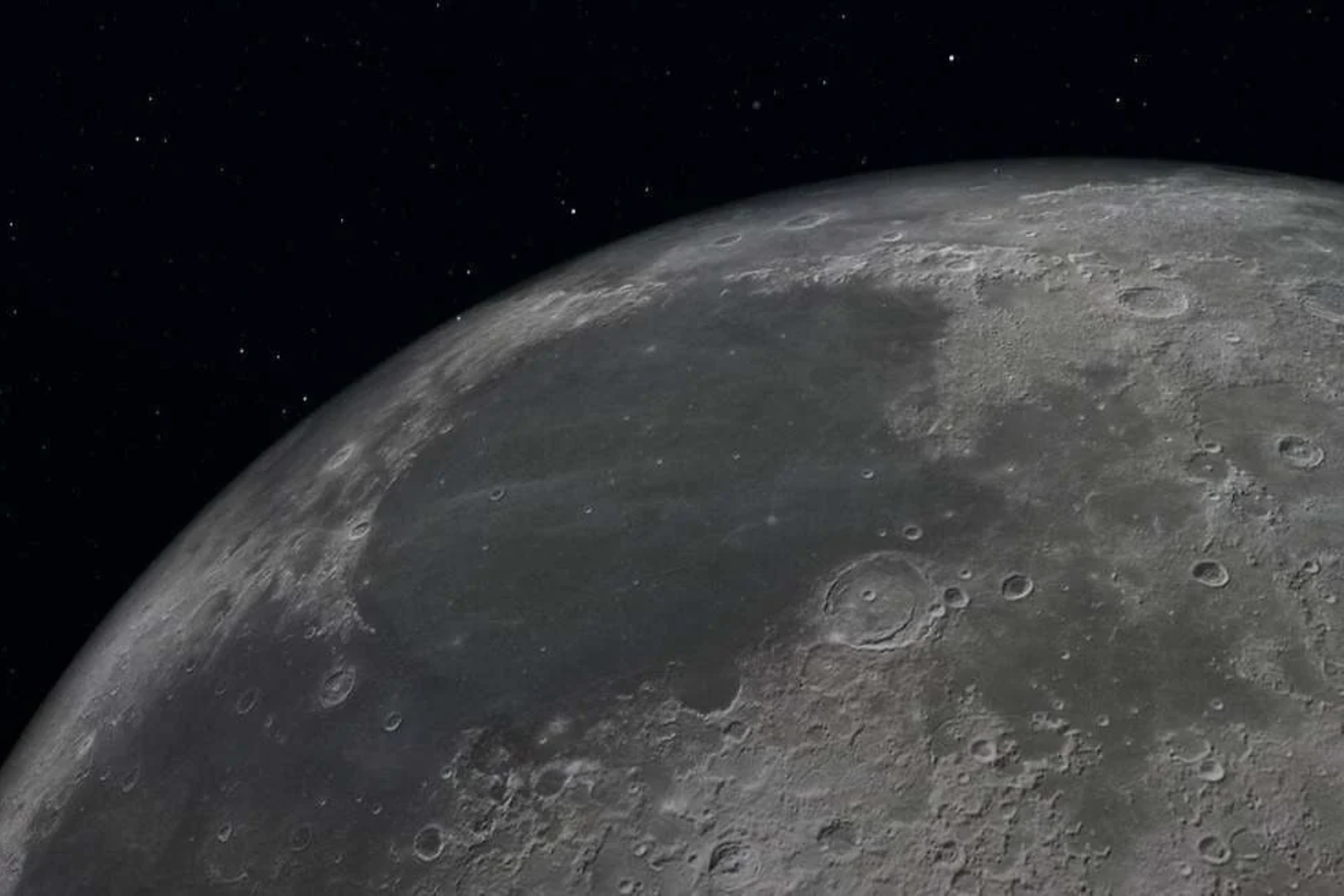
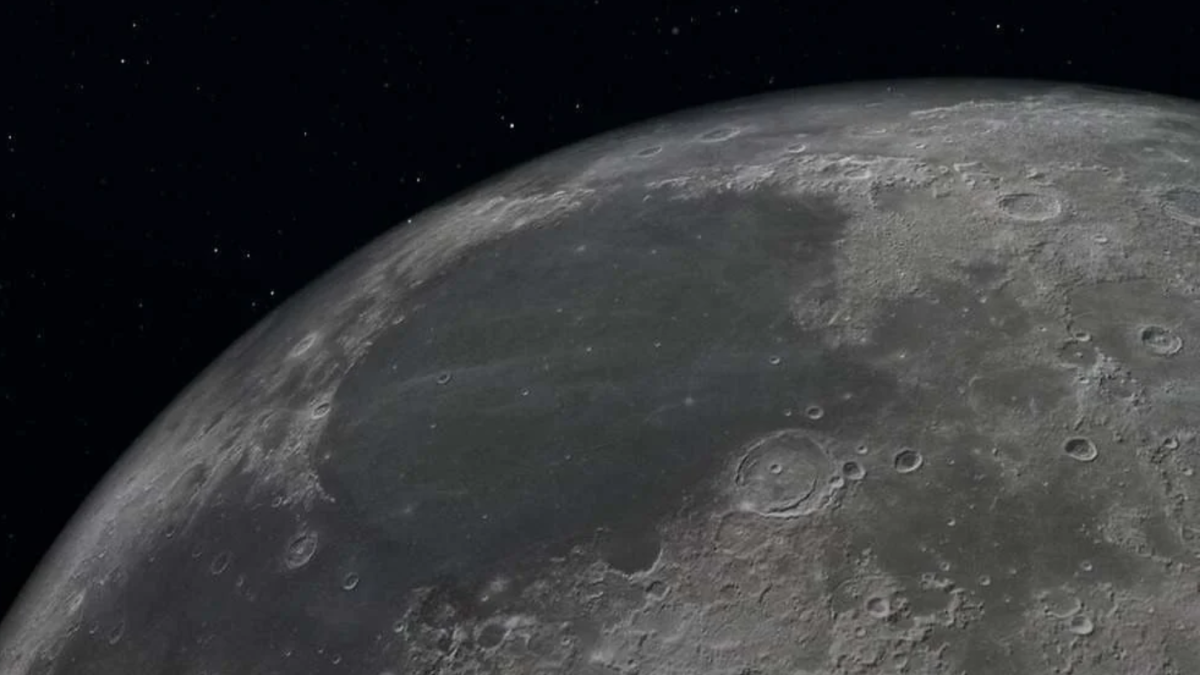
It is the Lunokhod 1 , the first remotely controlled robotic vehicle to explore another world. The Soviet Luna 17 spacecraft delivered it to the Sea of Rains on November 17, 1970 . It was designed to operate for about three months, but it survived eleven lunar days , the equivalent of 321 Earth days, and traveled more than 10.5 kilometers guided remotely by operators from the Soviet Union .
The last contact with the robot took place on September 14, 1971 . Since then, no one knew exactly where it had been left parked.
A French mirror on the Moon
Lunokhod 1 carried on board a laser reflector manufactured in France , similar to those left by the astronauts of the Apollo program. These devices make it possible to measure the distance between the Earth and the Moon with enormous precision: it is enough to fire a laser pulse and time how long it takes to return.
The problem was that, without knowing its location, it was impossible to target it . Since 1971, no experiment had managed to receive a signal back.
Everything changed in March 2010 , when images from the Lunar Reconnaissance Orbiter probe, from NASA , made it possible to locate both the landing module and the robot . With those coordinates, the team of physicist Tom Murphy , from the University of California, San Diego, fired laser pulses on April 22 from Apache Point Observatory, in New Mexico.
The response was surprising. On the first attempt they received about 2,000 photons , and the signal turned out to be several times stronger than that of its twin, Lunokhod 2. The robot was no longer moving , but its mirror was still working perfectly almost 40 years later. In addition, its position, close to the lunar edge, makes it especially valuable for science.