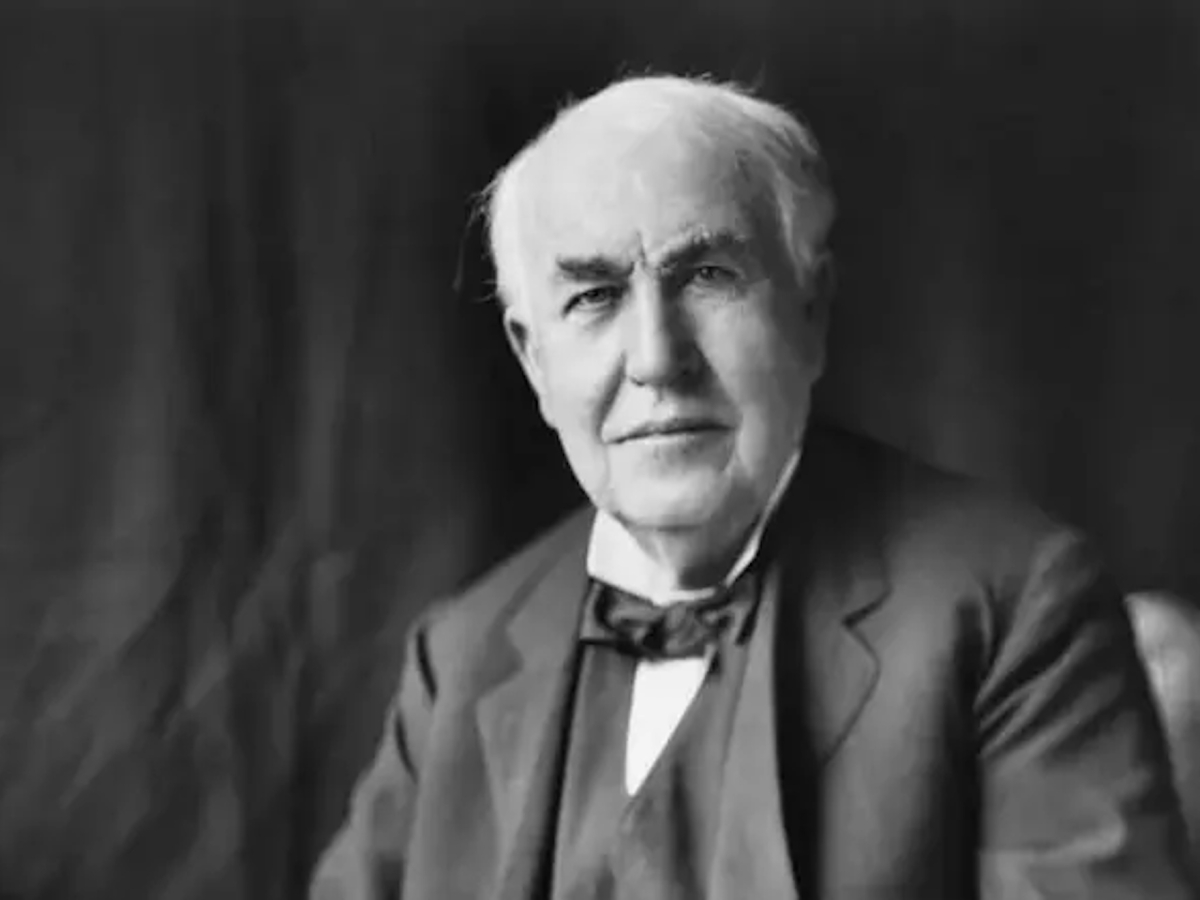
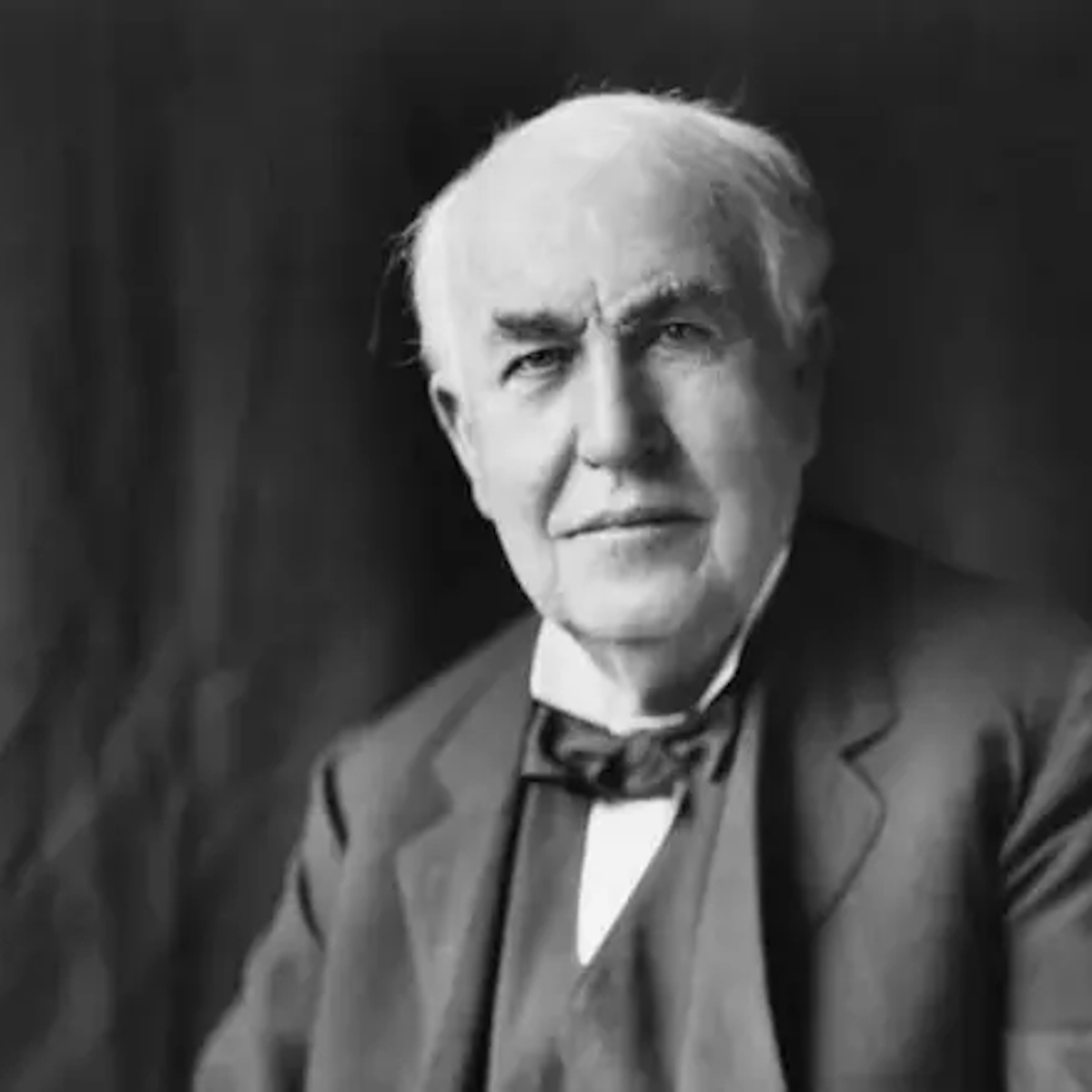
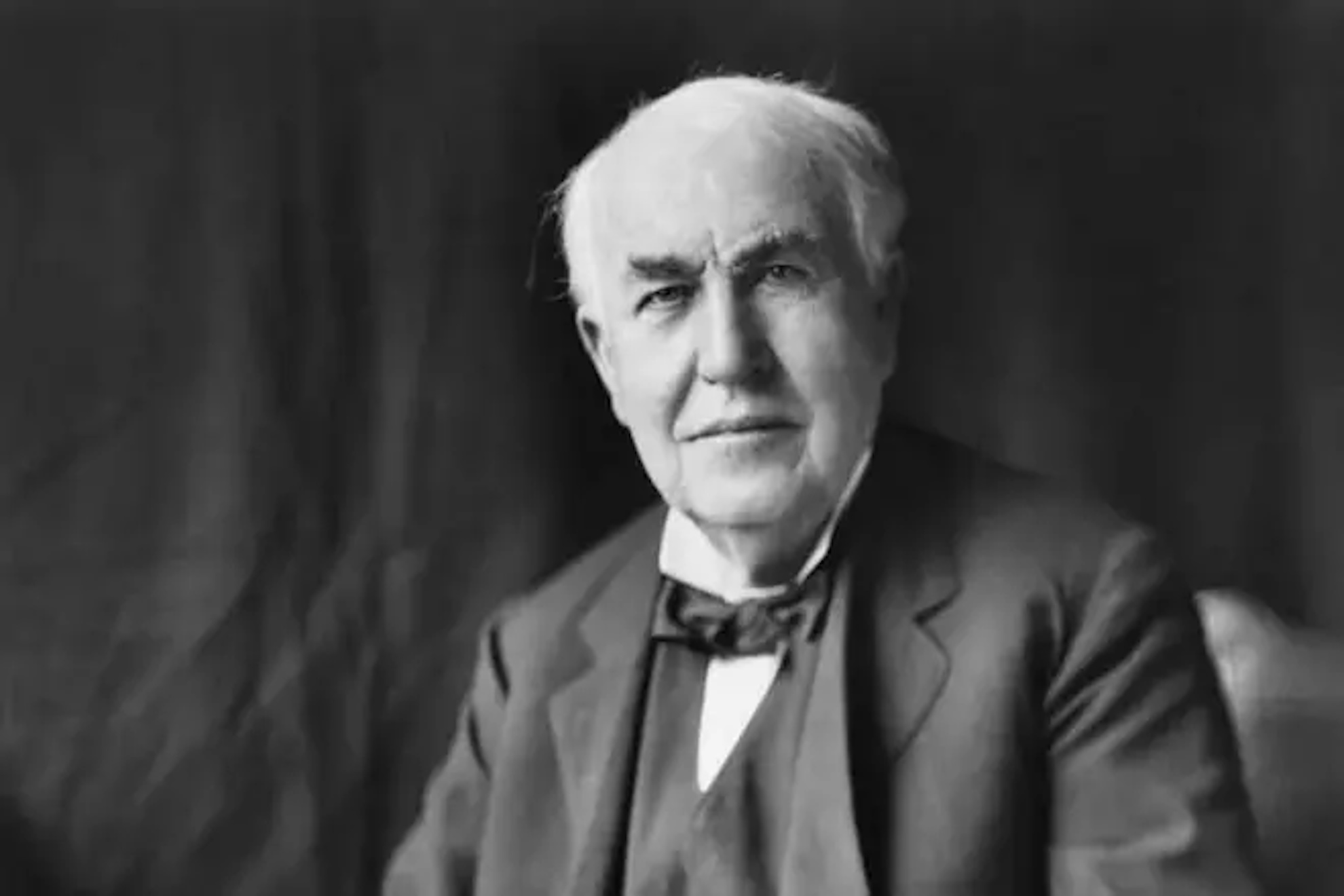
Thomas Alva Edison, Inventor and Businessman: "I have not failed. I've just found 10,000 ways that won't work"
The legendary inventor's approach to experimentation turned setbacks into valuable lessons
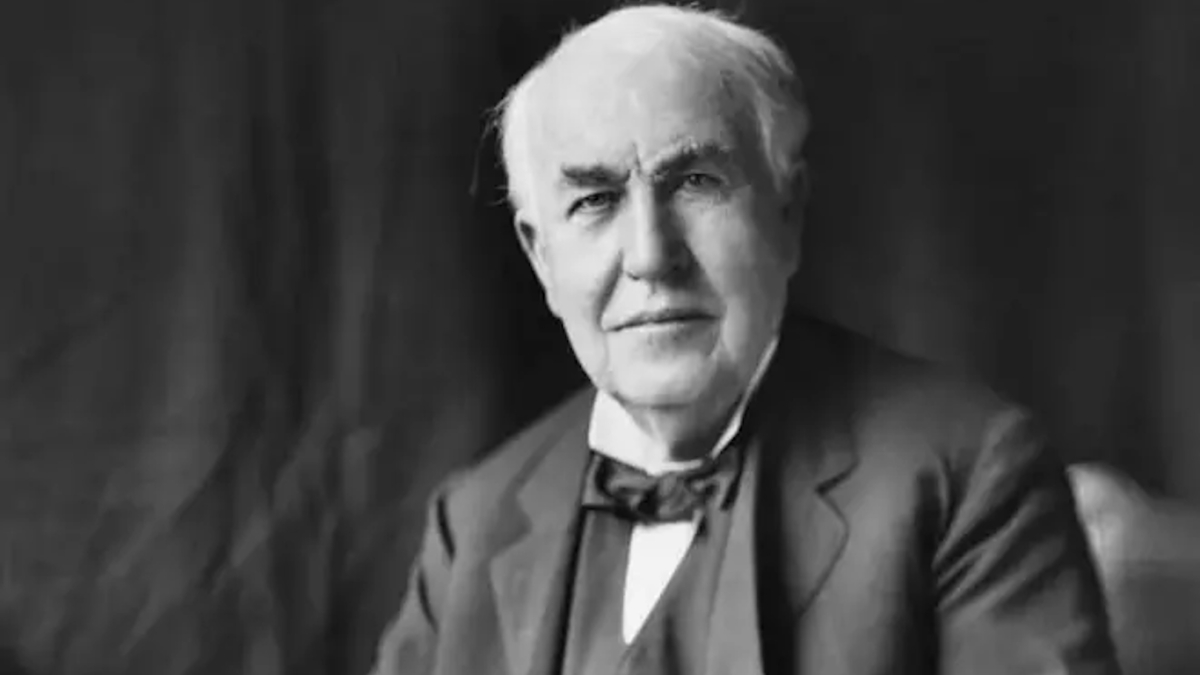
The inventor Thomas Alva Edison helped change the way people lived, worked and communicated as his creations transformed entertainment and industry, but while his approach to problem-solving established him as one of history's most influential inventors and businessmen, his success was built on something less glamorous than genius.
Edison , one of the most famous innovators in history, displayed an extraordinary willingness to keep trying from the phonograph to the development of a commercially practical incandescent lighting system, as his achievements required extensive experimentation.
He worked alongside teams of researchers and technicians, testing materials, refining designs and searching for solutions to problems that frequently resisted easy answers. His reputation was shaped as much by that process as by the inventions themselves and his philosophy is captured in a famous line.
"I have not failed. I've just found 10,000 ways that won't work,” Edison said as the words challenge the idea that an unsuccessful attempt represents defeat and instead, they suggest that every experiment can provide useful knowledge, even when the immediate result falls short of expectations.
The sentiment has a particularly strong connection to his work on electric lighting. Creating a reliable incandescent lamp meant finding a filament that could produce light for extended periods without quickly burning out as he and his assistants tested numerous materials.
Using each unsuccessful result to eliminate possibilities and refine their approach, their eventual development of a durable carbon-filament lamp helped make electric lighting commercially viable and his determination was also evident in a lengthy effort to improve storage batteries.
Why Edison's words still matter today
Edison 's achievements were not simply the product of refusing to give up as his Menlo Park laboratory brought together specialists who could investigate problems, construct prototypes and improve designs through organized research. That collaborative approach helped establish a model for industrial research and development that continues to influence modern innovation.
The same philosophy applies well beyond invention: Entrepreneurs face rejected ideas and unsuccessful launches, scientists must reconsider theories when evidence contradicts them, and athletes routinely encounter defeats before improving their performances.
In each case, progress depends on understanding what went wrong rather than allowing disappointment to dictate the next decision, and modern technology companies demonstrate the value of this approach through repeated testing and product development.
A flawed prototype can reveal weaknesses that would otherwise remain hidden, while customer feedback can expose problems that designers never anticipated. The important distinction is whether people use those experiences to make better decisions.
His words also offer a reminder that persistence should involve adaptation and repeating an unsuccessful approach without examining the reasons behind it is unlikely to produce a breakthrough. Learning from mistakes, changing direction and applying new knowledge are what turn determination into meaningful progress.
That’s a key component of life for every young person to learn and ultimately, Edison 's legacy shows how his belief in the quote and his eventual success could turn difficult problems into practical solutions.