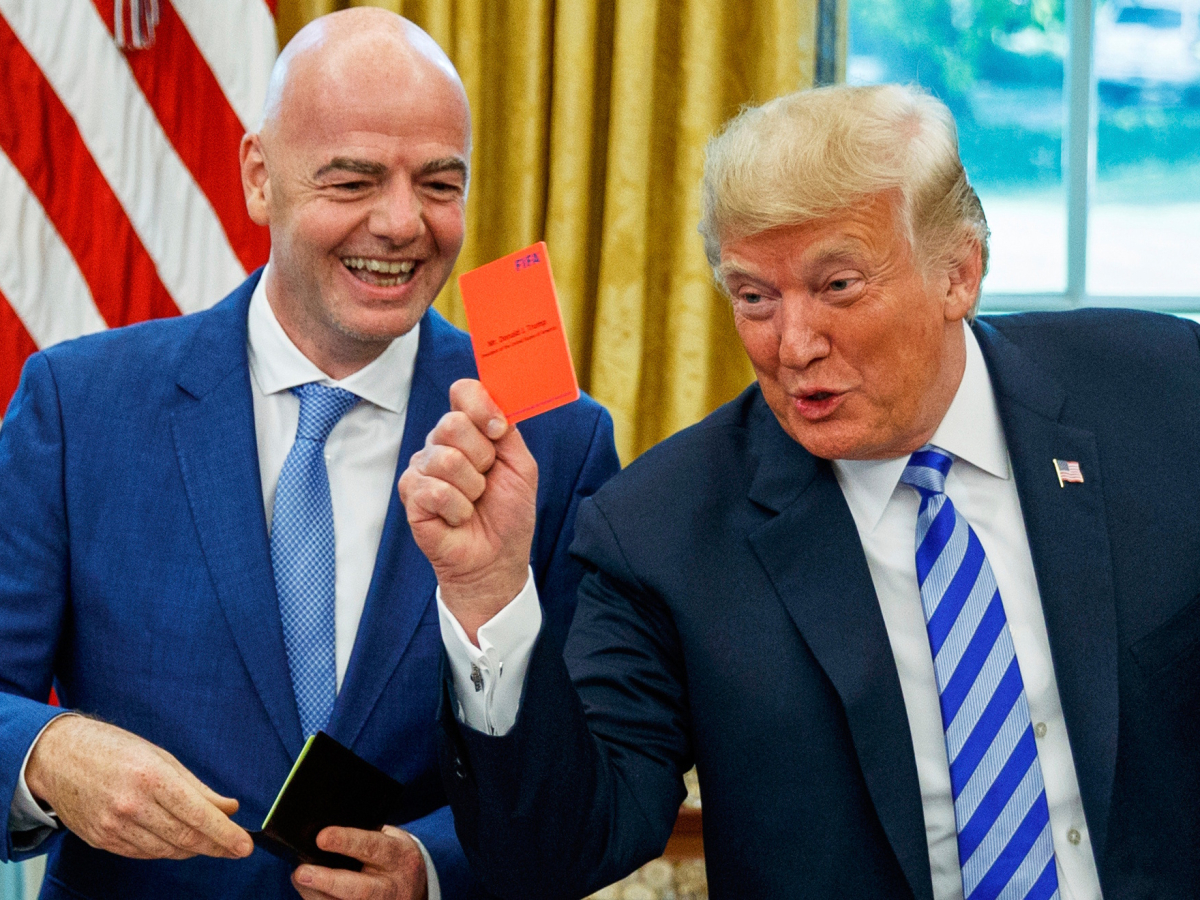
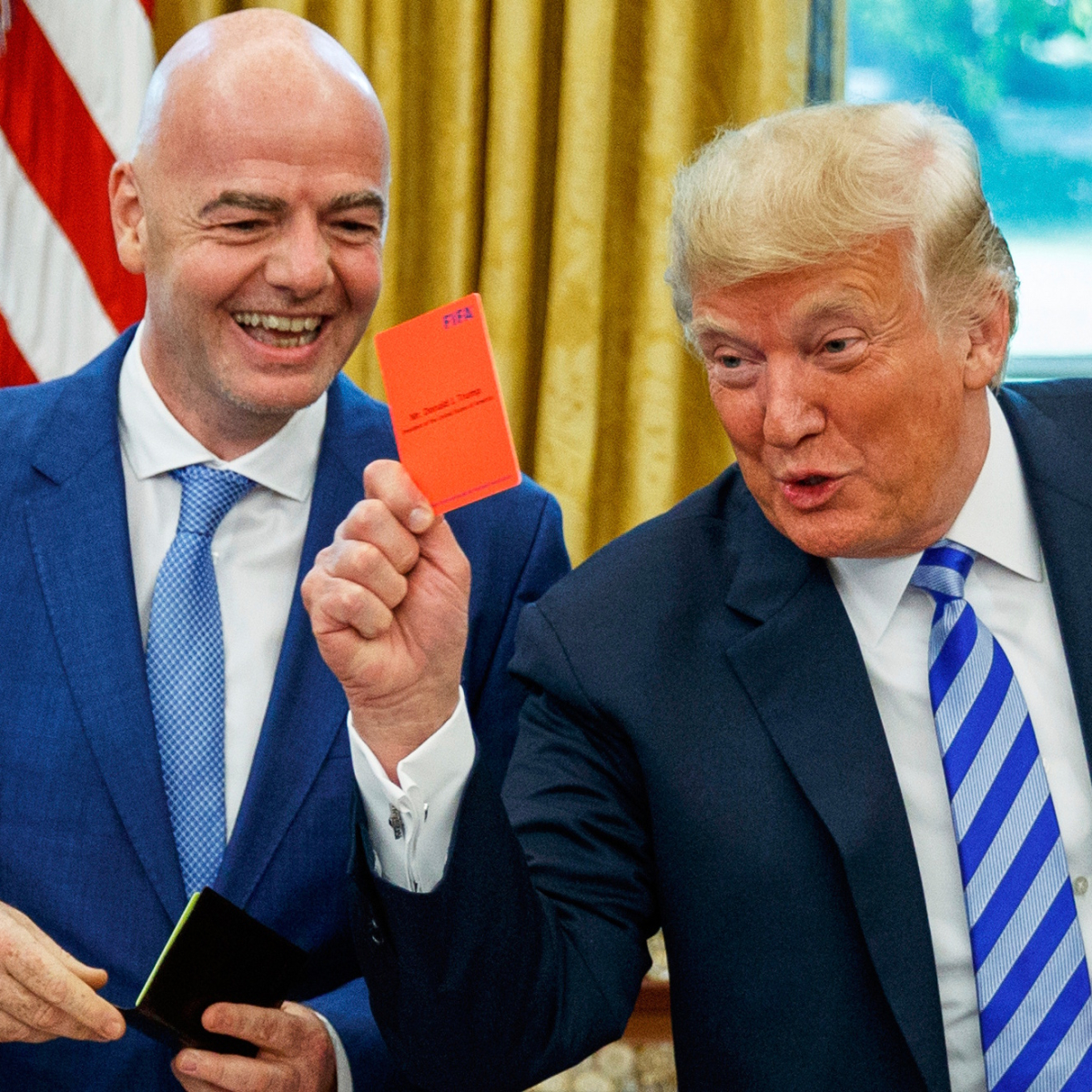
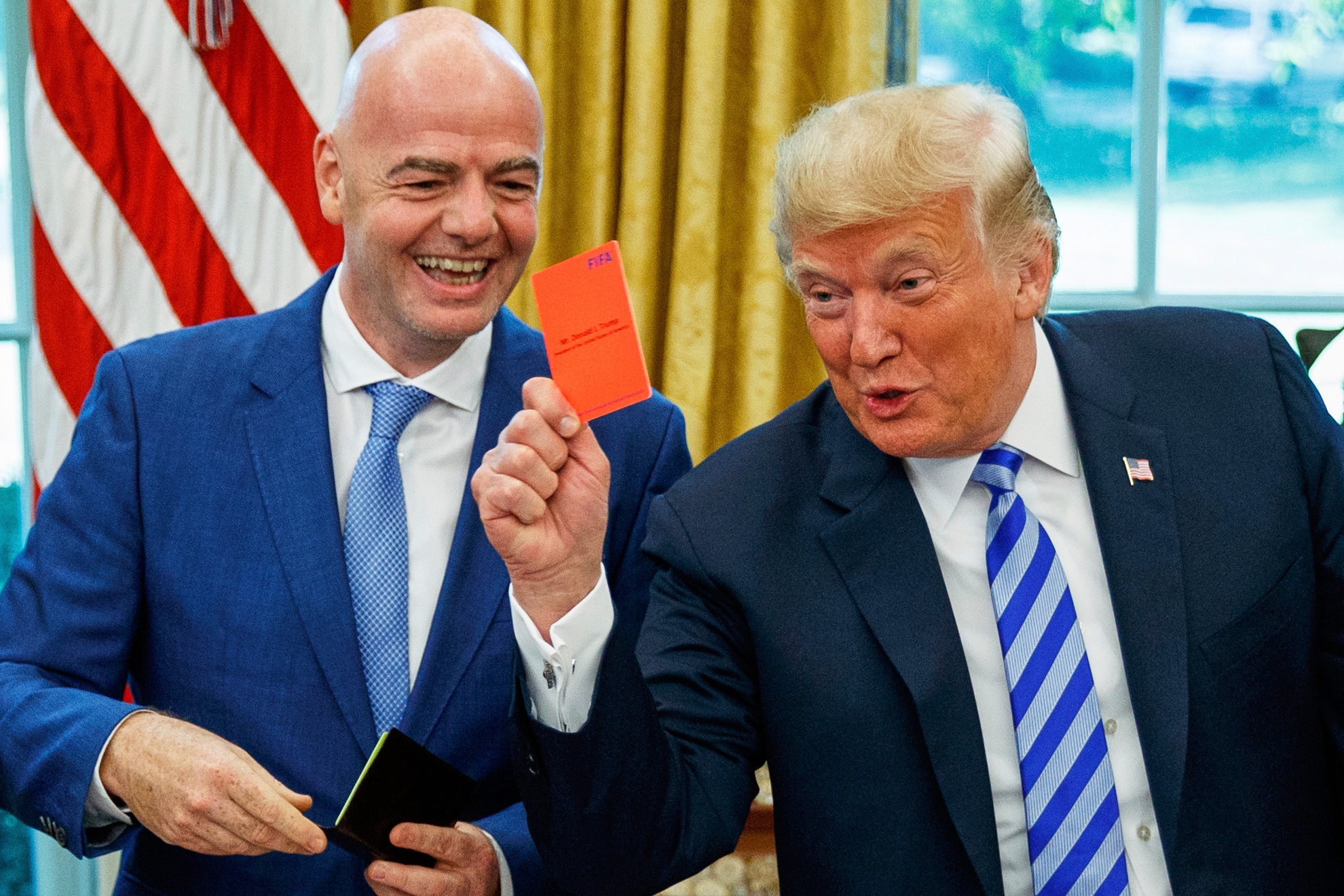
Folarin Balogun scandal: FIFA president Gianni Infantino reportedly promised Donald Trump he would resolve his red card
Reports that Gianni Infantino assured Donald Trump he would address Folarin Balogun's World Cup suspension have raised questions about FIFA's disciplinary independence
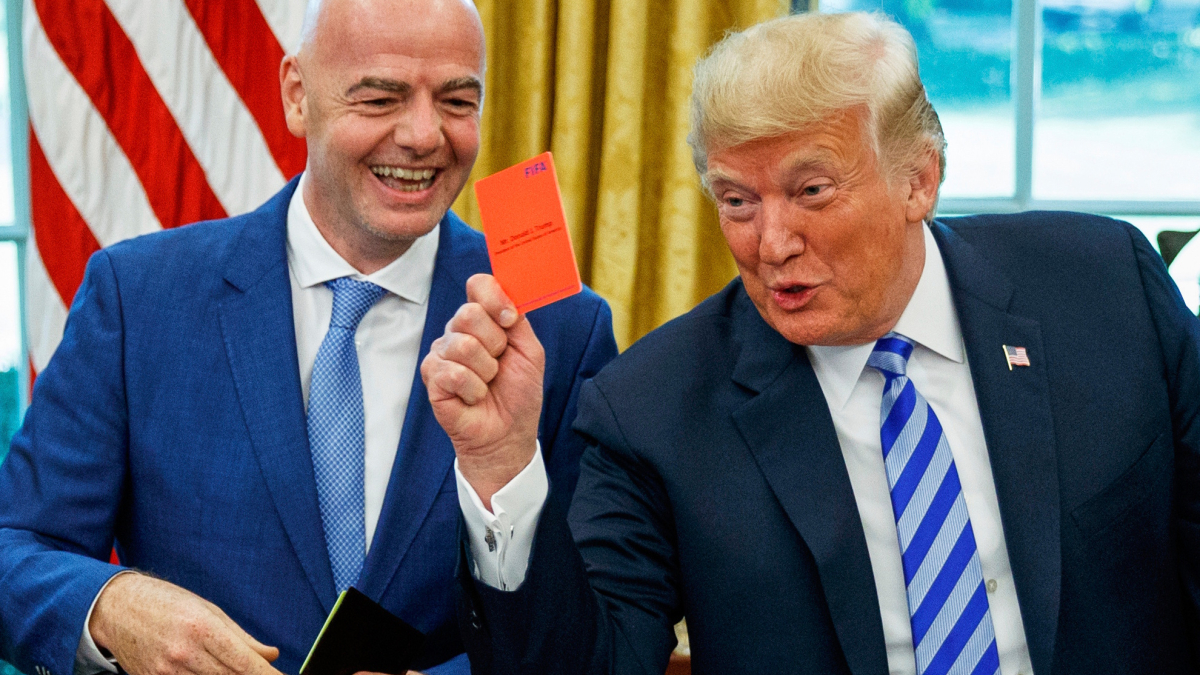
FIFA president Gianni Infantino is facing renewed questions over the relationship between football's governing body and political leaders following a report alleging that he promised US president Donald Trump he would resolve the controversy surrounding American striker Folarin Balogun 's red card.
The allegation, reported by the New York Post and cited by other outlets, concerns a disciplinary decision that allowed Balogun to play in the United States' subsequent World Cup match against Belgium.
According to the report, Infantino spoke to Trump by telephone on July 1 and assured him that the situation would be addressed. The account was attributed to sources briefed on the conversation; FIFA has denied that its position on the matter changed.
The episode has attracted attention because it touches on a central question for FIFA: whether disciplinary decisions are made independently of political pressure, including when prominent figures intervene on behalf of a national team.
Trump had publicly acknowledged contacting Infantino to ask for a review of Balogun's punishment.
However, the additional allegation that Infantino personally promised to resolve the matter has intensified debate over the sequence of events and the independence of the process.
It is important to distinguish the reported conversation from a proven intervention. The claim that Infantino promised Trump a particular outcome remains an allegation, and FIFA has disputed the account.
The key issue is whether the governing body can demonstrate that the decision was reached through its established disciplinary procedures rather than political influence.
Balogun's case has therefore become more than a discussion about one player's availability. It has opened a broader debate about transparency, consistency and the separation between football administration and political relationships.
Balogun's red card reversal puts FIFA's disciplinary process under scrutiny
The incident originated during the United States ' 2-0 victory over Bosnia and Herzegovina in the World Cup round of 32 on July 1.
Balogun was sent off following a challenge on Bosnian defender Tarik Muharemović , triggering what appeared to be an automatic one-match suspension that would have ruled him out of the next fixture against Belgium.
FIFA subsequently suspended the implementation of that punishment, making the forward available for the round-of-16 encounter. The United States went on to lose 4-1 to Belgium , but the decision had already triggered a dispute over the consistency of FIFA's disciplinary rules.
Trump confirmed that he had called Infantino to request a review, while insisting that he had not demanded a particular result. Infantino also addressed the conversation publicly, stating that he had explained the matter would be handled by FIFA's independent judicial bodies.
“During our conversation, I explained that there was an ongoing legal process involving FIFA’s independent judicial bodies and that the case would be decided in due course by the competent bodies,” Infantino said in a statement. “That is how FIFA’s system works, and it is a principle that I will always uphold.”
Those statements are central to the debate surrounding the latest report. The issue is not simply that a political leader contacted the head of an international sports organization.
It is whether the subsequent disciplinary decision was made independently and whether FIFA can provide a transparent explanation for the reversal.
The controversy has also prompted discussion of potential changes to FIFA's disciplinary regulations.
Reports indicate that the governing body is considering a rule amendment to prevent similar automatic suspensions from being lifted in future cases. Such a change could clarify the procedures, but it would not by itself settle questions about how the Balogun decision was reached.
The dispute arrives during an already turbulent period for Infantino. FIFA's proposed FIFA Forward Enterprise initiative, which would have opened part of its commercial business to private investment, was abandoned after objections from football officials over consultation and transparency.
Reuters reported that leaders from several confederations were preparing to raise concerns about the proposal and Infantino's decision-making at the FIFA Council meeting in Zurich.
The wider governance debate matters because FIFA's president is seeking re-election in March 2027. The French Football Federation has withdrawn its support for Infantino's re-election, while UEFA officials have been discussing the possibility of backing an alternative candidate. The nomination deadline is November 18, and the election is scheduled to take place in Rabat, Morocco.
Infantino nevertheless retains support among several member associations, and criticism from some regional leaders does not automatically translate into a unified challenge.
Arsène Wenger has been mentioned in speculation about potential alternatives, although no confirmed candidacy from him was established in the reports available.
For FIFA, the immediate challenge is to demonstrate that its disciplinary procedures are applied consistently and that decisions are insulated from outside pressure.
The Balogun case has become a test of that principle, particularly because the reported call involved the president of a country hosting the tournament.
The allegation that Infantino promised Trump a specific outcome remains disputed. What is established is that Trump requested a review, Balogun's suspension was lifted, and FIFA has faced questions about the decision ever since.
A clear account of the process, and the rules that permitted the reversal, will be important if the organization is to address the concerns raised by players, national federations and football officials.
As the 2027 presidential election approaches, the fallout from the red card could remain part of the broader argument over FIFA's leadership, transparency and independence.