Jesús Owono, the other side of the tragedy in the death of Jesús de Miguel
The Andorra goalkeeper who was involved in the collision that ended the life of Jesús de Miguel is deeply affected by what happened. He could face a significant sporting sanction and even possible criminal consequences
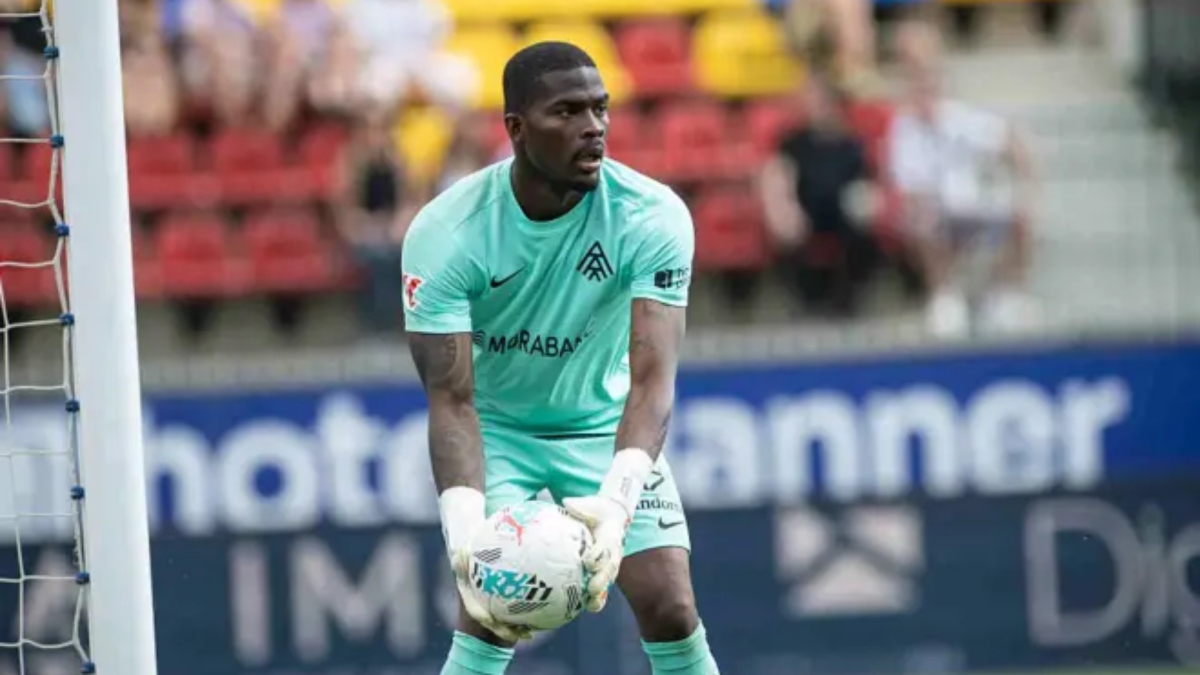
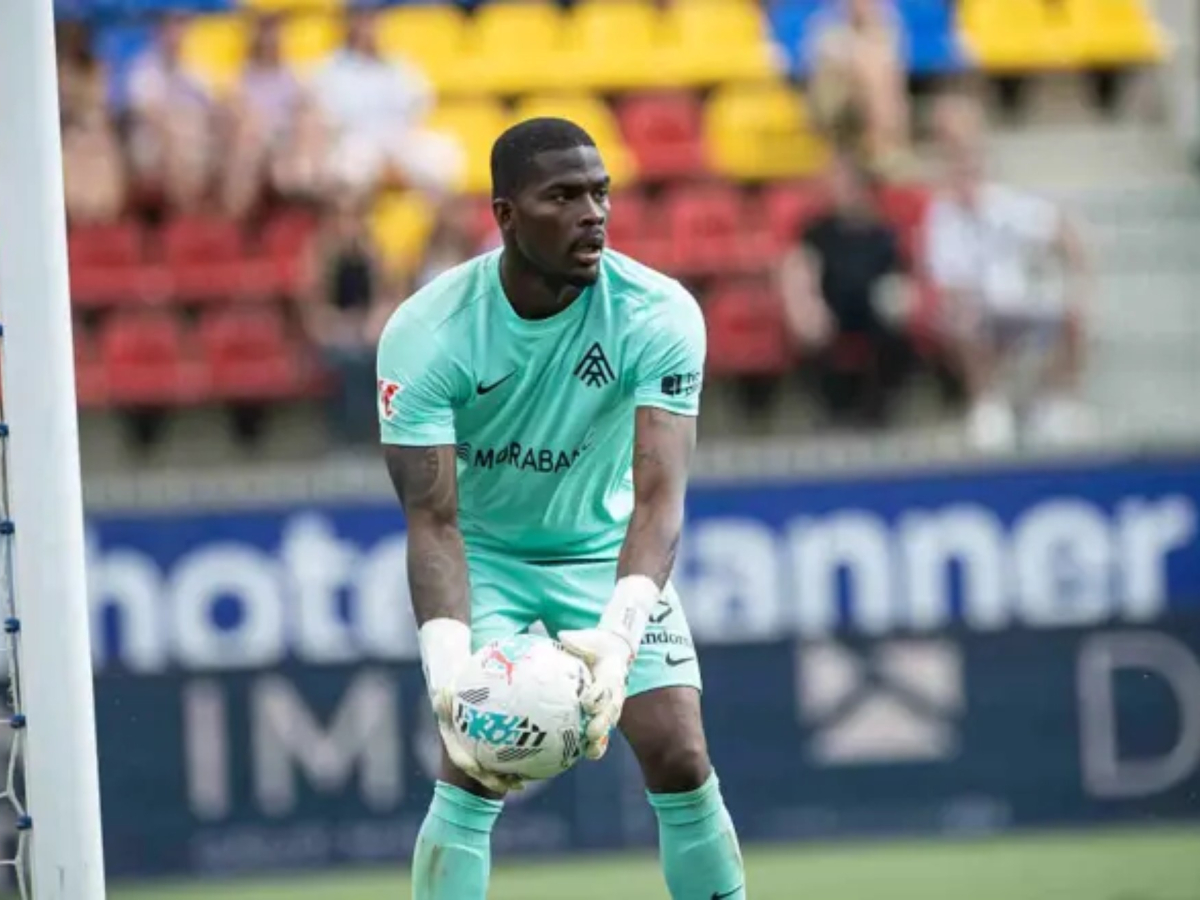
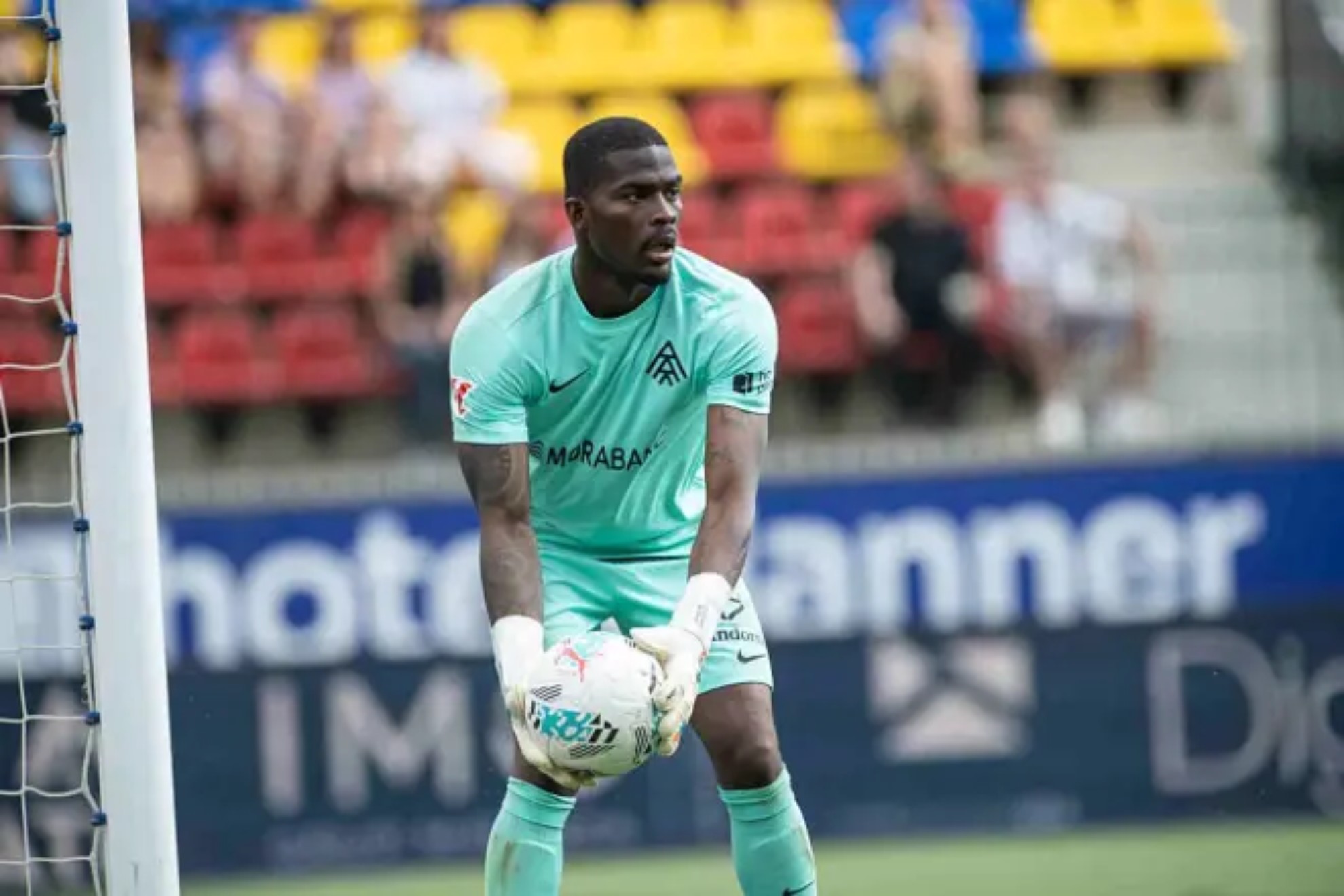
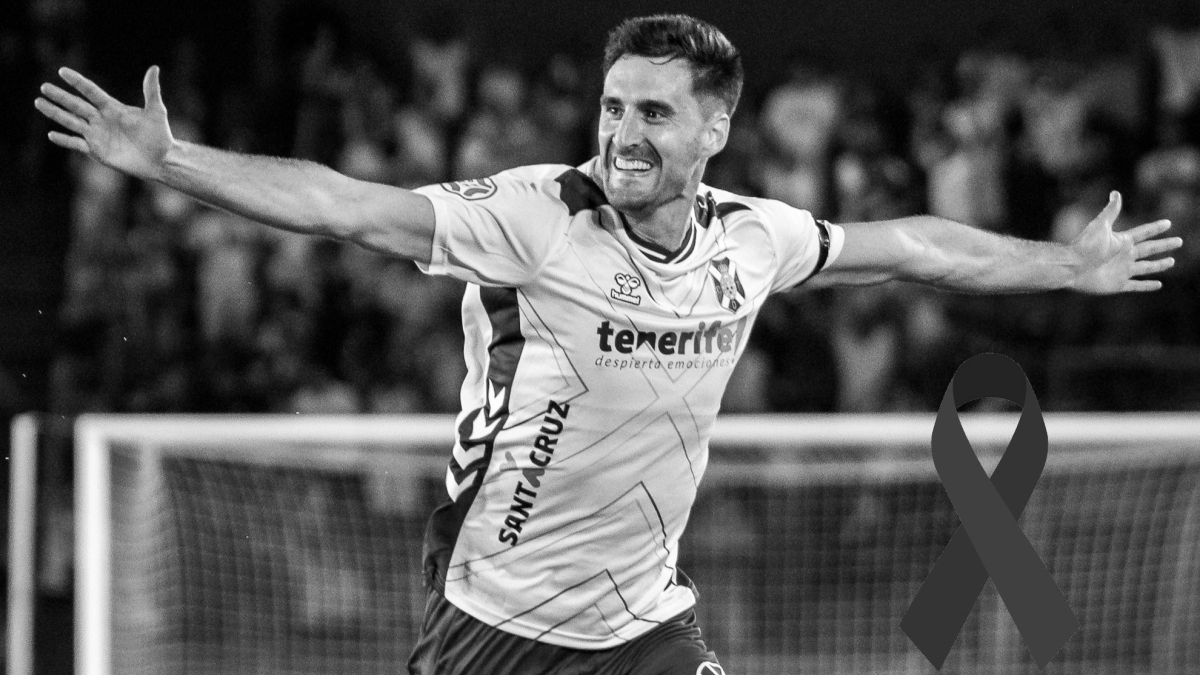
The death of Jesús de Miguel has left behind a tragedy that is difficult to come to terms with in Spanish football. The pain of his family, his teammates, and everyone around Tenerife and Madrid football is immense. But what happened at the Heliodoro Rodríguez López also has another side, that of Jesús Owono , Andorra's goalkeeper, from Equatorial Guinea, an international player, who was involved in the collision that ultimately cost the striker his life. A footballer who came off his line to challenge for a ball and who will now have to live with the consequences of an action that ended in the worst possible way.
Andorra's goalkeeper is deeply affected by what happened , "in absolute shock" , according to information known since Monday afternoon. His intention, as reported by the newspaper Sport , was to contact Jesús de Miguel's family privately to convey his apologies, although the striker's death has further worsened a situation that was already especially delicate.
Owono is suffering a wave of insults on social media, which has forced him to disable comments on his accounts. Some fans even went so far as to call him "killer" after the incident that led to the goalkeeper being sent off and ended with the Tenerife player collapsing on the pitch.
Now, sporting liability and any potential criminal liability must be analyzed according to their own rules, regardless of the commotion caused by the death.
In strictly sporting terms, the Andorra goalkeeper is exposed to a significant sanction. The Disciplinary Code of the Spanish Football Federation provides for different punishments depending on the seriousness of the actions and the consequences they cause.
Article 102 establishes a suspension of between four and twelve matches for those footballers who act violently toward an opponent during play and cause harmful consequences or injuries considered serious. This provision could serve as a reference point for examining Owono's action, although it will be up to the disciplinary body to determine whether the requirements for applying it are met.
Therefore, a sanction of eight, ten, or twelve matches, for example, would fall within the range provided for in that article, but there is no automatic figure in the event of a player's death. The decision will depend on the assessment of the play and the circumstances taken into account, although it is understood that it will be the maximum punishment.
Could there be a crime of negligent homicide?
Beyond the sporting punishment, the death of Jesús de Miguel raises a legal question as to whether an action that occurred during a football match can end up having criminal consequences.
The answer is yes, although not automatically. The fact that a death occurs in the course of a sporting competition does not completely rule out the intervention of the criminal justice system. However, for an offense to exist, it is not enough to prove that an action caused a death. It would also be necessary to demonstrate that the footballer's conduct constituted a criminally relevant act of negligence.
Article 142 of the Spanish Criminal Code distinguishes between manslaughter by gross negligence and manslaughter by less serious negligence . In the first case, the law establishes prison sentences of one to four years. In the second, it provides for a fine of three to eighteen months.
These penalties constitute the general legal framework, but they do not mean that Owono is going to be charged with or convicted of any of these offenses. For any eventual prosecution to succeed, it would be necessary to examine whether the goalkeeper breached, with sufficient seriousness, the duty of care required in a sporting action, whether the outcome was objectively foreseeable and avoidable, and whether the necessary causal and legal link exists between his conduct and the death.
The possible federation sanction and a potential judicial investigation belong to different spheres. The federation will have to assess the goalkeeper's conduct in accordance with its Disciplinary Code, while any possible criminal liability would have to be determined through the corresponding procedures.
The federation's own regulations recognize the independence between sporting liability and criminal liability, as well as the possibility of referring to the Public Prosecutor's Office any facts that might show signs of a crime.
While these issues are being resolved, Owono is facing an especially difficult personal situation. The goalkeeper came off his line to try to intervene in a Tenerife attacking move and ended up being involved in a collision that had irreversible consequences.