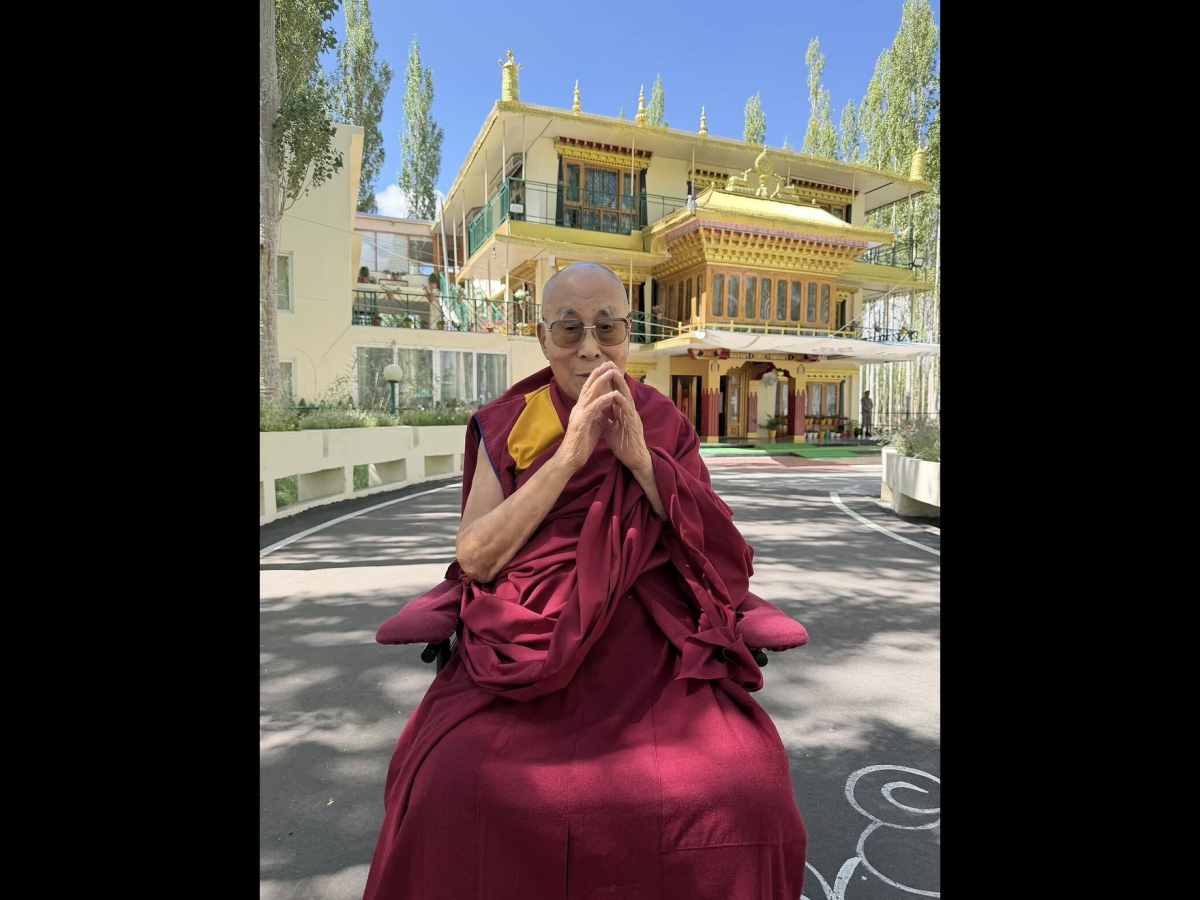
Dalai Lama XIV, spiritual leader: "Happiness is not something ready made. It comes from your own actions"
The Dalai Lama is the leader of Tibetan Buddhism and is considered very wise
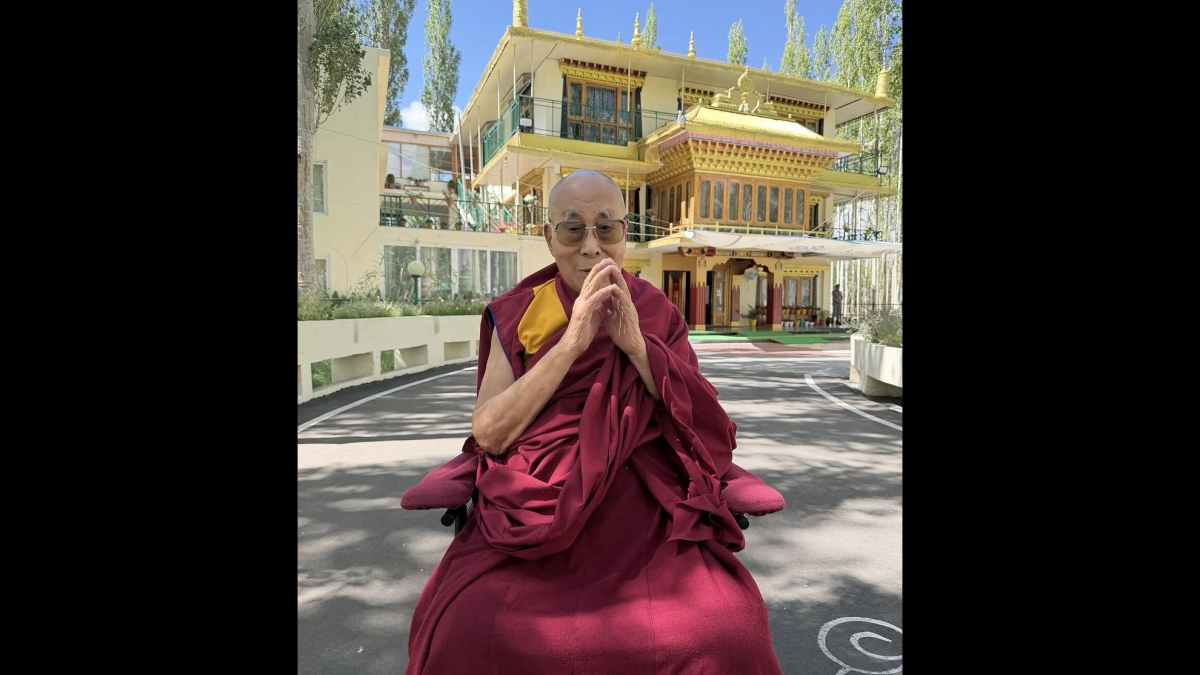
Happiness is often treated as something waiting at the end of a long journey, dependent on career success, financial security or finding the right relationship, but the Dalai Lama offers a different perspective, emphasizing how everyday choices can shape our sense of fulfillment. The 14th Dalai Lama , Tenzin Gyatso , holds a distinctive position in Tibetan Buddhism , where he is regarded as an incarnation of Avalokiteshvara , the bodhisattva associated with compassion – giving him immense wisdom and insight into the human soul.
After leaving Tibet in 1959, he established himself in India , supporting efforts to preserve Tibetan religious institutions, education and cultural traditions and his teachings have reached audiences well beyond Buddhism , emphasizing kindness, forgiveness, patience and concern for the suffering of others. “Happiness is not something ready-made. It comes from your own actions,” the Dalai Lama said in The Art of Happiness , which he co-authored with a psychiatrist named Howard C. Cutler in 1998. The Dalai Lama ’s international influence also stems from his advocacy for peaceful solutions, compassion and dialogue across religious and cultural boundaries as he makes sure he attempts to live by his words, and in 1989, he received the Nobel Peace Prize for his commitment to nonviolence.
What does the Dalai Lama's quote mean?
The Dalai Lama ’s message challenges the idea that contentment must wait until life becomes perfect, stressing it is easy to connect happiness to future milestones such as passing an exam, landing a new job or finding someone who returns our affection can bring genuine joy. But relying entirely on these outcomes leaves our well-being dependent on circumstances we cannot always control as the Dalai Lama 's perspective instead encourages people to recognize the influence of their attitudes, responses and everyday behavior. Repeated actions gradually become habits, shaping how we approach challenges and interact with others. Choosing patience over anger or understanding over resentment cannot eliminate every difficulty, but such responses can influence our experience of life. The message is not that happiness can be switched on at will. It is that personal choices can contribute to a more meaningful life, even when circumstances remain imperfect. The Dalai Lama 's message encourages people to look beyond external achievements when considering what makes life satisfying. Material security and supportive relationships matter, but the way people treat themselves and others can also influence their well-being. Small decisions can have lasting consequences. Practicing gratitude, responding calmly to frustration, offering help and making time for meaningful relationships can encourage habits that support a more compassionate outlook.