Martin Luther King Jr., American civil rights activist: "A genuine leader is not a searcher for consensus but a molder of consensus"
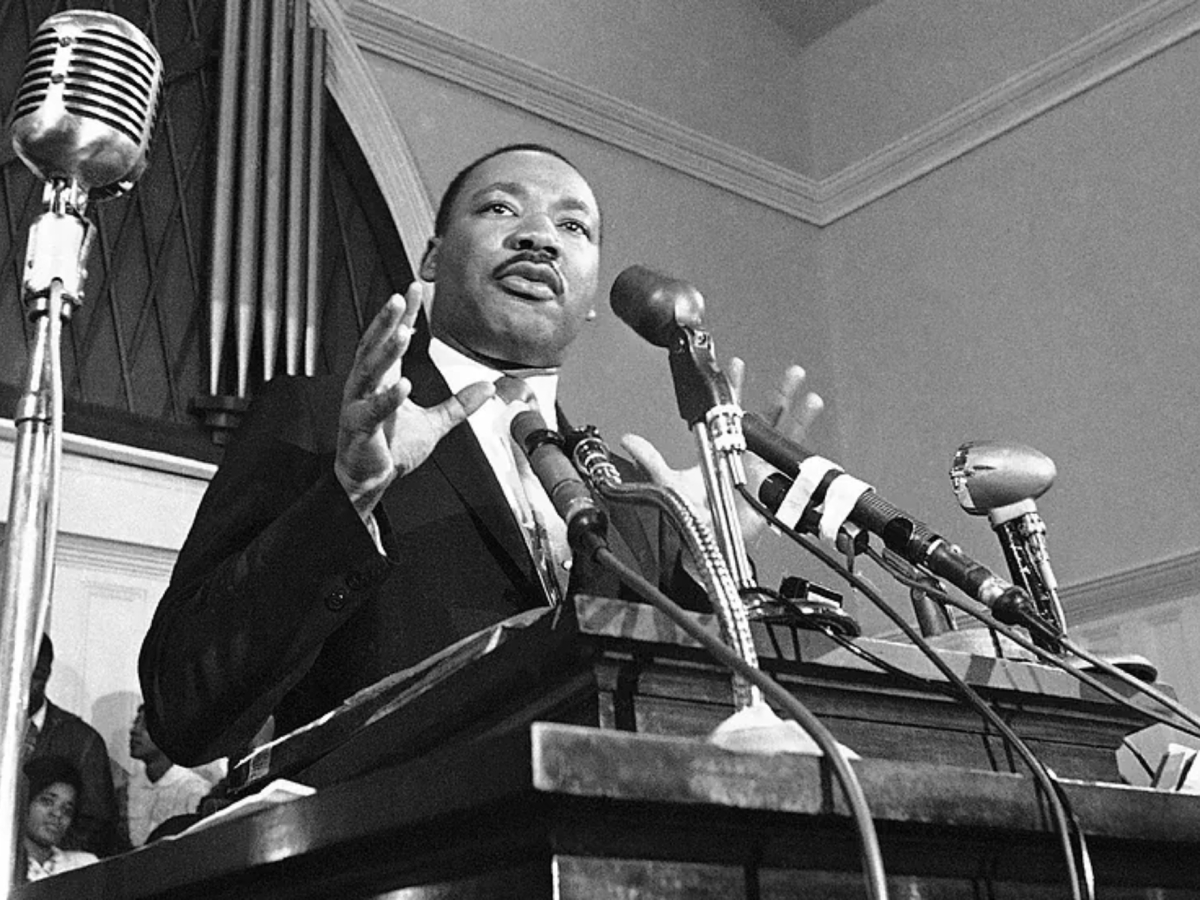
Luther King is known for leading the quest for racial equality in the United States
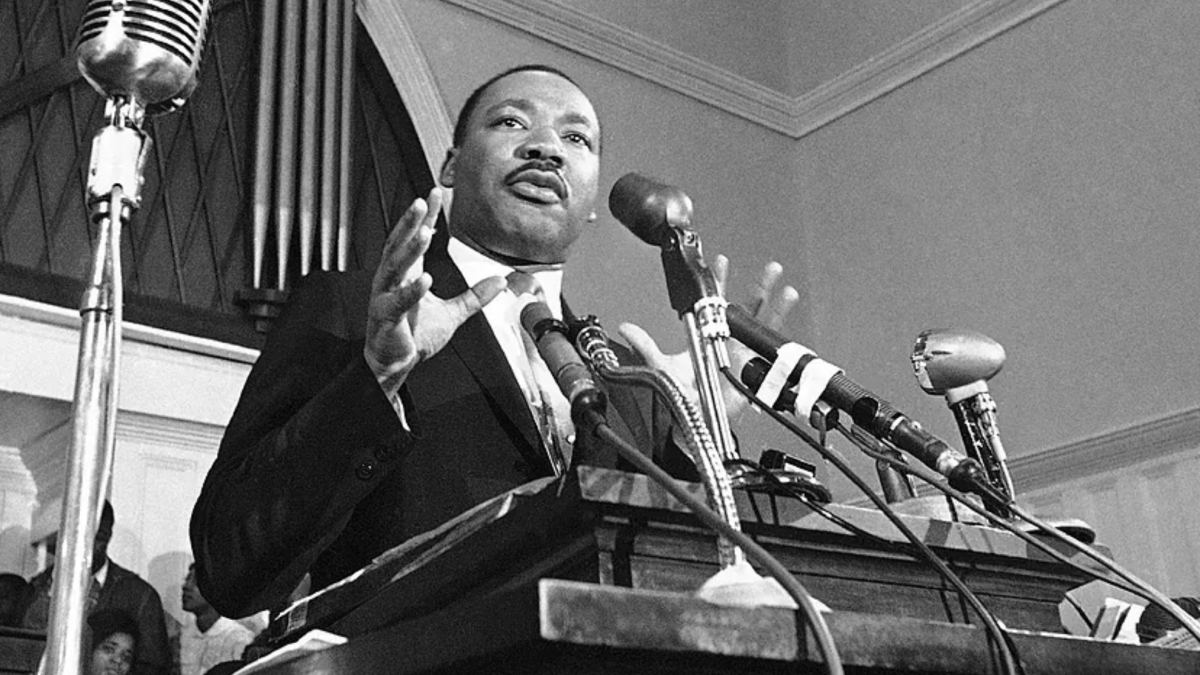
Martin Luther King Jr. believed effective leadership required more than winning approval as the American civil rights activist captured that principle in a quote that challenges leaders to unite people around a shared purpose rather than simply follow popular opinion. Born on January 15, 1929, King became a prominent figure in the struggle for racial equality during the 1950s and 1960s. His work focused on voting rights, desegregation, labor rights and other fundamental freedoms denied to black Americans under discriminatory systems.
His approach demonstrated how leadership could influence public opinion instead of merely responding to it as King helped mobilize communities around a common cause, encouraging people to challenge established practices and demand change through collective action. “A genuine leader is not a searcher for consensus but a molder of consensus,” King once said, which became a mantra for how he approached racial discourse as rather than accept racial discrimination as an unchangeable reality, he organized people to challenge unjust laws and press for a more equal society through nonviolent resistance. One defining example came in 1955, when King emerged as a leader of the Montgomery Bus Boycott in Alabama as the protest followed Rosa Parks ' arrest for refusing to surrender her seat to a white passenger. Challenging the racial segregation imposed on public transportation, the boycott lasted 385 days and drew national attention to the injustice facing black residents and its eventual success helped establish King as a leading voice in the civil rights movement . Illustrating how sustained public action could help bring about meaningful institutional change, King continued that work after helping establish the Southern Christian Leadership Conference in 1957. As its president, he supported nonviolent campaigns against segregation, including demonstrations in Birmingham, Alabama , and the historic March on Washington in 1963, as the latter brought more than a quarter of a million people to the nation's capital to demand civil rights protections and economic opportunity.
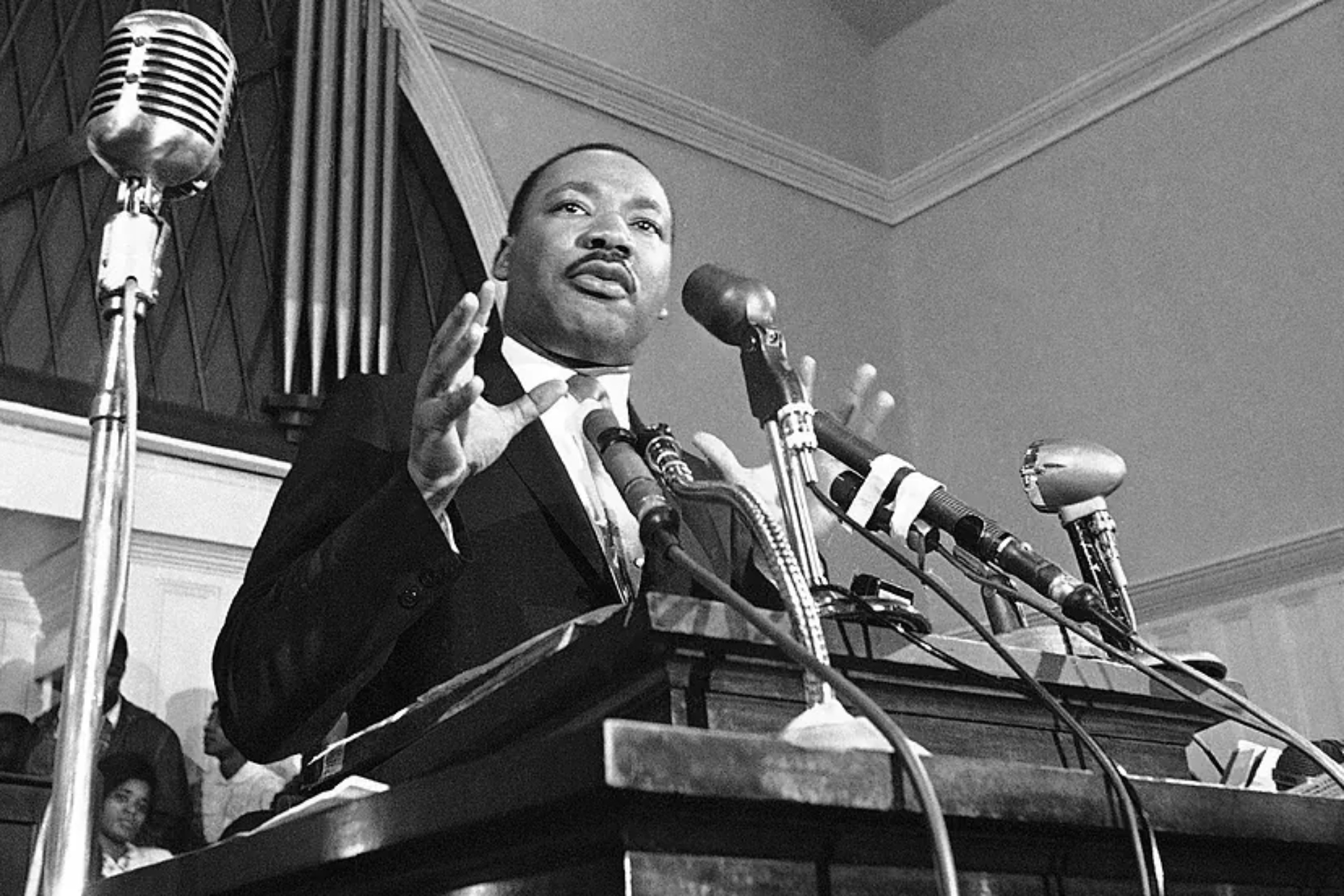
Martin Luther King was assassinated trying to liberate the lives of others
King delivered his celebrated I Have a Dream speech , helping communicate the movement's aspirations to a national audience but his leadership was not without resistance or personal cost. He was arrested repeatedly, faced government surveillance and encountered violent opposition from segregationist authorities. Yet he continued advocating nonviolent protest as a means of confronting injustice and building support for reform. The movement secured significant legislative victories during his lifetime, including the Civil Rights Act of 1964 and the Voting Rights Act of 1965 as King received the Nobel Peace Prize for his commitment to combating racial inequality through nonviolent resistance. King traveled to Memphis, Tennessee , to support striking sanitation workers campaigning for better wages and working conditions whilst continuing to advocate for economic justice, he was also preparing the Poor People’s Campaign , an effort to address poverty across the United States . On April 4, 1968, King was assassinated in Memphis at the age of 39 as his death cut short a campaign that had increasingly focused on economic inequality alongside racial discrimination. The civil rights leader left a lasting legacy through his commitment to nonviolent resistance and his efforts to unite people around demands for lasting social change. He remains one of the most influential anti-racism figures in human history, and lived by his quote.