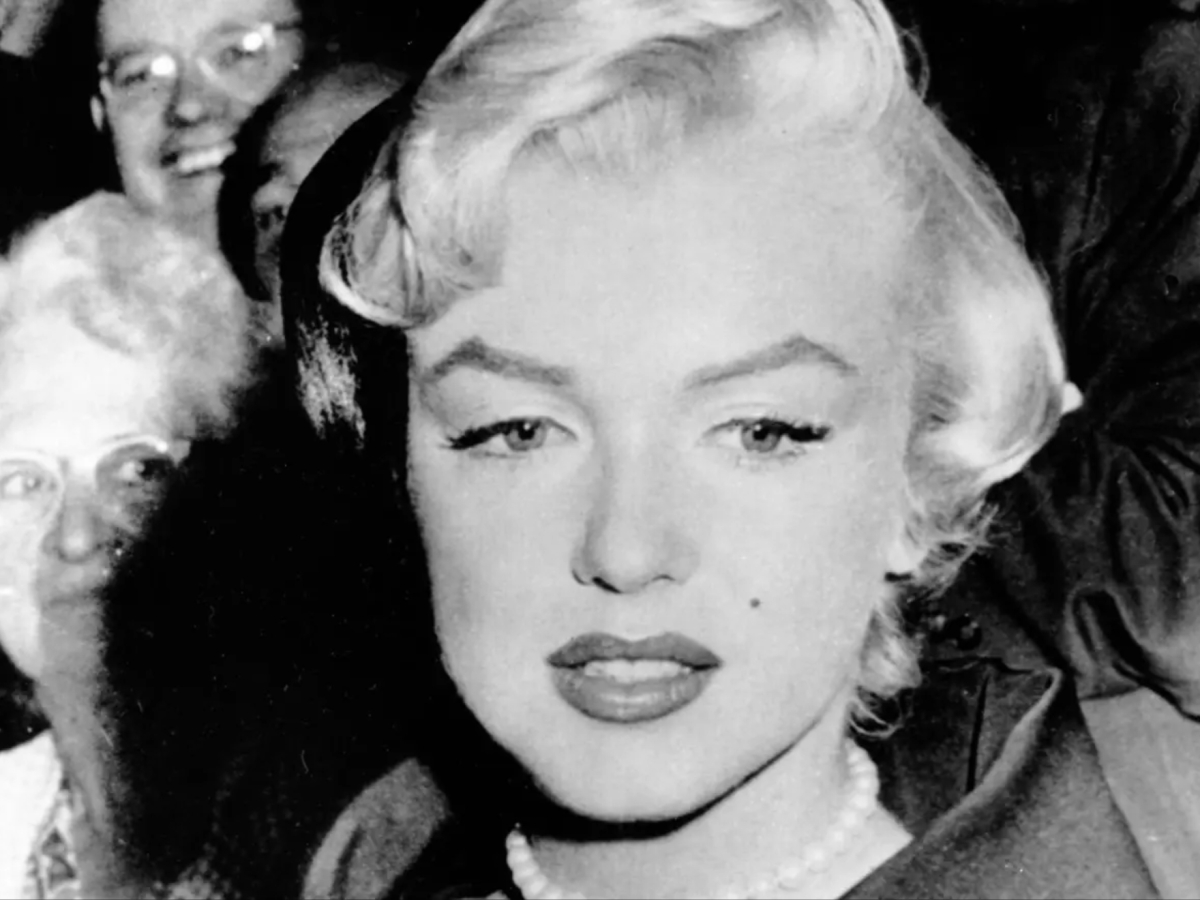
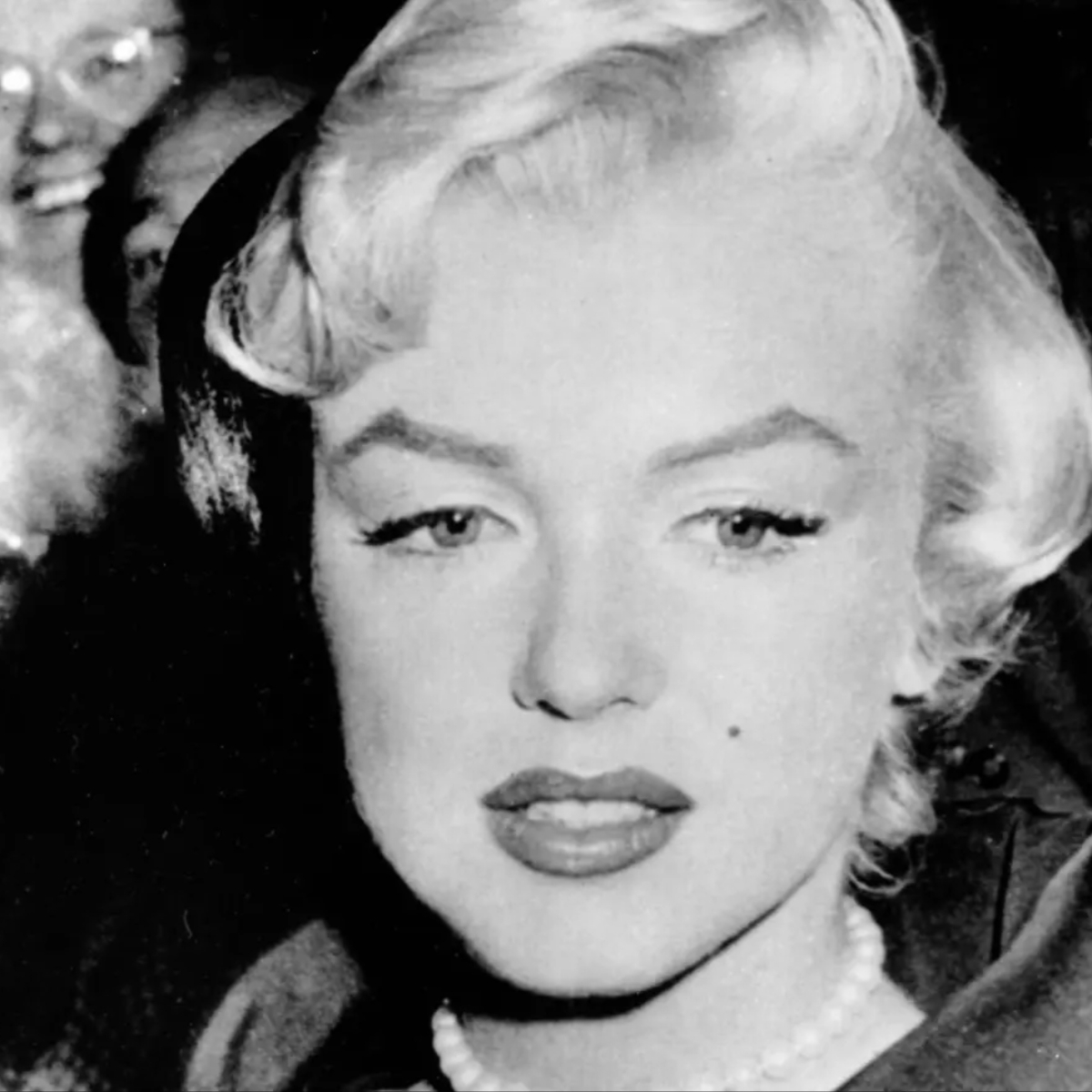
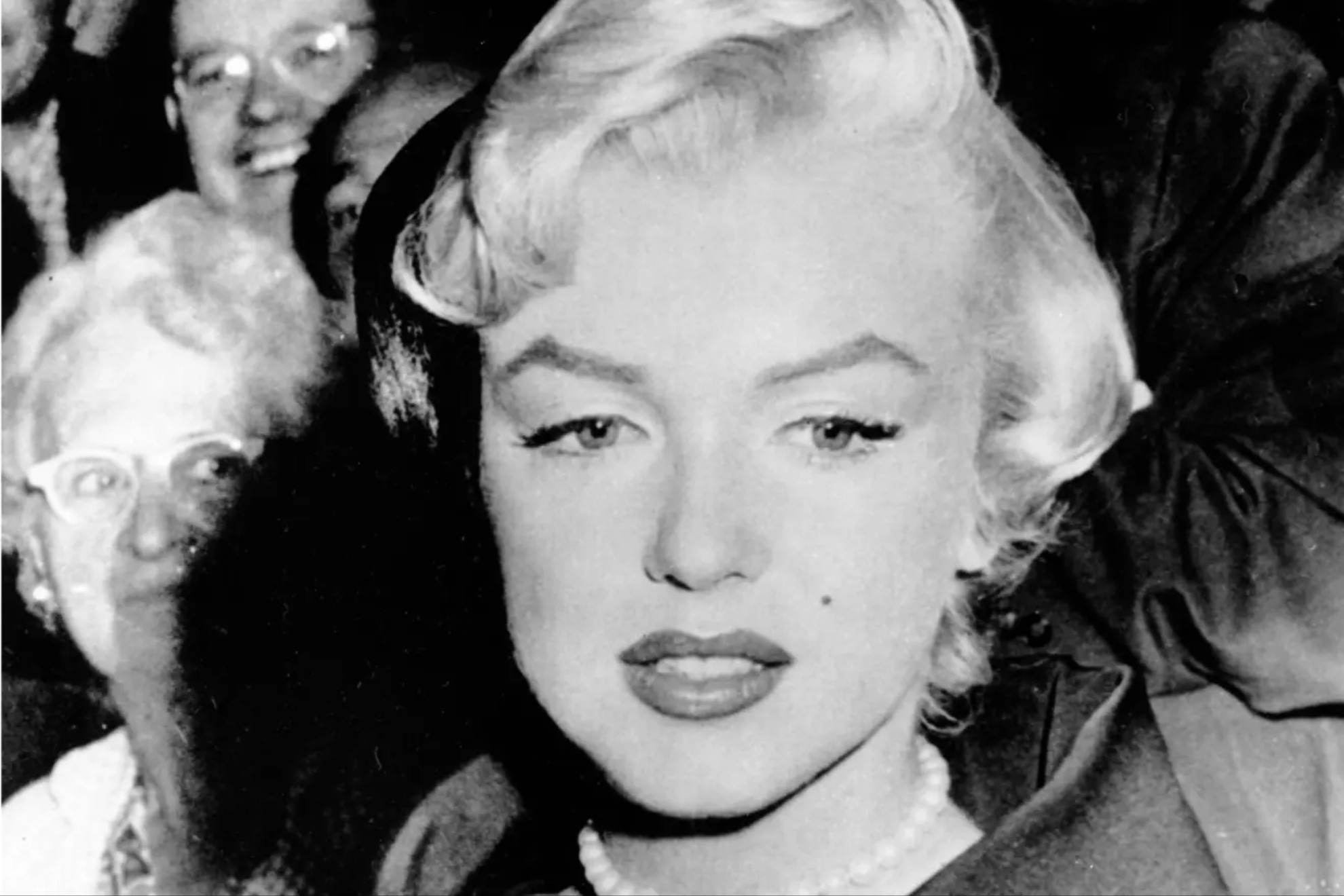
Marilyn Monroe, cultural icon: "I am good, but not an angel. I do sin, but I am not the devil"
Marilyn Monroe's struggle for authenticity amidst societal expectations can inspire us to embrace our true selves
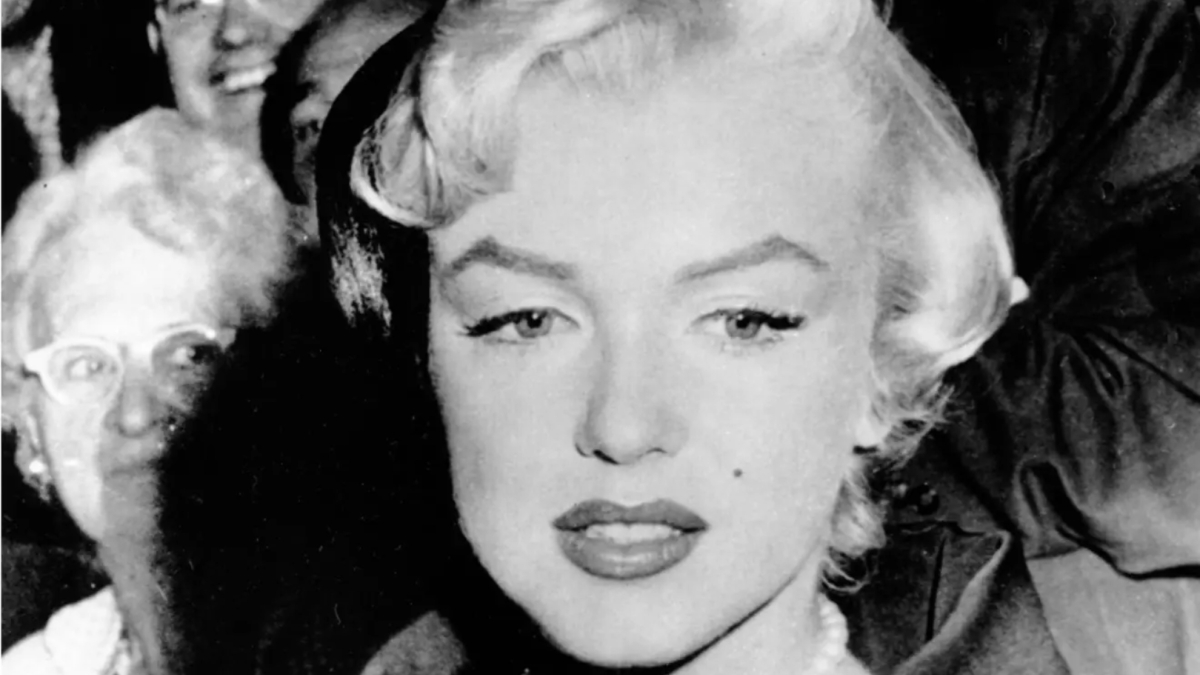
The universal struggle to find direction in life resonates deeply, often leading to overwhelming feelings of inadequacy and despair. In her work Interview , Marilyn Monroe illustrates this battle through her acknowledgment that while she is "good," she is not without flaws. This nuanced perspective reflects the complexity of personal identity and fulfillment, portraying the internal conflicts that arise when societal expectations collide with the desire for authenticity.
As readers navigate their own quests for validation and purpose, Monroe's words reveal the emotional consequences of constantly seeking approval. The pressure of self-judgment can cloud one's ability to appreciate the present, leaving many feeling trapped in a cycle of self-doubt and isolation.
I am good, but not an angel. I do sin, but I am not the devil.
To understand the feeling of having no direction in life, the thought-provoking insights of Marilyn Monroe provide a particularly compelling perspective. Her reflection on the struggle for personal identity and fulfillment reveals that the conflict between one's true self and societal expectations can be a source of profound tension. Through her complex persona, Monroe encapsulated the challenges of navigating public perception while striving for authenticity, highlighting the universal quest for self-discovery amidst external pressures.
Understanding Marilyn Monroe: The Duality of Identity
Marilyn Monroe, born Norma Jeane Mortenson in 1926, was a prominent American actress and model known for her comedic roles and as a cultural symbol of the 1950s and early 1960s. She gained fame for portraying the "dumb blonde" archetype, becoming one of the most recognizable sex symbols in history and an emblem of the sexual revolution. Monroe's career was marked by struggles, including personal issues, multiple marriages, and conflicts with film studios, notably 20th Century-Fox, which hindered her creative control and financial compensation. Despite a tumultuous life, she left a lasting legacy as a pioneer for women's rights and self-determination in Hollywood. Her tragic death in 1962 from a drug overdose fueled rumors and conspiracy theories, yet she remains an enduring icon, influencing various aspects of popular culture and media.
Monroe's thoughts on identity and authenticity resonate deeply in the broader context of cultural studies. Her public persona as a sex symbol contrasts starkly with her private struggles, showcasing the duality between personal identity and public perception. Richard Dyer's analysis of Monroe's image points to the idea that her persona was shaped to appeal to the male gaze, a theme echoed by feminist theorists who explore the complexities of female representation. Similarly, Sarah Churchwell emphasizes Monroe's struggle against industry norms, allowing for a discourse around her role in the evolving portrayal of women in film. This duality invites critical examination of how public figures navigate societal expectations while grappling with personal authenticity.
One of Monroe's notable quotes, "I am good, but not an angel. I do sin, but I am not the devil," encapsulates her awareness of the tension between her public and private selves. This statement reflects a recognition of her humanity, acknowledging that she embodies both virtue and flaws. In a world that often seeks to categorize individuals, Monroe's words challenge us to embrace the complexities of identity. They invite a reflection on how we perceive ourselves versus how we are perceived by others and remind us that everyone holds contradictions, making them uniquely human.
The relevance of Monroe’s perspective is evident in today's societal dynamics, where individuals frequently grapple with the pressures of maintaining a public persona amidst their private struggles. In the age of social media, people often curate their images to portray an idealized version of themselves, similar to Monroe’s management of her public persona. Yet, beneath the polished surface, many experience insecurities and mental health challenges, paralleling Monroe's own life challenges. Thus, her quote serves as a poignant reminder that authenticity lies not in the absence of sin but in the acceptance of our complexities, an insight that resonates in everyday life today.