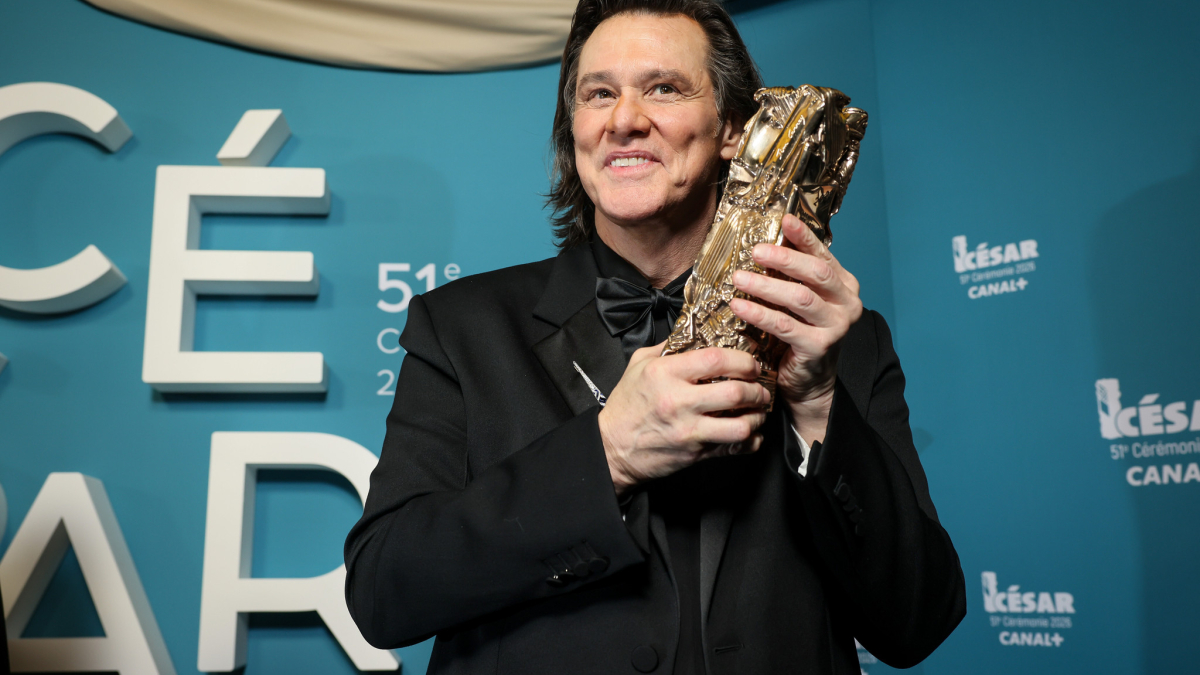
Actor Brendan Fraser: "I don't believe that wishing works. I think we get the things we work for"
The Academy Award winner believes progress comes from sustained effort rather than simply hoping circumstances will change

Brendan Fraser knows what it means to see success disappear, rebuild slowly and eventually return at the highest level.
That history gives unusual weight to one of the American-Canadian actor’s most straightforward observations about ambition and achievement.
“I don’t believe that wishing works,” Fraser said. “I think we get the things we work for.”
It's a deceptively simple idea. Dreams may provide direction, but Fraser ’s point is that hoping for an outcome is fundamentally different from doing the work required to pursue it. His own career offers an obvious example.
Fraser became a major Hollywood star during the 1990s and early 2000s through films including Encino Man, George of the Jungle and The Mummy franchise. His mix of comedy, action and physical performance made him one of the era’s most recognizable leading men.
The trajectory eventually changed. Injuries, surgeries and personal difficulties contributed to a lengthy period in which Fraser was far less visible on major screens.
His return would ultimately become one of Hollywood’s most celebrated comeback stories.
Fraser’s career makes his words difficult to dismiss
Rather than simply attempting to recreate the blockbuster persona that had originally made him famous, Fraser rebuilt his career through different kinds of performances.
That culminated in The Whale, where his portrayal of Charlie earned widespread critical acclaim and the Academy Award for Best Actor.
The achievement came years after the peak of his early fame, reinforcing the idea behind his quote that meaningful progress can require sustained effort even when results aren't immediately visible.
Fraser has spoken about success in similarly reflective terms elsewhere.
“I believe you have a responsibility to comport yourself in a manner that gives an example to others,” he has said. “As a young man, I prayed for success. Now I pray just to be worthy of it.”
That shift in perspective suggests a more complicated relationship with achievement than simply wanting more of it. Success, in Fraser ’s telling, carries responsibility as well as reward.
Why wishing and working are not the same
Fraser ’s original quote also challenges a familiar idea about motivation.
Wishing can be comforting because it allows people to imagine a better career, stronger relationships, improved health or greater financial security without necessarily demanding an immediate change.
Work is different. It requires repetition, discipline and a willingness to continue when there is little evidence that the desired result is coming. That doesn't mean effort guarantees success.
Fraser ’s own career demonstrates how unpredictable circumstances can reshape even the most established path. His message is instead about controlling what can actually be controlled.
“I don’t believe that wishing works,” Fraser said.
Fraser ’s career wasn't defined by uninterrupted progress, and his eventual resurgence was not the product of simply hoping Hollywood would welcome him back.
His story became compelling because he kept moving forward until another opportunity arrived. Dreams can identify what someone wants.
Fraser ’s argument is that action is what gives those dreams a chance to become real.