Charlie Chaplin, actor: “A day without laughter is a day wasted”
The famous saying captures the comic actor's enduring belief in finding humanity and hope through laughter
C harlie Chaplin remains one of the most recognizable figures in the history of cinema , more than four decades after his death.
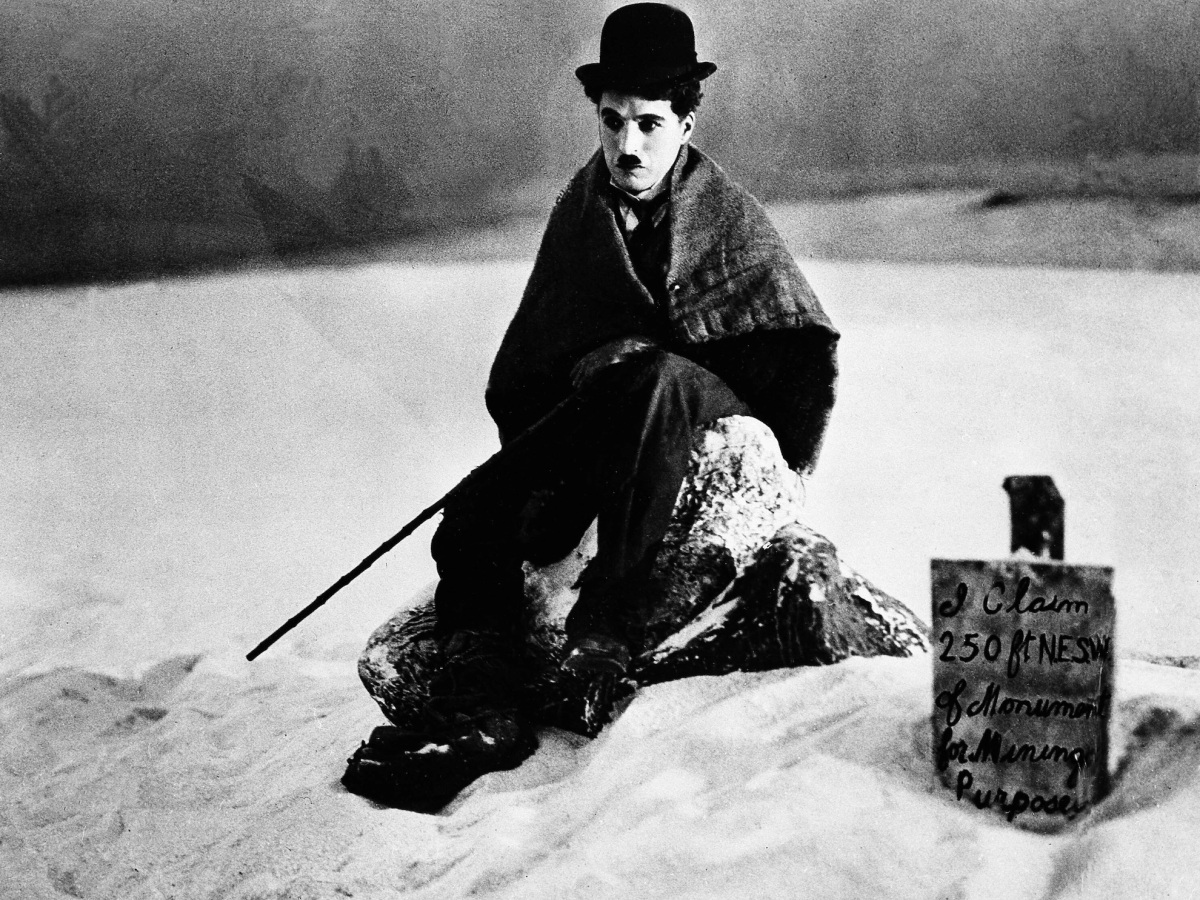
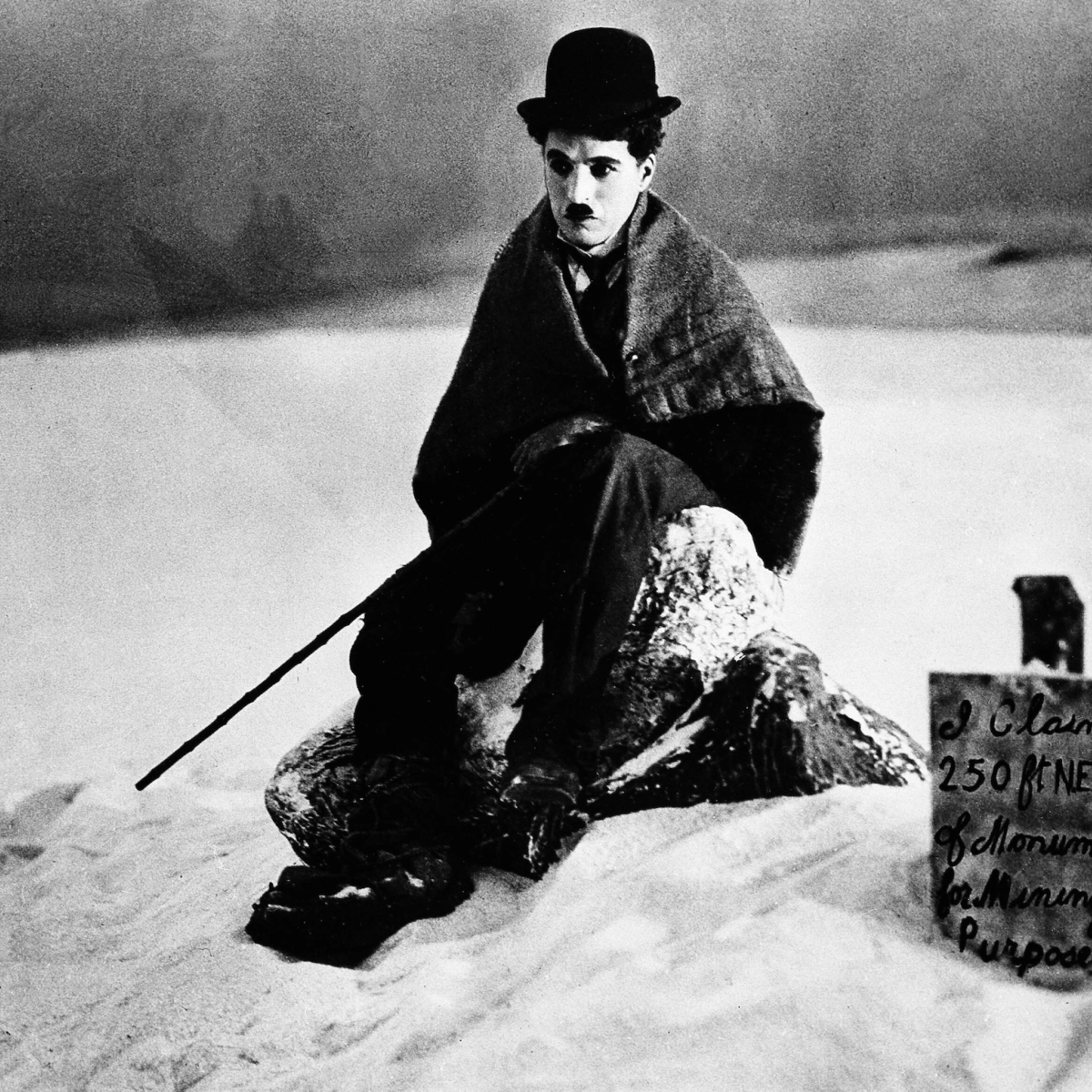
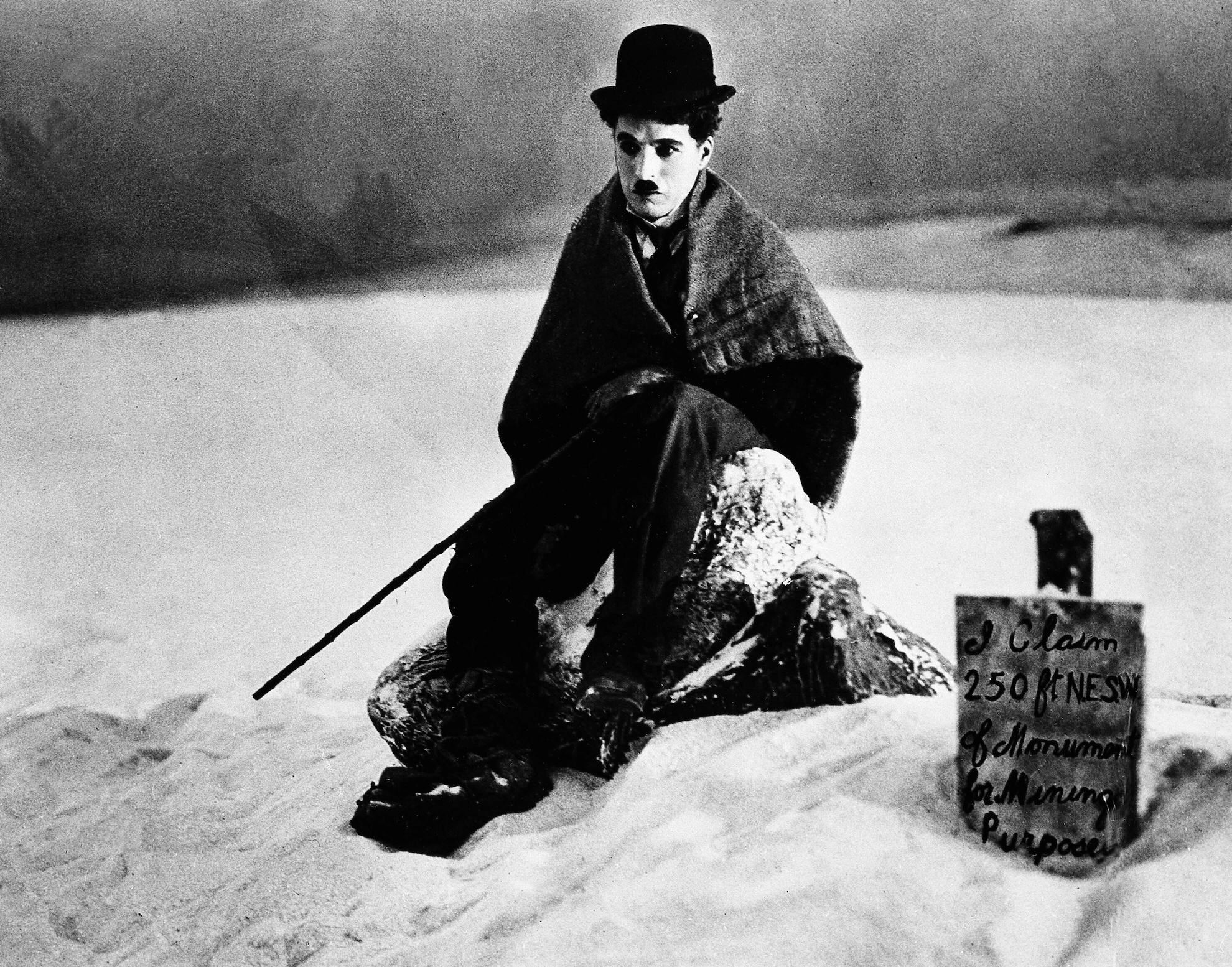
His distinctive bowler hat, toothbrush moustache, cane and expressive physical comedy helped turn the Little Tramp into an international cultural icon.
One quotation frequently associated with the British-born actor continues to circulate because of its simple message about making the most of everyday life: “A day without laughter is a day wasted.”
The line is often presented as a quintessential Chaplin observation, fitting naturally with the screen persona he created. However, there is an important historical qualification surrounding its attribution.
Research by Quote Investigator has found that the underlying sentiment predates Chaplin by well over a century and can be traced to the French writer Nicolas Chamfort . A version of the idea appeared in French in 1795, while an English rendering was published in 1803.
That does not diminish why the quotation has become so closely connected with Chaplin .
Much of his career was built around the ability to extract humor from difficult circumstances and to make audiences laugh while simultaneously presenting stories about poverty, loneliness, work and social inequality.
How laughter became central to Chaplin's cinematic legacy
Chaplin's Little Tramp first appeared on screen in 1914, with the character quickly developing into one of the defining figures of silent cinema.
The British Film Institute notes that the character was shaped partly by Chaplin's own experiences of poverty and hardship, while his comedy frequently placed the Tramp in conflict with authority and social convention.
That mixture of humor and hardship became particularly apparent in some of Chaplin's best-known films.
In The Kid, released in 1921, the Tramp takes care of an abandoned child. The film combines comedy with a much more serious depiction of poverty and hardship, reflecting experiences that were familiar to Chaplin from his own youth.
A decade later, City Lights demonstrated how Chaplin could use physical comedy alongside genuine emotional drama.
Released in 1931, the film followed the Tramp's relationship with a blind flower seller and remained essentially silent even after talking pictures had become the dominant format in Hollywood. The BFI describes it as a successful balance between humor and pathos.
Modern Times, released in 1936, took that approach further by using comedy to examine industrialization and the pressures faced by workers.
The Tramp becomes caught up in the machinery of a modern factory, producing some of Chaplin's most memorable visual gags while also addressing concerns about mechanized labor and dehumanization.
Chaplin's comedy eventually became more directly political. In The Great Dictator (1940), he used satire to target fascism and Adolf Hitler, demonstrating that his understanding of comedy extended well beyond simple entertainment.
That broader legacy helps explain why the supposed Chaplin quotation continues to resonate. Whether or not he originated the precise wording, the sentiment is consistent with the emotional range of his work.
For Chaplin , laughter was rarely presented as something entirely separate from life's difficulties. His films repeatedly showed characters facing poverty, rejection, unemployment, loneliness and social pressure, yet still finding moments of humor and humanity.
That is ultimately why “A day without laughter is a day wasted” remains such a popular saying.
Its precise origins are more complicated than the familiar attribution suggests, but the idea fits comfortably within the legacy of an entertainer who spent his career demonstrating how comedy could provide relief, connection and perspective even when circumstances were far from easy.