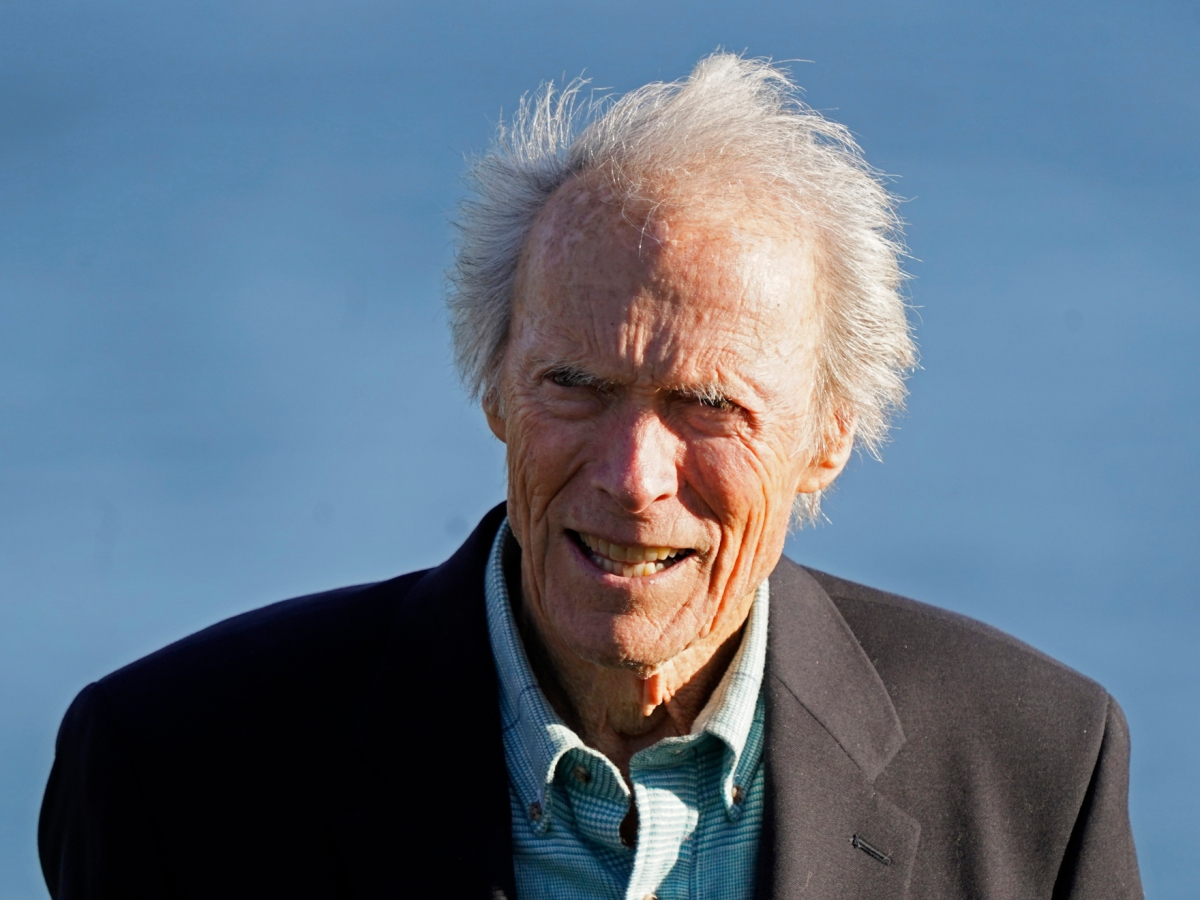
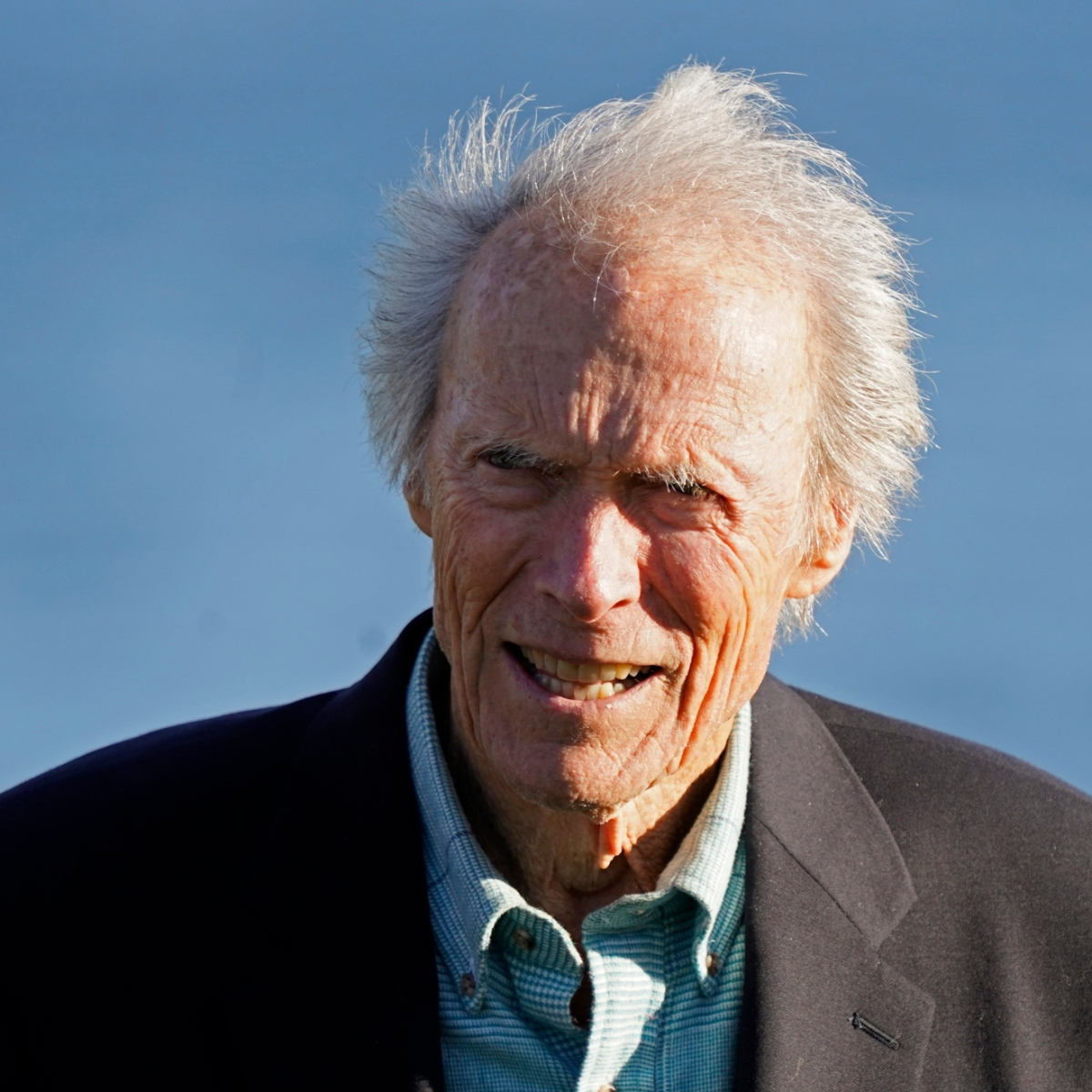
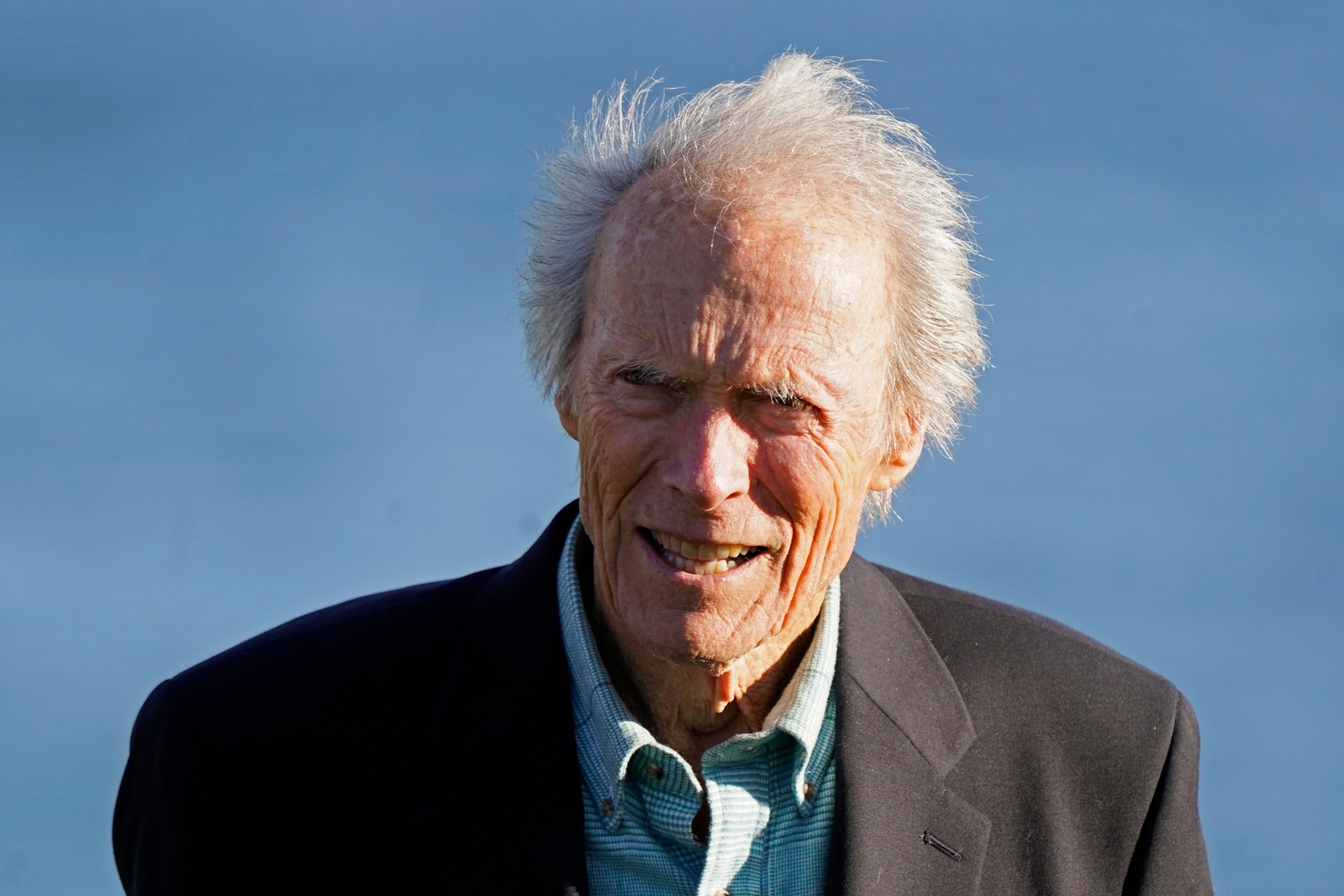
Clint Eastwood, actor: "Sometimes if you want to see a change for the better, you have to take things into your own hands"
The celebrated actor and filmmaker's words about creating change reflect a career built on taking creative risks, moving beyond expectations and trusting his own judgment.
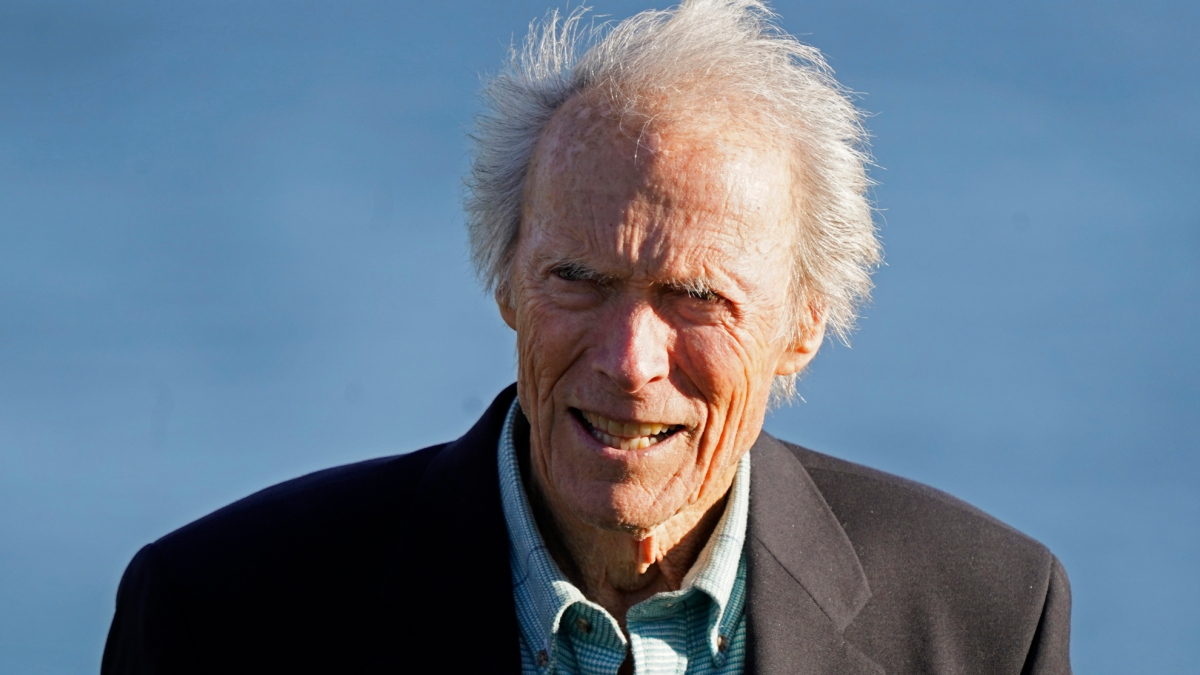
C lint Eastwood has spent more than seven decades building a career around characters and stories that often emphasize independence, resilience and personal responsibility.
One quotation attributed to the Hollywood icon captures that outlook particularly well: "Sometimes if you want to see a change for the better, you have to take things into your own hands."
The line is listed by BrainyQuote among Eastwood's quotations, where it appears alongside numerous reflections on his career, filmmaking and approach to life.
Although the sentence is brief, its message fits a recurring theme in Eastwood's career. Rather than waiting for Hollywood to determine what kind of performer or filmmaker he should become, Eastwood repeatedly expanded his role within the industry.
His journey was not an immediate rise to stardom. After serving in the U.S. Army during the Korean War era, Eastwood worked his way into acting and eventually landed a significant television role on "Rawhide."
The series provided him with his first major platform, but his international breakthrough came through Sergio Leone's Italian Westerns.
Eastwood starred as the mysterious gunslinger in the "Dollars" trilogy, beginning with "A Fistful of Dollars" in 1964 and continuing through "For a Few Dollars More" and "The Good, the Bad and the Ugly." The films established the screen persona that would define much of his early career.
But Eastwood did not remain confined to Westerns.
Eastwood turned independence into a filmmaking career
His success as an actor eventually gave him the leverage to move behind the camera. Eastwood directed "Play Misty for Me" in 1971, beginning a second career that would become just as important to his legacy as his acting.
Over subsequent decades, he directed films across a remarkably broad range of genres, including "The Outlaw Josey Wales," "Bird," "Unforgiven," "The Bridges of Madison County," "Mystic River," "Million Dollar Baby," "Letters from Iwo Jima," "Gran Torino," "American Sniper" and "The Mule."
"Unforgiven" became one of the defining achievements of his directing career. Released in 1992, the Western earned four Academy Awards, including Best Picture and Best Director for Eastwood . "Million Dollar Baby" produced another major awards triumph, winning Best Picture and Best Director at the 2005 Academy Awards.
Eastwood's directing approach was notably economical. He became known for avoiding unnecessary takes and allowing performances to develop without excessive intervention. That working method contrasted sharply with the larger-than-life personalities of some of the characters he portrayed.
The quote about taking matters into one's own hands can therefore be read through the lens of his creative decisions. Eastwood repeatedly moved into areas where he was not necessarily expected to succeed, from television actor to international Western star and eventually acclaimed director.
His other quotations reinforce that philosophy. BrainyQuote attributes another observation to Eastwood : "My whole life has been one big improvisation." It also lists his remark, "Every movie I make teaches me something. That's why I keep making them."
Together, those statements suggest an approach centered on experience rather than certainty. Eastwood's career was not built around guaranteeing a particular outcome; instead, he continued working, experimenting and learning.
That philosophy is especially striking given how long his career lasted. Eastwood turned 96 in May 2026, and reports that year indicated that he had effectively retired from acting and directing after a career spanning seven decades and more than 70 films.
His final film as a director was 2024's "Juror No. 2," a courtroom thriller starring Nicholas Hoult and Toni Collette .
The movie became the latest entry in a body of work that demonstrated Eastwood's willingness to move between genres and take on subjects far removed from the Westerns that made him famous.
That is ultimately what makes the quotation relevant to Eastwood's story. "Sometimes if you want to see a change for the better, you have to take things into your own hands" can be understood not simply as a motivational statement, but as a description of an artist who repeatedly created new opportunities for himself.
From taking unconventional acting roles to directing projects others might not have expected from him, Eastwood's career demonstrates the possibilities that can emerge when someone decides not to remain restricted by the role they have already been given.
The actor's influence now extends well beyond any individual character. His body of work has made him one of Hollywood's most enduring figures, while his transition from Western star to Oscar-winning filmmaker remains one of the most notable career evolutions in American cinema.