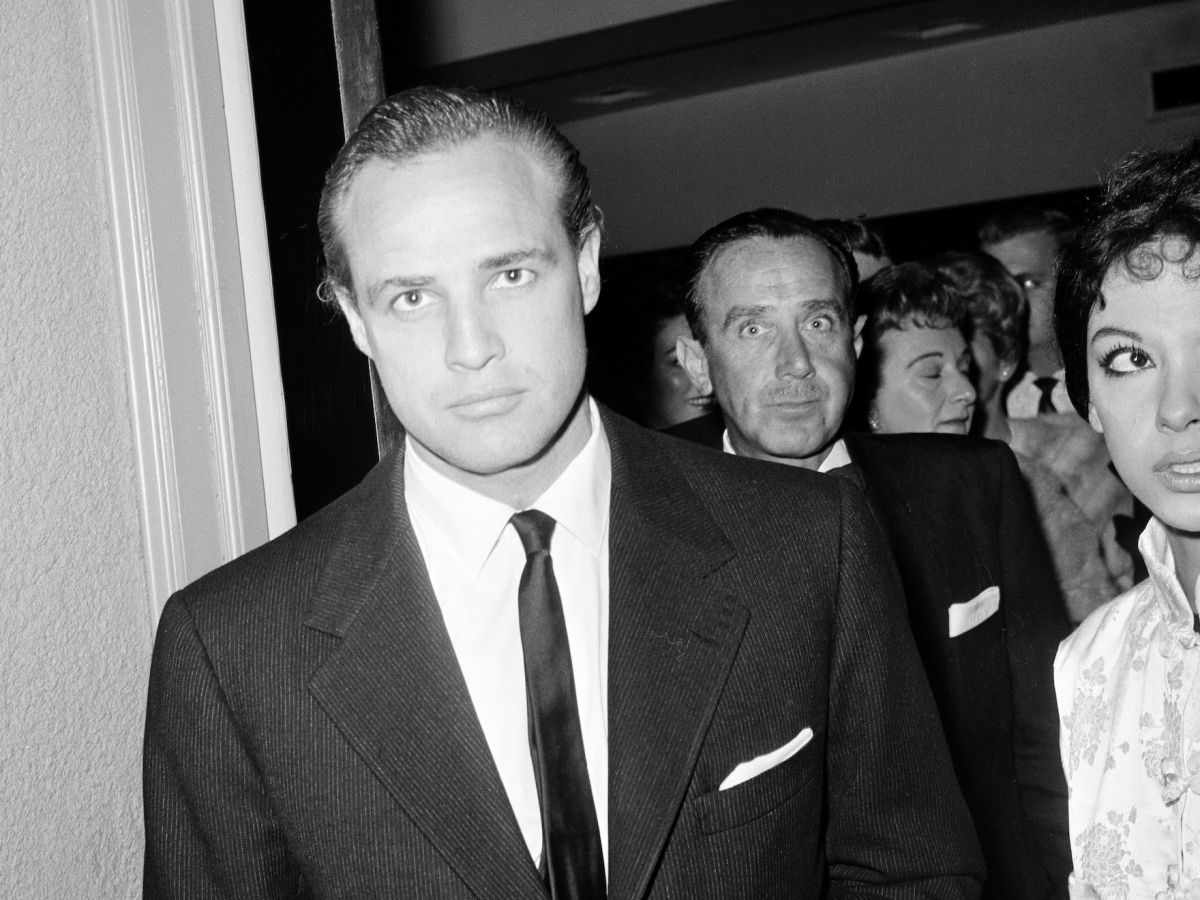
Marlon Brando, Hollywood actor: "I think to regret is useless in life. It belongs to the past"
The Hollywood icon offers a practical reminder about accountability, acceptance and moving forward
People often assume regret is productive because it feels like proof that a lesson has been learned. In reality, there is a point where looking back stops helping and starts becoming its own kind of trap.
Marlon Brando captured that distinction in one concise line: “I think to regret is useless in life. It belongs to the past.”
The thought is not really about dismissing mistakes. It is about refusing to give them permanent control.
A bad decision can matter. An apology can matter. Changing course can matter. What Brando ’s quote challenges is the idea that repeatedly reliving the same moment somehow improves the outcome. It cannot.
Once something has happened, the past becomes fixed. The only part of the experience that can still change is what a person does with it.
Regret becomes useful only when it leads somewhere
There is an important difference between reflection and rumination. Reflection asks what happened, why it happened and what should be done differently next time.
Rumination keeps returning to the same question without producing anything new. That's where Brando ’s words become especially relevant.
Learn what the experience has to teach, take responsibility where necessary and then allow the lesson to become part of the present instead of dragging the emotional weight forward. That's often harder than it sounds.
People can become attached to alternate versions of their own lives: the relationship they might have saved, the opportunity they might have taken, the words they wish they hadn't said.
Those imagined outcomes can feel vivid, but they are still imaginary.
Moving on isn't the same as excusing yourself
Letting go of regret doesn't mean pretending nothing happened. Someone can admit wrongdoing, accept consequences and make amends while also refusing to spend years mentally replaying the same event.
In that sense, moving forward can be the more demanding choice. It requires replacing guilt with action and nostalgia with acceptance. It also means accepting that some mistakes cannot be repaired completely.
Brando ’s own life was filled with extraordinary success, public controversy and personal complexity, which gives the remark added weight. His point wasn't that the past is meaningless. It was that the past has already had its turn.
Most people have moments they would change if they could. The problem is that life does not offer revisions. What remains available is the next decision, the next conversation and the next opportunity to act differently.
That's why Brando ’s quote still resonates. It reduces a complicated emotional habit to one practical idea to learn from what happened, but do not mistake endless regret for growth. The past can explain you. It doesn't have to govern you.