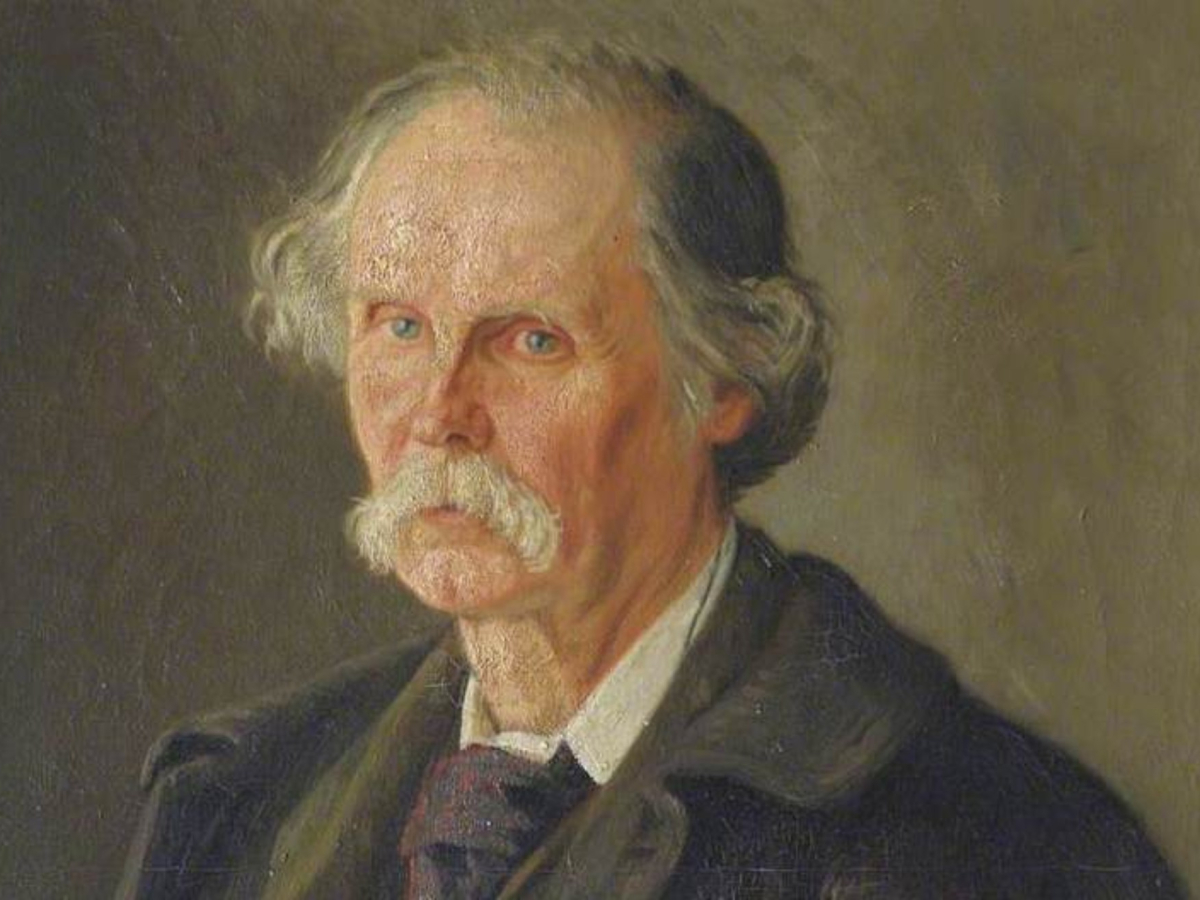
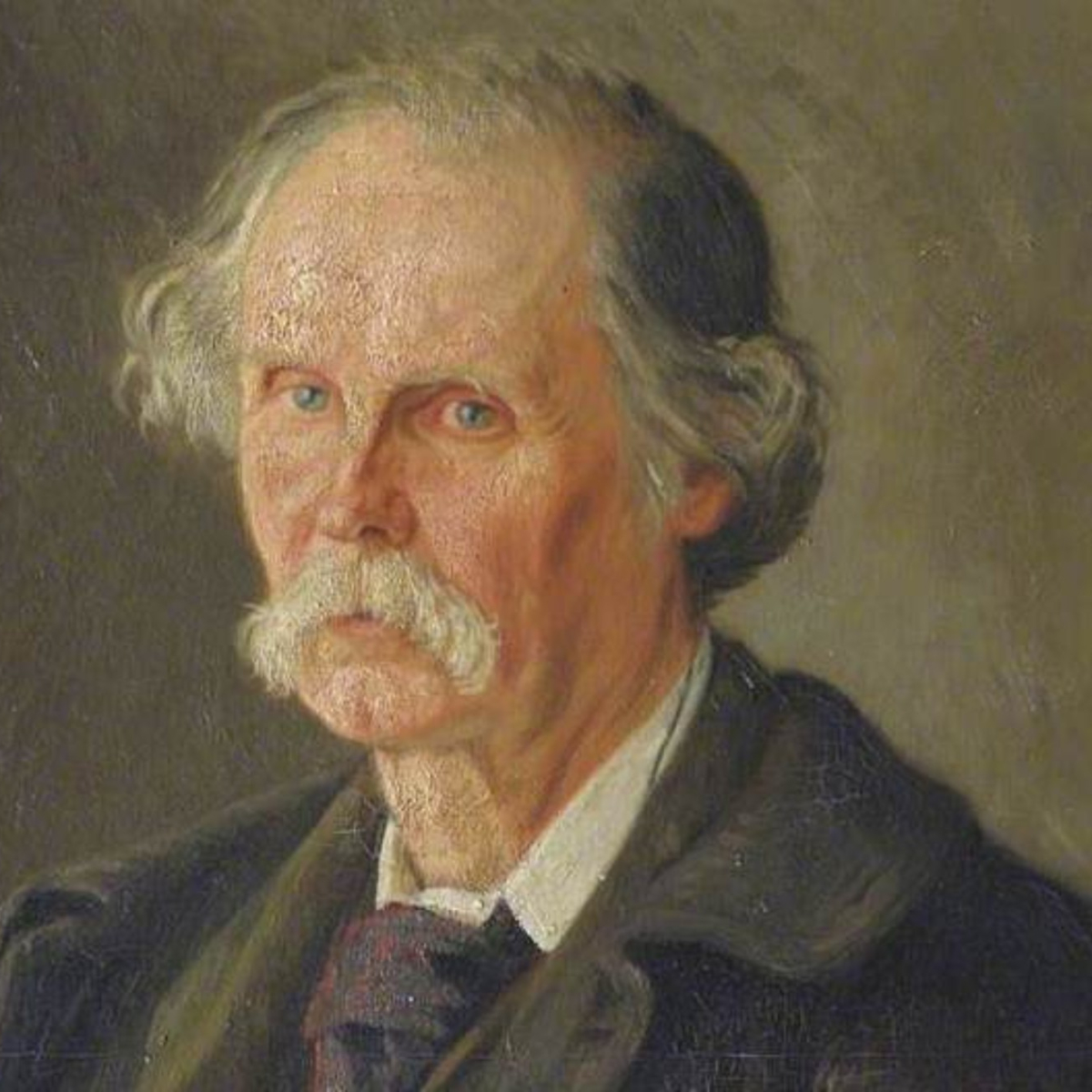
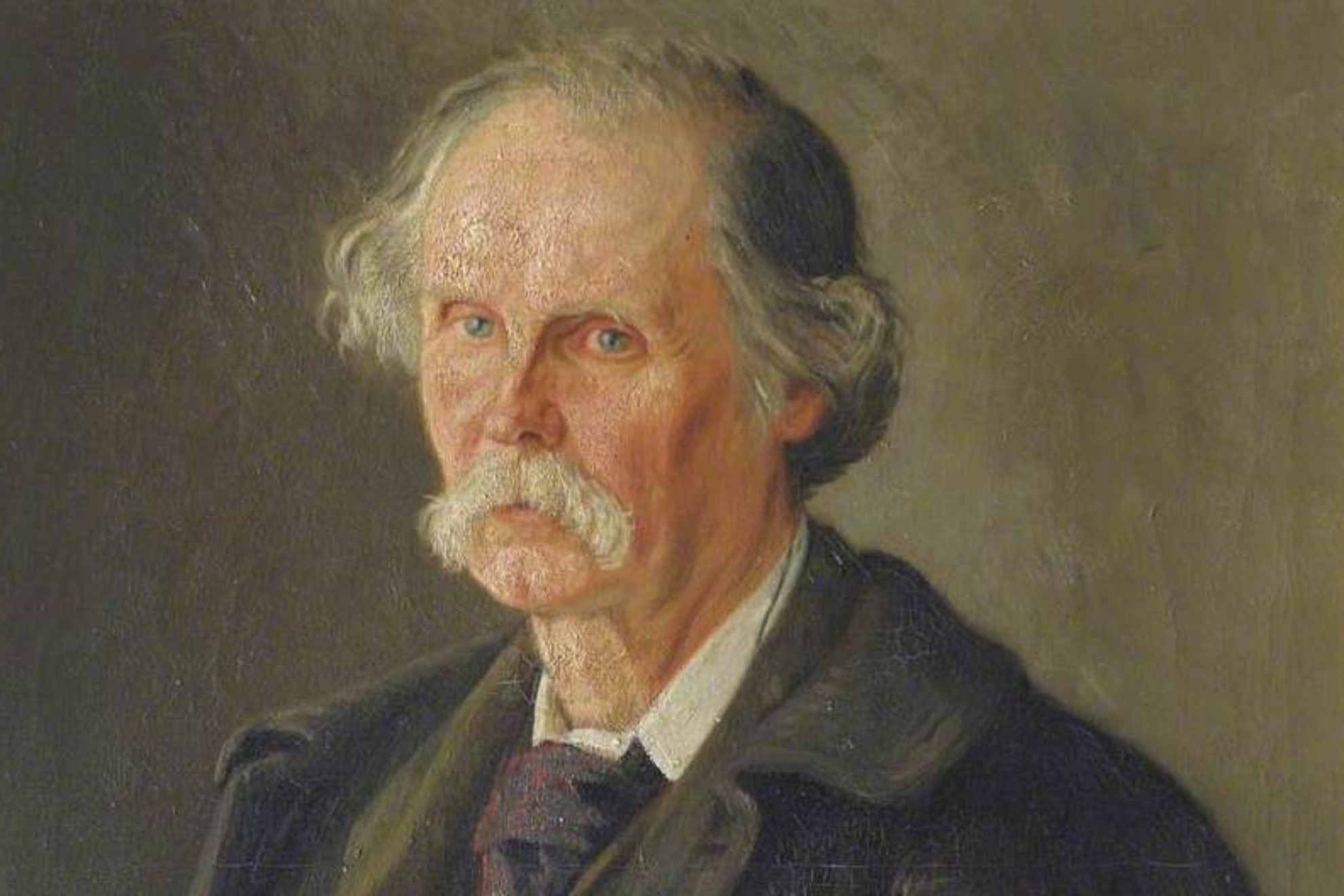
Alfred Marshall, economist: "The price of a good is the result of the interaction between supply and demand"
The British economist laid the foundations for one of the market’s fundamental theories, identified by experts as the main housing problem
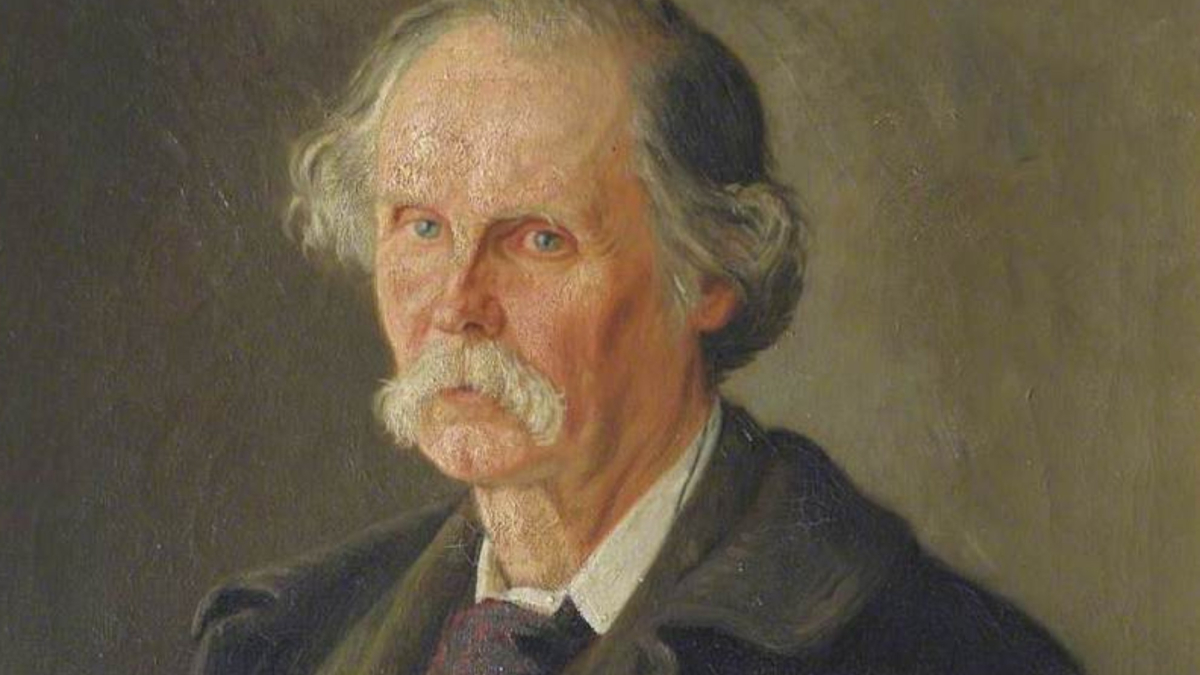
S ome products rise in price while others become cheaper . The answer lies, to a large extent, in the relationship between supply and demand, two essential concepts for understanding how the economy works. The British economist Alfred Marshall (1842-1924) was one of the figures who contributed most to developing this theory, which continues to be used to explain how prices are formed in markets.
Marshall argued that the price of a product does not depend solely on what it costs to produce it or on consumers' interest in buying it. It is the result of the interaction between those who offer a good and those who wish to acquire it. This idea was set out in his work ‘Principles of Economics ’ , published in 1890 , and became a reference for the development of modern microeconomics.
Supply and demand, the two forces that determine prices
Supply represents the quantity of a product that sellers are willing to place on the market at different prices . Demand, for its part, reflects how much consumers want and are able to buy. When both forces coincide, an equilibrium price is reached, at which the quantity supplied corresponds to the quantity demanded.
“The price of a good is the result of the interaction between supply and demand” . With this idea, Alfred Marshall explains that the price of a product depends on the balance between what sellers offer and what consumers are willing to buy.
When a good is in high demand and scarce, its price tends to rise ; conversely, if there are more products available than consumers want to buy, its price usually falls. For example, if many people want to buy a product and only a few units remain, sellers can raise its price. On the other hand, if there are too many units and few buyers, they will have to lower the price to sell them. Thus, the interaction between supply and demand helps determine the price a product reaches in the market.
The economist also studied how the passage of time influences markets. In the short term, production capacity may be limited, while in the long term, companies can invest, expand their facilities, and adapt their supply to buyers' needs.
His legacy continues to be present in current economic analysis. Understanding the relationship between supply and demand makes it possible to interpret everything from variations in food prices to housing costs or changes in certain industrial sectors. A theory that, more than a century later, remains fundamental to explain why we pay more or less for the same product.