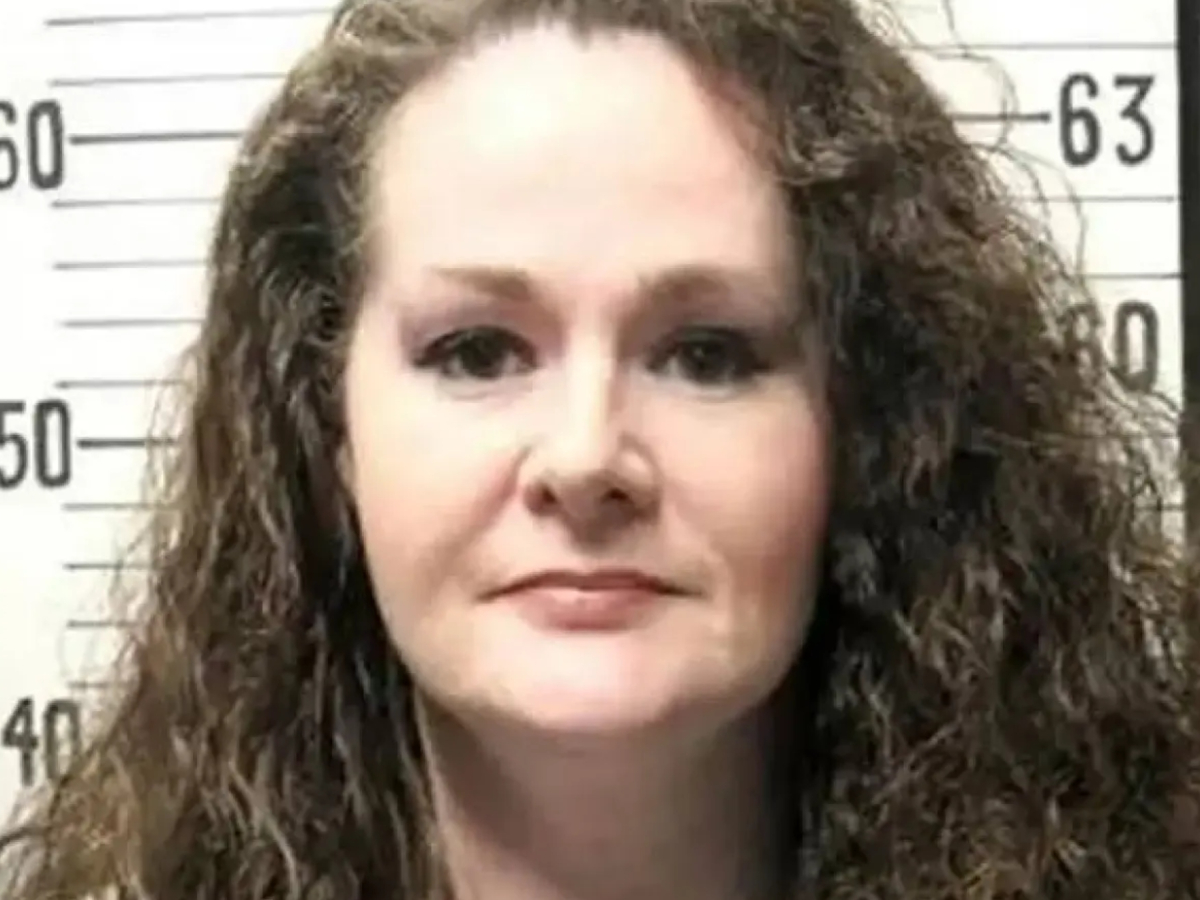
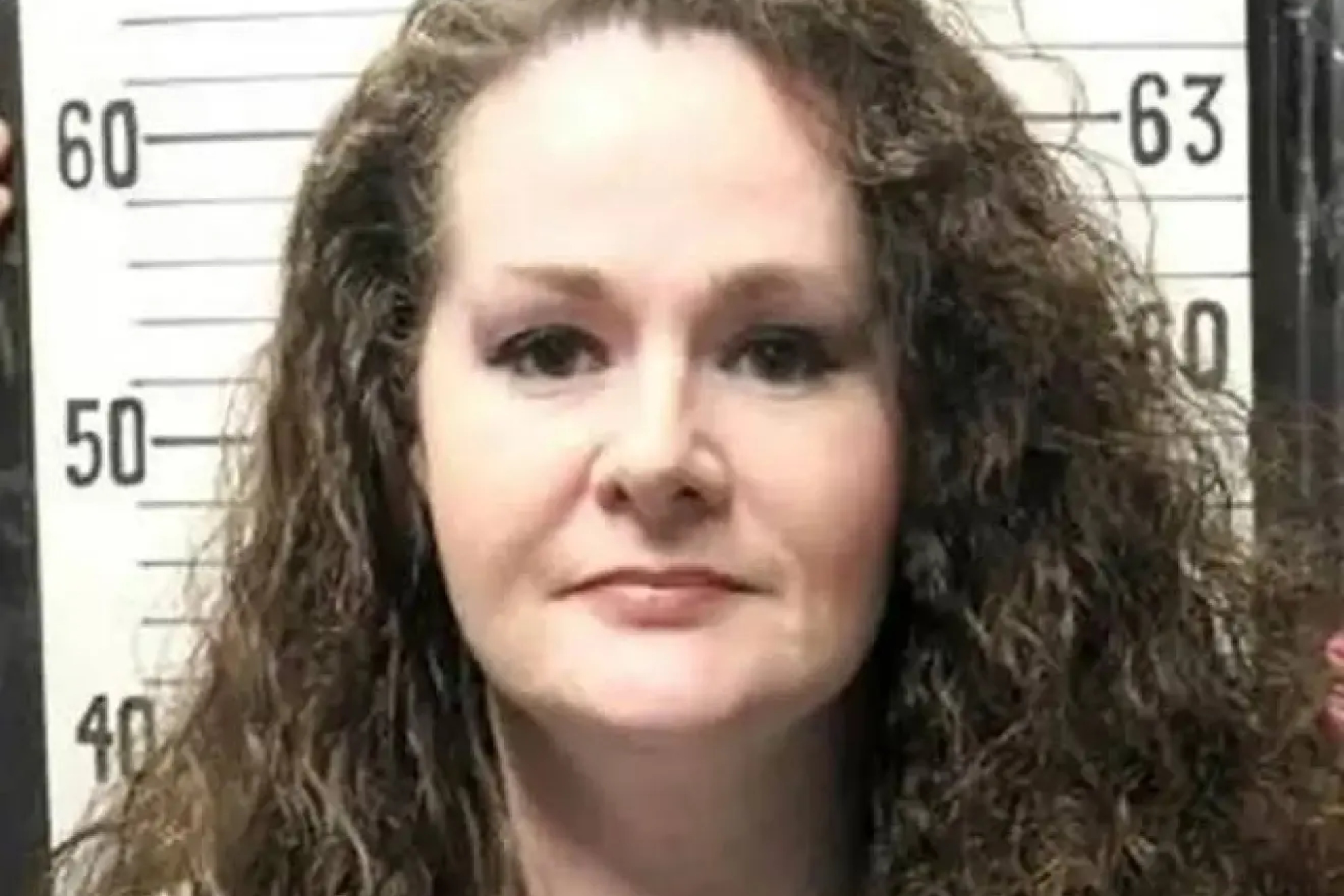
Chaos in prison: Newly released audio exposes catastrophic failure in Christa Pike's botched execution
Emergency crews were left waiting outside a Tennessee prison as officials struggled to verify a desperate call for medical assistance after the death-row inmate survived a lethal injection attempt
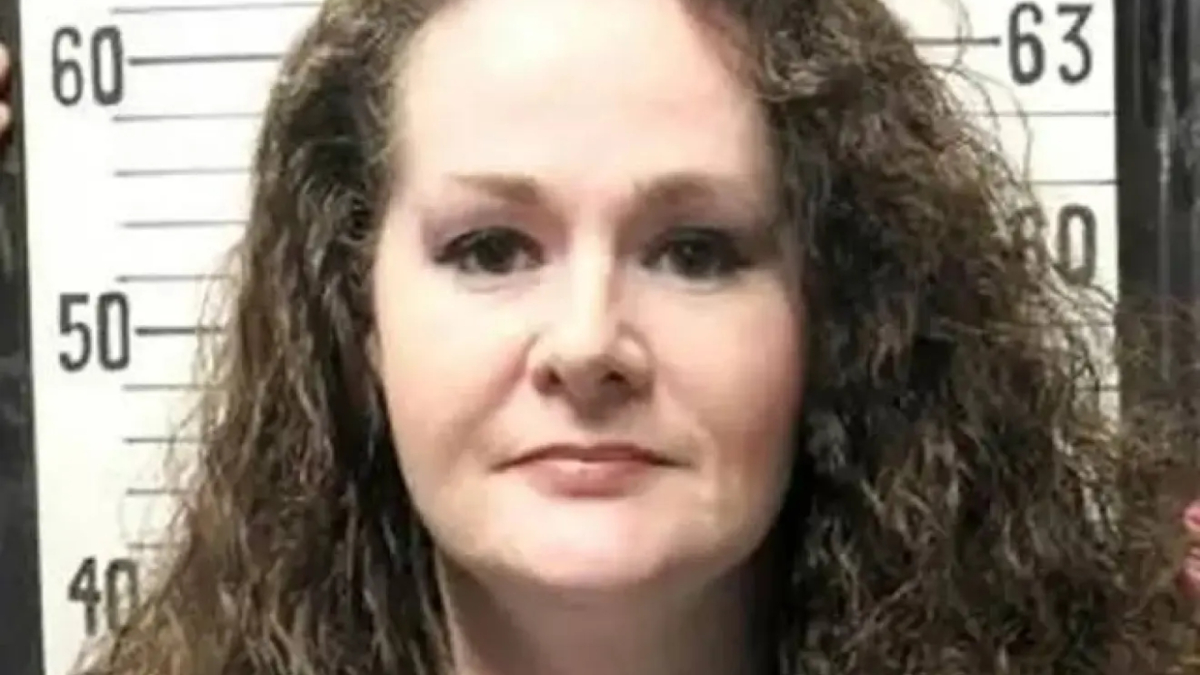
Newly released emergency recordings have exposed a deeply troubling breakdown in communication after Tennessee's attempt to execute Christa Pike went wrong, with firefighters and paramedics apparently unable to reach the prison while officials argued over whether the emergency was genuine and which agency had authority to escort them inside.
The incident unfolded on September 30, 2026, at Riverbend Maximum Security Institution in Nashville.
Pike , 50, had been given two doses of pentobarbital as part of the state's lethal injection procedure but remained alive. She was unconscious and experiencing abnormal breathing, prompting an urgent request for an ambulance.
However, recordings of conversations between emergency dispatchers, police and correctional officials reveal that medical responders were left waiting outside the facility as the situation was being verified.
According to recordings obtained by RadarOnline.com, Nashville's Department of Emergency Communications received the first notification at approximately 8:40 p.m.
Firefighters and paramedics were subsequently dispatched, but security requirements prevented them from entering without police assistance or the necessary verification.
One dispatcher expressed frustration about the situation, saying: "We need to send police hot because someone is at the front gate that's telling them that this is real and they need to enter."
The recordings show uncertainty over whether Metropolitan Nashville Police or Tennessee Highway Patrol should provide an escort.
Metro Police reportedly declined to take responsibility because Riverbend is a state-operated correctional facility, leaving dispatchers attempting to establish which agency could get responders through the gates.
Another dispatcher stressed the urgency of the request, explaining: "There's someone at the gate telling them to come in because ... they need the ambulance and that this is real."
The confusion was particularly alarming because the people waiting outside were not responding to an unverified routine incident. The emergency involved a prisoner who had just undergone an execution procedure and was reportedly still breathing.
An attorney from Tennessee's Office of the Post-Conviction Defender, identifying herself as Kelly Gleason , also contacted emergency services to explain the seriousness of Pike's condition.
"She's still alive and breathing and needs immediate life-saving care," Gleason told the dispatcher.
She also reported that Pike was unconscious and had been observed snoring after receiving the execution drugs.
A half-hour of confusion as responders waited outside
Further recordings reviewed by WSMV and other news organisations provide a clearer picture of the delay.
Responders were reportedly staged outside Riverbend by approximately 8:56 p.m. At 9:03 p.m., however, a dispatcher relayed information that the emergency had been classified as a false call and that no medical assistance was required.
Four minutes later, a responder reported that someone at the prison gate was insisting the situation was real and demanding that emergency crews enter. The call was not officially validated until approximately 9:11 p.m., around 31 minutes after the initial notification.
At 9:08 p.m., Gleason's call was also logged. A dispatcher subsequently warned colleagues that the attorney was repeatedly seeking information, saying: "The defense attorney by the name of Kelly Gleason is calling us and asking on an update. So it's escalating,"
The recordings do not establish precisely how much the delay affected Pike's medical outcome. Nevertheless, they raise serious questions about why a request for emergency treatment following an execution attempt could be mistaken for a false alarm, and why agencies appeared unable to agree on a procedure for getting medical personnel inside.
Pike was eventually taken to hospital after surviving the two doses of pentobarbital. She spent time unconscious and on a ventilator, with her lawyers initially fearing she might not recover. She was discharged on October 10 and returned to the Debra K. Johnson Rehabilitation Center.
In a statement reported by Reuters on October 30, Pike described continuing physical and emotional pain and said she remained isolated in a prison hospital ward. Her attorneys have also raised concerns about the constitutionality of the execution attempt.
Tennessee Governor Bill Lee ordered an independent review of what happened and suspended the state's remaining scheduled executions for 2026. The state's Department of Correction maintained after the incident that it had followed the established execution protocol.
The newly released audio adds another disturbing dimension to an already extraordinary case.
Beyond the failure of the lethal injection procedure itself, investigators now face questions about the emergency response, the prison's communication systems and the safeguards intended to ensure that someone in immediate medical danger can receive help.