The untold story of Nancy Green, the woman who made Pearl Milling Company famous
Her story is one of American entrepreneurship, racial stereotypes, advertising history and a remarkable human being
Long before celebrities signed multimillion-dollar endorsement deals, social media influencers promoted products to millions of followers, or professional athletes became the faces of major advertising campaigns, a woman named Nancy Green helped establish the concept of the modern brand ambassador. Born into slavery in Kentucky in 1834, Green became the original face of Aunt Jemima pancake mix after captivating millions of visitors at the 1893 World’s Columbian Exposition in Chicago . Her ability to entertain crowds while preparing pancakes helped turn a relatively unknown food product into a national commercial success.
Yet, despite spending three decades representing one of America’s most recognizable food brands, Green died in 1923 and was buried in an unmarked grave at Chicago’s Oak Woods Cemetery. It took nearly a century for her resting place to receive a proper headstone.
Her story is one of American entrepreneurship, racial stereotypes, advertising history and a remarkable woman whose contributions were overshadowed by the fictional character she was hired to portray.
From slavery to the World’s Columbian Exposition
Nancy Green was born into slavery in 1834 in Kentucky. Following the Civil War and the abolition of slavery, she eventually moved to Chicago, where she worked as a cook and housekeeper for the prominent Walker family. Her life took an unexpected turn in 1890 when she was recommended for a commercial opportunity by a member of the Walker family.
The story of Aunt Jemima had begun a year earlier in Missouri. Newspaper editor Chris Rutt and mill owner Charles Underwood had purchased a flour mill in St. Joseph and were looking for a way to sell their surplus flour. Their solution was a ready-made pancake mix that consumers could prepare simply by adding water and cooking it in a skillet.
They needed a recognizable name and marketing identity. Rutt borrowed the name Aunt Jemima from a blackface minstrel performance he had encountered, drawing on a racist caricature of a Black domestic servant. The product was subsequently sold to businessman R.T. Davis, who saw an opportunity to transform the character into a powerful advertising attraction.
Davis discovered Green in Chicago, where she was already known for her cooking abilities. At 59 years old, she auditioned for the role and was hired to represent the product. Her major opportunity arrived in the spring of 1893, when Chicago hosted the World’s Columbian Exposition , one of the largest international exhibitions in American history.
The event attracted approximately 27 million visitors over six months, providing an extraordinary platform for businesses to showcase their products and innovations. Green became one of its most popular attractions.
The woman who turned pancake demonstrations into a marketing phenomenon
At the exposition, Green prepared pancakes at the company’s booth beside an enormous flour barrel, entertaining visitors with songs and stories while demonstrating the product. Some of the stories were based on her own experiences, while others were written to reinforce the fictional Aunt Jemima character created for the advertising campaign.
The crowds became so large that special police officers were reportedly needed to manage the lines of visitors waiting to see her. The commercial results were extraordinary. By the time the exposition ended, the company had reportedly received more than 50,000 orders. Green also received a medal and certificate recognizing her showmanship at the fair. Davis subsequently signed her to a lifetime contract and promoted her as the “Pancake Queen.”
Her success represented something relatively new in American advertising: a real person becoming the public face and living embodiment of a commercial product.
Today, celebrities, professional athletes and entertainers regularly receive substantial compensation to promote brands. Green’s story offers an early example of that business model, although the racial stereotypes underlying her particular role make it a complicated chapter in advertising history.
For approximately three decades, she traveled throughout the country, appearing at fairs, festivals and public exhibitions to promote Aunt Jemima pancake mix. In 1914, the R.T. Davis Milling Company even changed its name to the Aunt Jemima Mills Company, demonstrating how influential the character had become in the company’s commercial identity.
The real Nancy Green was much more than Aunt Jemima
One of the most overlooked aspects of Green’s life was her involvement in Chicago’s African American community.Away from advertising appearances and pancake demonstrations, she dedicated considerable time to religious and social causes . Green helped establish Olivet Baptist Church, which became one of Chicago’s most important Black religious institutions. The congregation eventually grew to more than 9,000 members at its peak.
She also worked as a missionary, organized antipoverty initiatives and advocated for equal rights. These activities paint a picture of a woman whose influence extended well beyond the commercial world. While the Aunt Jemima character was built around a fictionalized and stereotypical portrayal of Black domestic workers, Green was helping establish institutions and strengthen a community during a period when African Americans faced significant racial discrimination and economic barriers.
On August 30, 1923, Green died in Chicago after being struck by a vehicle involved in a collision with a truck. She was reportedly standing on a sidewalk when the accident occurred. Her death was covered by the Chicago Defender, one of the most influential African American newspapers of the era. However, the woman who had spent decades promoting a nationally recognized brand was buried in an unmarked grave at Oak Woods Cemetery.
Quaker Oats acquired the Aunt Jemima brand in 1925 , just two years after Green’s death. Over subsequent decades, several other women portrayed the character. Anna Robinson became the model for the familiar illustrated portrait on the packaging. Chicago blues singer Edith Wilson later portrayed Aunt Jemima in television advertising, while Aylene Lewis appeared as the character at Disneyland’s original Aunt Jemima restaurant when the theme park opened in 1955.
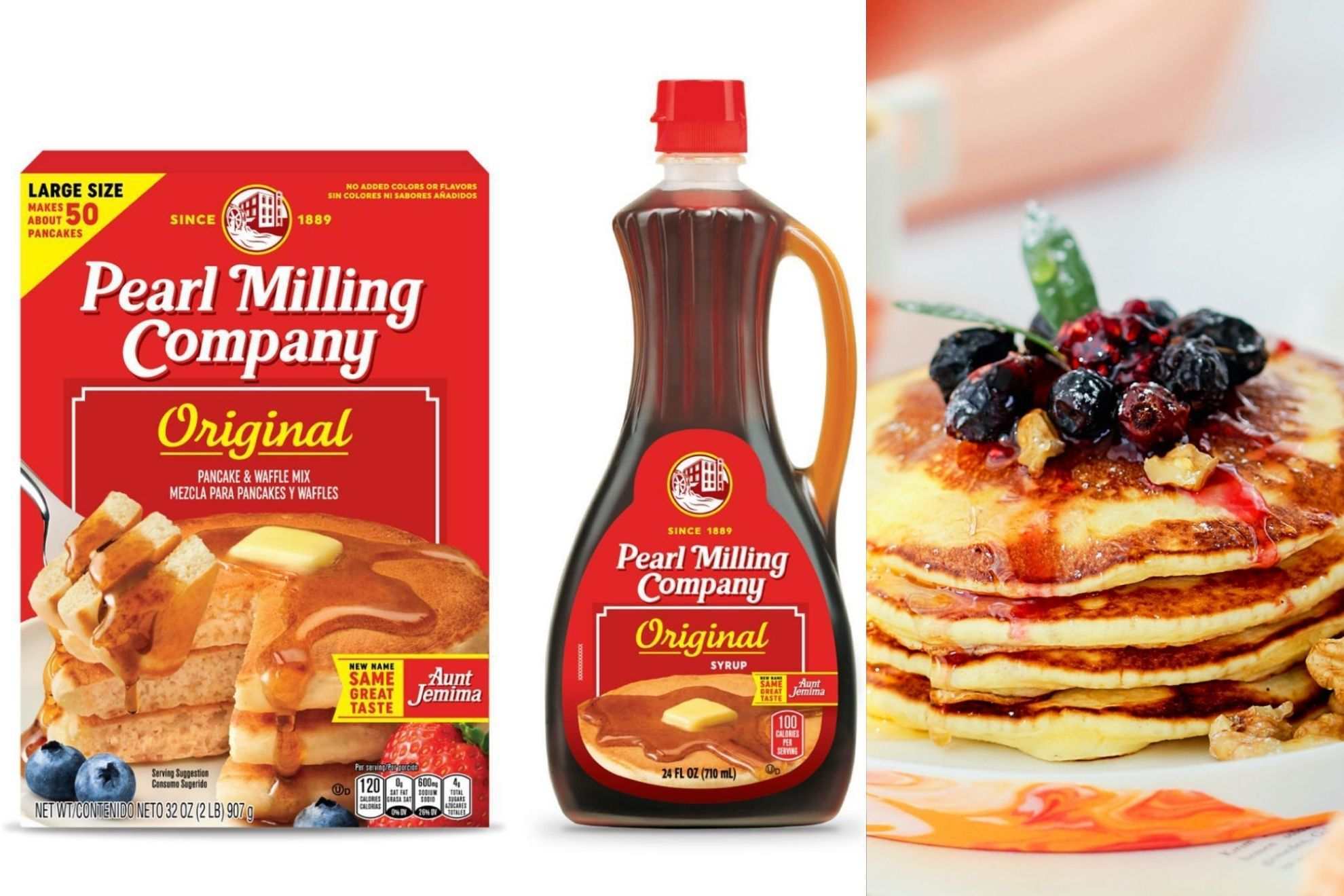
Eventually, PepsiCo acquired Quaker Oats in 2001, bringing Aunt Jemima under the umbrella of one of the world’s largest food and beverage companies. In June 2020, following the murder of George Floyd and the nationwide protests against racial injustice, PepsiCo announced that it would retire the Aunt Jemima name and image.
The company acknowledged that the branding was based on a racial stereotype and said the change was necessary to move away from imagery associated with America’s history of racial discrimination.
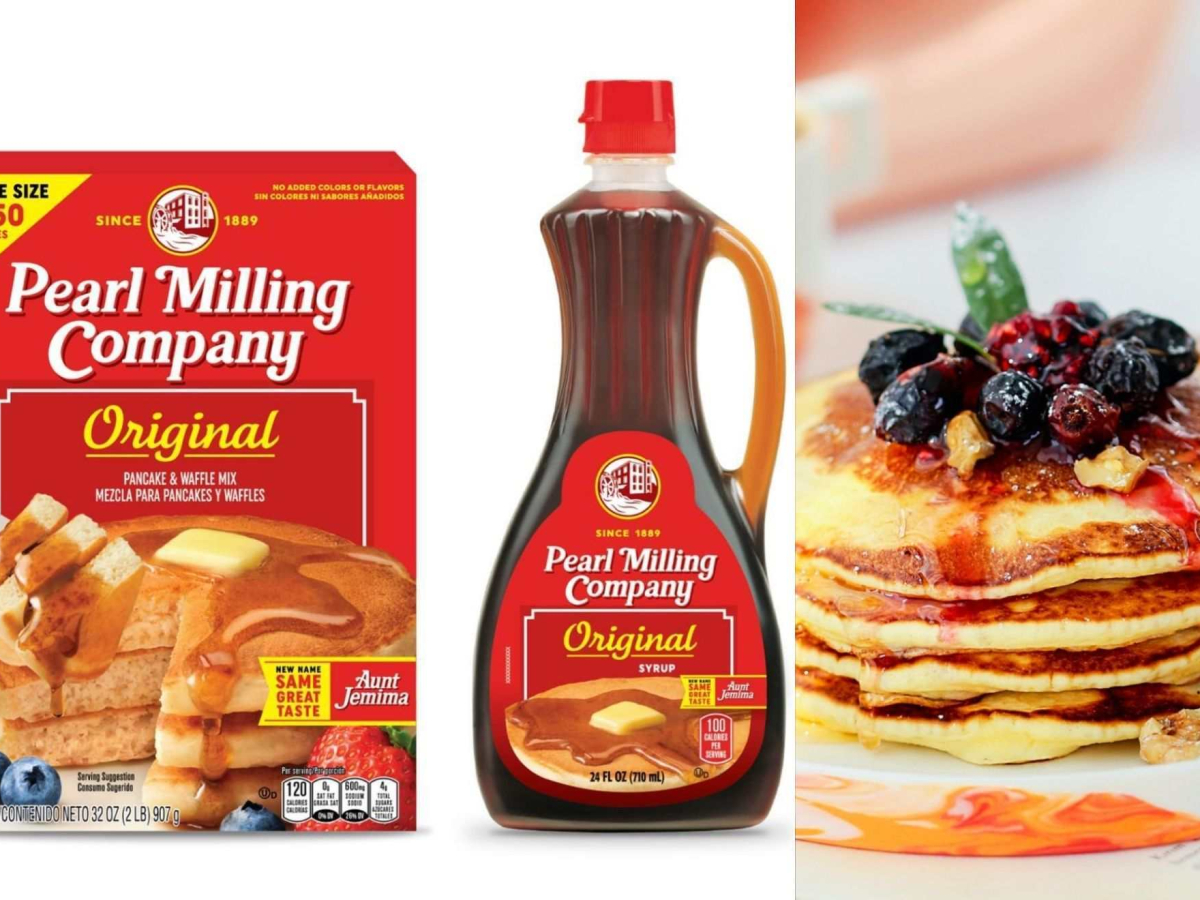
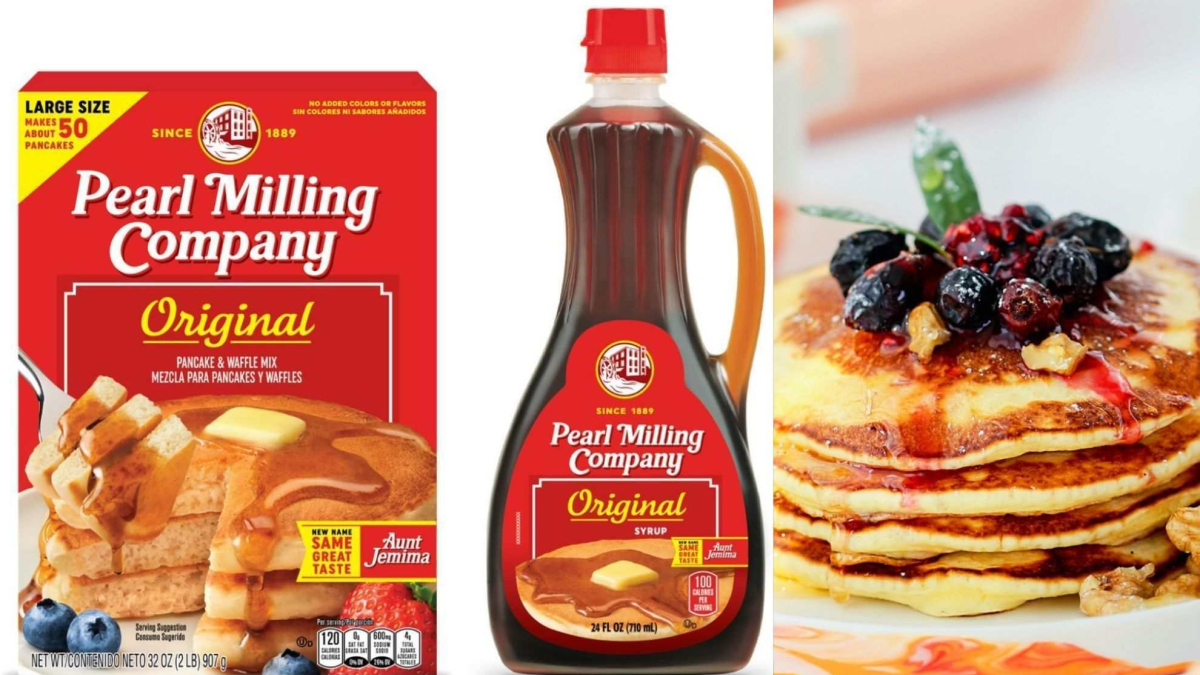
In 2021, the product was relaunched under the name Pearl Milling Company, returning to the original name of the Missouri mill where the pancake mix had been developed in 1889.