In 5700 BC, a volcano in the United States erupted and collapsed: this is how the country’s deepest lake was born, with an almost unreal blue
Crater Lake hides a log that has been floating upright for more than a century
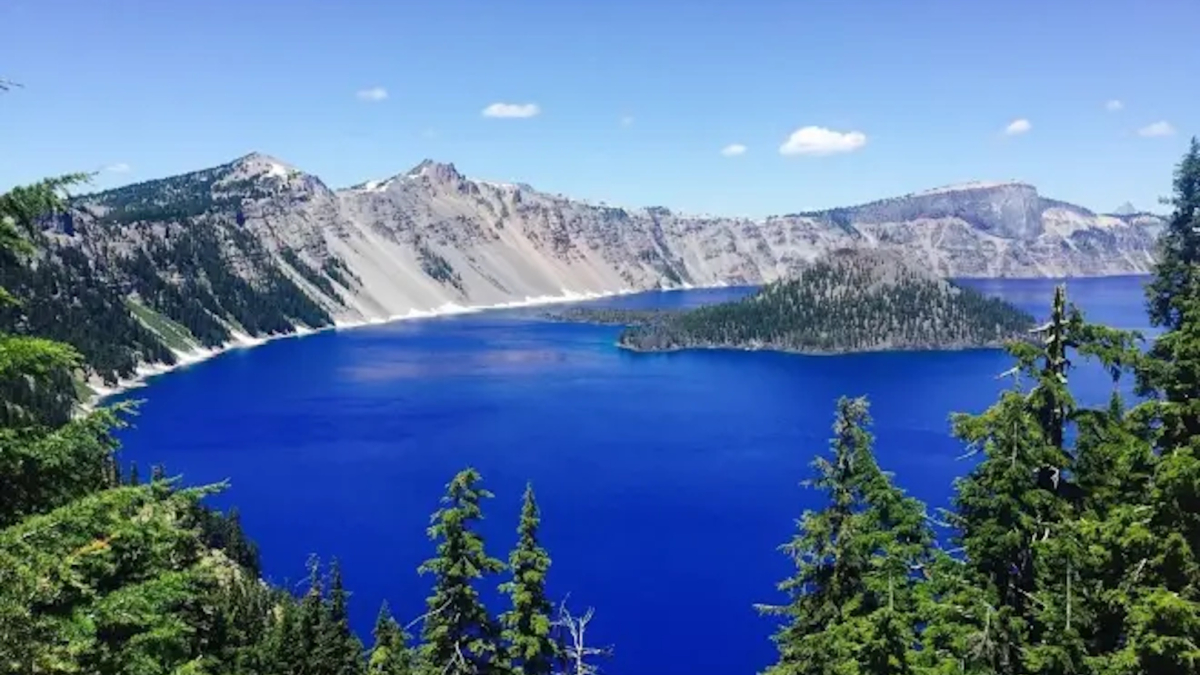
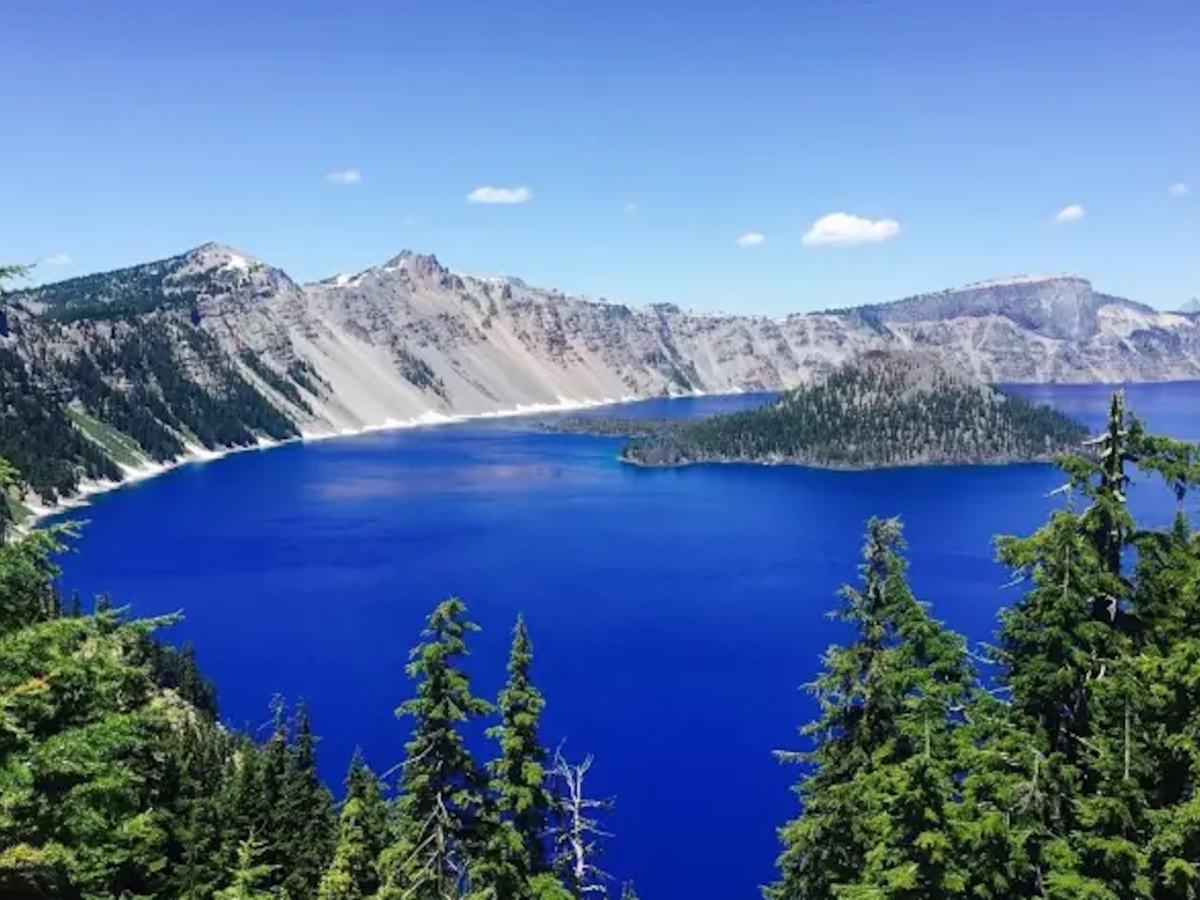
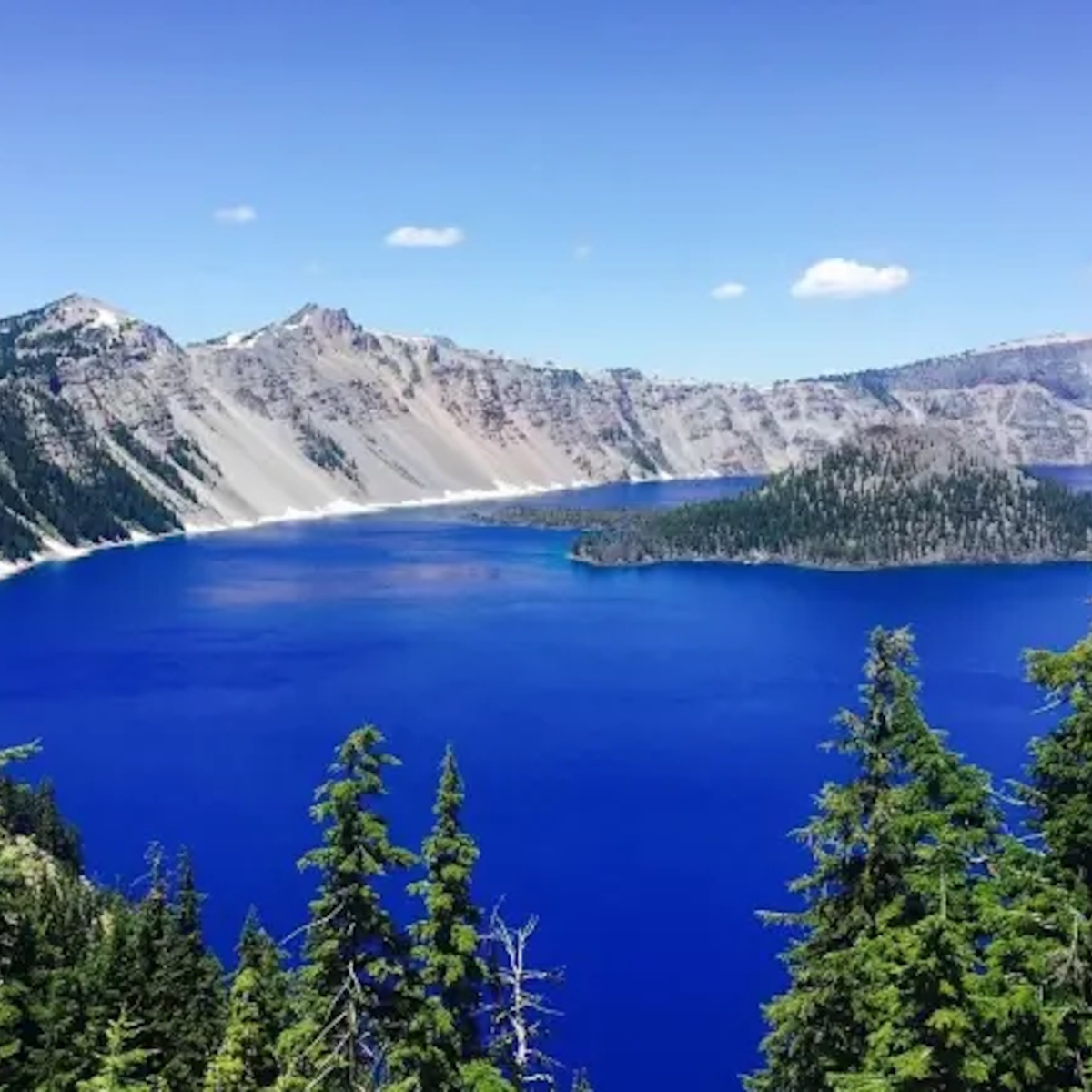
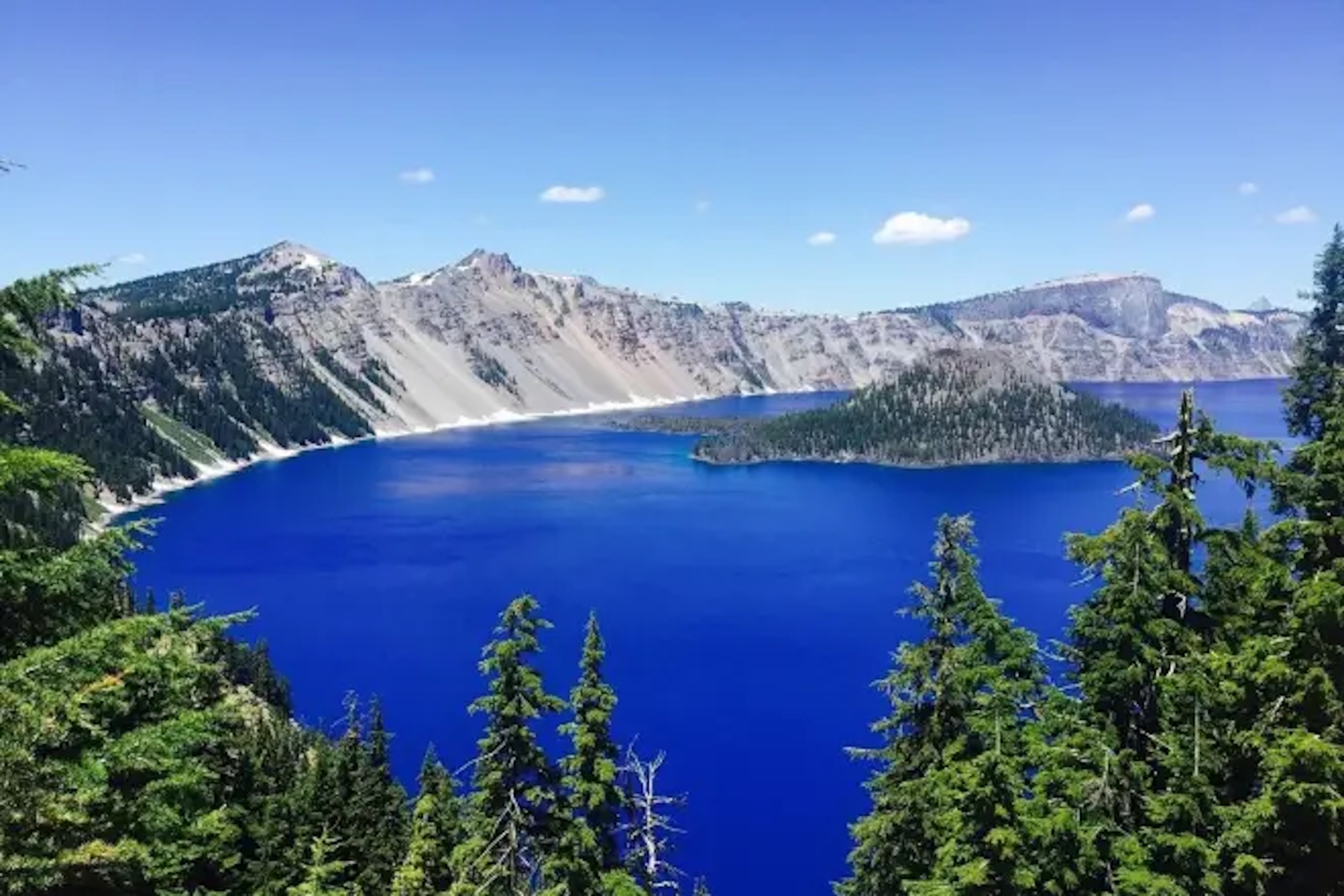
About 7,700 years ago, a mountain in the western United States blew apart . From that catastrophe emerged one of the most spectacular landscapes on the planet: a lake of such an intense blue that it seems unreal and that today holds the record for being the deepest in the country.
It is called Crater Lake , or Crater Lake, and it is located in the state of Oregon , within the national park that bears its name. Its origin lies in Mount Mazama , a volcano in the Cascade Range that underwent such a violent eruption that it ended up collapsing in on itself.
As the magma chamber emptied, the volcano's summit collapsed , leaving a huge hole, what geologists call a caldera. Over the centuries, rain and melted snow gradually filled it until it formed a lake about 594 meters deep.
The secret of its color is that no river or stream flows into it. The water only comes from the sky and only leaves through evaporation or by filtering into the ground, so it barely carries any sediments. That purity, combined with its enormous depth, gives it that striking blue color.
In the middle of the lake rises Wizard Island , the summit of a small volcano formed in later eruptions, which rises about 230 meters above the water. But visitors’ favorite curiosity is another: the "Old Man of the Lake" , a tree trunk that has been floating upright for more than a hundred years . The very cold water has helped preserve it.
For the Klamath , one of the area's Native tribes , the lake was a sacred place. One of their legends tells of two chiefs who clashed in a battle that destroyed the mountain, a story that some believe was inspired by the eruption itself.
The park, established in 1902 , now offers hiking trails, viewpoints, and boat tours in summer.